
Tüm Yazılar
How to Grow Nectarines?
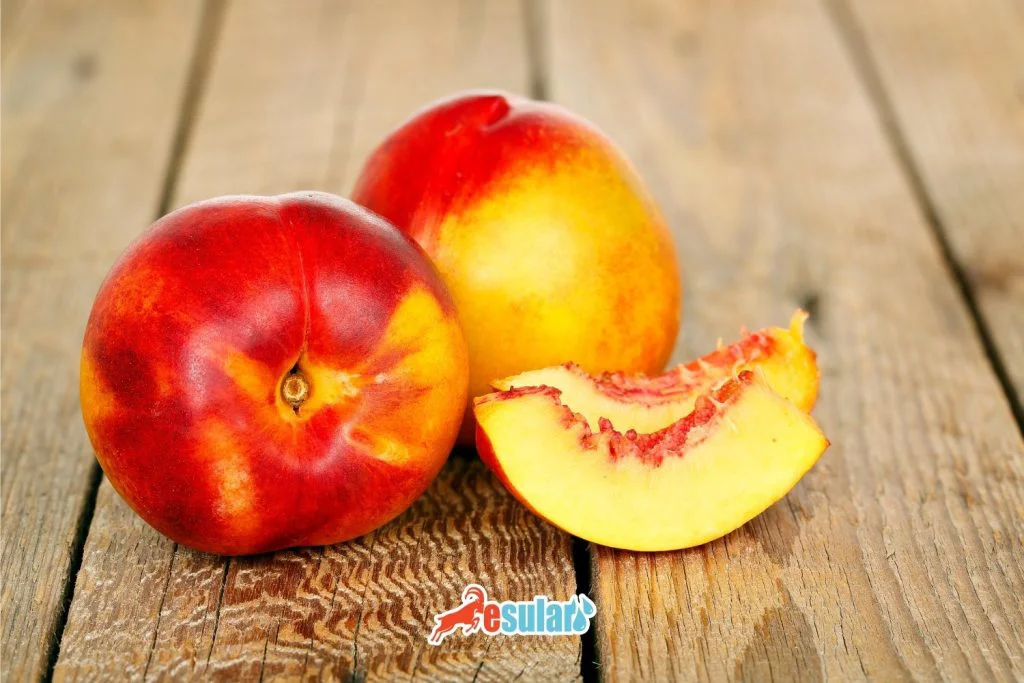
Nectarine cultivation offers economically attractive opportunities to farmers. Since the market value of the fruit is high, it provides significant income to producers when grown with the right methods. In addition, with the use of modern agricultural techniques, yield and quality increases can be achieved in nectarine production. While nectarine is distinguished from peach by its smooth and thin skin, it has similar nutritional values and areas of use. It provides many health benefits with its high content of vitamin C, vitamin A, potassium, and antioxidants. In addition to fresh consumption, it can also be used as fruit juice, jam, marmalade, and canned food. This article aims to provide comprehensive information and practical tips for those who want to start nectarine cultivation. You can find detailed information on many subjects, from climate and soil requirements to sapling selection and planting techniques, from fertilization and irrigation methods to pest and disease control. Learning the points to be considered and the correct techniques to be applied when stepping into nectarine cultivation are important steps for a productive and high-quality production.
Where Do Nectarines Grow?
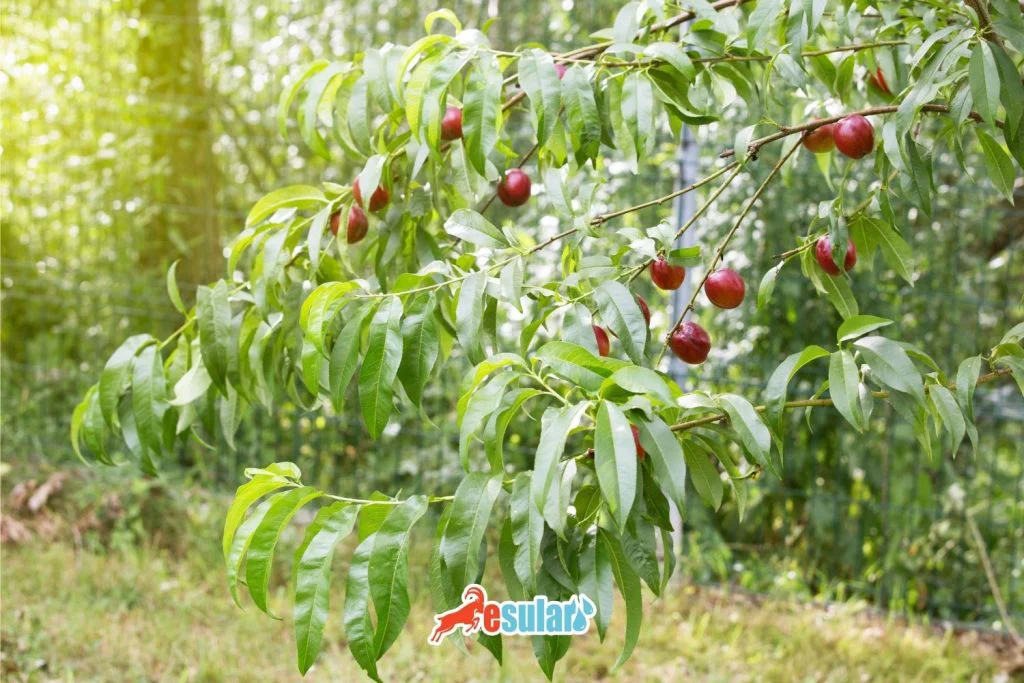
Nectarine is a type of fruit that generally prefers warm climates and is successfully grown in many regions worldwide. In Turkey, nectarine production is also carried out in various regions. Nectarine cultivation is especially common in the Mediterranean and Aegean Regions and the Marmara Region. The climatic characteristics of these regions offer suitable conditions for the healthy growth of nectarine trees and efficient fruit production. Nectarines bloom and ripen earlier in regions where the Mediterranean climate prevails. Hot summers and mild winters are the climate conditions that nectarine trees naturally prefer. Nectarine cultivation is also carried out outside these regions in our country, and production is realized with different techniques in accordance with the climate conditions.
Nectarine Sapling Planting
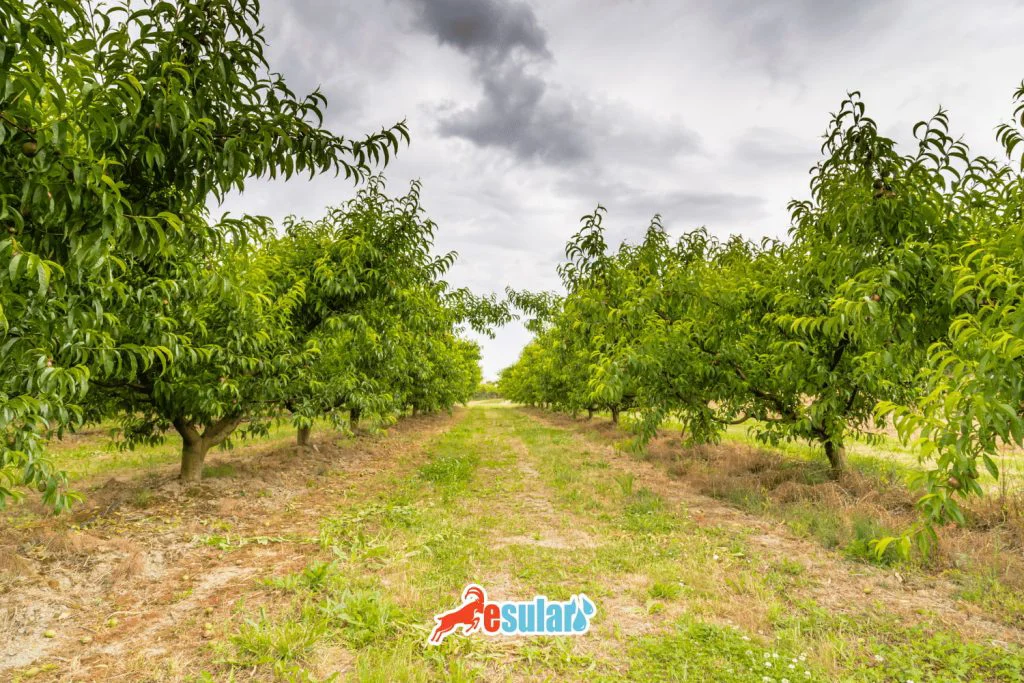
Nectarine sapling planting is very important for successful cultivation. For planting, first, healthy, disease-free saplings with a well-developed root system should be selected. The planting time is usually the autumn and spring months, and soil preparation is of great importance. Well-drained, fertile, and deep soils should be preferred, and the soil should be plowed deeply and leveled before planting. Planting holes should be opened 50-60 cm wide and deep, suitable for the sapling root system. After the saplings are placed in the hole, they should be positioned so that the root collar remains slightly above the soil level. After the hole is filled and the soil is lightly pressed, the first irrigation should be done with plenty of water and the soil should be thoroughly wetted. It should be fixed with support sticks to protect it from wind and external factors, and the moisture of the soil should be preserved by mulching around it. Regular irrigation, weed cleaning, and protection against pests should be provided in the first year, and light pruning should be done if necessary.
Irrigation in Nectarine Cultivation
Nectarine orchard irrigation is of vital importance to increase fruit yield and quality. Nectarine trees should be irrigated by regularly checking the soil moisture and delivering the water slowly to the root zone. The most suitable irrigation times are early morning or late afternoon; this way, the evaporation rate of the water is low. Water can be distributed efficiently by using drip irrigation systems. Nectarine trees need approximately 500 to 750 millimeters of precipitation or irrigation per year; this amount increases during the growing season. Trees should generally be irrigated every 7 to 10 days; in winter months, this interval can increase to 10-15 days. While the first irrigation is done in early spring when the winter dormancy period ends, the last irrigation should be done in the middle of autumn after the fruit harvest. Regular and conscious irrigation supports the healthy growth of nectarine trees and quality fruit production.
Smart Irrigation System in Nectarine Cultivation
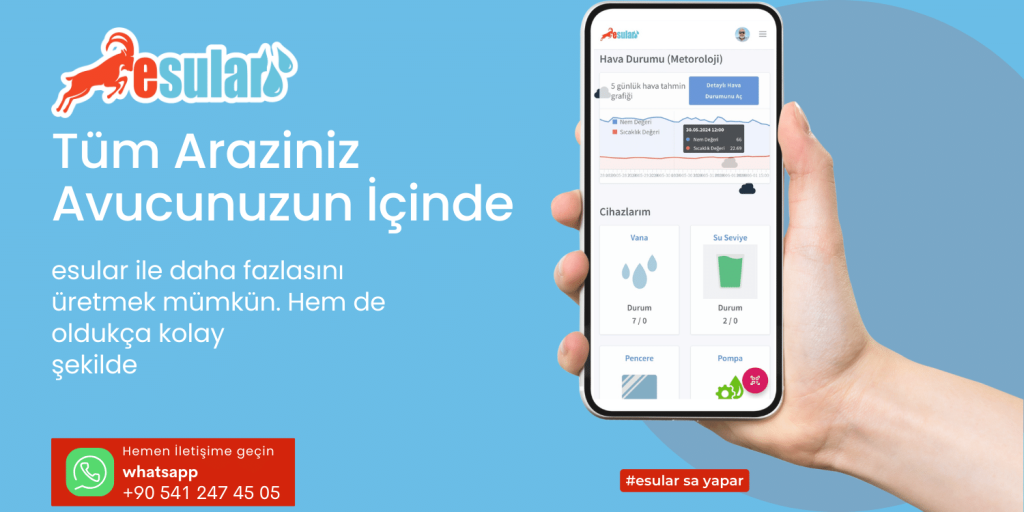
Esular initiates the digital transformation in agriculture with smart irrigation systems used in nectarine cultivation. Esular's smart irrigation systems offer farmers comprehensive control and management opportunities. These systems continuously monitor soil moisture to meet the water needs of plants at the right time and in the right amount. In addition, thanks to the sensors in our system, it minimizes water loss and allows farmers to save water. With the remote access feature, farmers can control and manage their irrigation systems from anywhere via the mobile application or web interface. The system can automatically open and close pumps and valves, so irrigation processes take place automatically without requiring manual intervention. Furthermore, while the system prevents excessive water consumption, it provides optimum conditions to increase the health and productivity of the plants. Farmers can follow the irrigation status and other important information instantly with SMS alerts automatically sent by the system.
Esular's smart irrigation systems are designed in accordance with the needs of modern agriculture and offer farmers the opportunity to increase their productivity and support sustainable agricultural practices.
Contact Us!
Contact us now to meet the Esular Automatic Irrigation System and get more information! We would be pleased to offer you the most suitable irrigation solutions. Create a revolution in modern agriculture with Esular web and mobile applications!
Visit our website or contact our customer service:
📞 Phone: +90 850 399 6888
📧 E-mail: info@esular.com
🌐 Web: www.esular.com
With Esular Automatic Irrigation System, You Are in Control, Productivity is on the Rise!
Fertilization in Nectarine Cultivation
Fertilization is very important for healthy growth and crop yield. Fertilizers provide healthy development by meeting the nutritional needs of plants and increase fruit quality. Fertilizers applied to nectarine trees usually contain nitrogen (N), phosphorus (P), potassium (K), and microelements. These nutrients play a critical role in the processes of growth, flowering, and fruit formation of plants. Giving fertilizers to nectarine trees in the right amounts and at the right time increases productivity and supports resistance against diseases. Fertilizer application is usually planned according to the growth period and needs of the nectarine trees. In spring, nitrogen-containing fertilizers can be applied during the awakening period of the trees. While phosphorus and potassium-containing fertilizers are used during the flowering period, it is important to provide these elements in a balanced way during fruit formation as well. Determining the nutrient levels of the nectarine orchard by performing soil analysis helps in creating the correct fertilization program. Suitable fertilizers are selected and applied by taking the soil pH level into consideration as well.
Nectarine Harvest
Nectarine harvest is a process carried out meticulously during the fruit's ripening period. It is generally accepted that the harvest time has come when the color of the fruit skin begins to change and its texture softens. The harvest process is usually done by hand and the fruits are gently plucked from their stems. This process is important so that the fruits are not damaged during transportation and storage. Ideal harvest conditions require the fruits to be harvested in the morning or evening hours when the temperature is low, which helps to preserve their freshness. Harvested nectarines are immediately preserved in cold storage conditions or proceed to the marketing stage. In this process, packaging and transportation operations are carried out with care to preserve the quality of the fruits and present them to consumers in the best way.
How Many Years Does a Nectarine Tree Take to Bear Fruit?
After being planted, nectarine trees generally start to bear fruit within 2 to 4 years. The yield level may vary depending on the type of tree, growing conditions, and care.
Yorumlar