
Tüm Yazılar

How to Grow Pomelo (Shaddock)?
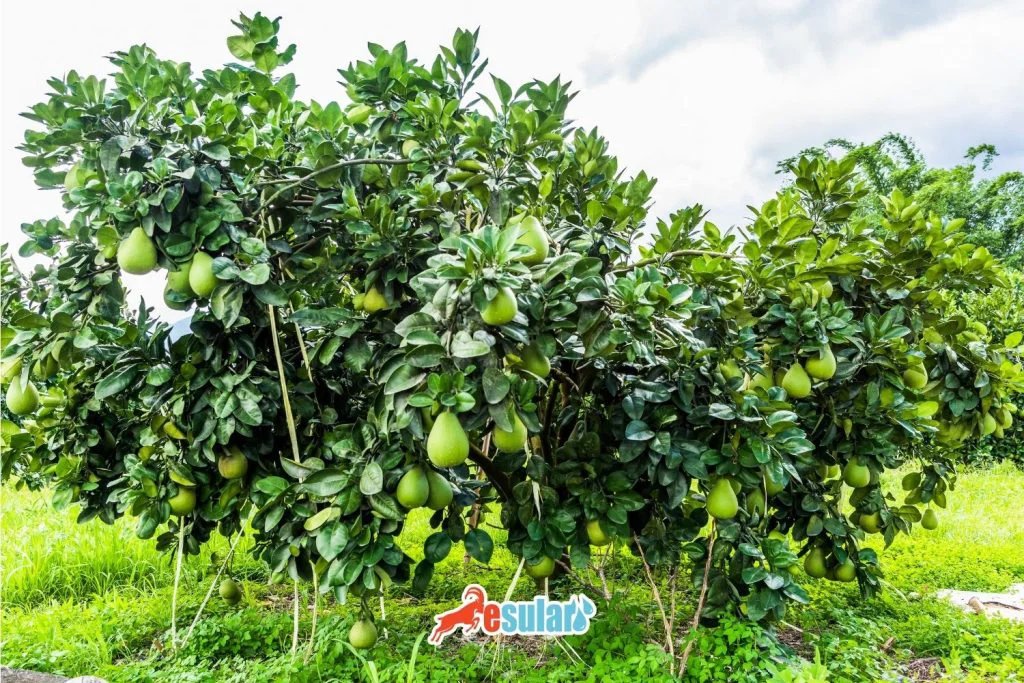
Pomelo cultivation offers a fascinating experience in tropical fruit orchards. This exotic fruit, also known as Shaddock, draws attention with both its eye-catching size and rich aroma. However, for the pomelo to grow healthily and yield plenty of fruit, certain climate conditions and specific care requirements must be met. In this article, by providing a comprehensive guide to growing pomelo, we will cover every detail from soil preparation to the planting stage, from irrigation and nutrition to disease management. You can find all the information necessary to ensure the successful growth of this impressive fruit in your garden here.
Suitable Climate and Soil Conditions for Pomelo Cultivation
Pomelo grows best in a temperature range between 15-30°C and can be damaged by cold below -3°C; therefore, it must be protected against frost events. A high humidity rate is also critical for the health of the plant, and the annual average humidity should be between 60-80%. This level must be maintained through irrigation and humidity-increasing methods during dry periods. Pomelo trees need to be exposed to direct sunlight for at least 6-8 hours daily. This supports fruit development and increases yield. Additionally, it is important to protect them from strong winds, as wind can lead to tree breakage and fruit drop. This problem can be reduced with wind barriers or protective plants. Pomelo shows its best development in well-drained soils rich in organic matter. Sandy-clay or clay-soil mixtures are ideal, and it is recommended that the soil pH be between 5.5-6.5. Tilling the soil well and enriching it with organic matter before planting supports the growth of the plant. Adding compost or rotted farmyard manure increases the nutrient values of the soil and improves root health.
Planting Pomelo Saplings
Planting the pomelo sapling is an important stage for the growth of a healthy pomelo tree. The planting process is generally carried out in the autumn or spring months. Before planting the sapling, attention should be paid to soil preparation; the sapling pit must be opened in appropriate dimensions and an environment where the roots can spread easily must be provided. The pit should be opened so that the root base of the sapling remains 2-3 cm above the soil surface, and its width should generally be 60-80 cm in diameter. Rotted farmyard manure or compost can be mixed into the pit to increase soil fertility.
While placing the sapling in the opened pit, it should be ensured that the roots spread properly and the graft point should remain 2-3 cm above the soil surface. The pit should be closed with soil in a way that fills the gaps around the roots. After planting, the first watering (can suyu) should be given so that the roots of the sapling come into good contact with the soil. However, excessive water puddles should be avoided during irrigation and the soil should be prevented from holding too much water. During the summer months, regular irrigation is important for the healthy development of the sapling.
Additionally, a support stake can be used to ensure the stability of the sapling and prevent possible wind damage. The area around the sapling should be cleared of weeds and hoed regularly. Drip or mini-sprinkler systems should be preferred during irrigation, and it should be ensured that water does not come into contact with the trunk of the sapling. By following these steps, you can support the healthy growth and productive fruiting of the pomelo sapling.
Pomelo Irrigation and Fertilization
Pomelo requires regular irrigation, especially in hot and dry climates. You must perform the irrigation process carefully to ensure the moisture balance of the soil. Generally, since pomelo plants develop deep roots, irrigation should be done when the top layers of the soil dry out. Irrigation frequency may vary depending on local climate conditions and the water-holding capacity of the soil. In general, irrigation can be done every 7-10 days during the summer months.
Fertilization for pomelo plants supports the healthy development of the plant by balancing the nutrient levels of the soil. A balanced fertilization program for pomelo is generally provided with complex fertilizers containing nitrogen, phosphorus, and potassium. Saplings should be fed with nitrogen-weighted fertilizers in the first year. This helps the plant develop strong roots and green leaves. However, excessive nitrogen use can increase leaf growth and negatively affect fruit yield. During the fruit ripening period, fertilizers with high phosphorus and potassium ratios should be used. These fertilizers increase fruit quality and support the overall health of the tree.
Fertilization should generally be done 3-4 times throughout the year. Applications can be made in early spring, mid-summer, and early autumn. Fertilizers should be spread evenly on the soil and applied along with irrigation. Additionally, organic fertilizers and compost can also be used; this increases the natural nutrients of the soil and supports the long-term health of the plant.
Harvest Time of Pomelo Fruit
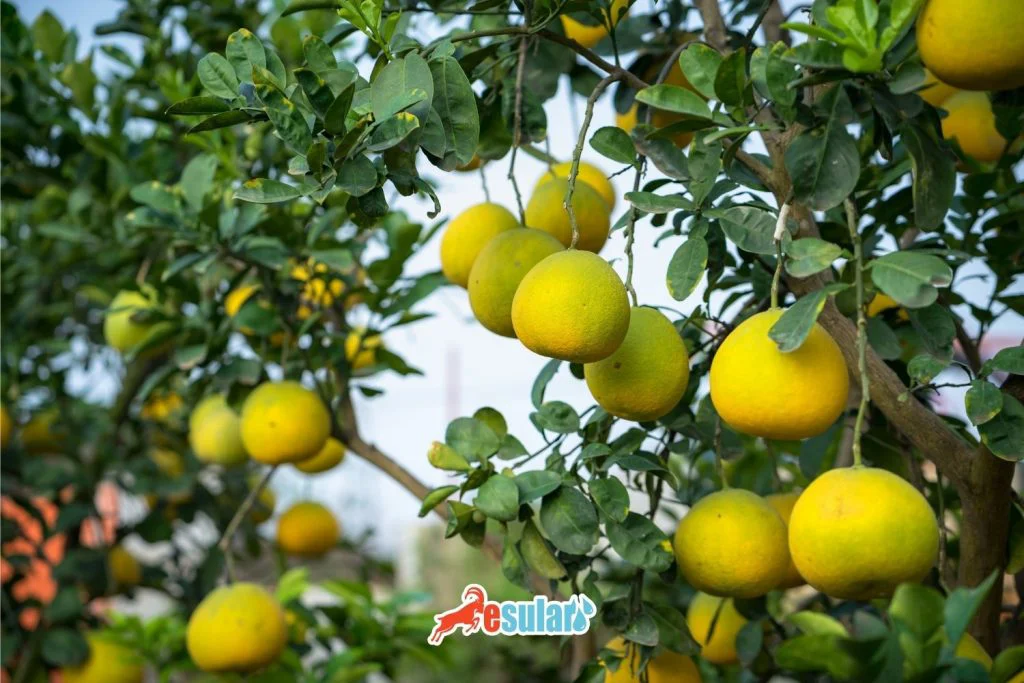
The harvest time of the pomelo fruit can vary depending on the climate of the region where it is grown and the growing conditions of the sapling. Generally, pomelo fruits ripen approximately 8 to 10 months after the flowering of the saplings. Important signs to understand that the fruit has ripened are the outer skin color turning from green to yellow and the distinctive aromatic scent of the fruit becoming prominent. Additionally, when the fruit stem bends easily, it indicates that the appropriate time for harvest has come. During the harvest process, the fruits should be collected by cutting them carefully so they are not damaged. Cut pomelo fruits should be stored in a cool place, protected from sunlight and moisture. When stored correctly, pomelo fruit can maintain its freshness for several weeks. The presentation of the harvested fruits to the market should be carried out as soon as possible for maximum flavor and quality.
Economic Value of Pomelo Fruit
Pomelo fruit has a rapidly increasing popularity worldwide and stands out as an economically valuable agricultural product in both local and international markets. Especially with the rise of healthy eating trends, pomelo, which is rich in vitamins and minerals, receives intense interest from consumers. This situation offers a profitable investment opportunity for producers. Compared to other citrus products, pomelo can find buyers at higher prices. The relatively low production costs and the long shelf life of the fruit provide marketing flexibility to producers. In international markets, Asian countries are regions where pomelo exports are particularly intense. With a well-organized production and marketing strategy, pomelo can be a significant source of income in both the domestic market and export markets. For this reason, pomelo cultivation is considered an agricultural activity carrying high economic value.
Health Benefits of Pomelo Fruit
Pomelo is a fruit very rich in vitamin C and antioxidants. Thanks to these features, it strengthens the immune system and protects the body from the harmful effects of free radicals. The high fiber content it contains helps the digestive system work regularly, which contributes to the prevention of digestive problems such as constipation. At the same time, because it is a low-calorie fruit, it helps with weight control and can be preferred as a healthy snack in diets. Pomelo also creates positive effects on skin health. Its antioxidant and vitamin C content contributes to the skin looking brighter and younger by supporting collagen production in the skin. Additionally, it is beneficial for heart health; its potassium content regulates blood pressure and protects cardiovascular health.
This nutritious fruit can be consumed directly by being sliced fresh. With its sweet and slightly tart flavor, it can be added to salads and used with yogurt or muesli at breakfasts. Additionally, squeezing pomelo juice to use in drinks or smoothie recipes is a popular form of consumption. Due to its aroma being compatible with seafood, it can also be served especially alongside dishes such as grilled fish or shrimp.

Yorumlar