
Tüm Yazılar
How to Grow Soybeans?
Soybean cultivation is considered an important agricultural activity worldwide. Soybeans are preferred by farmers because they increase soil fertility by providing nitrogen to the soil and are a suitable plant for crop rotation. Warm and humid climates are generally preferred for its cultivation, but it can be successfully grown in many different climatic conditions. The soybean plant is usually grown from seed and involves a series of agricultural application processes starting with seed sowing. Steps such as soil preparation, planting, irrigation, fertilization, pest control, and harvesting are important for successful soybean cultivation. Since soybeans contain a high proportion of protein, they are used both in human nutrition and as animal feed. Additionally, many products such as soybean oil, flour, and meal are obtained for industrial use. Soybean cultivation also provides economic benefits to farmers, increasing agricultural income and providing an important source of raw materials for the food industry.
Climate and Soil Structure in Soybean Cultivation
To provide a suitable environment for the soybean plant, locations with an average daily temperature of 25°C between May and September are preferred. However, temperatures below 18°C and above 40°C can adversely affect the development of soybeans. The soybean plant needs 550-600 mm of water during its growing period. Waiting until the end of April, when the soil temperature rises, for soybean germination is important for a guaranteed emergence. It should be considered that low and very high temperatures can prevent or reduce leaf and flower development. In extremely hot regions, low air humidity can negatively affect yield, so it is important to provide a humid environment through irrigation. Soybeans can grow in different soil types, primarily sandy-clay soils. However, significant decreases in yield can be seen in salty and barren soils. The acidity of the soil is also important; generally, moderate soil acidity (pH: 6.0-6.5) is suitable for soybeans. It should be considered that acid-character fertilizers should not be used and the climate and soil conditions suitable for corn can also be successful for soybean cultivation.
When Are Soybeans Planted?
The planting time for soybeans is determined as the time when the soil temperature reaches an average of 10°C. Soybeans grown as a main crop should generally be planted as soon as possible starting from mid-April in all regions. This period represents the time when the soil temperature reaches the appropriate level and the plant can germinate healthily. For soybeans planted as a second crop, the planting time is more limited. Second crop soybean planting is done by the first week of July at the latest. This is important for the plant to have sufficient growth and development time.
How to Plant Soybeans?
Soybeans should be planted at a depth of 2-3 cm in a previously prepared seedbed. There should be approximately 40-45 thousand plants per decare. Therefore, row spacing and on-row distances can be around 70x3 or 50x5 cm. If row-to-row processing by machine does not cause difficulty, the row spacing can be 40-45 cm. In this case, the on-row distance will be 5-6 cm. The amount of seed to be sown per decare varies depending on the size of the seeds. If the seeds are large, it is calculated as 7-7.5 kg; if they are small, it is 6-6.5 kg. A germination capacity of at least 90% for the seeds is important for a productive harvest.
Fertilization in Soybean Cultivation
Fertilization in soybean production is vital for efficient production. As a leguminous plant, soybeans have special characteristics that allow them to fix nitrogen from the atmosphere. However, nitrogen deficiency may occur depending on past soybean planting or transfer. In this case, Nitrogen fertilizer can be applied before or during planting. Phosphorus is important during the root development and growth period of the soybean plant. Phosphorus fertilizer supplementation is recommended along with planting. Turkish soils generally contain sufficient amounts of Potassium. Therefore, extra top dressing fertilizer is not necessary. The presence of micronutrients in the soil is also important. Soil analysis should be conducted to determine the nutrient content, and deficiencies should be corrected with correct fertilization.
How to Irrigate Soybeans?
The soybean plant needs 500-600 tons of water per decare throughout its growth period. This amount of water must be constantly present in the soil from initial planting until harvest. The irrigation process generally continues by dividing the field into basins. The first irrigation is done when the plant reaches a height of about 8-10 cm. Otherwise, the plant height remains short and the first pod flowers are low. This can lead to yield losses. The beginning of flowering and pod formation periods are the times when soybeans need water the most. The second and third irrigations should be done during these periods.
Soybean Harvest
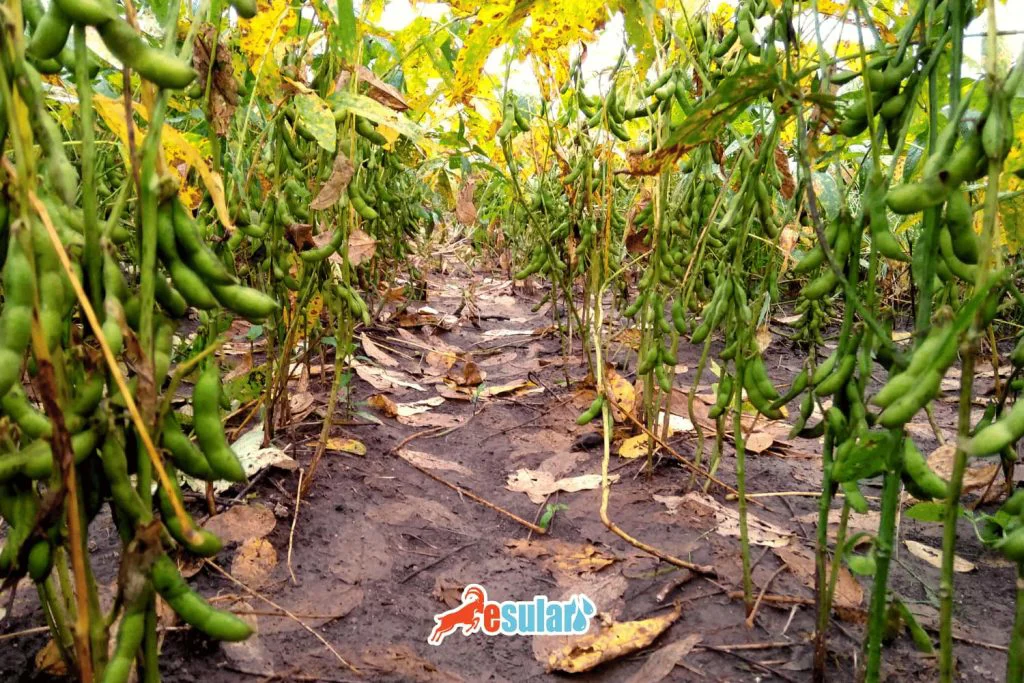
Harvesting is carried out during the period when the soybean plant turns completely yellow, its leaves drop, the pods dry, and the grains harden. At this stage, the grains should contain a maximum of 13% moisture. This moisture rate is important for maintaining quality during the storage and processing of the grains. Therefore, the harvest time should be carefully determined and the moisture content of the grains should be checked regularly.
How Much Soybean Yield per 1 Decare?
In soybean cultivation, a yield between 450 and 550 kilograms per decare is generally obtained. This yield may vary depending on various factors. However, careful management of factors such as suitable climate conditions, soil quality, irrigation schedule, and fertilization practices ensures yield within this range. Farmers should follow a careful growing process to provide optimal conditions and meet the needs of the plant. Additionally, correctly determining the harvest time and performing the harvest process meticulously has a significant impact on yield. With these methods, it is possible to consistently obtain high yields in soybean cultivation.
What Are the Diseases and Pests Seen in Soybean Cultivation?
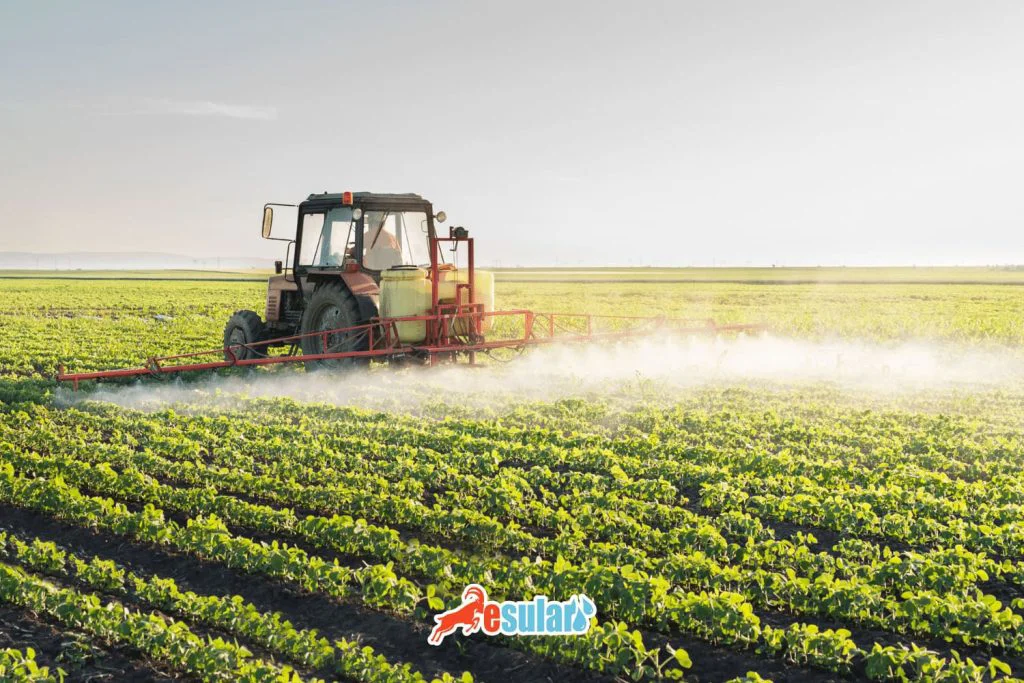
During the cultivation of soybeans, many diseases and harmful organisms are encountered. Among these pests, nematodes, downy mildew, and viruses can cause significant damage. Additionally, pests such as whiteflies, red spider mites, green worms, and cotton leafworms can also damage the soybean plant. In Turkey, red spider mite damage is frequently seen, especially in the Aegean Region. An effective method for controlling pests is spraying. For example, spraying for the control of red spider mites is recommended when 10 red spider mites are detected on a leaf. In this way, potential damage that pests may cause can be prevented in advance, and the healthy growth and productive development of the soybean plant can be ensured.
Yorumlar