
Tüm Yazılar
How to Grow Sesame?
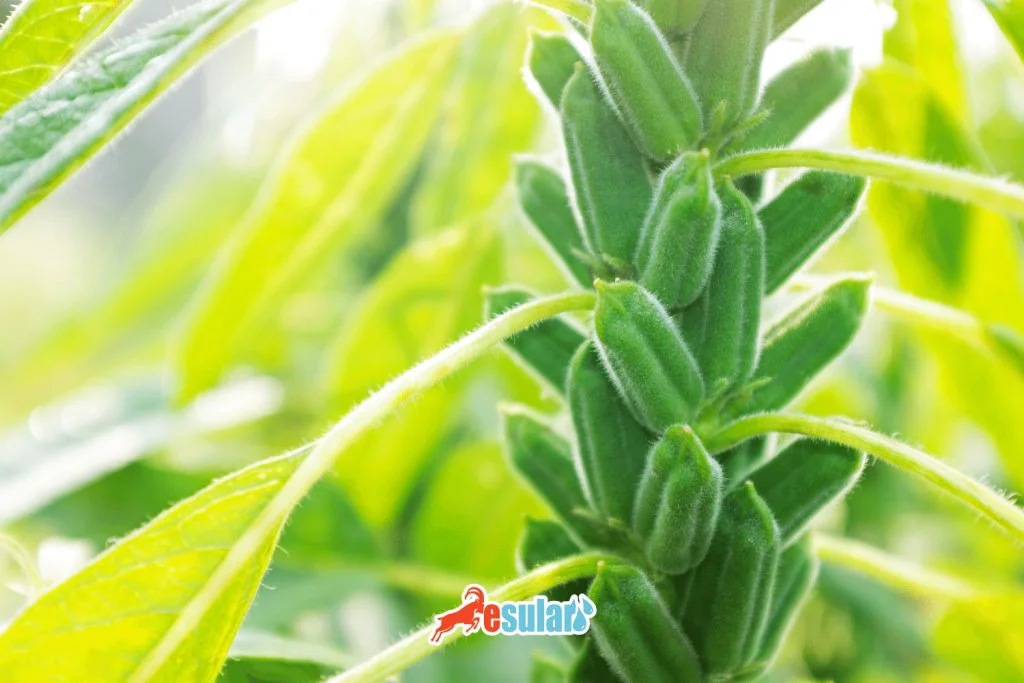
Sesame cultivation is an important agricultural activity widely practiced worldwide. The homeland of sesame, which belongs to the Pedaliaceae family, is Africa. However, today, it is cultivated in tropical and subtropical regions, especially in the Aegean, Mediterranean, and Southeastern Anatolia regions. The sesame plant is an annual plant that can reach heights ranging from 30 to 125 cm. Sesame, which grows upright and has a densely hairy stem, draws attention with an oil content ranging from 50% to 60%. The importance of sesame in terms of agriculture is quite high. Due to its high oil content, sesame plays an important role in the oil industry.
Additionally, the nutritional properties and various usage areas of sesame increase agricultural diversity, offering alternative income sources to farmers. The fact that sesame is a plant with low water requirements provides a significant advantage for sustainable agricultural practices. In addition to the economic value and agricultural importance of sesame, it also holds an important place historically and culturally. Consumed by humans for thousands of years, sesame has an important place commercially and nutritionally in various civilizations. Today, sesame maintains its importance as a nutritious food source and an economic source of income for millions of people worldwide.
Climate and Soil Structure in Sesame Cultivation
Sesame is a plant that prefers hot and humid climates. It grows successfully in tropical and subtropical regions, especially in warm areas. It is important that the average temperature does not fall below 20 °C during the development period and that the soil temperature is at least 12-15 °C for the seeds to germinate. Excessive rainfall and dry winds during the germination process can negatively affect the plant. Temperature differences between day and night can also affect and prolong the development period. Sesame is generally not very selective in soil choice, but it grows best in well-drained, medium-textured, rich in organic matter, and sandy-clayey, alluvial light soils. Although it is successful in medium-heavy and loamy soils, it does not develop well in excessively clayey, calcareous, and very stony soils that hold too much water. Therefore, soil characteristics should be meticulously evaluated in sesame cultivation.
How is Sesame Sown?
The first step for sesame sowing is soil preparation; the soil must be well-drained, cleaned, and processed. Then, fertilization is performed; appropriate fertilizers are selected and applied to the soil based on soil analysis. Sowing time is preferred in April and May, and seeds are buried at a depth of 2-4 cm and a distance of 20-30 cm. Irrigation is important for seed germination, but excessive irrigation should be avoided. When plants start to grow, regular maintenance should be performed, weed control should be ensured, and thinning should be applied when necessary. Harvest time is determined by the yellowing of the plants and the shedding of the lower capsules; harvesting is usually done by hand. When sesame sowing is carried out successfully with every step meticulously planned and implemented, high yields can be obtained.
Irrigation in Sesame Cultivation
Sesame is a plant with a medium level of water requirement. However, it has been observed that its productivity increases when regular irrigation is applied. Especially if it is grown as a primary crop on arid and winter lands, it can be grown without irrigation. However, if second-crop sowing is to be done, the irrigation process must be carried out. It is important to provide tempering water before second-crop sowing to ensure sufficient moisture in the field. During the maturation process of the plant, irrigation can be performed 1 to 3 times. However, the irrigation process should not be overdone, and care should be taken to prevent waterlogging of the plant. In this way, the sesame plant can grow healthily and sufficient yield can be obtained.
Fertilization in Sesame Cultivation
The short development period of sesame is important for the timing of fertilization. All fertilizers should be mixed into the soil during the last disc harrowing (plowing) process before sowing. This allows the seeds to germinate and the fertilizers to be used by the roots during the early growth stages of the plant. Considering the nutritional needs of sesame, fertilizers rich in phosphorus and nitrogen are preferred. In this context, the use of 20-25 kg of DAP (Diammonium phosphate) and 15-20 kg of ammonium nitrate per decare is recommended. While DAP promotes the root development of the plant, ammonium nitrate can provide rapid growth during the plant's early growth period. The balanced application of these fertilizers to the soil can support the healthy growth of the sesame plant and the achievement of high yields.
Harvest in Sesame Cultivation
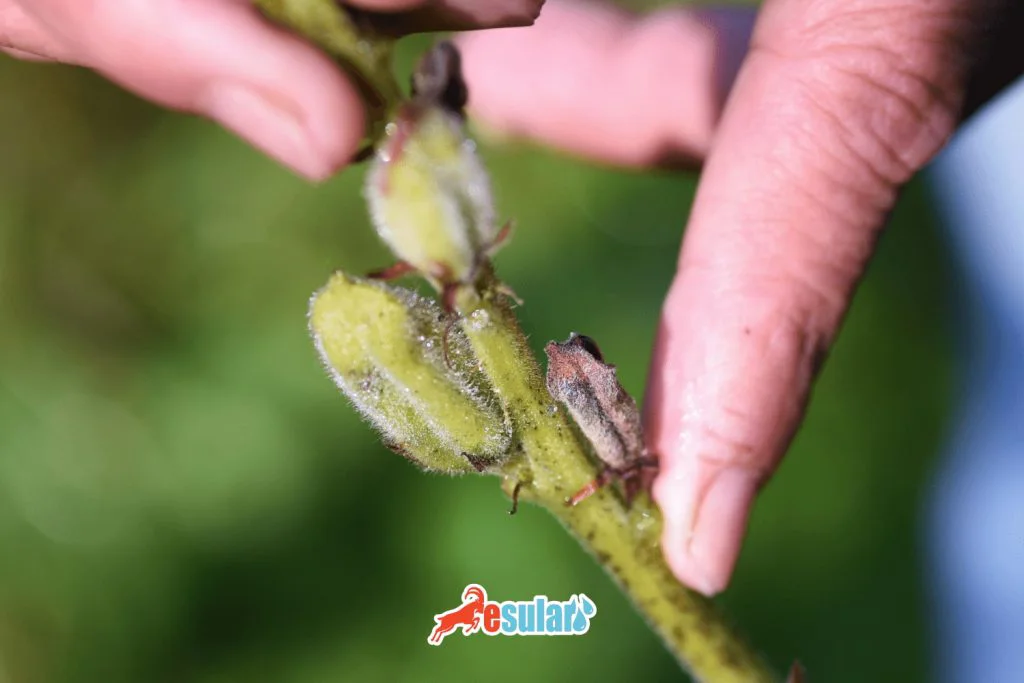
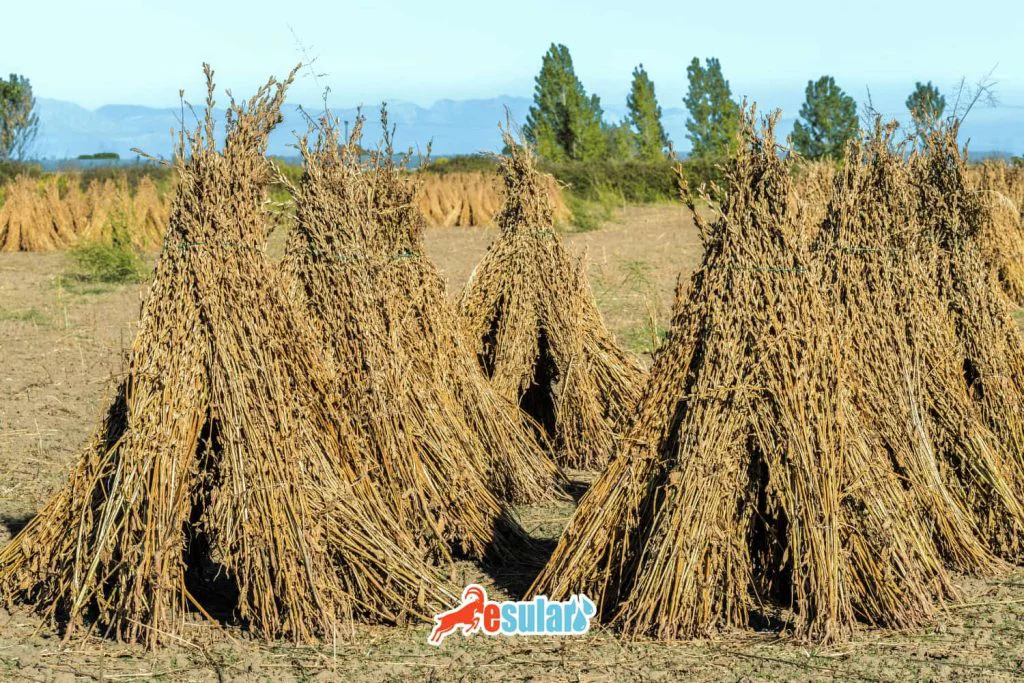
Harvest is carried out upon completion of the plant's maturation process. When the leaves and capsules of the plants to be harvested begin to turn yellow and dry, it is understood that the seeds have matured. During this period, a significant change is seen in the colors of the seeds by breaking the lower capsules by hand. It turns to dark yellow in white-seeded sesames and light brown in brown-seeded sesames. The harvesting process is generally carried out starting from the uppermost parts of the plants. Plants are collected by hand-pulling and brought together to form bundles. These bundles are placed in a shaded area and put under pressure. The bundles taken from the pressure are then subjected to the tokurcun process to ensure that all capsules crack and the seeds are released. A period determined according to weather conditions is waited for this process. Finally, the seeds inside the cracked capsules are separated and collected by the shaking process. Harvested sesame seeds are then stored and prepared for processing. When this process is carried out at the right time and with the right methods, high-quality sesame is obtained.
Diseases and Pests Seen in Sesame Cultivation
In sesame cultivation, one of the most common diseases is wilt. Wilt disease manifests itself with yellowing and wilting of the plant's leaves and usually develops in humid environments.
- Root rot occurs under conditions of excessive moisture or poor drainage in the soil. This disease causes the roots to rot and the plant to weaken.
- Sesame bacterial wilt is also a common disease and shows symptoms of yellowing, wilting, and general weakness in the plant.
- Leaf spot disease causes brown spots to form on the leaves of the sesame plant and usually occurs in humid weather.
- Phyllody disease leads to abnormal growth and deformities in the flowers of the plant.
- In addition to these, sesame Alternaria is also a disease seen and causes brown spots to form on the leaves.
- Pests encountered in sesame cultivation include cutworms, sesame moth, aphids, and whiteflies. Cutworms damage the roots of the plant, preventing its growth, and usually live underground. The sesame moth is a harmful insect to the plant's leaves and capsules and generally weakens the plant. Aphids are small insects living on the leaves of the plant and negatively affect the growth and yield of the plant. Whiteflies are also pests living on the leaves and cause the plant to weaken by sucking the plant sap.
In the fight against diseases and pests, methods such as cultural measures, chemical control, and biological control can be used. To protect plant health and increase yield, field checks should be done regularly and appropriate control methods should be applied when necessary.
Yorumlar