
How to Grow Leeks?
Leek is a vegetable that requires quite a bit of care to grow. This plant prefers well-drained, humic, and slightly acidic soil for healthy development. Seed selection is of great importance; sowing should be done by selecting high-quality seeds. You can sow seeds directly in the garden or in containers to obtain seedlings. During sowing, it is important to place seeds at a depth of approximately 1.5 cm and ensure sufficient distance between rows.
Leeks require regular irrigation, but over-irrigation should be avoided to prevent water accumulation. Providing nourishment with organic fertilizers supports the healthy growth of the plants. The area around the plants should be cleared of weeds and the soil should be aerated by hoeing. Harvest is usually done in the autumn and winter months, but young leek leaves can also be used in the summer months. Leeks can be sensitive to pests and diseases, so regular checks and, if necessary, control measures should be taken.
The plant usually flowers every two years; it is grown for its leaves in the first year and for its flowers and seeds in the second year. It is possible to grow new plants by collecting seeds after the harvest. Growing leeks is a process that requires patience and care, but it is possible to obtain healthy and delicious leeks with proper care.
Where Do Leeks Grow?
Leeks generally tend to grow better in temperate climate regions and cool seasons. This vegetable is among the cool-season vegetables and generally prefers cold weather. Ideal growing conditions usually include the following features:
Temperate Climates: Leek prefers temperate climates. It is resistant to cold weather and light frost, so it can also be grown in the winter months.
Cool Seasons: Leeks tend to grow better in cool seasons. High temperatures and drought conditions are generally not suitable for growing leeks.
Well-Drained Soils: Loamy-clay soils provide a suitable growing environment for leeks. A soil pH between 6.0-6.5 is preferred.
High Humidity: Leeks like high humidity levels. However, one should be careful against water accumulation and good drainage should be provided.
Long-Day Plant: Leek is considered a long-day plant. This means that the plant prefers long day durations.
Leeks are generally resistant to cold weather, so they can be grown in northern regions and high-altitude areas. However, certain varieties and hybrids can adapt better to different climate conditions. Regional climate and soil conditions should be considered for successful cultivation.
What are the Growing Conditions for Leeks?
Climate Requirement
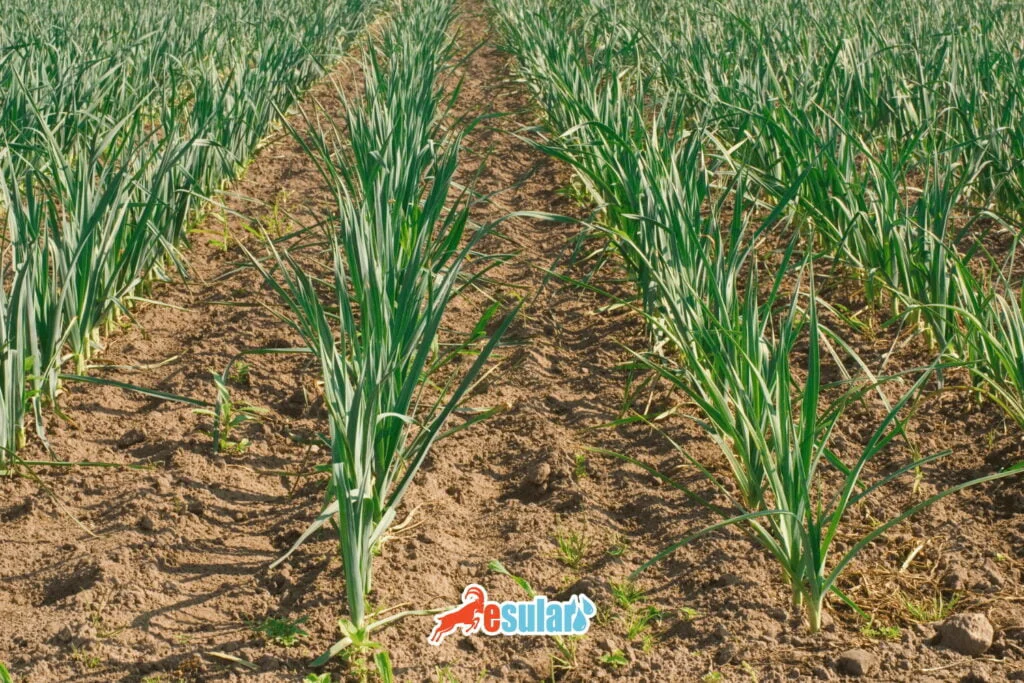
Leek is known as a cool-season vegetable. Extreme heat and drought are not suitable for leeks, and yield and quality may decrease in these conditions. The optimum development temperature is generally between 15-20 °C. Depending on winter or summer leek varieties, winter varieties can withstand down to -18 °C. As a long-day plant, the leek prefers long day durations.
Soil Requirement
Leeks are not selective about soil, but they give the best results in loamy-clay soils. Leeks grown in soils rich in organic nutrients can be more successful. Nitrogen is the most important nutrient element for leeks; therefore, attention should be paid to the use of nitrogenous fertilizers. The most suitable soil pH values are between 6.0-6.5.
Soil Preparation, Sowing, and Planting
Leek is a biennial vegetable and is produced for the purpose of obtaining seeds. In the first year, the plant remains vegetative; in the second year, it forms flowers and seeds. Leeks are generally produced with seeds and there are two different production methods. Soil preparation is important; seeds usually germinate in 12-15 days and the germination temperature should be between 10-35 °C. Growing in soils with high water-holding capacity can increase yield and quality.
How is Leek Cultivation Done?
Production with Direct Seed Sowing
Leeks can be produced by direct seed sowing, but it is generally preferred to grow seedlings in seedbeds first and then plant these seedlings in their permanent places. Plants begin to appear above the soil 10-15 days after sowing. After germination is complete, thinning is done in crowded areas and plants are left with a 12-15 cm spacing on the row. For direct seed sowing on 1 decare of land, 200-300 g of seed is used.
Production with Seedlings:
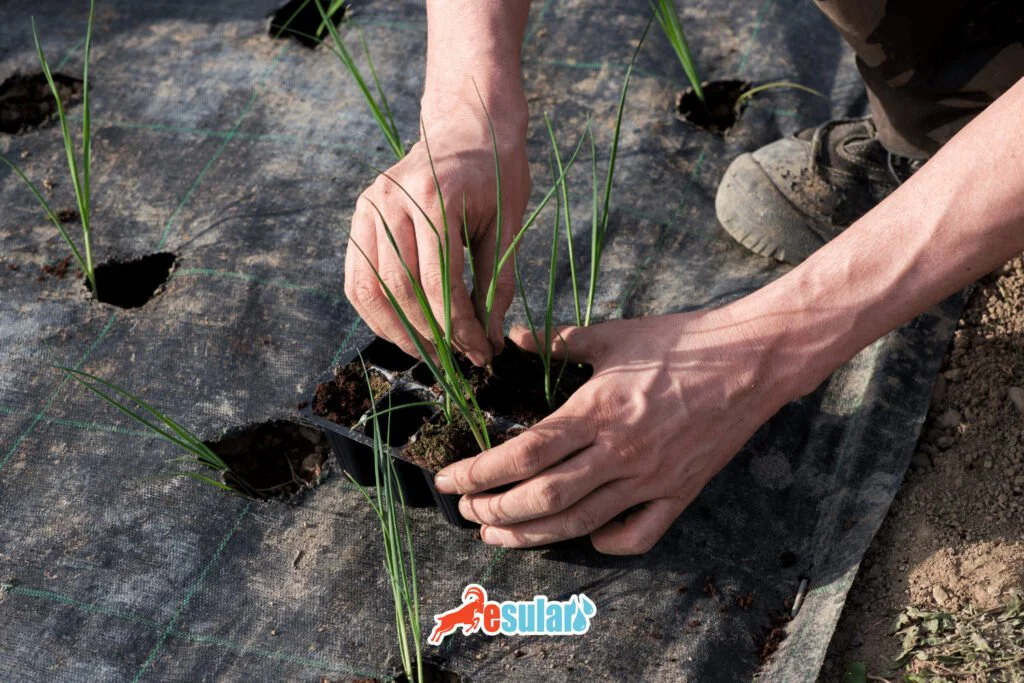
For production with seedlings, first, seedlings ready for planting must be grown on time. Seeds are sown in seedbeds 50-70 days before the planting date. The area where leek seedlings will be grown is fertilized with decomposed farm manure 1-2 months before sowing. Sowing is done by broadcasting on the seedbeds. The seeds to be sown are divided into two or three parts crosswise and lengthwise and sown in the seedbed. After sowing, the seedbeds are shaded with brushwood. If the planting intervals are 30x12 cm, approximately 28-30 thousand seedlings are required per decare.
During the seedling development periods, homogeneous development of the seedlings is ensured by regular weeding and light thinning in crowded areas at an early stage. These methods refer to an agricultural practice that can be carried out depending on seed sowing or the use of seedlings for leek cultivation.
Pest Control in Leek Cultivation
Pest control in leek cultivation is of critical importance for maintaining the healthy development and yield of the plants. After sowing, especially in cultivation done with seeds, care should be taken for weed control. After fertilization, furrows are opened at a depth of 20-25 cm and with 30-40 cm intervals, and planting is carried out by providing water. Cutting 1/3 of the leaves and the long roots during the preparation stage of the seedlings supports the homogeneous growth of the seedlings. Regarding planting techniques, attention should be paid to depth and on-row distance settings. Additionally, the use of chemical pesticides can be minimized by preferring organic control methods. The health of the plants should be monitored with regular checks, and pests should be detected early to apply control strategies. This integrated approach brings both efficient production and environment-friendly agricultural practices.
Leek Maintenance Operations
Leek maintenance is important to ensure that seedlings take root and show healthy development after planting. In this process, a careful hoeing operation is applied once after planting. This hoeing operation is carried out to clear the weeds on the soil and allow the plants to develop easily. For planting in an area of 1 decare, a labor force of 4-5 daily workers may be required, and for the hoeing process, 5-7 daily workers may be required. At this stage, planting, hoeing, and harvesting labor usually constitute the most important cost elements in leek cultivation.
Half of the nitrogenous fertilizer applied after the hoeing operation is given between the rows (furrows) at two-week intervals in a way that does not touch the plants. This is done to meet the nutritional needs of the plants and ensure they continue their healthy growth. Plants should be supported with a regular irrigation program until they reach harvest size. Irrigation is important in terms of meeting the water needs of the plants and ensuring they grow efficiently. These maintenance operations should be applied carefully to increase the quality and yield of leek production.
When Should Leeks Be Harvested?
The leek harvest process varies depending on the development period of the plant and the preferences of the grower. Generally, the harvest time for leeks coincides with the period when they reach a developed size and weight. To obtain a normal yield, the period when leeks reach a weight of 120-150 grams or more is usually awaited for them to be harvested.
Harvest time may vary depending on factors such as market demand and prices, and the growth rate of the plant. Especially if high demand and prices have occurred in the market, leeks can be harvested at earlier periods.
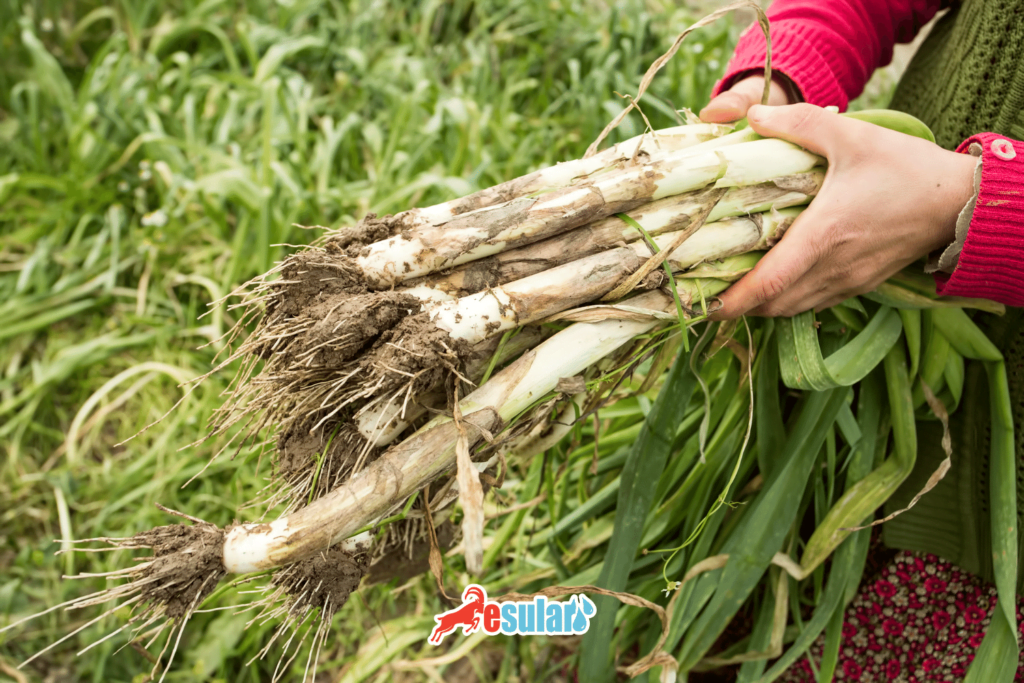
The harvest operation is usually done by hand or using tools such as a harvesting plow. Harvested leeks are cleaned of their soil immediately after being removed from the field, and their roots are cleaned so as not to exceed 1 cm in length. At the same time, the last leaf on the axis is also removed. By trimming 1/3 of the leaf blades, they are made into bundles and prepared for marketing. The leek harvest operation is carried out with care to ensure it is in demand in the market by preserving the freshness and quality of the plant.
Leek Yield
Leek yield varies depending on factors such as variety, growing conditions, and harvest time. Generally, leek yield can range between 3000 kg/da and 5000 kg/da. These values reflect a typical yield range that can be obtained with suitable growing conditions and proper care.
Yield depends on factors such as the good development of the plant, protection from diseases, support with appropriate irrigation and fertilization, control of weeds, and correct determination of harvest time. Additionally, yield may differ according to the leek variety grown.
Especially in summer varieties harvested late, leek yield may be higher. This situation can be observed because late harvest allows the plant to grow and gain weight for a longer period.
This yield range is a general guide and may vary depending on various factors such as local climate conditions, soil characteristics, and the agricultural methods applied by the grower.

Yorumlar