
Tüm Yazılar
How is Corn Cultivation Done?
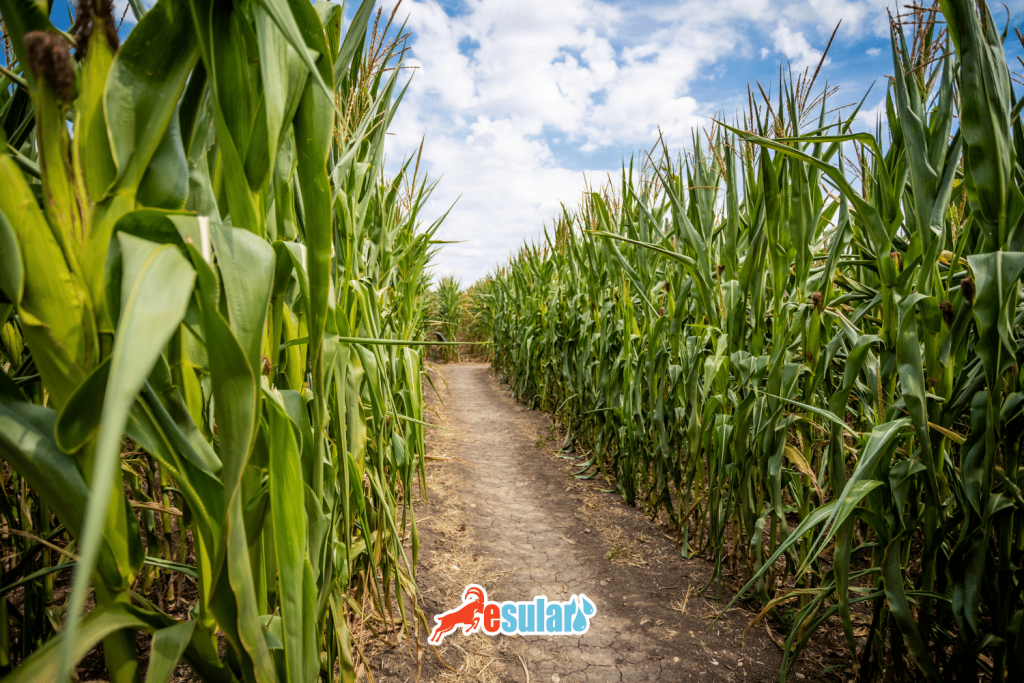
Corn cultivation forms an important part of agriculture and is carried out extensively worldwide. Since corn is a plant that prefers warm climates and loves moist soils, appropriate conditions must be provided for cultivation. The first step is usually soil preparation; the field where corn will be grown is plowed deep, the soil is processed appropriately, and fertilization is done if necessary. Then, corn seeds are prepared for planting and sown at determined intervals. After planting, maintenance operations such as regular irrigation and weed control are performed. The corn plant needs a sufficient amount of sunlight and water during its growth period, so irrigation and sunning should be provided regularly. When harvest time comes, corn cobs are collected by hand or with machines and processed appropriately to be offered to the market or stored. Corn cultivation is a productive agricultural practice that requires careful planning, maintenance, and management.
Corn Varieties
In the past, corn cultivation was carried out by sowing open-pollinated but low-yielding village varieties. However, with the development of hybrid varieties, village varieties have given way to hybrid varieties. Hybrid varieties can be single, double, triple, or quadruple crosses. However, today the most common ones are single-cross corn hybrid varieties. In variety selection, the suitability of the variety to the region and the suitability of the maturation days should be taken into account. Corn varieties used in agriculture are divided into 8 different groups by the FAO system according to their maturation days. These groups range between FAO-100 and FAO-800. For example, varieties in the FAO-100 group are very early, usually maturing in 70-75 days, while varieties in the FAO-800 group are very late, maturing in approximately 140 days. In variety selection, besides the maturation period, high productivity, and resistance to diseases and pests are also important. Preferring hybrid varieties and choosing the right variety are important steps for achieving successful results in corn cultivation.
How Should Climate and Soil Structure Be in Corn Cultivation?
Corn is a plant that generally grows in tropical, subtropical, and temperate climate zones, but can be successfully grown in many parts of the world except Antarctica. It develops in areas with altitudes up to 4000 meters above sea level that benefit abundantly from sunlight. Corn is a short-day plant and requires a certain temperature and day length for seeds to germinate and yield to be obtained. In terms of soil, the corn plant continues its development best in fertile, deep, well-drained, and well-aerated soils. Soils suitable for neutral pH levels (pH 6-7) are preferred in terms of acidity. The corn plant is not very selective about soil choice, but shows sensitivity to conditions such as high salinity and high groundwater. Therefore, it is generally not recommended to practice corn farming in such areas. Suitable climate and soil conditions for corn cultivation are important for obtaining a healthy product and increasing productivity.
Sowing in Corn Cultivation
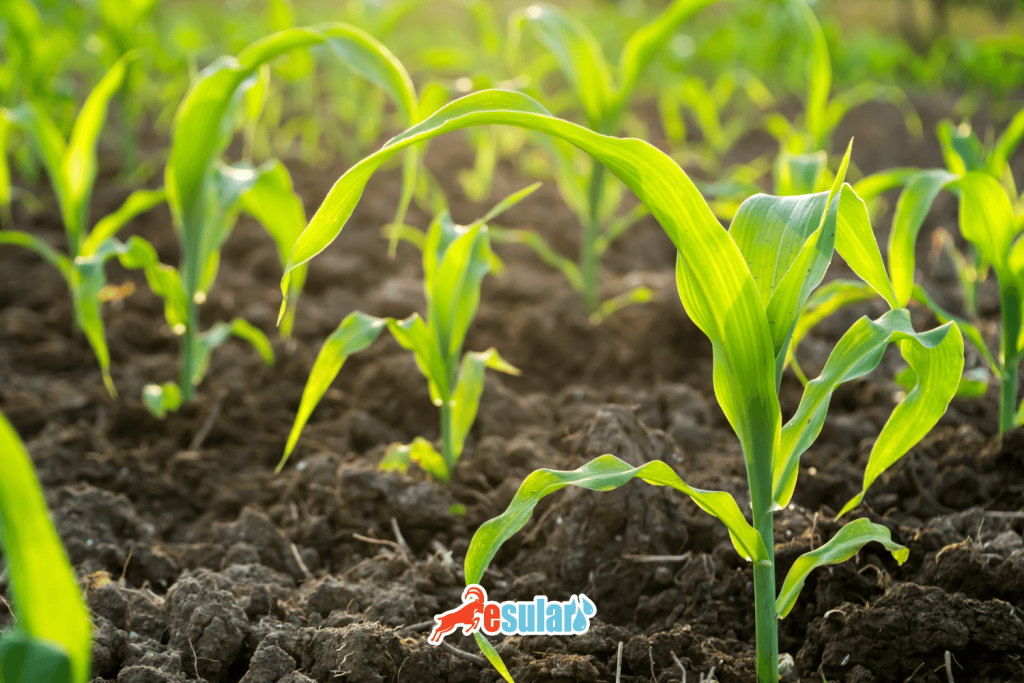
For corn sowing, the soil temperature must be at least 10-12°C. Sowing time should be determined according to the times when these temperatures are expected to be reached. If the soil temperature is below these values, problems may occur in germination. Ideal soil temperature for corn sowing can start after April 25th in Thrace, from the beginning of April in southern regions, and in late April or early May in Central Anatolia. When choosing the sowing time, it is safer to start sowing after the last frost date of the region. This is because early sowings cause young seedlings to remain under frost risk. Corn sowing should be completed at the latest by the first or second week of May. In sowings made after these dates, the pollination period may coincide with a hot and dry period, which can lead to a decrease in grain yield. Generally, a row spacing of 70 cm and an intra-row distance of 25 cm are preferred. For optimum grain yield, it is recommended to have 6,000-7,000 plants per decare. For silage sowing, sowing density can be increased.
Irrigation in Corn Cultivation
Irrigation is very important in corn farming. Maintaining sufficient moisture levels in the soil, especially during the growth stages of the plant, is important for the healthy growth of the plant and for productive cob formation. In this process, four important periods stand out: the seedling period, the process before tassel formation, the silking period, and the grain maturation periods. The most critical period generally lasts from two weeks before tasseling until two weeks after silking. During this period, the corn plant faces an intense demand for water. Therefore, irrigation should be provided regularly during this period and soil moisture levels should be monitored.
Different methods can be used for irrigation. Irrigation performed by opening furrows between rows provides water directly to the root zones of the soil and ensures the effective use of water. Additionally, the drip irrigation method minimizes water loss by ensuring that water falls directly onto the plant roots and the soil surface, allowing water to be used more efficiently by the plant. The irrigation program should be determined based on the climate conditions of the region, soil structure, and the needs of the plant. Correct and timely irrigation in corn farming is of great importance for plant health and productivity.
Smart Irrigation Systems in Corn Cultivation
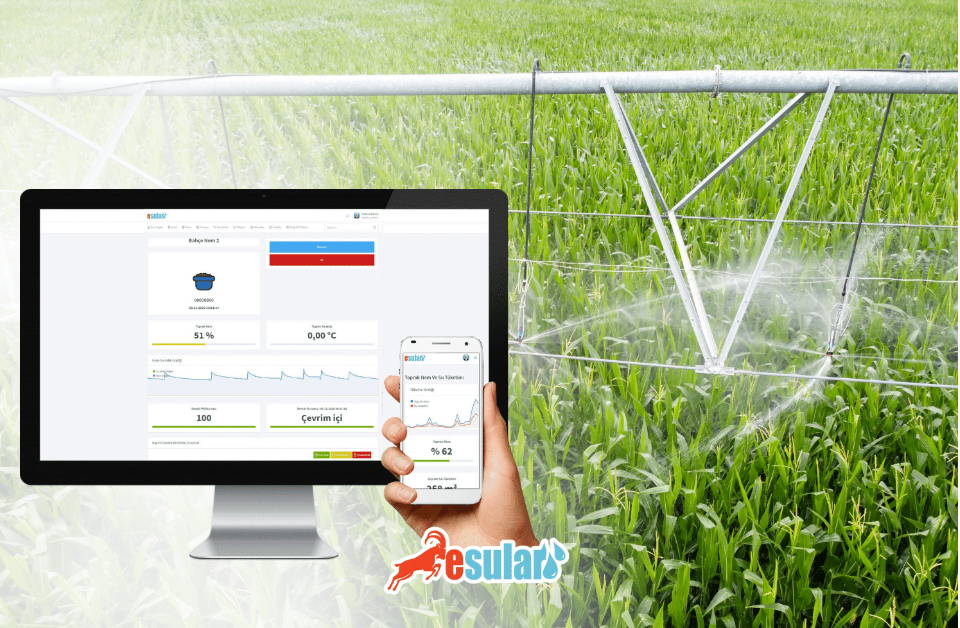
Other irrigation methods are systems that distribute water quite inefficiently and relatively irregularly. This situation becomes more evident as the soil type varies. Therefore, it makes it difficult for you to reach quality and high yields. Smart irrigation systems deliver water and nutrients homogeneously to the root zone of each plant according to the growth stage of the plant. Additionally, you can remotely monitor and manage your irrigation system and the status of your land wherever you are. Thanks to the sensors you will add to the system, you can obtain maximum yield with minimum labor costs. To get more information about smart irrigation systems, you can contact us and benefit from https://esular.com/esular-akilli-sulama-cozumu-nedir our articles on the site.
Fertilization in Corn Cultivation
The corn plant requires more nutrients because it produces more vegetative parts compared to other plants. For healthy production, it is important that the soil contains these elements in sufficient quantities. Since the corn plant has a thick stalk, it consumes a large amount of the potassium element. However, since soils in Turkey are generally rich in potassium, there is no need for extra potassium. Generally, an application of approximately 18-25 kg of pure nitrogen and 8-10 kg of phosphorus per decare is required. Before sowing, half of the nitrogen and all of the phosphorus should be mixed into the soil. The remaining nitrogen should be applied by sprinkling between the rows when the plants reach a height of about 40-50 cm, that is, when they reach knee height. Nitrogen fertilizer should never be applied by the top-dressing method. This application can cause nitrogen accumulation by damaging plant development.
Diseases and Pests Seen in Corn Cultivation
The corn plant is threatened by various diseases and pests such as fungi, bacteria, viruses, and nematodes throughout its growth process. In general, the most common diseases include rots in roots, stalks, cobs, and grains, leaf blights, and Smut infection. In addition, pests such as aphids, red spider mites, corn earworms, beet armyworms, European corn borers, and corn stalk borers can cause significant problems. In the fight against diseases and pests, the selection of resistant varieties should be a priority. Otherwise, cultural measures such as crop rotation should be applied. Additionally, seed treatment should be done before sowing, and plant residues remaining in the field after harvest should be cleaned. However, in cases where all these measures cannot cope with diseases and pests, chemical control may be required. Fungicides can be used for fungal diseases and insecticides for pests.
Corn Harvest
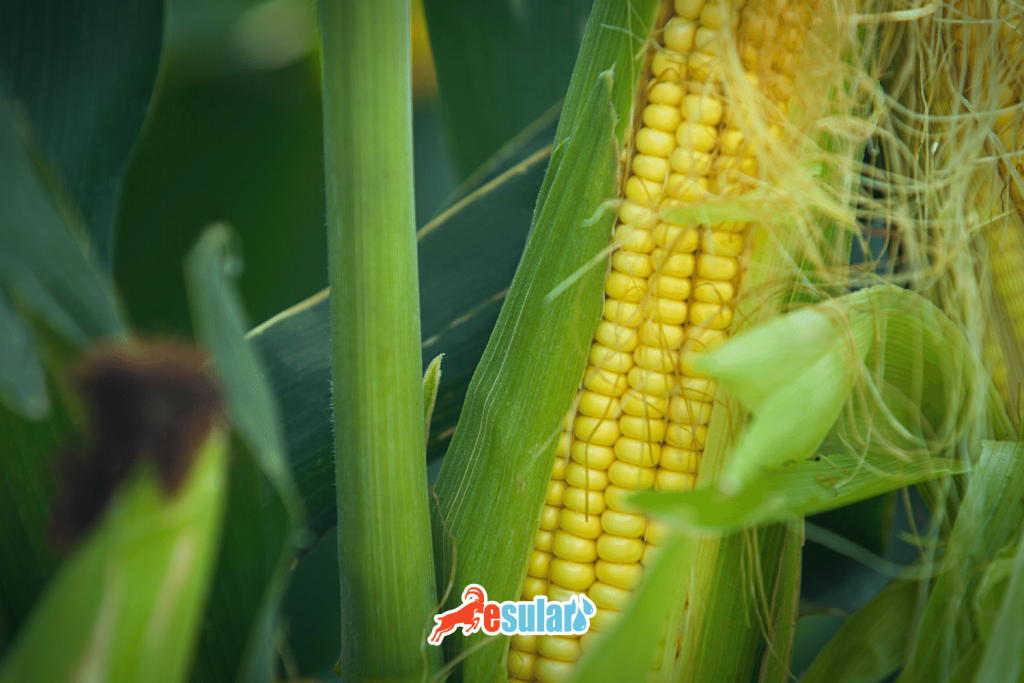
The maturation status of corn is understood by looking for the presence of the black spot at the tip of the cob. If there is a black spot in at least 3 out of every 4 grains randomly taken from the middle part of the cob, it means the maturation of the corn is complete. Corn harvest is generally done with combine harvesters. However, the suitable moisture content for machine harvesting is usually between 20-25%. Very dry cobs can cause grain breakage during harvest. If the moisture content is high at harvest time, losses may occur and the product may need to be dried. Therefore, if possible, harvest can be delayed to allow the cobs to dry in the field.
Corn Storage
If the product is moist after harvest, it should be dried. Machines are generally used for the drying process. For storage, the product should be dried to a 15% moisture content. For long-term storage, the moisture content should be reduced to 13-14%. During the drying process for seed purposes, it is important that the temperature does not exceed 36°C to prevent damage to the embryo in the grain. If silage is to be made, the cobs should be chopped with a silage machine when they are between the milk stage and the dough stage.
Yorumlar