
Tüm Yazılar

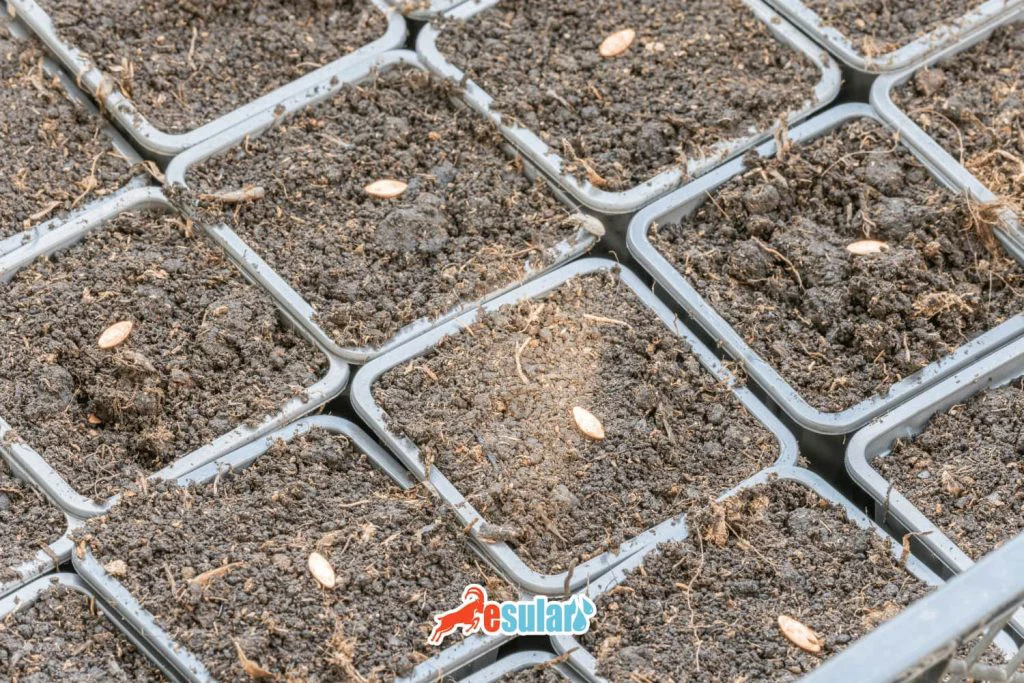
What is Seed Breeding?
Seed breeding is a field of science and application that aims to increase efficiency and quality in agricultural production by developing the genetic characteristics of plants. Humanity has developed agriculture by selecting and crossing plants for thousands of years, but modern seed breeding has made this process more effective with the help of science and technology. In this process, genetic diversity is examined, plants with desired characteristics are identified, and plant crossings are performed to bring these characteristics together. Breeding studies are generally carried out in agricultural lands, research institutes, and private companies. Breeders determine the characteristics that will increase productivity and quality by examining the genetic structure of plant species and increasing resistance to diseases, pests, and environmental stresses. In this process, modern biotechnology tools are used alongside traditional methods. Technologies such as molecular markers and genetic engineering allow for the faster and more precise selection of desired genetic characteristics.
Why is Seed Breeding Done?
Seed breeding ensures the development of healthier, more productive plants that are compatible with environmental conditions by improving the genetic characteristics of plant varieties, which are the backbone of agricultural production. This important process is carried out for various purposes. Primarily, growing plants resistant to diseases and pests increases agricultural productivity and ensures food security by reducing crop losses. Creating varieties compatible with climate changes provides farmers with products more resilient to changing weather conditions. Additionally, developing plants with high nutritional value facilitates people's access to healthier foods. Seed breeding, which is also commercially important, provides economic benefits to farmers by producing high-yielding and durable plants suitable for market demands. For these reasons, while seed breeding increases the efficiency of agricultural production, it also plays an important role in fundamental issues such as food security and sustainability.
How is Seed Breeding Done?
This process primarily begins with the evaluation of genetic resources. Breeders evaluate existing plant genetic resources by examining genetic diversity to identify plant species with desired characteristics. Then, they try to obtain plants with desired characteristics by crossing various plant populations. In this crossing process, natural crossing of plants can be encouraged, as well as artificial crossing in a laboratory environment. Then, genetic selection is performed among the resulting plants. The use of molecular technologies is also common in modern seed breeding; these technologies allow for the faster and more precise identification of plants with desired genetic characteristics. Seed breeding is a continuous improvement process; the identification of new characteristics, the development of better crossing methods, and the adoption of new genetic technologies continue constantly. In this way, seed breeding increases the efficiency of agricultural production and ensures people's access to healthier, more productive, and environmentally compatible foods.
What are Seed Breeding Methods?
Seed breeding is a process in which various methods are used for the development and improvement of plant varieties. These methods are generally used to manipulate plant genetics, select plants with desired characteristics, and create new varieties with various breeding techniques. Here are some commonly used methods in seed breeding:
Single seed descent methods: In this method, plants with desired characteristics are obtained through breeding studies conducted on a single plant. This is used especially in cases that require genetic analysis for the plant to have the desired characteristics.
Biotechnological methods: Biotechnological methods enable changing the genetic structure of plants and obtaining desired characteristics using genetic engineering techniques.
Selection with cytological methods: Cytological methods enable selecting plants with desired characteristics by examining the cellular structure of plants.
Mutation breeding methods: Mutation breeding enables creating random gene mutations in plants using radiation or chemicals and selecting plants with desired characteristics.
These methods represent only a few of the various techniques used in seed breeding. Each method has its advantages and disadvantages, and the method to be used is determined depending on the plant species to be bred, the targeted characteristics, and available resources.

Yorumlar