
What is Phosphorus Fertilizer? Critical Nutrient for Plant Development
Phosphorus fertilizer is a nutrient source of critical importance for efficient production in agriculture. Phosphorus fertilizer is indispensable for the root development, flowering, and fruit formation of plants. In this comprehensive guide, you will find answers to questions such as what is phosphorus fertilizer, when is it applied, what are its types, and how is it used.
What is Phosphorus Fertilizer? Detailed Explanation
Phosphorus fertilizer is a type of fertilizer containing the element phosphorus, which is of vital importance for plants. Phosphorus fertilizer is indispensable for the energy metabolism, root development, flowering, and fruit formation of plants. Indicated by the letter "P" in NPK fertilizer formulas, phosphorus fertilizer is a part of the plant's DNA structure and plays a critical role in cell division.

What Does Phosphorus Do in Plants?
The element phosphorus performs many vital functions in plants:
Root Development: Phosphorus supports the formation of a strong and healthy root system. Especially during the seedling stage, adequate phosphorus intake lays the foundation for the healthy development of the plant throughout its life. A strong root system allows the plant to easily take up nutrients from the soil.
Energy Transfer: It is found in the structure of the ATP (adenosine triphosphate) molecule and enables the plant's energy storage and usage. It is essential for cell division and the formation of new cells.
Flower and Fruit Formation: Phosphorus requirement increases during the generative development period. Adequate phosphorus intake supports abundant flowering and quality fruit formation. It transitions plants from the vegetative stage to the flowering stage.
Seed Formation: It is very important for seed formation, and seeds are one of the places where phosphorus is stored. It is effective in seed germination.
Resistance to Diseases: Phosphorus increases the resistance of plants against stress and diseases. It reduces the likelihood of diseases such as stalk blight, pink rot, early blight, and purple blotch.
Early Maturation: Phosphorus application enables plants to mature earlier and shortens the harvest period. It accelerates the ripening process of fruits.
Fruit Quality: It positively affects fruit quality. It increases fruit yield and improves product quality.
Phosphorus Fertilizer Deficiency Symptoms: 9 Important Signs
When there is a phosphorus fertilizer deficiency in the soil, plants show these symptoms:
- Leaves turning from dark green to purple or violet color (anthocyanin accumulation)
- Stunted and weak plant development
- Delayed flowering and fruit setting
- Slowing of root development and weakening of roots
- Dark green color first, then blue-green color in old leaves
- Low yield and quality
- Small and misshapen fruit formation
- Decrease in seed count and developmental disorders
- Shortening, thinning, and thread-like development in shoots
Phosphorus deficiency becomes more evident especially in cold weather, in acidic or alkaline soils, and in phosphorus-fixing soil conditions. In cold weather, root formation slows down, and deficiency symptoms are seen more due to the inability of the roots to establish the necessary contact with phosphorus in the soil.
Types of Phosphorus Fertilizers
There are phosphorus fertilizers in different formulations on the market:
Those Used as Base Fertilizer:
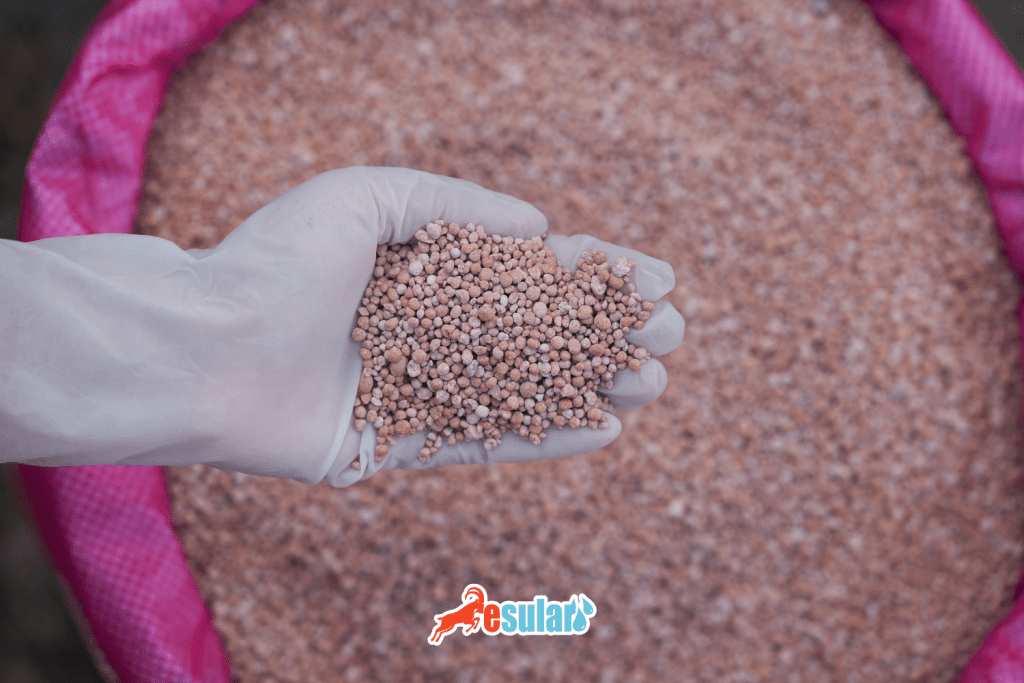
- DAP (Diammonium Phosphate): Contains 18% nitrogen, 46% phosphorus. Ideal for both nitrogen and phosphorus requirements. It is completely water-soluble.
- MAP (Monoammonium Phosphate): Contains 11% nitrogen, 52% phosphorus. Preferred for its higher phosphorus ratio.
- Superphosphate (TSP): Contains 15-20% phosphorus and calcium. It is a traditional phosphorus source.
- Triple Superphosphate: Contains 44-48% phosphorus. It is a concentrated phosphorus source. It can be easily taken up by plants.
Liquid Fertilizers:
Liquid phosphorus fertilizers are preferred in modern greenhouse and precision agriculture applications. These fertilizers, which can be given through drip irrigation systems, are quickly taken up by the plant and can be easily applied with fertigation systems. Being in liquid form provides an advantage for the plant because it penetrates the soil as easily as water and acts faster.
What is Base Fertilizer and When is it Applied?
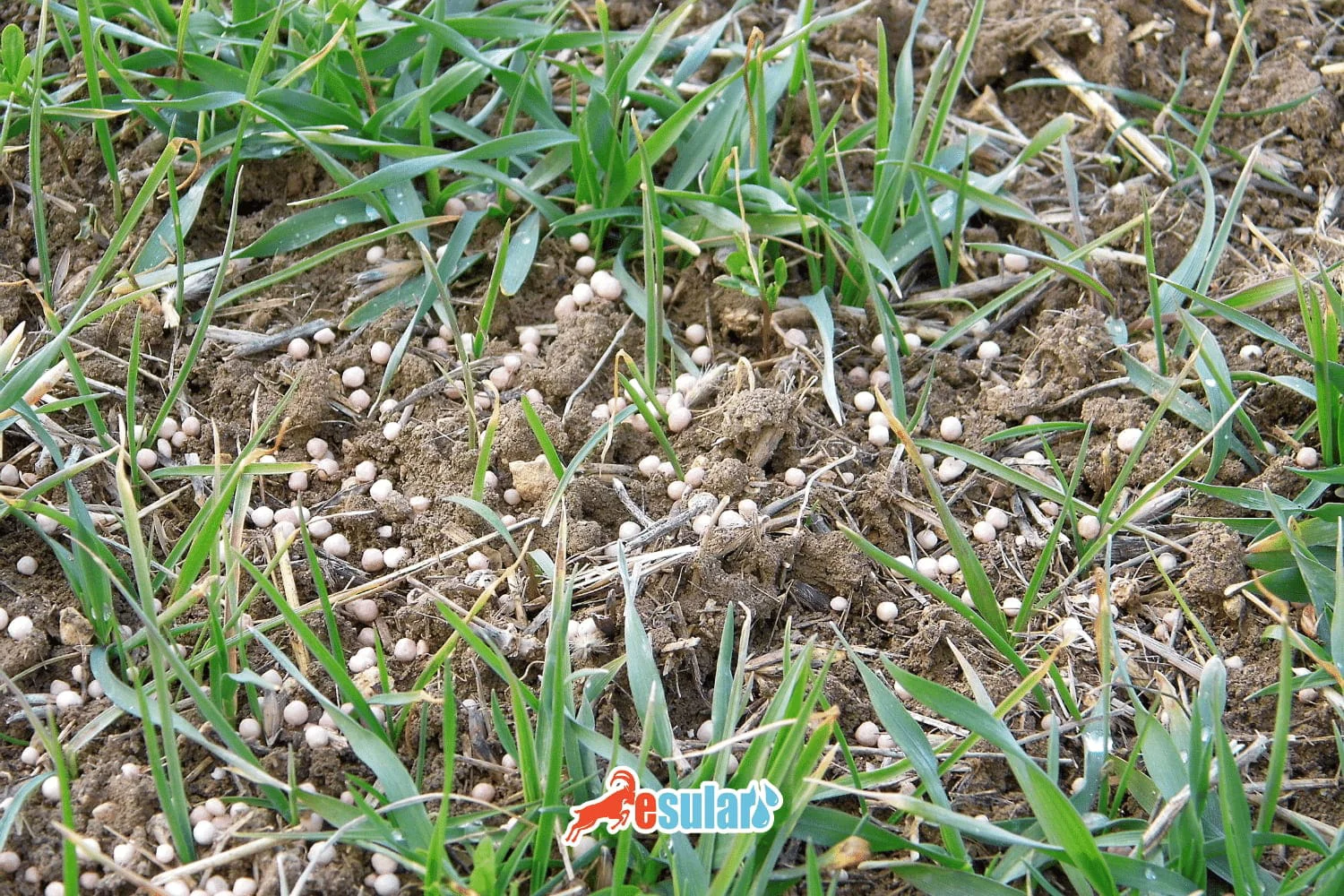
Base fertilizer is the fertilization process applied to the soil before sowing or planting. The application of base fertilizer containing phosphorus ensures that plants find the nutrients they need during the first development period ready.
Base Fertilizer Application Timing:
- Before sowing in autumn sowings
- During soil preparation in spring sowings
- 1-2 weeks before if planting is to be done
- During the period when the soil temperature rises above 10°C
In base fertilizer application, phosphorus should be given to the deep layers of the soil because phosphorus is an immobile element in the soil. It is recommended to mix it to a depth of 15-20 cm during soil cultivation. Phosphorus fertilizers should be placed in the soil at a depth where plant roots can access them immediately.
For more detailed information on base fertilizer, you can review our base fertilizer guide.
Phosphorus Fertilizer Application Periods
Phosphorus fertilizer is applied in different ways during different periods:
Seedling Period: It is critical for the strengthening of the root system in the first growth stage. According to soil analysis results, 40-60 kg/da of pure phosphorus is recommended. Phosphorus fertilizers are essential, especially for the healthy completion of the first development stage.
Vegetative Development: Balanced NPK formulations are used during the rapid growth period of the plant.
Generative Development: Phosphorus requirement increases during the flowering and fruit formation period. During this period, supplementation can be made through foliar application or drip irrigation. Phosphorus must be given before flowering.
Important Note: Phosphorus should not be given after the crop has grown. It should be applied by burying it deep in the soil before or during sowing.
Phosphorus Application with Modern Fertilization Technology
In today's precision agriculture applications, fertilization processes can now be done much more efficiently and in a controlled manner. The Esular brand helps you optimize the phosphorus and other nutrient requirements of your plants with automatic fertilization systems.
Automatic Liquid Fertilization System – Smart Agro Series
Esular Automatic Fertilization System Features:
- Proportional control of 4 different fertilizer tanks
- Precision fertilization capacity up to 4000 liters per hour
- Automatic adjustment by continuously measuring pH and EC values
- Remote monitoring with wireless connection (GSM, WiFi, LoRaWAN)
- Full integration with smart irrigation systems
- Providing up to 25% fertilizer savings
- Yield increase up to 40%
Thanks to this system, you can optimize your phosphorus fertilizer applications at exactly the right time, in exactly the right amount, and according to the development stage of your plants. You can achieve professional results in greenhouse, field, and garden applications.
Soil Analysis and Determination of Phosphorus Requirement
Soil analysis is essential for correct fertilization. Phosphorus levels are measured in soil as ppm (parts per million):
- Very Low: 0-5 ppm
- Low: 5-15 ppm
- Medium: 15-30 ppm
- High: 30-50 ppm
- Very High: 50+ ppm
Applying phosphorus according to soil analysis results prevents unnecessary fertilizer use and reduces costs. Before phosphorus fertilizers are given, the phosphorus level of the soil should be determined with soil analyses.
Smart Monitoring with Wireless Soil pH-EC-Temperature-NPK Sensor
Thanks to modern agricultural technologies, you can monitor soil nutrient elements instantly. The Esular Wireless Soil Sensor provides you with real-time data by wirelessly measuring phosphorus (P), nitrogen (N), and potassium (K) levels in the soil.
This way:
- You detect phosphorus deficiency early
- You prevent unnecessary fertilizer use
- You optimize fertilization timing
- You continuously monitor soil health
Tips for Using Phosphorus Fertilizer
Soil pH: The ideal soil pH for phosphorus uptake is between 6.0-7.5. In very acidic or alkaline soils, phosphorus fixation increases, and uptake by the plant becomes difficult.
Organic Matter: The amount of organic matter in the soil facilitates phosphorus uptake. Phosphorus application together with compost or farmyard manure gives efficient results.
Water Management: Adequate soil moisture is required for phosphorus uptake. In dry soils, phosphorus cannot reach the plant. Care should be taken to ensure that soil moisture is at an adequate level.
Magnesium Relationship: There is a directly proportional relationship between phosphorus and magnesium. If phosphorus is high, magnesium uptake also increases, and the increase in magnesium also increases phosphorus uptake.
Dosage: Excessive phosphorus application can prevent the uptake of zinc (Zn), iron (Fe), and copper (Cu). Dosage should be considered in balanced fertilization. Phosphorus increases fruit yield, but yield decreases in excessive phosphorus fertilization.
Temperature: Low temperatures reduce the development of crops and the permeability of roots. Suitable weather conditions should be chosen to reduce the effect of low and high temperatures in the application of phosphorus fertilizers.
Phosphorus Application During the Dormancy Period
The dormancy (winter sleep) period in fruit trees is the resting process of plants. Correct fertilization during this period ensures a strong awakening in the spring months.

Phosphorus fertilizer applied in the autumn months before dormancy helps trees prepare for winter and wake up early in the spring. Especially to create a phosphorus reserve in fruit trees, it is recommended to apply it as a base fertilizer 4-6 weeks before dormancy.
In fruit trees, phosphorus is preferred after harvest and during the leaf fall periods. You can review our blog content for detailed information on what is dormancy in plants.
Phosphorus Requirement in Different Plants
The phosphorus requirement of each plant species is different:
Vegetables: Fruit-bearing vegetables such as tomatoes, peppers, and eggplants require high phosphorus. It should be applied before planting, during flowering, and at the start of fruit ripening.
Cereals: Wheat and barley show a moderate phosphorus requirement. It is recommended to be given before or during sowing.
Fruit Trees: Phosphorus requirement increases during the pre-flowering and post-flowering periods. Phosphorus application should be done before flowering.
Legumes: Legume plants such as chickpeas and lentils should prefer fertilizers rich in phosphorus compared to other plants.
Root Crops: Root crops suffer the most from phosphorus deficiency. Fertilizers containing high phosphorus and potassium should be preferred.
Greenhouse Farming: In vegetables grown in greenhouses such as cucumbers and tomatoes, continuous phosphorus support is given through fertigation.
Phosphorus Application with Fertigation
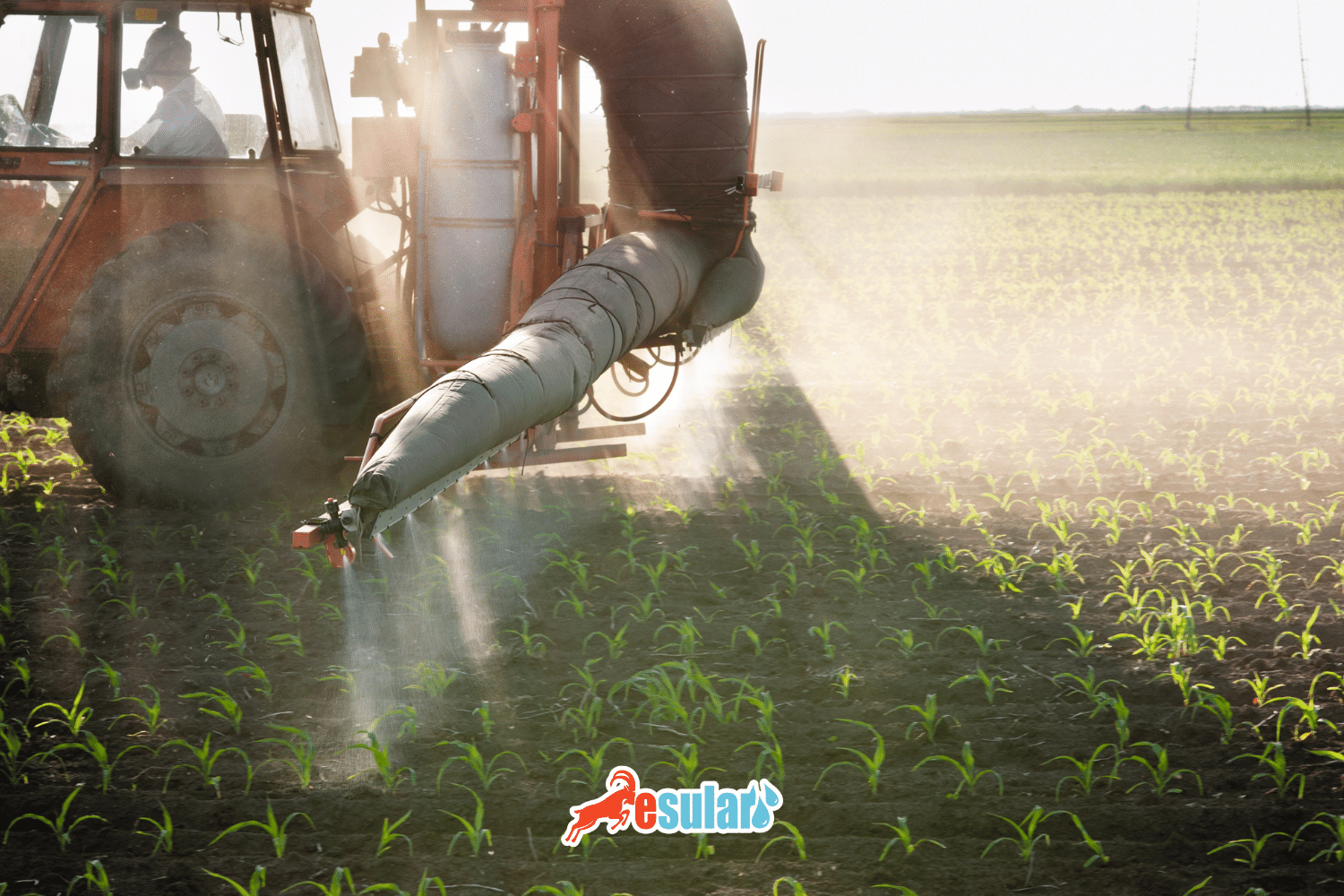
The fertigation (fertilized irrigation) method is becoming increasingly common in modern greenhouse and precision agriculture applications. In this method, liquid phosphorus fertilizers are delivered to the plant roots along with irrigation water.
Fertigation Advantages:
- The element phosphorus reaches the root zone directly
- Fertilizer usage efficiency increases by 30-40%
- Provides labor and time savings
- Dosage can be adjusted according to the plant's development period
- Soil fixation is minimized
Esular's automatic fertilization systems work fully automatically with pH and EC control in fertigation applications. Automatic fertilization takes place at the times you determine, in line with the formulations you load into the system.
Fertilization Optimization with Smart Agriculture Technologies
Today, Agriculture 4.0 technologies are making fertilization processes much more efficient. Thanks to sensor technologies, automation systems, and mobile applications:
- You can monitor soil nutrient levels instantly
- You can perform remote irrigation and fertilization
- You can plan for the next period by analyzing past data
- You can make specific dosage adjustments for each plot
- You can save water and fertilizer
With Esular smart irrigation systems, you can manage your field, greenhouse, or garden digitally and control all your operations via the mobile application.
Wireless Smart Valve Control Unit
The Esular Wireless Valve Control Unit is ideal for keeping your fertilization systems under your full control. This completely wireless system, powered by solar energy, allows you to control your solenoid valves remotely.
Phosphorus Fertilizer Calculation
To perform the calculation of phosphorus fertilizers, soil analysis results are needed. In this way, the amount of pure phosphorus required by the soil is revealed. The obtained pure amount is multiplied by the values of the type of phosphorus fertilizer to be used, and the phosphorus fertilization application to be applied per decare is performed:
- Triple Superphosphate (TSP): Amount of pure phosphorus x 2.3
- Diammonium Phosphate (DAP): Amount of pure phosphorus x 2.2
- MAP Fertilizer: Amount of pure phosphorus x 2.0
Example: If 5 kg of pure phosphorus per decare is required according to the soil analysis result and DAP fertilizer is to be used: 5 x 2.2 = 11 kg/da of DAP fertilizer should be applied.
Conclusion and Recommendations
Phosphorus fertilizer is an indispensable nutrient element for productive and high-quality agricultural production. Phosphorus fertilization applied at the right time, in the right amount, and with the right method:
- Strengthens root development
- Supports flowering and fruit formation
- Increases resistance to diseases
- Can increase yield by 20-40%
- Raises product quality
- Enables early maturation
- Supports seed formation
Thanks to modern agricultural technologies, fertilization processes can now be done much more efficiently, economically, and in an environmentally friendly way. The automatic fertilization systems and smart sensor technologies offered by Esular ensure the optimum application of phosphorus and other nutrient elements.
For a successful fertilization program:
- Be sure to have a soil analysis done
- Fertilize according to the plant's development stage
- Check pH and EC values
- Take advantage of modern technologies
- Use balanced NPK formulations
- Apply phosphorus fertilization before flowering
- Keep soil moisture at an adequate level
Contact and Support
To get detailed information about phosphorus fertilization and automatic fertilization systems:
Esular Technology
🌐 www.esular.com
🛒 Examine Our Products
📱 You can manage your entire system remotely by downloading our mobile application
Important Note: The information provided in this article is current as of the publication date (October 2025). For current prices and campaigns, please visit our store or contact us.


Yorumlar