
What is Liquid Fertilizer? The Key to Productivity and Profitability in Modern Agriculture
One of the most effective ways to increase productivity and protect plant health in modern agricultural practices is liquid fertilization systems. The key to success in agricultural production is to provide the nutrients plants need at exactly the right time and in the right amount. Liquid fertilizers are modern fertilization solutions that meet this critical need and can be applied through both roots and leaves.
Compared to traditional solid fertilizers, they are widely preferred in the agricultural sector today because they provide much faster absorption and are easy to apply. Especially when used in conjunction with drip irrigation systems, liquid fertilizers ensure maximum yield and directly increase the profitability of agricultural enterprises.
Definition and Characteristics of Liquid Fertilizer
Liquid fertilizer is a type of fertilizer dissolved in water that contains macro-nutrients such as nitrogen, phosphorus, and potassium, as well as micro-nutrients such as iron, zinc, and manganese. These fertilizers can be obtained from organic or inorganic sources and can be produced with special formulations according to the development stages of the plants.
These fertilizers produced in liquid form significantly increase product quality and yield by rapidly providing the nutrients plants need during critical periods such as growth, flowering, and fruiting. Especially in regions where soil problems occur or in emergency nutrient deficiencies, their ability to show immediate effect when applied to the leaves makes liquid fertilizers indispensable.
One of the most important features of liquid fertilizers is the organic components they contain, such as humic and fulvic acids. Humic acid improves the structure of the soil, providing aeration and making it possible for the nutrients in the soil to be taken up more easily by plants. Fulvic acid, on the other hand, maximizes absorption by facilitating the direct reach of nutrients to plant cells.
What Does Liquid Fertilizer Do?
The role of liquid fertilizers in agricultural production is quite broad and fulfills many important functions:
Instantly Eliminates Nutrient Deficiencies: It quickly provides nutrients that are not present in the soil or cannot be taken up by the plant. Especially in acute deficiency symptoms such as leaf yellowing and growth retardation, visible improvement can be achieved within 24-48 hours with foliar application.
Accelerates Plant Development: Because it is in liquid form, it is absorbed much faster by the plant. In this way, it is ensured that plants receive the nutrients they need instantly during critical periods such as growth, root formation, flowering, and fruit set.
Provides Increase in Yield and Quality: When used regularly and at the right dose, significant increases in product yield can be achieved. In addition, quality parameters such as taste, color, size, and durability of the products are significantly improved.
Improves Soil Health: It regulates the pH balance in the soil, increases water holding capacity, and strengthens the soil's erosion resistance. It increases soil vitality by encouraging the activity of beneficial microorganisms in the soil.
Strengthens the Root System: Especially rooting liquid fertilizers accelerate the root development of plants, support the formation of fibrous roots, and increase the resistance of plants against stress conditions.
What are the Types of Liquid Fertilizer?
Liquid fertilizers are divided into different categories according to their contents and usage purposes:
Organic Liquid Fertilizers: These fertilizers, obtained from natural sources such as animal manure, plant waste, and seaweed, have completely organic content. Their greatest advantages are that they are environmentally friendly and protect soil health in the long run. They can be used as certified in organic farming.
Inorganic (Chemical) Liquid Fertilizers: These are fertilizers produced by synthetic means and containing high concentrations of nutrients. They are preferred for showing fast effects and targeted elimination of specific nutrient deficiencies.
Foliar Fertilizer: These are fertilizers specially formulated to be applied from the leaves and are rapidly absorbed through leaf tissues. It offers the ideal solution for acute nutrient deficiencies and situations where there are soil problems.
Rooting Liquid Fertilizer: These are fertilizers containing high rates of phosphorus and root hormones, specially prepared to support the root development of newly planted seedlings and cuttings.
How to Use Liquid Fertilizer?
Liquid fertilizer application can be done with different methods according to the plant type, development period, and systems used:
1. Fertilization with Drip Irrigation (Fertigation)
Fertigation, one of the most effective fertilization methods of modern agriculture, is the delivery of liquid fertilizer directly to the plant root zone via a drip irrigation system. In this method, liquid fertilizer is mixed into the irrigation water at certain rates and delivered equally to the root zone of each plant through the drip irrigation line.
Since the nutrients are directly in the root zone, absorption is at the maximum level. Fertilizer losses are reduced to a minimum level, and labor costs are significantly reduced. Significant fertilizer savings can be achieved especially in greenhouse vegetable growing, orchards, and industrial plant production with the fertigation method.
2. Foliar Application (Foliar Spray)
It is the method of spraying liquid fertilizer diluted in water onto plant leaves with the help of sprayers. It is recommended to apply in the early morning or late evening. Application should not be made during hours when sunlight is intense; otherwise, leaf burn may occur.
It is usually repeated every 10-15 days and can be applied at 7-day intervals in acute nutrient deficiencies. During application, care should be taken to wet the lower surface of the leaves as well.
3. Application with Sprinkler Irrigation
In areas with sprinkler irrigation systems, liquid fertilizer can be mixed with irrigation water and distributed homogeneously over the entire area. This method offers a practical solution in large-scale field farming.
What are the Advantages of Liquid Fertilizers?
Liquid fertilizers are preferred in modern agricultural applications for many important reasons:
Fast Absorption and Immediate Effect: Thanks to being in liquid form, it penetrates plant tissues much faster. While solid fertilizers take time to dissolve in the soil, liquid fertilizers are ready for use immediately. When applied to the leaves, effects begin to be seen within 24-48 hours.
Easy and Practical Application: It is much easier to apply than solid fertilizers. Especially when used integrated with drip irrigation systems, the fertilization process becomes automated and labor costs are minimized.
Homogeneous Distribution: When used with drip irrigation or sprinkler systems, an equal amount of fertilizer is delivered to all plants. In this way, homogeneity of nutrient distribution in the field is ensured, and it is guaranteed that every plant has the same development opportunity.
Precise Dosage Opportunity: Due to being in liquid form, very precise dosage adjustments can be made. Plants can be given exactly as much fertilizer as they need, and the risk of over or under-application is minimized.
Environmentally Friendly Use: Especially organic liquid fertilizers both protect soil health and do not harm the environment. When used at the right dosage, the risk of pollution in soil and groundwater is very low.
The Importance of Smart Liquid Fertilization Systems in Modern Agriculture
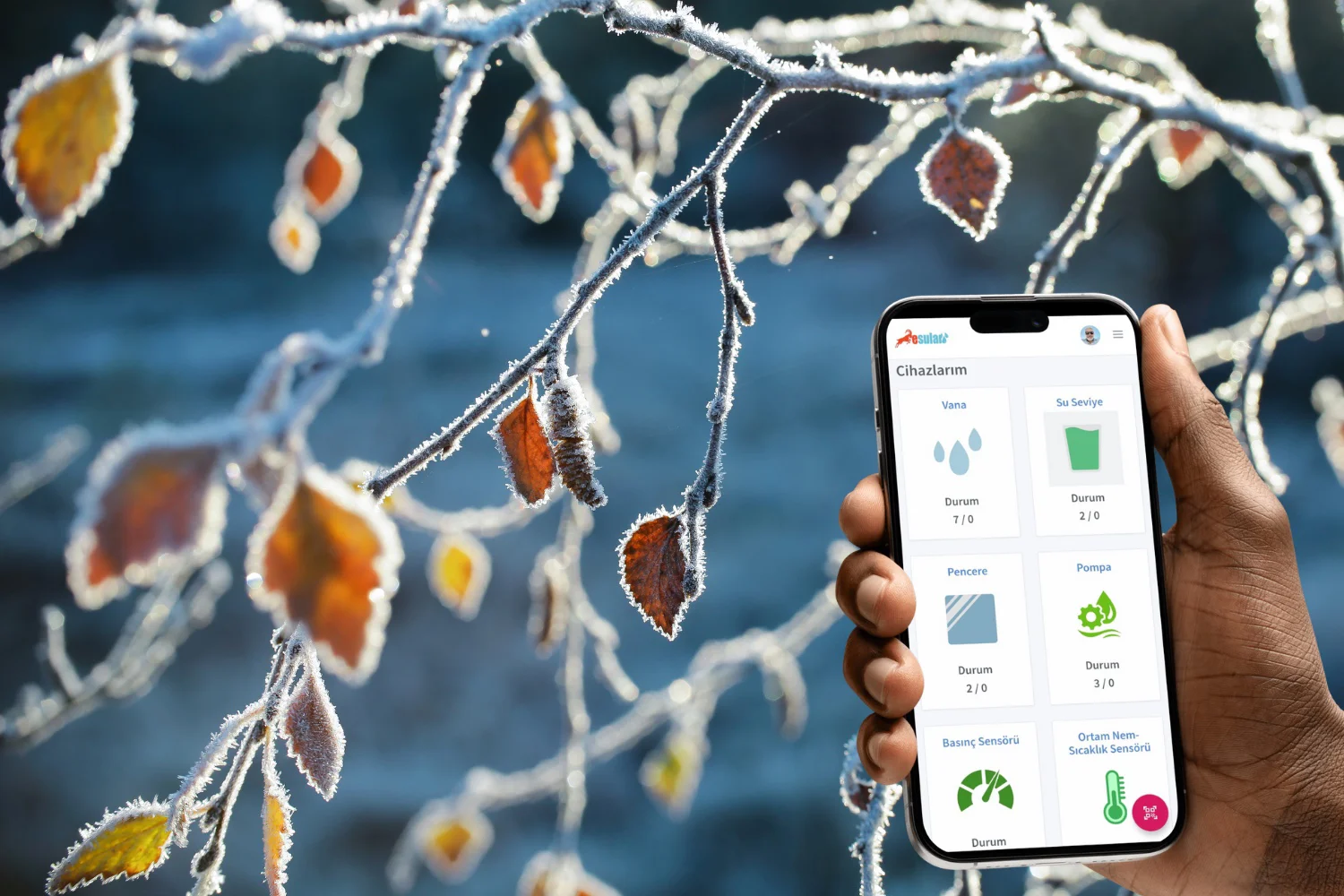
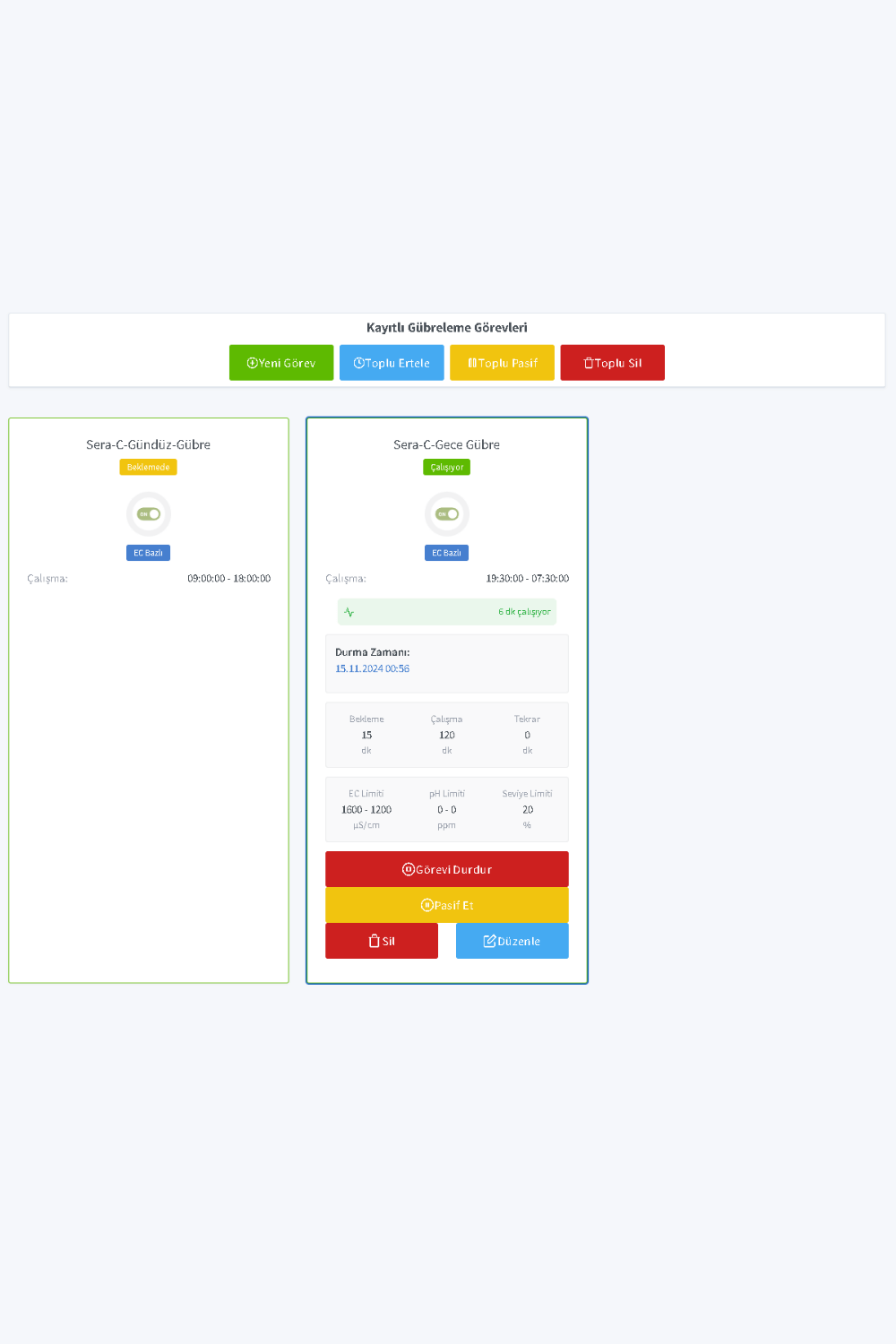
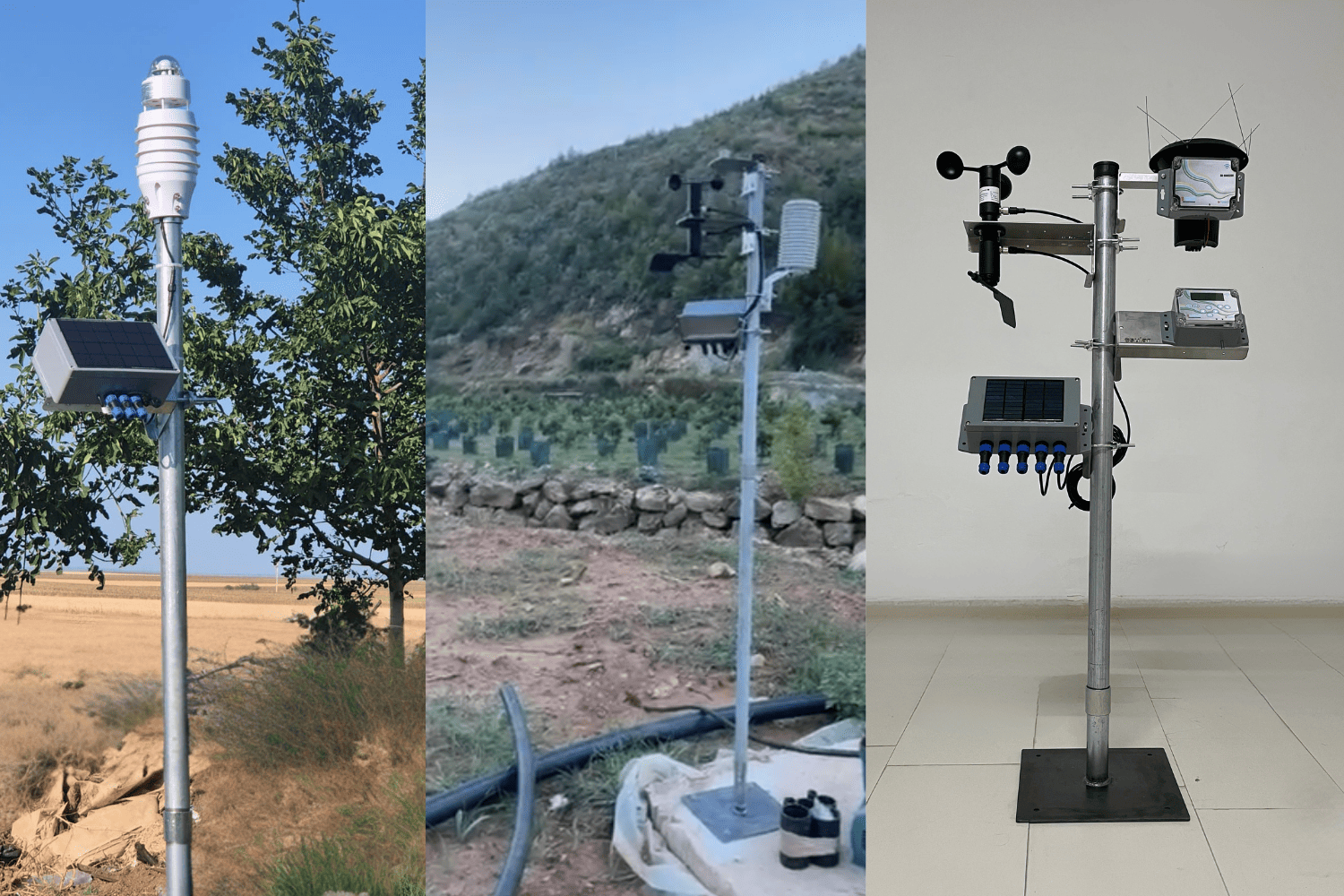
Today, with the development of technology, liquid fertilization systems have also progressed significantly. Automatic and smart systems have begun to replace manual fertilization methods. These systems can create optimal fertilization programs by monitoring soil moisture and nutrient levels instantaneously with the data they receive from sensors.
Automatic liquid fertilization systems have become indispensable, especially in greenhouse cultivation, fruit growing, and industrial agriculture applications. Thanks to these systems:
- Fertilization time, duration, and dosage can be adjusted automatically
- pH and EC values are continuously monitored to optimize nutrient solution concentration
- Different fertilizer tanks can be controlled proportionally
- Labor costs are minimized
- Fertilizer and water savings are provided
- Yield and product quality are maximized
Esular Smart Agro Series: Professional Automatic Liquid Fertilization Systems
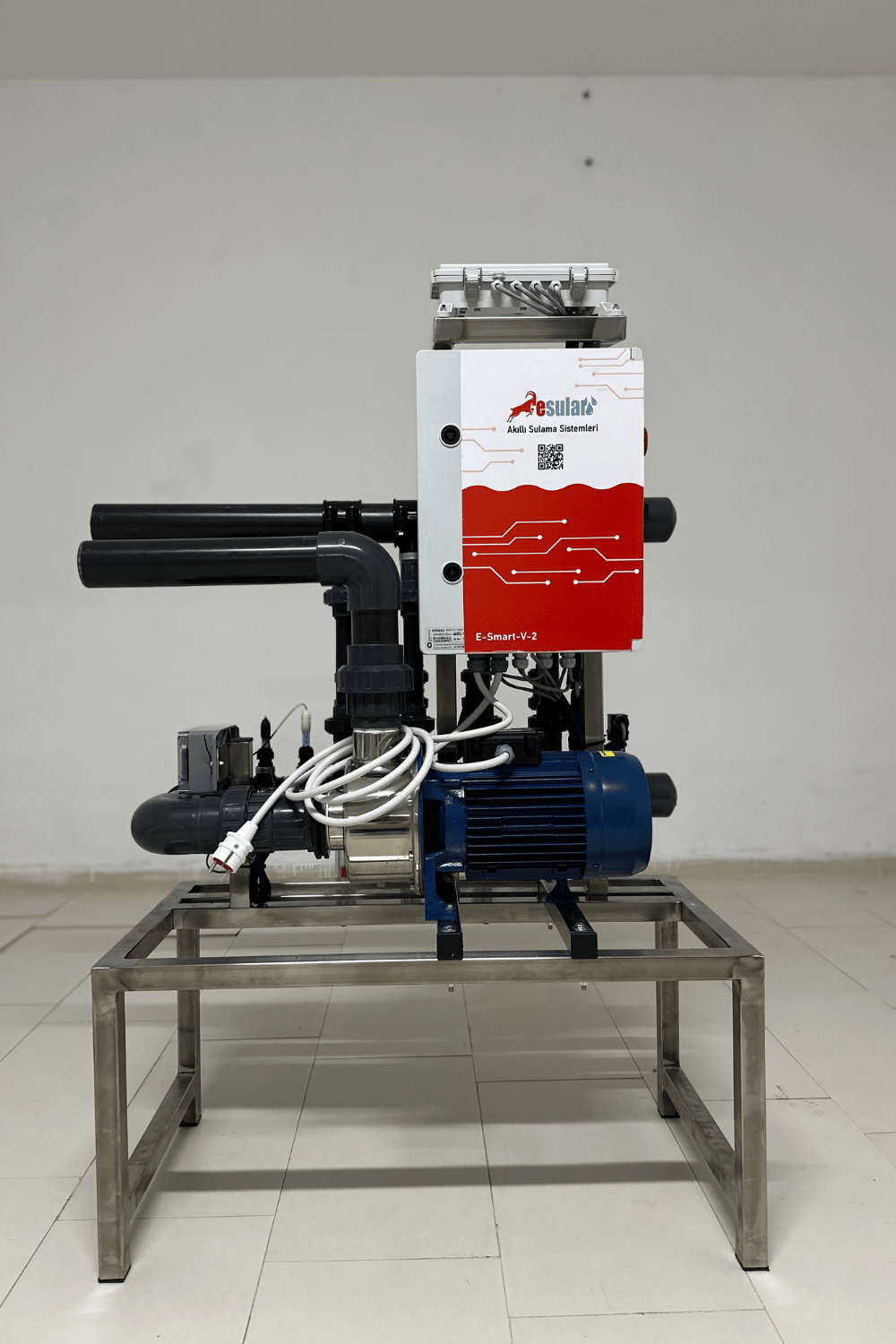
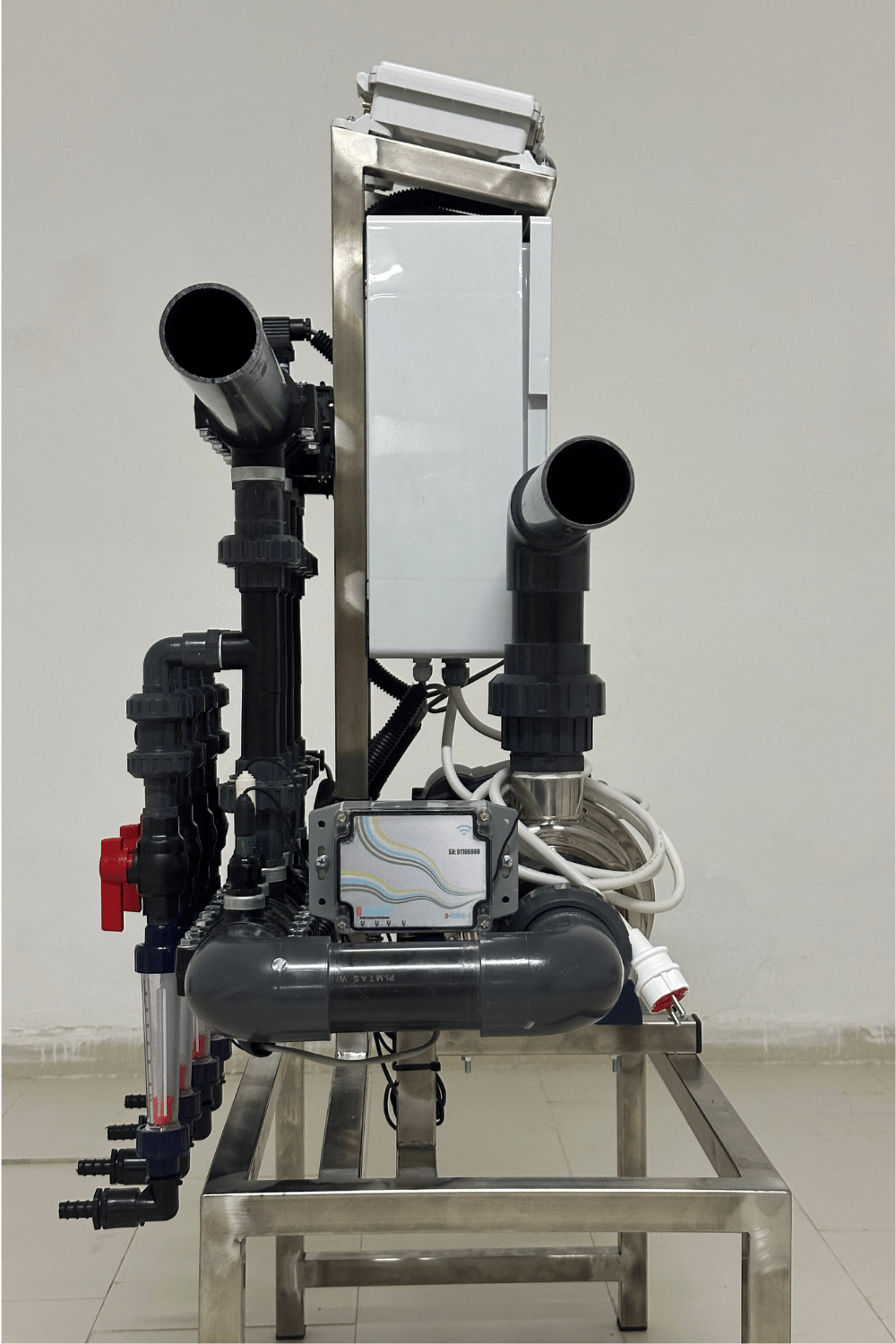
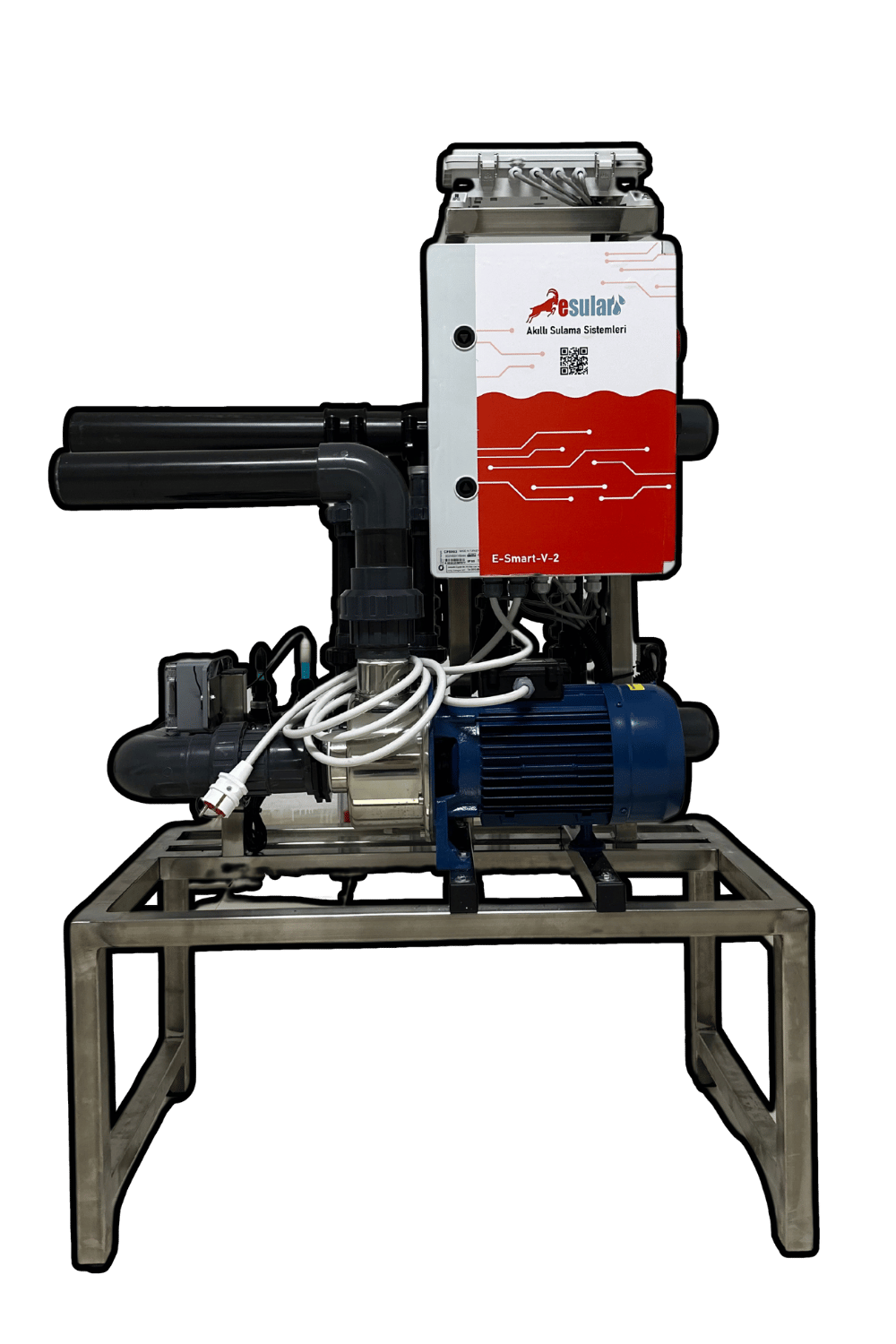
The Smart Agro Series developed by Esular is a professional solution designed for precise fertigation management in greenhouses and agricultural areas. This system, which automates plant nutrition in all agricultural production from tomato, cucumber, and pepper greenhouses to hydroponic systems, from orchards to flower production, has been developed to meet the requirements of modern agriculture.
Technical Specifications of the Smart Agro Series
Multi-Tank Management: It proportionally controls 4 different fertilizer tanks with smart fertilization technology. In this way, you can prepare different nutrient formulations according to the development stages of the plants and make the application completely automatic.
High Capacity: With a precise fertilization capacity of up to 4000 liters per hour, it works efficiently even in large-scale production facilities. Thanks to this capacity, it is an ideal solution for both small greenhouse enterprises and industrial production facilities.
pH and EC Tracking: It automatically adjusts the nutrient solution concentration by continuously measuring pH and EC values. Thus, it provides the ideal nutrient formula that your plants need at every stage of development. This feature guarantees the precise application of plant nutrition programs and the increase of product quality.
Wireless Connection: It offers the possibility of remote monitoring and control via the internet thanks to wireless connection features such as GSM, WiFi, and LoRaWAN. You can monitor all parameters of the system and make necessary adjustments even without being in your field or greenhouse.
Smart Integration: By providing full integration with smart irrigation systems, it works synchronously with your irrigation programs and fertilizes at the optimum time according to the needs of your plants. Thanks to this integration, water and fertilizer use are optimized to the maximum level.
Advantages Provided by Smart Agro
Fertilizer Saving: Smart fertigation technology, which provides up to 25% fertilizer savings in professional greenhouse and precision agriculture applications, significantly reduces your operating costs.
Yield Increase: Up to 40% yield increase can be achieved thanks to the plants receiving the nutrients they need at exactly the right time and in the right dosage. This yield increase accelerates the return on investment and directly increases the profitability of your business.
Time and Labor Saving: Thanks to the automatic system, there is no need for manual fertilization. Daily fertilization routines are carried out completely automatically, so your employees can focus on other important tasks.
Improvement in Product Quality: Thanks to balanced and continuous nutrition, quality parameters such as size, color, taste, and durability of products are significantly improved. It provides the opportunity to grow high-market-value, quality products.
Data Tracking and Reporting: The system records all fertilization processes and provides detailed reports. Thanks to this data, you can analyze your production processes and make better plans for future seasons.
In Which Areas Is It Used?
Esular Smart Agro Series, has a wide range of applications:
- Greenhouse Vegetable Growing: Optimal fertilization in greenhouse vegetables such as tomatoes, peppers, cucumbers, eggplants
- Hydroponic Systems: Precise nutrient management in soilless agriculture applications
- Orchards: Regular feeding in fruit types such as apple, pear, cherry, peach
- Flower Production: Quality increase in cut flower and potted plant production
- Organic Production: Sustainable agriculture with organic certified liquid fertilizers
- Industrial Agriculture: Centralized fertilization management in large-scale production facilities
Smart Agro Model Options
Esular offers two models suitable for different production scales:
Smart Agro Mini: Ideal for small and medium-sized greenhouse enterprises, this model provides a balance of high technology and cost-effectiveness. It is a perfect starting option, especially for producers newly transitioning to the fertigation system.
Smart Agro Maxi: Designed for large-scale production facilities and industrial greenhouse cultivation, this model offers maximum capacity and advanced features. It is a comprehensive solution that will meet all the needs of professional producers.
Things to Consider When Using Liquid Fertilizer
To get maximum benefit from liquid fertilizer use and prevent possible problems, some important points should be considered:
Correct Dose Application: The dosage rates recommended by the manufacturer must be strictly followed. Excessive fertilization can lead to salinity problems, plant burns, and groundwater pollution.
Application Timing: Fertilization should be done during the active growth periods of plants and when nutrient needs are highest. Fertilizing plants in the dormant period causes resource waste and environmental pollution.
Soil and Leaf Analysis: By having regular soil analyses and leaf analyses when necessary, the actual nutrient needs of plants should be determined. In this way, both cost savings are provided and the environment is protected.
Water Quality Control: The quality of the water used in fertigation applications is important. The pH, salinity, and hardness of the water directly affect the effectiveness of the fertilizer.
System Maintenance: Regular maintenance of automatic fertilization systems should be done, filters should be cleaned, and pH-EC sensors should be calibrated.
Effect of Liquid Fertilizer Use on Yield
Scientific research and field applications clearly demonstrate the positive effects of correctly used liquid fertilization on yield:
In Vegetable Growing: Significant yield increases can be achieved with liquid fertilizers given by drip irrigation in vegetables such as tomatoes, peppers, cucumbers, and eggplants. In addition, significant improvements are observed in product quality, fruit size, and color values.
In the Fruit Industry: Foliar and soil liquid fertilization applications in fruit types such as apple, pear, peach, and cherry increase fruit set while also improving fruit size and sugar content.
In Greenhouse Cultivation: Liquid fertilization applied with fertigation systems, especially in greenhouse vegetable growing, maximizes yield and quality while reducing production costs. Automatic liquid fertilization systems have now become standard practice in modern greenhouses.
Conclusion: The Agriculture of the Future is Shaped by Smart Fertilization
Liquid fertilizers are among the indispensable elements of modern agriculture. Thanks to fast absorption, easy application, homogeneous distribution, and precise dosage opportunities, they both provide yield increase and contribute to sustainable agriculture practices.
Automatic liquid fertilization systems such as the Esular Smart Agro Series take these advantages one step further and completely digitalize agricultural production. With up to 25% fertilizer savings, up to 40% yield increase, and significant labor savings, these systems directly increase the profitability of modern agricultural enterprises.
With developing technologies, liquid fertilization systems are becoming increasingly smarter, more efficient, and more environmentally friendly. Especially with the spread of precision agriculture applications, it is predicted that automatic liquid fertilization systems will play a much more important role in the sustainable agriculture of the future.
If you want to increase productivity, reduce costs, and raise product quality in your agricultural enterprise, it is the perfect time to switch to modern liquid fertilization systems. Take your agricultural production to the next level with the Esular Smart Agro Series.
Do You Want to Get Detailed Information About Esular Smart Agro?
Let us help you choose the most suitable automatic fertilization system for your agricultural enterprise. Our expert team is ready to offer special solutions for you.
📞 Contact Us Now🛒 Examine the Product
Related Esular Products
Discover other Esular products that will complete your smart agriculture ecosystem:
- 🌱 Wireless Soil Moisture Sensor – Soil moisture tracking for precise irrigation
- 💧 Wireless Smart Valve Control Unit – Make your solenoid valves smart
⚠️ Important Price Note: The product prices mentioned in this article are the list prices before the publication date. Current prices and campaigns may vary. For the most up-to-date price information and special offers, please visit the product pages or contact us.

Yorumlar