
Tüm Yazılar
Olive Black Scale (Saissetia oleae)
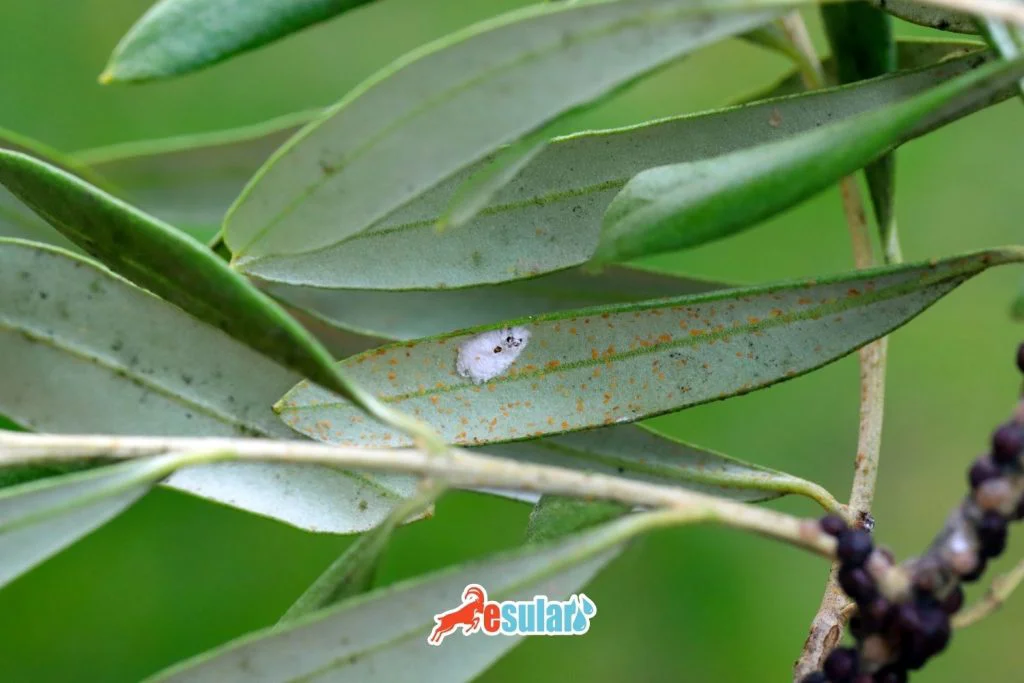
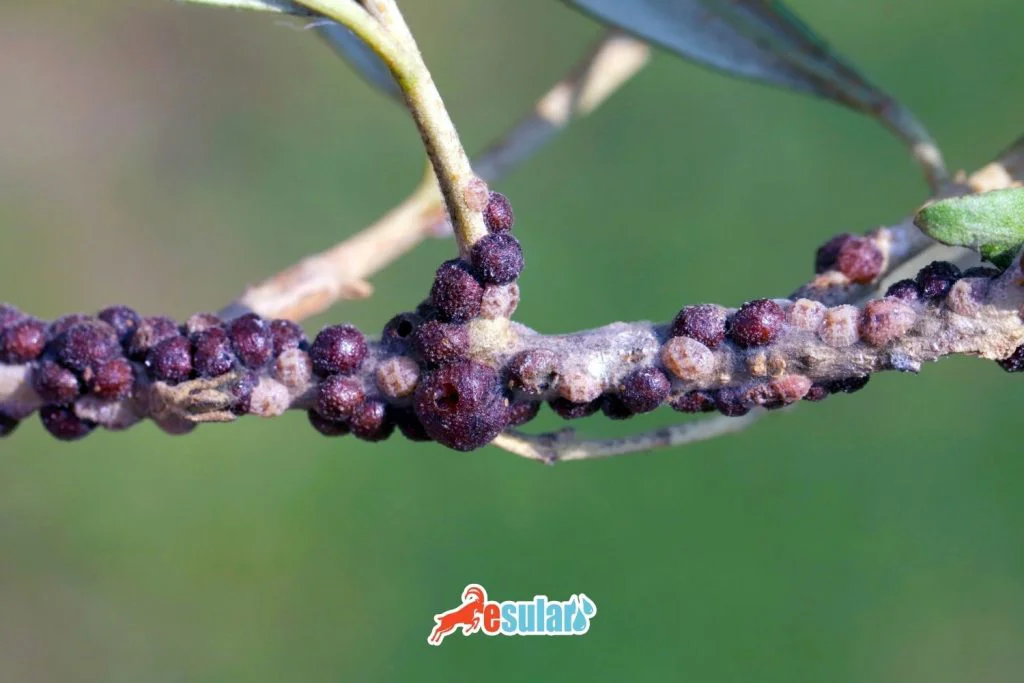
Olive black scale (Saissetia oleae) is a scale insect species commonly seen in warm climates. This pest can cause great damage, especially in olive trees. The primary form of damage is its feeding by sucking the plant sap in the trees it hosts and causing the formation of fumagine. Fumagine, also known as black mold, begins to form with the substance secreted by this pest. Fumagine, which begins to accumulate on the tree surface, prevents the plant's photosynthesis over time. With the decrease in photosynthesis, branch drying, fruit drop, and even tree losses in severe infections can be observed in trees. In short, it poses a great threat to producers in areas where precautions cannot be taken in the early period. In this article, we will talk about effective control methods against olive black scale.
Life Cycle of Olive Black Scale
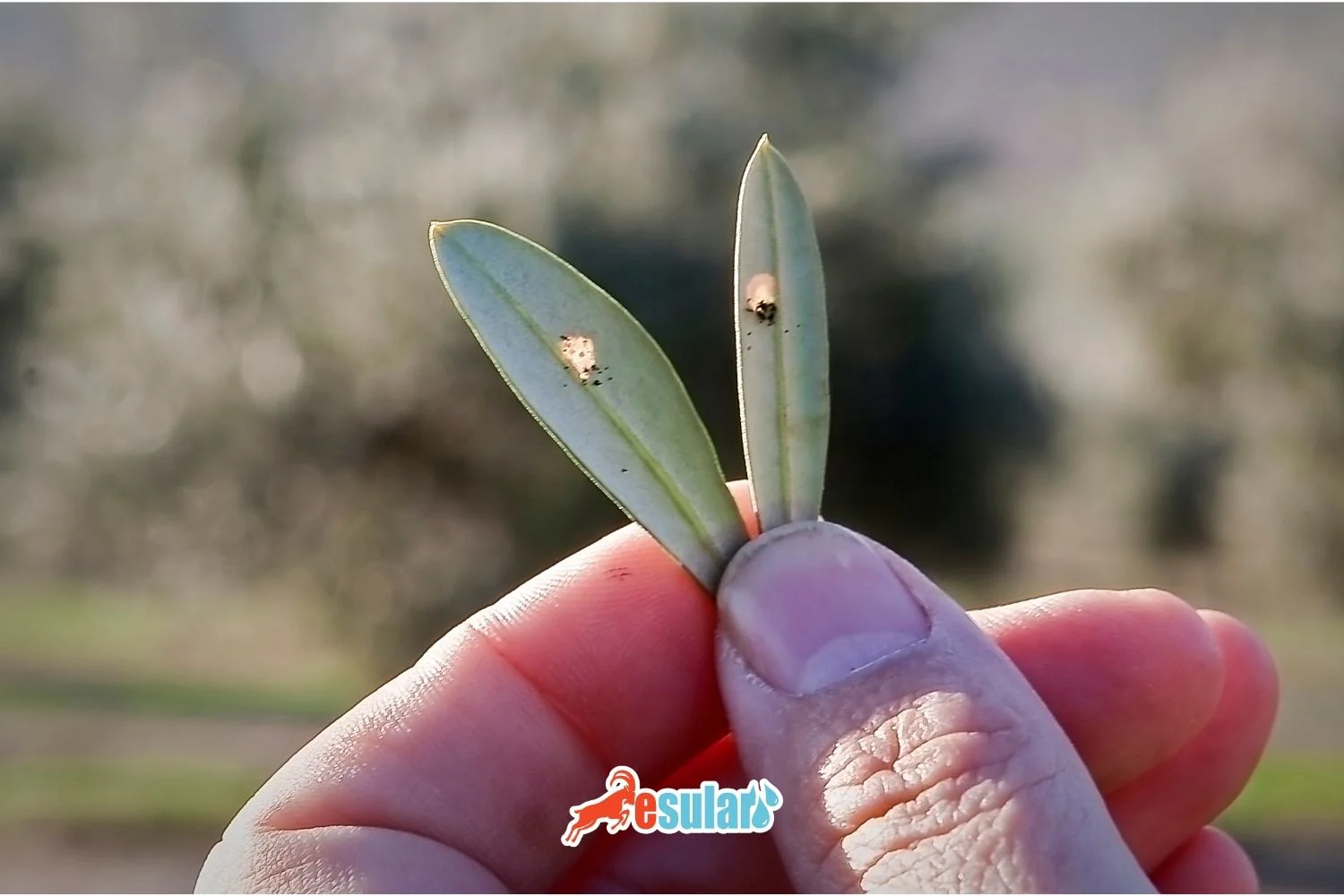
The life cycle of the olive black scale begins with the female individuals laying their eggs. The egg-laying period continues from April to September. The hatching time of the eggs varies between 1 and 3 months depending on the effect of temperature. The larvae hatching from the eggs settle on the shoots and pass into the first stage. First-stage larvae are orange-yellow in color and immobile. In the second stage, the color turns to cream, and a shape similar to the letter H begins to appear on the back. Larvae that pass into the 3rd stage towards the end of summer develop in size and continue their lives throughout the winter. Larvae that overwinter become adults as the weather warms up. The first active larvae begin to be seen around May-June. The main host of this pest is the olive. In the Aegean region, it is also found and causes damage to plants such as citrus, plane tree, quince, pomegranate, and laurel.
Damage Type of Olive Black Scale
Adults and larvae of the black scale feed by sucking plant sap. During this feeding, they secrete a sweet substance. Fungi grow on this sweet substance, creating fumagine. As the density of fumagine increases, the appearance called "karaballık" (sooty mold) occurs. With this structure, the plant's photosynthesis process decreases. In trees where both the sap is sucked and photosynthesis is prevented, drying and fruit drops occur over time. In cases where precautions cannot be taken, product loss of 60-70% can be experienced. In cases where the problem is not combated, fruit yield stops completely.
Control Methods Against Olive Black Scale
In the physical control of olive black scale, pruning is very important. Regularly, dried branches should be cleaned, and airflow should be provided in the inner branches. In chemical control, spraying is performed twice. The timing of spraying should be adjusted according to the time when the larvae are active. This period is determined by monitoring the shoots where the pest is located. The first spraying is done during the period when 50% of the eggs have hatched; this period usually coincides with the end of May. The second spraying is done during the period when egg hatching is 90%.
Yorumlar