
Tüm Yazılar
What is Regenerative Agriculture?
Regenerative agriculture focuses on restoring and improving soil health. Unlike traditional agricultural practices, it supports soil health by increasing the organic matter content of the soil, raising water holding capacity, and preventing erosion. This increases the fertility of the soil and ensures plants grow healthier. Additionally, regenerative agriculture methods enrich the soil microbiome and increase the population of beneficial organisms living in the soil. In this way, soil fertility increases and quality and efficiency are ensured in agricultural production. The aim of regenerative agriculture is to increase the health and resilience of ecosystems by reconstructing the natural structure and functionality of the soil. This creates a long-term sustainable agricultural system and plays an important role in fighting global challenges such as climate change. Therefore, regenerative agriculture practices are accepted as an effective method for restoring and maintaining soil health.
How is Regenerative Agriculture Done? What are Its Basic Principles?
The implementation of regenerative agriculture includes various methods aimed at improving soil health and supporting the balance of ecosystems. Here are some of the basic principles of regenerative agriculture:
Protection and Improvement of the Soil: Protecting and improving the soil by combating erosion and increasing organic matter content are among the primary goals of regenerative agriculture. Reducing the frequency of soil tillage or switching to no-till farming methods can increase soil health.
Promotion of Diversity: Regenerative agriculture supports the health of ecosystems by increasing biodiversity. Planting different plant species and cover crops enriches the soil microbiome and prevents the spread of pests.
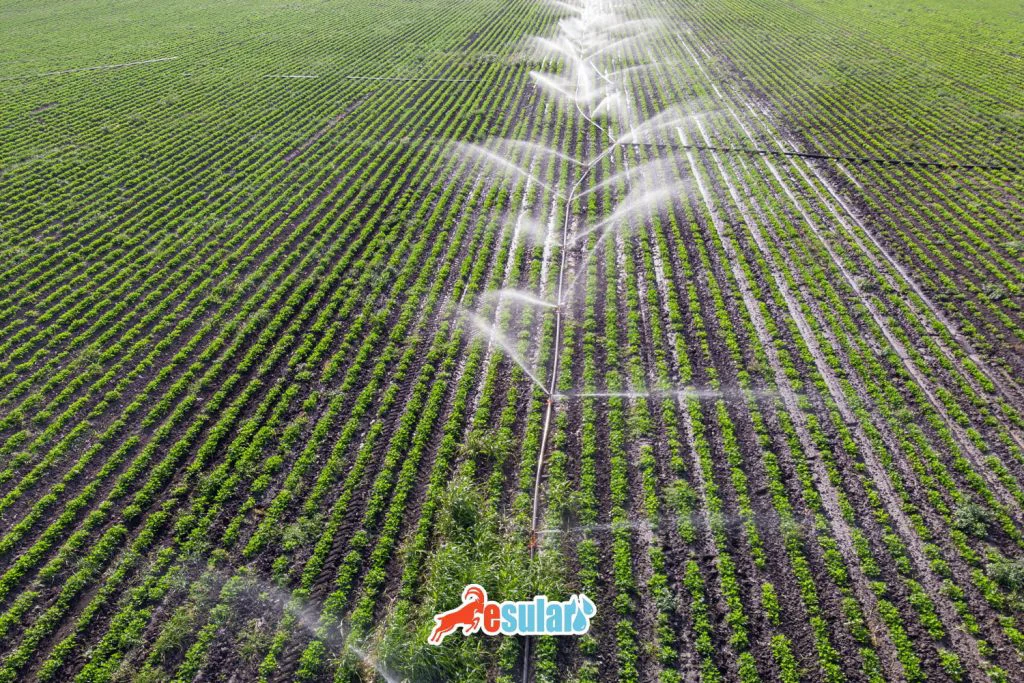
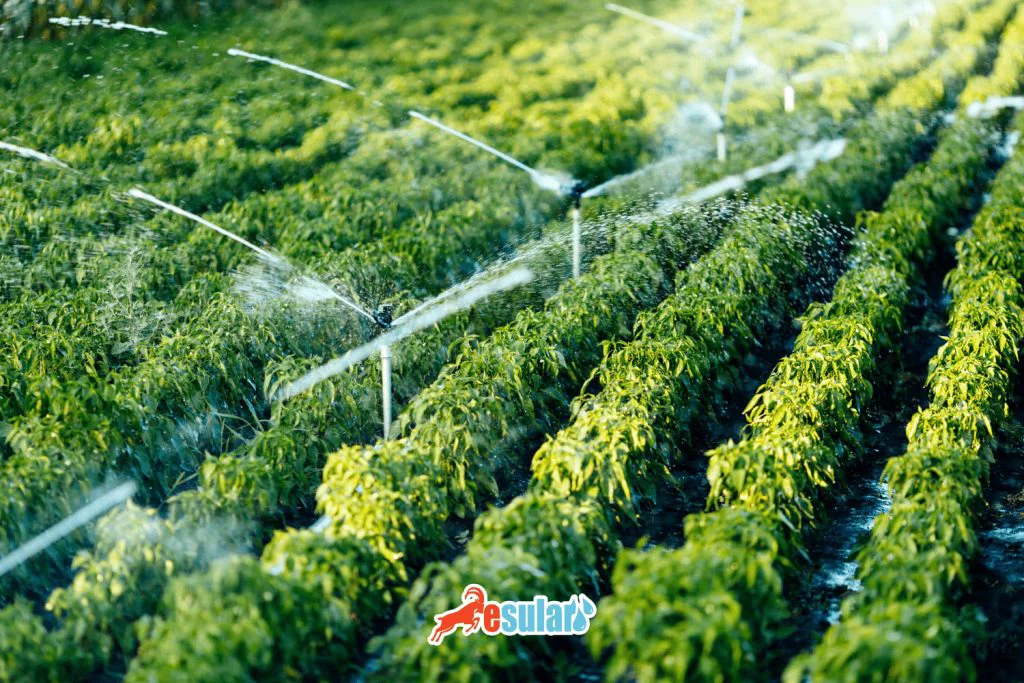
Conservation of Natural Resources: Conserving water resources, increasing the efficiency of irrigation methods, and the correct use of water are an important part of regenerative agriculture. Additionally, protecting natural habitats and promoting environmentally friendly practices is also important.
Reduction of Chemical Fertilizer and Pesticide Use: Choosing organic fertilizers instead of synthetic fertilizers and pesticides protects soil health and prevents toxic chemicals from harming the environment.
Carbon Sequestration: Regenerative agriculture practices play an important role in fighting climate change by restoring carbon to the soil. Methods such as planting cover crops, natural composting, and agroforestry can increase the carbon sequestration capacity of the soil.
Regenerative agriculture is achieved by combining these and similar practices and aims to increase the health, fertility, and sustainability of the soil. In this way, the long-term resilience of agriculture is ensured and the protection of natural resources is supported.
What are the Benefits of Regenerative Agriculture?
Regenerative agriculture has many benefits, and these have profound effects on the sustainability of agricultural systems and the well-being of societies. The benefits of these methods are as follows:
Improving Soil Health: Regenerative agriculture practices improve soil health by increasing the organic matter content of the soil and improving soil structure. This increases the soil's water holding capacity, prevents erosion, and increases soil fertility.
Increasing Biological Diversity: This practice increases biological diversity in agricultural areas by encouraging the cultivation of various plant species. This contributes to supporting natural life and protecting the balance of ecosystems.
Combating Climate Change: Regenerative agriculture practices play an important role in fighting climate change by increasing carbon storage capacity. Storing carbon in the soil helps to reduce carbon dioxide levels in the atmosphere and reduce the greenhouse effect.
Protecting Water Resources: These methods help protect water resources by encouraging the efficient use of water. By increasing the soil's water holding capacity and preventing erosion, regenerative agriculture contributes to sustainable water management.
Production of Nutritious Foods: This method encourages the production of healthy and nutritious foods. By increasing the nutrient content of the soil and reducing the use of chemical fertilizers and pesticides, it ensures that more nutritious products are obtained.
In addition to these benefits, regenerative agriculture can also increase the economic and social well-being of agricultural communities, ensure the long-term sustainability of agricultural lands, and contribute to the protection of environmental resources. Therefore, regenerative agriculture is being adopted by more and more farmers and communities.



Yorumlar