
Tüm Yazılar
What is Protected Cultivation? How is it Done?
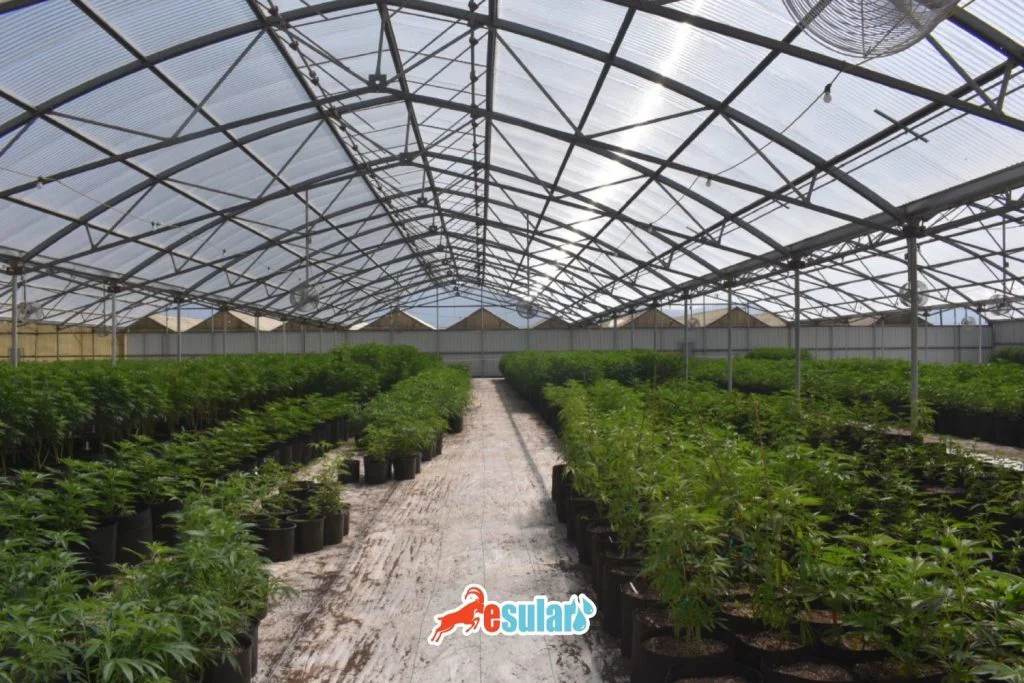
Protected cultivation is a plant cultivation method in agricultural production, specifically using greenhouses or protected structures. This method allows plants to be grown under controllable climatic conditions independent of natural environmental conditions. Greenhouses or protected structures help increase product productivity by providing suitable temperature, humidity, light, and other growth factors for plants.
Protected cultivation offers an ideal solution especially in regions where climate conditions are harsh or for agricultural products requiring off-season production. This method supports sustainable agricultural production by ensuring the protection of plants from diseases and pests and optimizing the use of water and fertilizer.
The establishment of greenhouses or protected structures requires proper material selection, correct installation, and effective management. In this process, it is important to carefully plan and manage factors such as climate control, irrigation systems, and fertilization practices. Protected cultivation increases productivity while ensuring more efficient use of natural resources by being integrated with modern agricultural techniques.
What is Protected Cultivation?
Protected cultivation is an agricultural method where plants are grown in a controlled environment protected from external factors, and climatic factors such as temperature, humidity, light, and airflow are managed. This method, which uses structures such as low plastic tunnels, high tunnels, and greenhouses, provides the opportunity for year-round production by ensuring seasonal independence. Protected agriculture in Turkey gained commercial importance with the use of plastic products since the 1970s and spread rapidly with state support in the 1990s. In modern greenhouses, productivity is increased and water, fertilizer, and energy savings are achieved by using high technology and automation systems. Turkey holds an important position globally in protected cultivation and it is intensively practiced especially in provinces such as Antalya, Mersin, Aydın, Adana, and Muğla.
Advantages of Protected Cultivation
- Year-Round Production: Protected agriculture provides the opportunity for continuous year-round production by eliminating seasonal dependency.
- High Yield: Higher yields per unit area are obtained by optimizing the growth and development processes of plants thanks to controlled environmental conditions.
- Increase in Product Quality: Controlling climatic conditions increases product quality by ensuring plants grow in the most suitable conditions.
- Combating Diseases and Pests: Diseases and pests can be controlled more effectively in protected systems, which reduces chemical use.
- Water and Fertilizer Savings: Water and fertilizer use becomes more efficient in closed systems, ensuring more effective use of resources.
- Earliness: Protected cultivation allows products to be harvested earlier, providing early market entry and thus a higher price advantage.
- Less Labor: Labor needs decrease and labor costs fall with the use of automation systems.
- Organic Farming Opportunity: The controlled environment facilitates organic farming practices, ensuring natural and healthy products are obtained.
- Independence from Climate Conditions: It provides protection from the negative effects of extreme weather conditions, thereby increasing production security.
- Less Use of Harmful Substances: Controlled conditions allow for more effective combat against weeds and pests, which reduces the use of chemical substances.
Protected Cultivation Structures and Types
Protected cultivation structures refer to various structures that allow plants to be grown in a more controlled environment by protecting them from climatic conditions in agricultural production. The main types of protected cultivation structures are:
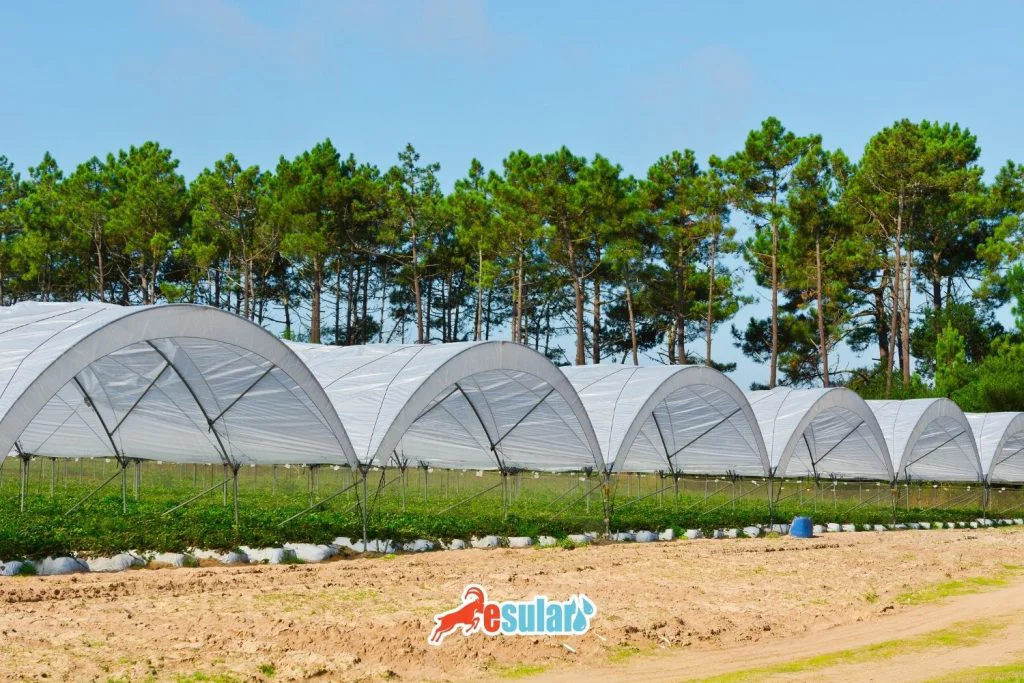
Low Plastic Tunnels: These are structures close to the ground, usually 1 meter high, and covered with plastic film. They are used to support the early development of plants and provide short-term climate protection. They are low-cost and easy to install, providing early harvest opportunities.
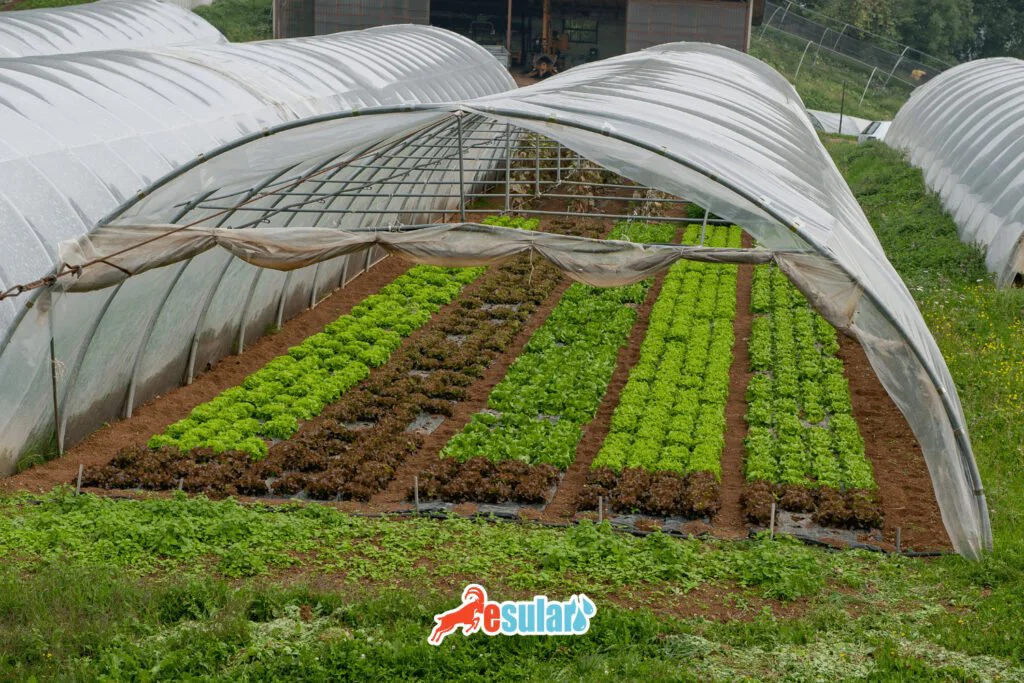
High Tunnels: These are structures approximately 2-3 meters high, allowing plants to develop more comfortably, and are usually covered with plastic film. They are used for longer-term protection and cultivation of larger plants. They are suitable for tall plants, provide climate control, and offer ease of labor.
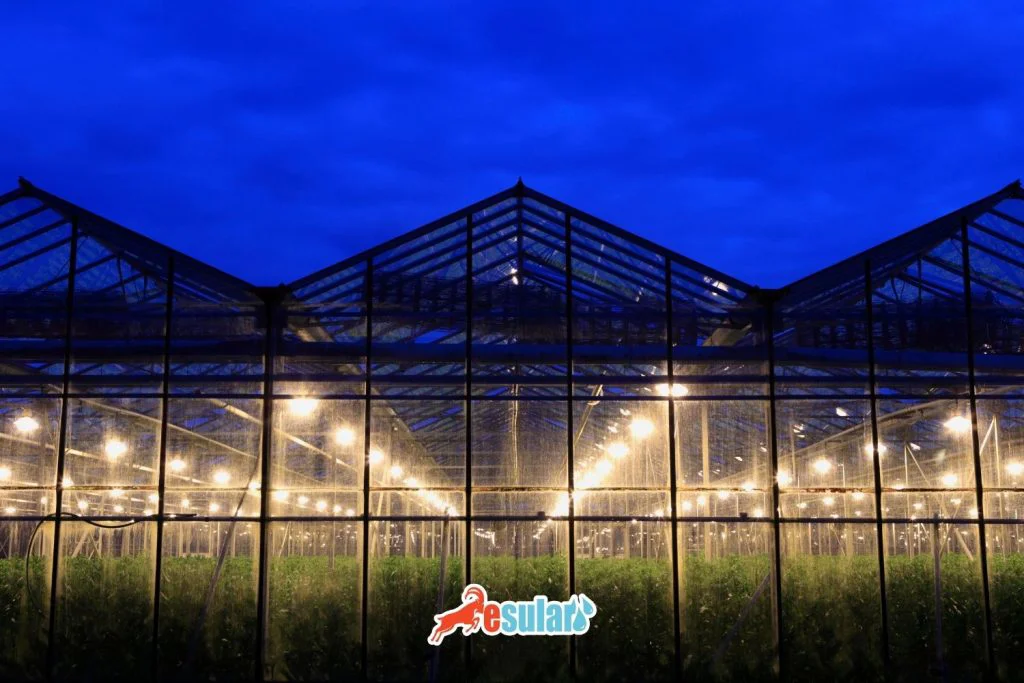
Greenhouses: Structures covered with glass or plastic covering material, which can be easily walked inside and usually have heating, cooling, and automation systems. They are used for year-round agricultural production in a controlled environment. They offer the possibility of fully controlling climate and environmental conditions, ensuring high yield and quality products.
Types:- Glass Greenhouses: More durable and long-lasting, with high light transmittance.
- Plastic Greenhouses: Cheaper and easier to install, they retain heat well.
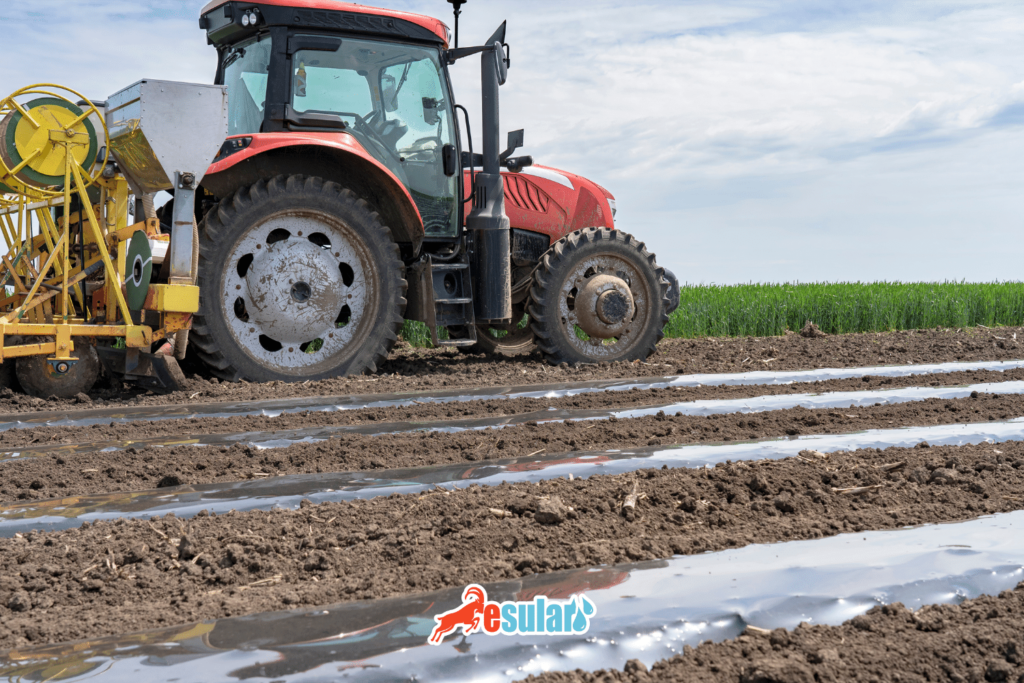
Mulch Covers: Covers usually made of thinly woven polyethylene or polypropylene materials, spread over plants. They are used to protect plants from frost, wind, pests, and excessive sun. They protect the natural growth conditions of plants by providing air and water permeability.
- Shaded Tunnels: Tunnel structures with special materials used for shading purposes. They are used to protect from excessive sun and provide coolness. They prevent plants from overheating in the summer months and reduce plant stress.
Technologies Used in Protected Cultivation
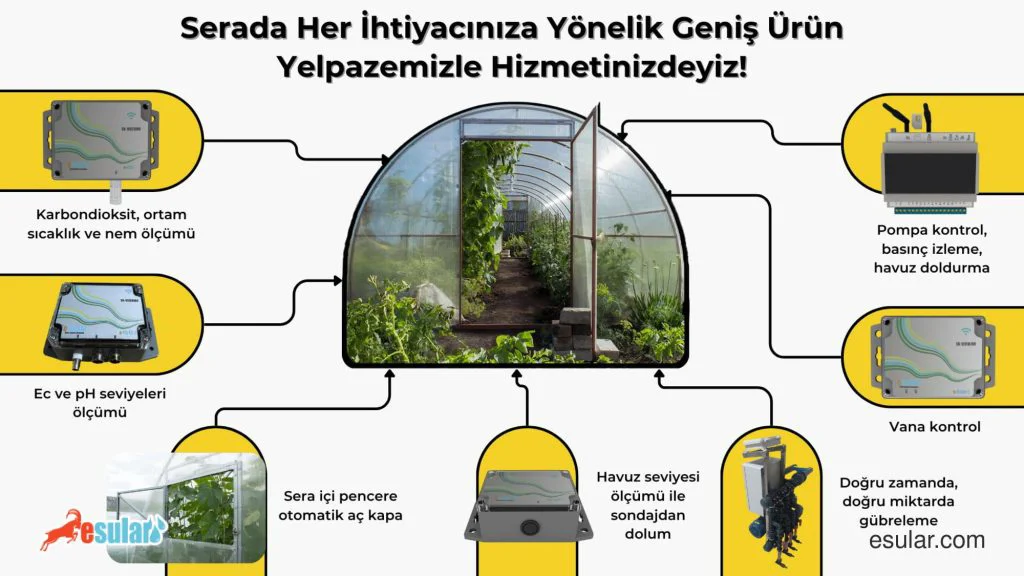
Various technologies used in protected cultivation make the production process more efficient and controlled. These technologies include climate control systems, automatic irrigation systems, fertilization automation, disease and pest monitoring systems, smart monitoring and control systems, and soilless farming systems.
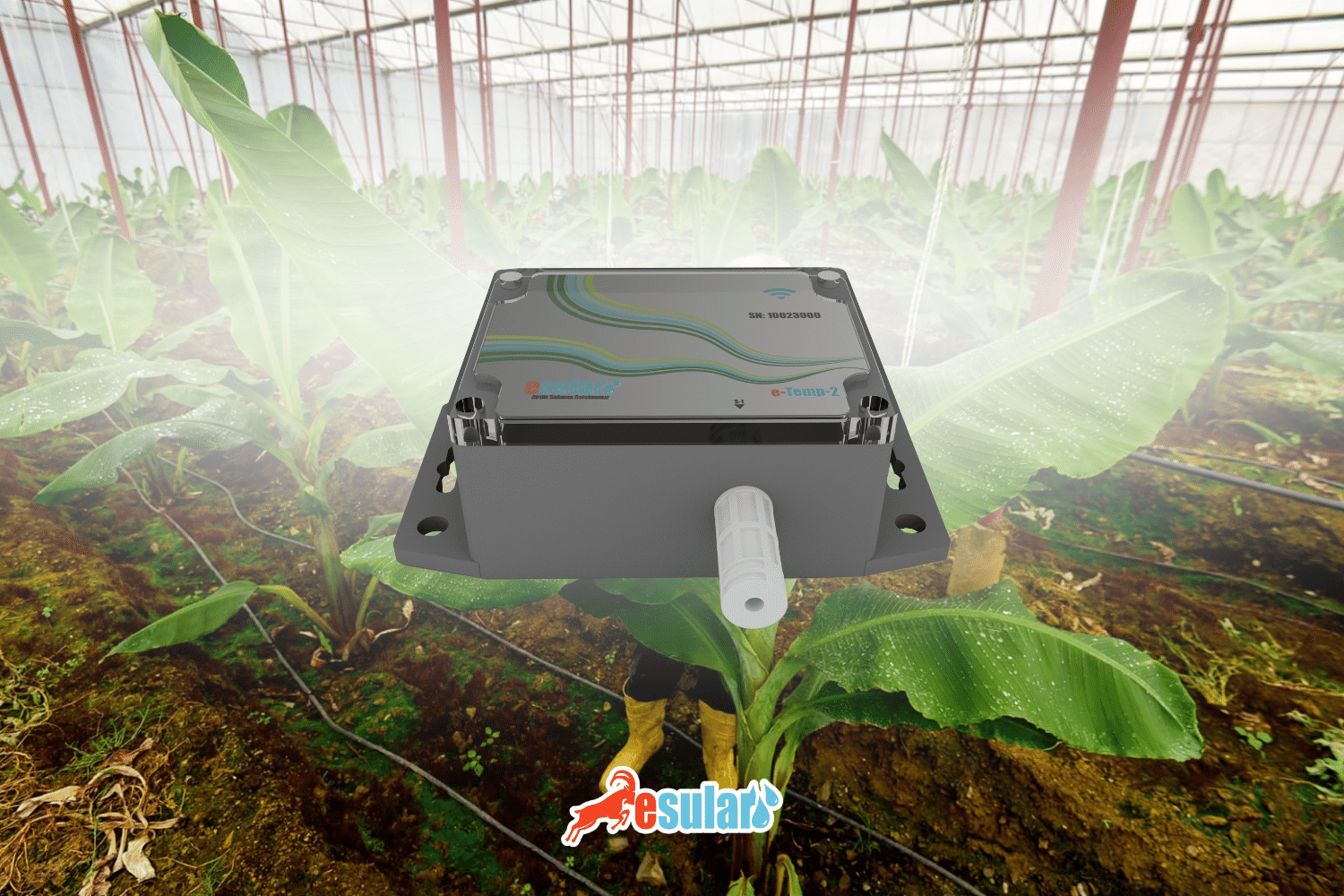
Climate Control Systems: These systems monitor and control the temperature, humidity, light, and CO2 levels of greenhouses. They increase productivity by providing ideal growth conditions for plants, enable obtaining high-quality products, and reduce disease risk. Especially temperature and humidity control prevent plants from being under stress, ensuring their healthy growth.
Automatic Irrigation Systems: These systems, which automatically meet the water needs of plants, provide water savings and prevent water stress in plants. Thanks to automatic irrigation systems, regular and sufficient irrigation is performed, thus ensuring efficient use of water and providing the most suitable amount of water for plants. Saving time and labor also offers great advantages to producers.
Fertilization Automation: These systems automatically provide the nutrients that plants need. Applying the correct amount of fertilizer at the right time encourages healthy growth of plants and provides cost savings. Thus, fertilizers are used efficiently, adopting both an environmentally friendly approach and reducing production costs.
Disease and Pest Monitoring Systems: Early detection of diseases and pests in plants is done using sensors and cameras. Product loss is prevented with early intervention, and healthy products are obtained by reducing chemical use. These systems play an important role in protecting plant health and increasing product quality.
Soilless Farming Systems: In these systems, plants are grown in nutrient solutions instead of soil. Soilless farming, which ensures effective use of water and nutrients, provides faster growth, water and fertilizer savings, and eliminates the risk of soil-borne diseases. This method offers a modern and sustainable approach to protected cultivation.
These technologies provide higher yield, quality, and sustainability in protected cultivation.
Esular's Smart Monitoring and Control Systems
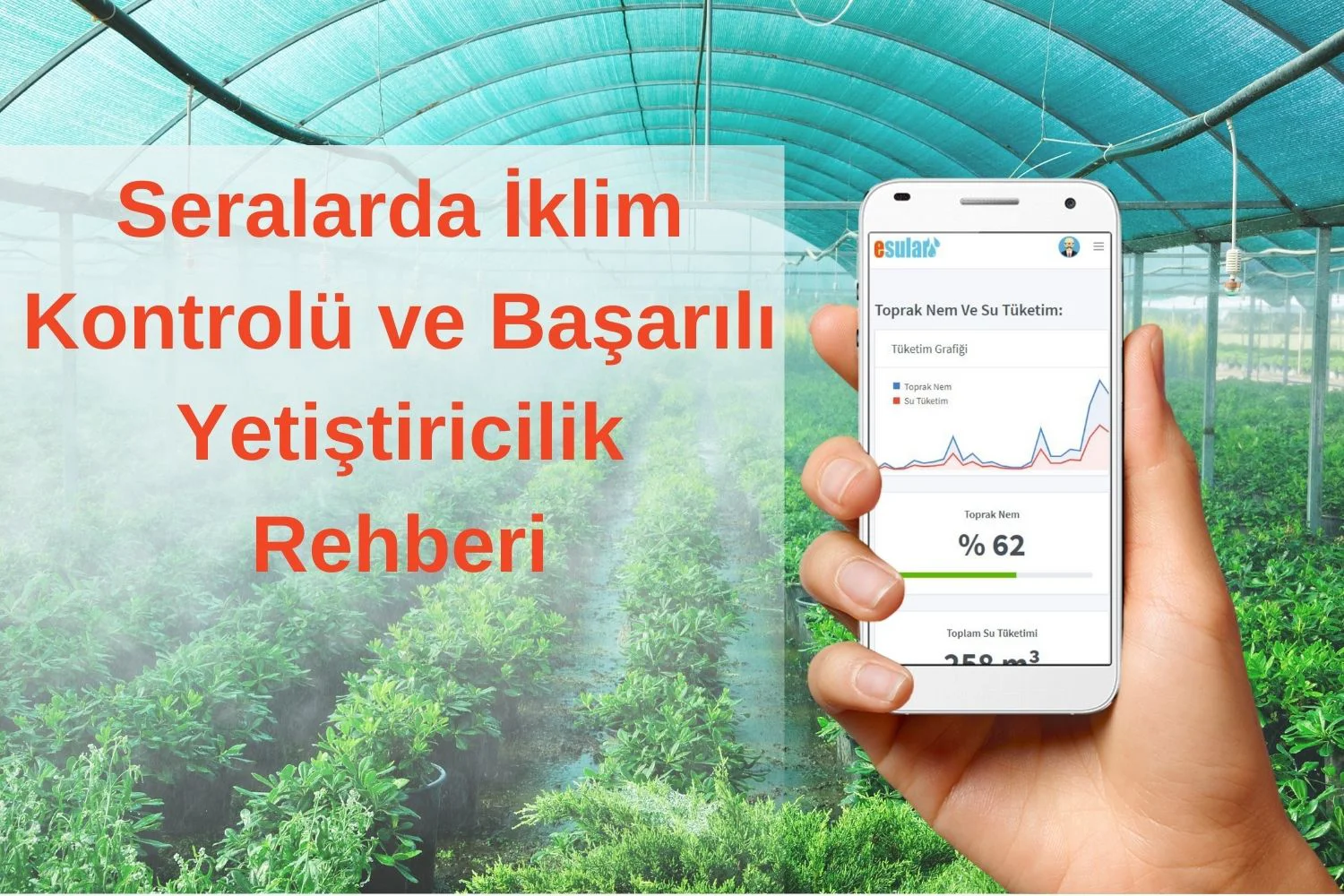
As Esular, we provide a modern and efficient farming experience with the advantages we offer in greenhouses. We make protected cultivation more controlled and sustainable with our advanced technologies. In this direction, we are by your side to increase productivity in your greenhouses and offer the advantages of modern agriculture. You can contact us to get more information and benefit from our solutions:
- 🌐:
- 📧: info@esular.com.tr
- ☎️:+90 850 399 6888
Yorumlar