
Tüm Yazılar

How is Carbon Dioxide Fertilization Done in Greenhouses?
Carbon dioxide fertilization in greenhouses has become an important part of modern agriculture's efforts to increase productivity and quality. Carbon dioxide, which is an essential component for plant photosynthesis, can be naturally limited in greenhouse environments. Especially in intensive production greenhouse systems, providing ideal CO2 levels is a very important factor for plants to grow with maximum productivity. CO2 fertilization is an effective method used to meet this need.vCO2 fertilization is done by adding additional carbon dioxide to the atmosphere inside the greenhouse. Plants producing sugar and other organic compounds using CO2 during photosynthesis increases their growth rates and thus their productivity. This method can be used effectively, especially in winter months or in regions with low outdoor CO2 levels.
Methods used for CO2 fertilization include direct injection of CO2 in gaseous form into the greenhouse or the use of CO2 generators. These systems are designed to continuously provide the CO2 levels needed by the plants in the greenhouse. Additionally, the control of the fertilization process is usually done with automated systems, so CO2 levels are continuously monitored and adjusted. To get more detailed information about these systems; you can examine our https://esular.com/karbondioksit-co2-sensorlerinin-siniflandirilmasi page and reach us via our contact number.
What is the Importance of Carbon Dioxide for Plants?
Carbon dioxide (CO2) is a vital element for plants and plays an important role in the photosynthesis process. Here are some points where carbon dioxide is important for plants:
Photosynthesis Process: Photosynthesis is the energy production and nutrition process of plants. In this process, plants produce glucose and other organic compounds using sunlight, water, and carbon dioxide. In this process, it provides the energy necessary for the growth and metabolic functions of plants.
Plant Growth and Development: Glucose produced through photosynthesis provides the basic building blocks for the growth and development of plants. Sufficient carbon dioxide ensures that plants grow healthily and achieve optimum productivity.
Formation of Plant Tissues: Glucose produced as a result of photosynthesis is necessary for the synthesis of plant cell walls, proteins, fats, and other organic compounds. This is vital for plants to maintain their structure and perform their functions.
Oxygen Production: During photosynthesis, plants take in CO2 and produce O2 (oxygen). This process contributes to the production of oxygen required for the respiration processes of living things on Earth.
Effect of CO2 on Stomatal Opening: Plant stomata are important for gas exchange and water loss control. Proper provision of carbon dioxide regulates the opening and closing of stomata, thereby optimizing water and nutrient uptake.
What Should the Carbon Dioxide Value Be for Plant Development?
Carbon dioxide (CO2) concentration is a fundamental factor for the survival and development of plants. CO2 levels in the natural atmosphere are generally around approximately 0.04% (400 ppm). However, these levels may not be sufficient for plants to perform optimal photosynthesis. Because in the photosynthesis process, plants produce glucose using carbon dioxide, and this process constitutes the basic energy source for plant growth and development. Changes in carbon dioxide levels have direct effects on plants. For example, when CO2 levels fall below 150 ppm, the plants' ability to photosynthesize decreases, which can lead to wilting and growth cessation. At the 100 ppm level, photosynthesis stops completely and plants begin to die.
On the other hand, in cases where CO2 levels are at the optimum level, i.e., around 1200 ppm, plants show the best growth and development. These levels increase the rate of photosynthesis, allowing plants to be nourished more efficiently. However, when the amount of CO2 exceeds 1200 ppm, this situation can be harmful to plants and may even lead to fatal consequences. A large part of the increase in carbon dioxide concentration stems from fossil fuels. These emissions can directly affect plant life by increasing CO2 levels in the atmosphere. In addition, the destruction of large forested areas can negatively affect the CO2 balance, which can reduce the photosynthesis capabilities of plants.
Carbon Dioxide Fertilization
Carbon dioxide fertilization is a method applied to improve the photosynthesis process of plants. This method is used particularly in greenhouse environments or enclosed areas to promote plant growth and increase productivity. Here is a detailed explanation of the question of how carbon dioxide fertilization is done:
Selection of Carbon Dioxide Source: Carbon dioxide is generally provided in the form of cylinders or tanks. It is important that these cylinders or tanks are suitable for the size of the greenhouse or enclosed area and the needs of the plants.
Distribution System Installation: A system must be established for the distribution of carbon dioxide to the plants. This system is generally made using pipes, hoses, or special distribution nozzles. Nozzles are usually placed at various points in the greenhouse and are designed to distribute carbon dioxide homogeneously.
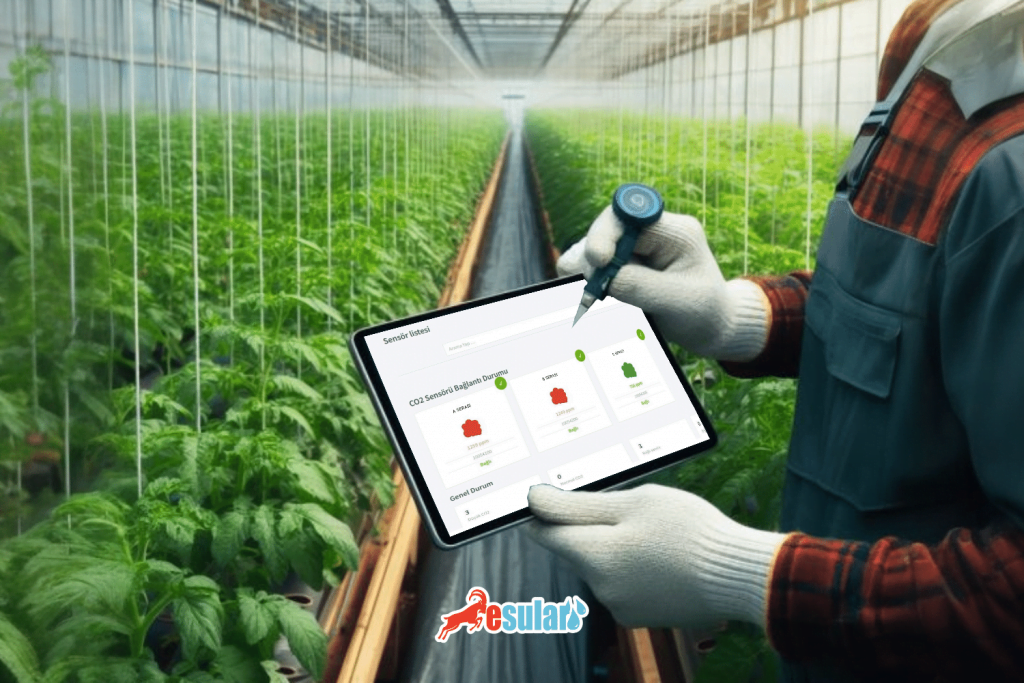
Monitoring CO2 Levels: Correct adjustment and monitoring of carbon dioxide levels are important. For this purpose, CO2 sensors are generally used. Sensors continuously monitor the CO2 levels inside the greenhouse and turn the CO2 source on or off as needed.
Application Duration and Frequency: Carbon dioxide fertilization is generally applied at certain times of the day. The most effective times for photosynthesis are usually in the morning or afternoon when sunlight is intense. Fertilization frequency may vary depending on the type of plants, growth stage, and CO2 levels.
Security Measures: Carbon dioxide can be dangerous for humans in high concentrations. Therefore, safety precautions should be taken when installing a CO2 system. The ventilation systems of the greenhouse or enclosed area should be checked regularly and safety protocols should be followed.
Impact Assessment: To evaluate the effect of carbon dioxide fertilization, the growth and productivity parameters of the plants should be monitored regularly. Correct application of CO2 fertilization can provide a significant improvement in plant development.
Carbon dioxide fertilization holds an important place in modern agricultural practices and is an effective method used to increase productivity in plant cultivation.
What Should Be Considered When Performing CO2 Fertilization?
Some important points to consider when performing carbon dioxide fertilization are as follows:
-
Security Measures: Carbon dioxide can be dangerous for humans in high concentrations. Therefore, safety precautions should be taken. The carbon dioxide source and distribution system should be safely installed, operated, and periodically checked. Emergency plans should be created for hazardous situations.
-
Dosage Control: Carbon dioxide dosage should be adjusted according to the needs of the plants. CO2 levels should be continuously monitored and adjustments should be made when necessary. Very low or very high CO2 levels can harm plant health.
-
Distribution System: The CO2 distribution system should be designed according to the size of the greenhouse or enclosed area and the needs of the plants. Distribution nozzles or pipes should be placed appropriately to deliver carbon dioxide homogeneously to every point of the greenhouse or enclosed area.
-
Application Time: Carbon dioxide fertilization is generally done at certain times of the day. The most effective times for photosynthesis are usually in the morning or afternoon when sunlight is intense. Performing CO2 application in these time slots ensures that plants use CO2 more efficiently.
-
Plant Type and Need: When performing CO2 fertilization, the type and growth stage of the plants should be taken into account. Each plant species may react differently to CO2. It is important to have knowledge about the CO2 needs and optimum levels of the plants.
-
Ventilation: Greenhouses or enclosed areas where CO2 application is performed should be well ventilated. When carbon dioxide rises to high levels beyond the needs of the plants, it can produce harmful effects. Therefore, ventilation systems should be checked regularly and adjustments should be made when necessary.
What are the Carbon Dioxide Sources Used in Greenhouses?
Carbon dioxide (CO2) sources used in greenhouses are generally as follows:
Fermentation and fermented wastes
- Fossil fuels
CO2 gas is released in some industrial processes. For example, in industrial activities such as ammonia production, hydrogen production, and steel production, CO2 emerges as a by-product.
Some greenhouse enterprises can obtain CO2 using carbonate minerals. Especially minerals such as calcium carbonate (limestone) or magnesium carbonate can contribute to CO2 gas production when subjected to appropriate processes.
CO2 formed during the fermentation of organic waste or biomass processes can be considered a source for plants in the greenhouse.
These sources are used with various methods to increase CO2 levels in the greenhouse and to increase the photosynthesis efficiency of the plants. While each source has its advantages and disadvantages, they should be selected by considering safety, efficiency, and environmental impacts.



Yorumlar