
Tüm Yazılar
What is Pink Eye Disease in Cattle?
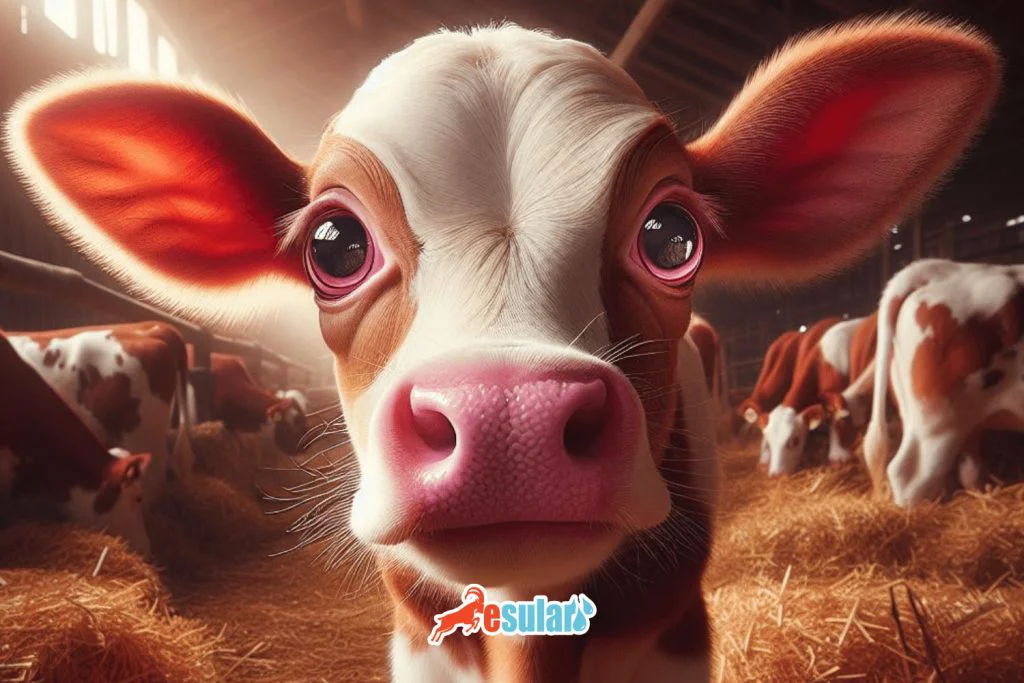
Pink eye disease is a viral disease seen especially in cattle and some other animal species. It is usually caused by the “Pink Eye Virus” (Pink Eye Virus), a virus belonging to the Morbillivirus family. The disease affects the conjunctiva layer of the eye, leading to symptoms such as redness, watering, swelling, and a pink discoloration in the eye. Pink eye virus tends to be more common especially in hot and humid climates, inadequate hygiene conditions, and dense animal populations. Close contact of animals can lead to the easy spread of the eye infection. The disease is generally tried to be prevented with vaccinations, and antibiotics and symptomatic supportive treatments can be used in its treatment. Pink eye disease, which can cause economic losses for livestock, should be carefully monitored and managed by animal owners and veterinarians. Improving hygienic conditions, regular implementation of vaccination programs, and early diagnosis of the disease are of great importance for taking the disease under control.
What are the Symptoms of Pink Eye Disease in Cattle?
The symptoms of pink eye disease in cattle are as follows:
- Excessive tearing from the eyes.
- Frequent blinking and squinting of the eyes by the animals.
- Significant redness and swelling around the eyes.
- Constriction of the pupil and the animal showing sensitivity to light.
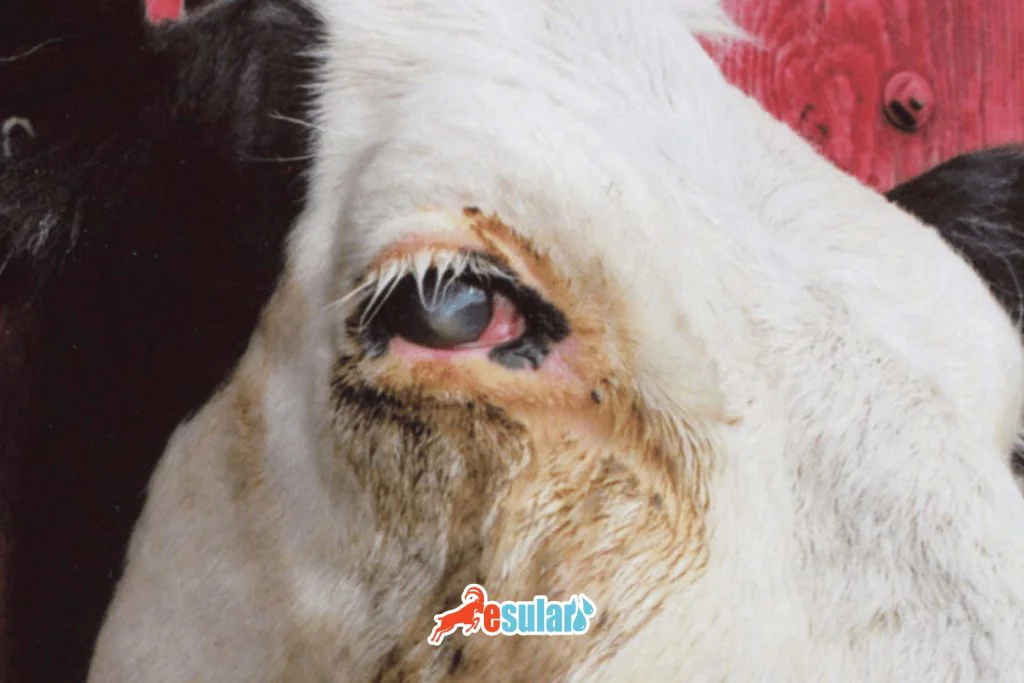
- Formation of small blisters (vesicles) and sores (ulcers) on the corneal layer of the eye.
- Cloudiness in the eye starting from the center and covering the entire cornea.
- Dilation of the blood vessels around the cornea in the advanced stages of the disease.
- The eye appearing pink in color in the advanced stages of the disease.
These symptoms may vary depending on the severity and progression stage of the disease. Early diagnosis and treatment are very important in terms of mitigating the effects of the disease and preventing its spread.
What Causes Pink Eye Disease?
Pink eye disease, scientifically known as Infectious Bovine Keratoconjunctivitis (IBK), is a disease that causes infection and inflammation in the eyes of cattle. The main causative agent of this disease is the bacterium named Moraxella bovis. Pink eye disease spreads rapidly via flies, especially during the summer months, because flies can easily carry this bacterium from one animal to another. Additionally, ultraviolet rays cause damage to the surface of the eye, making it easier for Moraxella bovis to cause infection. Environmental factors such as dust, tall grass, and wind also help the bacterium cause the disease. Young animals and breeds with low pigmentation such as Hereford and Holstein are more susceptible to the disease. Infectious rhinotracheitis (IBR) vaccination and mycoplasma infections can also trigger the disease. The combination of these factors leads to the spread of pink eye disease in cattle and causes serious health problems.
Pink Eye Disease Treatment
Consultation with a veterinarian is of great importance in the treatment of pink eye disease. Early recognition of the symptoms of the disease and correct diagnosis determine the success of the treatment. Veterinarians have the necessary knowledge and experience to prevent the spread of the disease and apply effective treatment methods. Selecting and applying the correct antibiotics and creating the most suitable treatment plan with antibiogram tests are the expertise of veterinarians. Additionally, the recommendations of veterinarians regarding environmental control and hygiene, isolation of sick animals, and combating flies are of vital importance. Following the guidance of veterinarians during the treatment process plays a critical role in both reducing the effects of the disease and protecting herd health. Benefiting from the knowledge and experience of veterinarians increases the chance of success in the fight against pink eye disease and ensures the health of the animals.
What are the Factors Affecting Pink Eye Disease?
Young animals are more susceptible to pink eye disease, and while the disease increases in the summer months, it can rarely be seen in other months as well. Ultraviolet rays can help Moraxella bovis cause disease by creating damage on the surface of the eye and can make non-pathogenic Moraxella species pathogenic. Breeds such as Hereford and Hereford crosses, Holstein, and Shorthorn are more susceptible to this disease due to the lack of pigment around the eyes, but Zebu cattle (Brahma and others) do not catch this disease. The rate of contracting IBK is lower in dairy cattle compared to beef cattle. While flies can easily carry the agent from one animal to another, mechanical factors such as dust, tall grass, and wind can also help the disease spread. Additionally, the severity of the disease may increase after Infectious rhinotracheitis (IBR) vaccination, and mycoplasma infections can also trigger this disease.
Is Pink Eye Disease in Cattle Contagious?
This disease, generally caused by viruses belonging to the Morbillivirus family, manifests itself with symptoms such as redness, watering, swelling, and a pink discoloration in the eyes of cattle. The disease can easily be transmitted to healthy animals that come into contact with the eye secretions of infected animals. Especially in farm environments with dense animal populations and in places with inadequate hygiene conditions, the risk of the disease spreading increases. Limiting contact with infected animals, improving hygienic conditions, and carrying out vaccinations regularly are of great importance for taking it under control. If not diagnosed and treated early with veterinary intervention, pink eye disease can lead to economic losses and animal welfare issues in cattle.


Yorumlar