
Tüm Yazılar

What is Molybdenum Fertilizer?
Molybdenum fertilizer is a type of fertilizer containing the element molybdenum, which is necessary for plants to grow healthily and achieve high yields. Molybdenum plays a critical role in the nitrogen metabolism, enzymatic reactions, and protein synthesis of plants. However, since the amount of molybdenum naturally found in the soil is usually low, fertilization may be required to provide the molybdenum that plants need. This special type of fertilizer provides the molybdenum needed by plants, especially in regions experiencing molybdenum deficiency and in acidic soils. In case of deficiency, problems such as growth retardation, yellowing of leaves, and yield loss may occur in plants. Molybdenum fertilizers help plants overcome these deficiencies and develop healthily, thus increasing both plant health and product quality. In this article, we will examine in detail what molybdenum fertilizer is, how it is used, and its effects on plants.
What are the Benefits of Molybdenum Fertilization?
-
Supports Nitrogen Metabolism: Molybdenum regulates nitrogen metabolism in plants, ensuring more efficient use of nitrogen.
-
Increases Enzyme Activity: Molybdenum increases the effectiveness of the nitrate reductase enzyme, accelerating the conversion of nitrates into ammonia.
-
Supports Protein Synthesis: Molybdenum contributes to quality protein production by supporting protein synthesis in plants.
-
Supports Vitamin C Formation: Molybdenum encourages Vitamin C synthesis in plants, strengthens immunity, and increases stress resistance.
-
Helps Correct Soil Acidity: Molybdenum helps resolve molybdenum deficiency in acidic soils, ensuring pH balance.
-
Increases Plant Productivity: Molybdenum fertilization provides a yield increase by encouraging healthy plant growth.
-
Eliminates Deficiency Symptoms: Molybdenum fertilization eliminates deficiency symptoms such as yellowing and curling and supports the healthy development of plants.
-
Increases Resistance Against Diseases and Pests: Molybdenum increases the resistance of plants against diseases and pests, raising product quality and yield.
Symptoms of Molybdenum Deficiency in Plants
Molybdenum deficiency symptoms in plants are generally seen in the following ways:
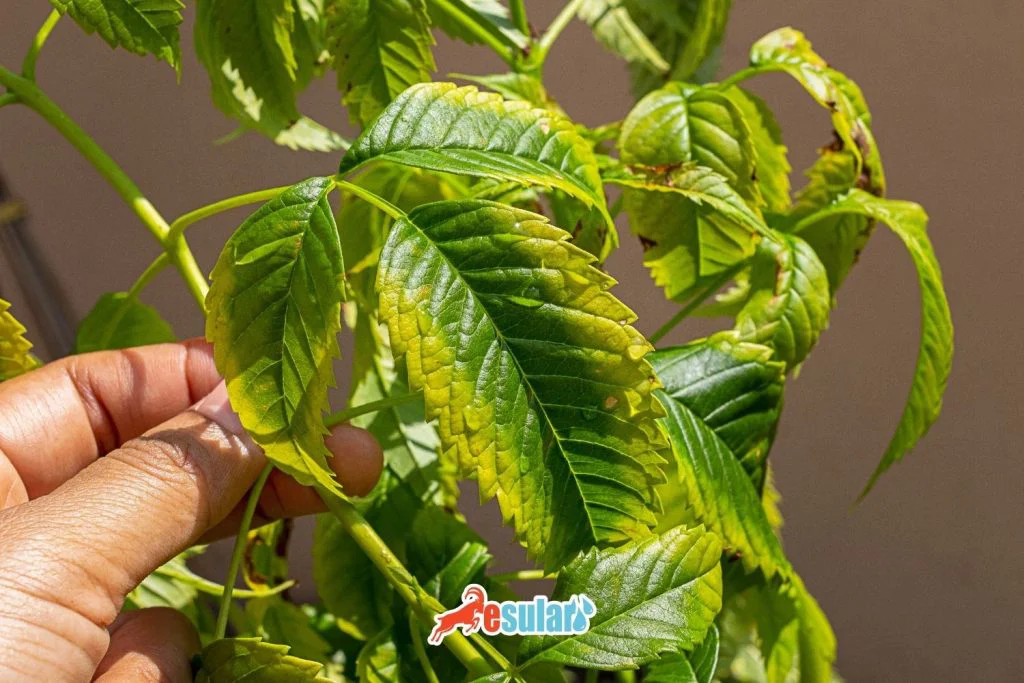
Molybdenum deficiency manifests as yellowing and chlorosis in old leaves.
Curling, drying, and irregular growth are seen at the leaf edges.
Yellowish spots occur in the areas between the leaf veins.
Leaves become smaller, misshapen, and deformed.
Seed germination becomes difficult, which leads to yield loss.
Plants remain small, looking scorched and unhealthy.
Flowers become pale in color and development is negatively affected.
Plants become more sensitive to diseases and pests.
These symptoms indicate that plants are affected by molybdenum deficiency and the deficiency should be corrected with appropriate fertilization methods.
When and How Should Molybdenum Fertilization Be Done?
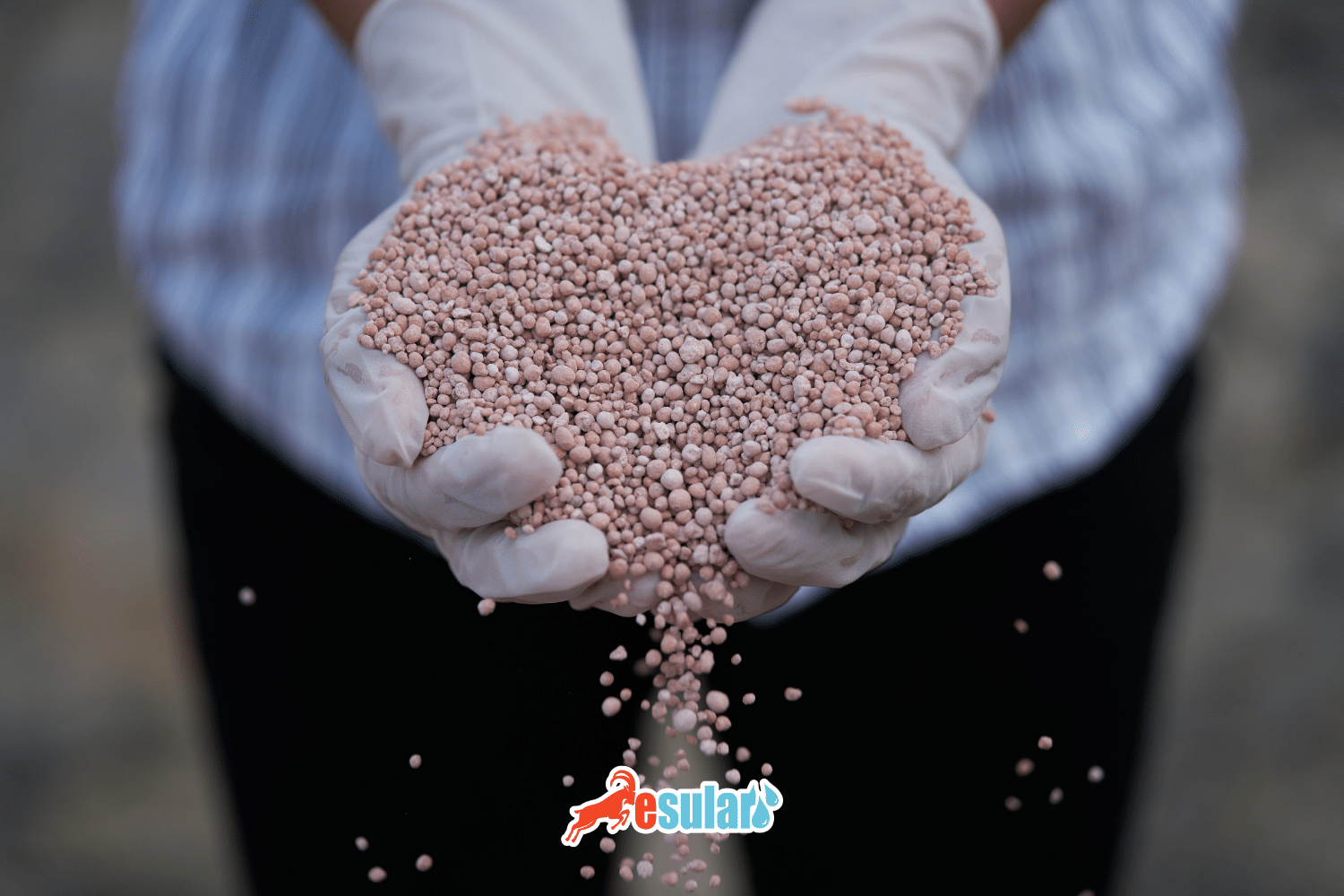
Molybdenum application generally provides the most beneficial results in the spring and summer months. It is important to have a soil analysis done before fertilization to determine the molybdenum level in the soil. This analysis is a fundamental step to determine the necessary amount of fertilizer and its need. Molybdenum fertilizers are generally found in liquid or granular form; therefore, the appropriate form and type should be selected according to soil characteristics and plant needs. While fertilizers in granular form are sprinkled directly onto the soil and mixed, liquid form fertilizers can be applied through irrigation systems. Mixing it well with the soil after application and performing irrigation ensures that molybdenum is effectively taken up by the plants. The amount of fertilization should be adjusted based on soil analysis results and plant type, as insufficient or excessive application can create negative effects on plants. It is important to monitor plant development and follow deficiency symptoms after fertilization.
What Should Be Considered When Using Molybdenum Fertilizer?
When using molybdenum fertilizer, some important issues should be considered to increase the productivity and health of plants. First, it is important to have a soil analysis done to determine the molybdenum level in the soil; this determines whether fertilization is necessary and in what amount it should be applied. Additionally, the type and form of molybdenum fertilizers should be selected according to the plant type and soil characteristics; the right choice should be made between fertilizers in liquid or granular form. Excessive use of molybdenum fertilizer can cause toxic effects in plants, so recommended dosages should be followed. Appropriate timing of fertilization is also critical; it generally gives the most effective results when applied in the spring and summer months, during the active growth period of plants. Mixing the fertilizer well into the soil after application and performing irrigation ensures better uptake of molybdenum by plants. Furthermore, it is important to regularly monitor the development of plants after applying molybdenum fertilizer, detect deficiency symptoms, and perform additional fertilization when necessary. Finally, since molybdenum uptake may decrease in soils with high pH levels, pH adjustments should also be considered.
Which Plants Need Molybdenum Fertilization More?
Molybdenum is a vital nutrient for some plants, and these plants especially need more molybdenum fertilization. Legumes, such as chickpeas, beans, and peas, have a high molybdenum requirement due to molybdenum's role in nitrogen fixation. Additionally, cruciferous plants such as cauliflower, cabbage, and Brussels sprouts need molybdenum fertilization to grow efficiently due to molybdenum's effect on protein metabolism. Root crops such as potatoes and carrots can be affected by molybdenum deficiency and may therefore require regular molybdenum applications. Leafy plants such as lettuce, spinach, and beets, which may experience problems during chewing, can also benefit from molybdenum fertilization. It is important to ensure a sufficient amount of molybdenum in the soil for these plants to grow healthily and provide high yields.
Yorumlar