
Tüm Yazılar
What is Corn Smut?
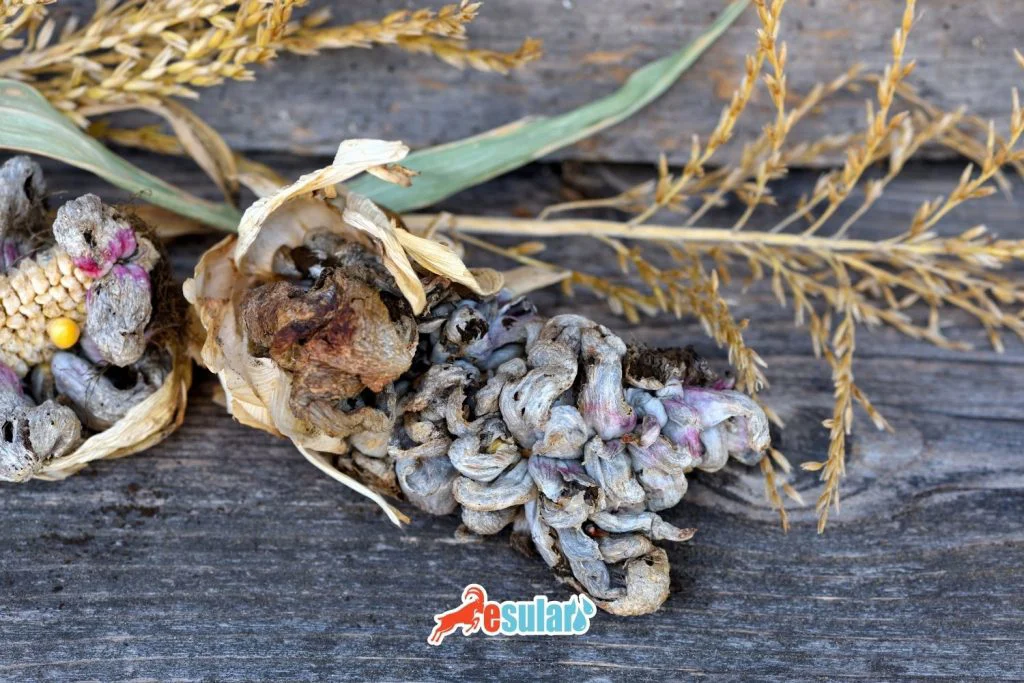
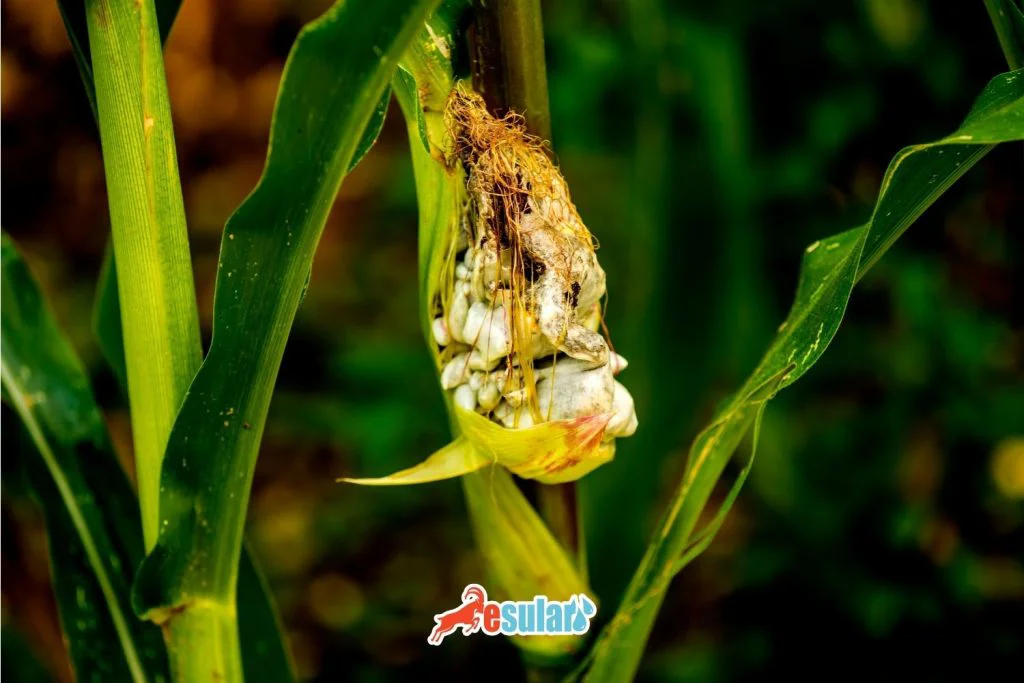
Corn smut is a serious plant disease caused by a fungal species called Ustilago maydis. This disease, generally seen on the leaves, stalks, ears, silks, and tassels of the corn plant, forms swellings called galls on the plant. These gall formations become more prominent and harmful, especially in young and rapidly growing plants. The disease spreads through various means such as wind, rain, insects, humans, and animals, and can negatively affect the plant's life cycle. Corn smut is a disease that can cause serious decreases in plant yield and is a common problem encountered in many regions where corn production is carried out.
What are the Symptoms of Corn Smut?
Corn smut disease manifests itself with visible symptoms in various parts of the plant. The main symptoms are as follows:
Gall Formation: Swellings called galls form on all above-ground parts of the corn plant, such as leaves, stalks, ears, silks, and tassels. These galls are initially covered with a hard, shiny, and gray-white membrane.
Growth Retardation: Growth stops or slows down in diseased plants. Especially in young plants, the infection progresses more severely and this situation seriously hinders the development of the plant.
Damage to Ears and Tassels: The disease causes serious damage to ears, tassels, and nodes. Galls formed in these areas reduce the plant's yield and negatively affect product quality.
Plant Death in the Early Period: Severe infection can cause the plant to die in the early period or prevent ear formation.
Sensitivity to Rot Agents: Kernels in ears taken from diseased plants are more sensitive to rot agents and can easily spoil.
These symptoms can help identify the presence of corn smut in the plant, and early intervention is important for minimizing damage.
Harms of Corn Smut
Galls appearing on ears due to smut reduce grain yield and lower the quality of the product. The disease progresses more severely in young plants and can stop the plant's development; if infection occurs in the early period, the plant may not be able to produce ears, which directly causes product loss. Additionally, kernels obtained from diseased plants become more sensitive to rot agents, leading to post-harvest spoilage and loss of quality. The corn smut agent can remain viable in the soil for up to 8 years, causing the disease to persist in the same field for many years. The spread of the disease can occur through wind, rain, insects, animals, and human activities, which causes rapid spread and large-scale damage in agricultural areas. Therefore, effectively combating corn smut and taking preventive measures is of great importance.
Cultural Control Methods Against Corn Smut
- Use of Certified Seeds: To prevent the spread of the disease agent, certified and disease-free seeds should be used. This significantly reduces the risk of infection.
Crop Rotation: To reduce the effects of corn smut disease, a crop rotation of at least 3-4 years should be applied in areas where the disease is seen. Crop rotation prevents the accumulation of the disease agent in the soil and thus reduces the likelihood of the disease occurring.
Measures Regarding Plant Residues: Smutted plant residues and galls should be appropriately destroyed without remaining in the soil. These should either be buried very deeply or burned. Also, they should not be given to animals as feed.
Pest Control: Pest control should be carried out to prevent the spread of the disease. Insects damaging plants and opening wounds can cause the disease to spread.
Balanced Fertilization: Balanced fertilization should be done according to analysis results, especially avoiding the use of more nitrogenous fertilizer than necessary. Excessive nitrogen can lower the plants' resistance to the disease and increase its spread.
These cultural control methods are important steps to minimize the effects of corn smut and keep the spread of the disease under control. Regular application of these measures in agriculture can help control the disease and prevent yield loss. Additionally, there is no chemical control for the disease.
Yorumlar