
Tüm Yazılar
What are Chicken Feeds? Chicken Feed Types
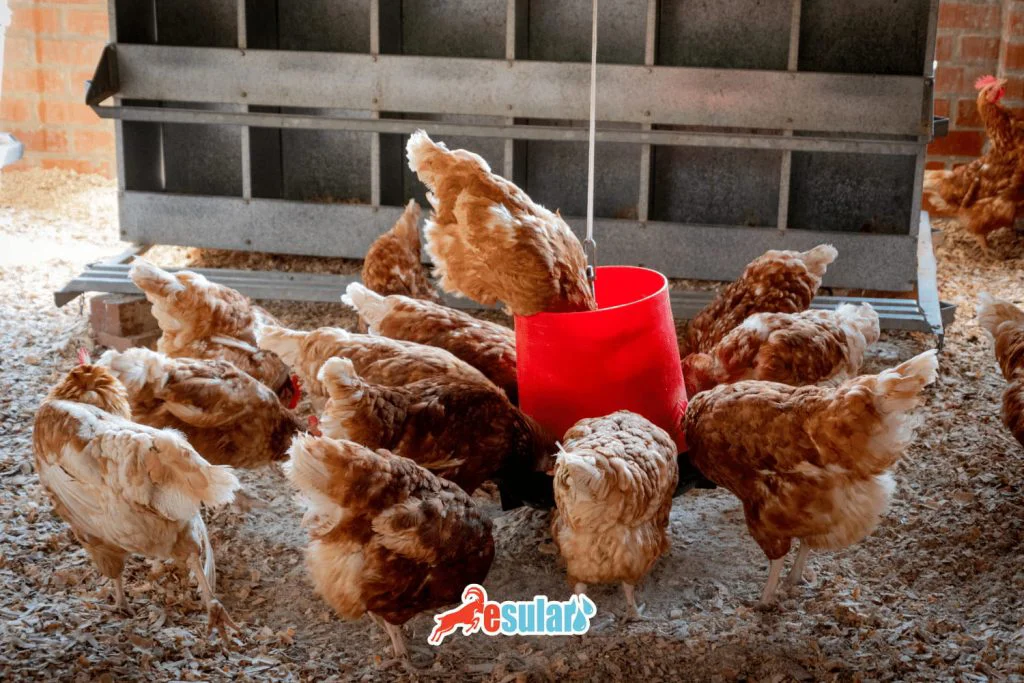
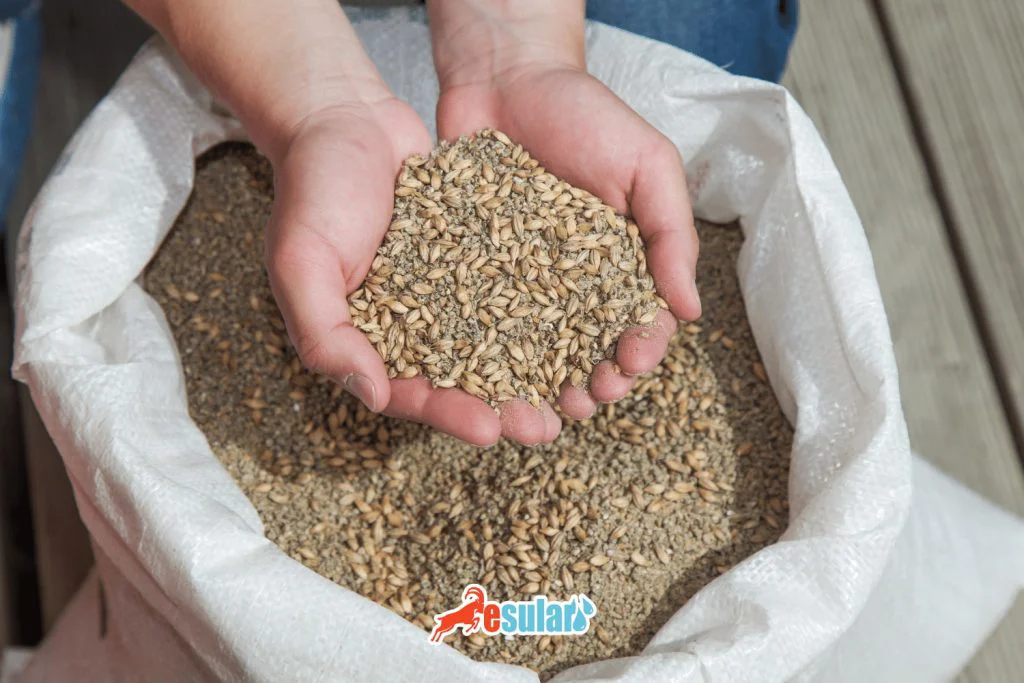
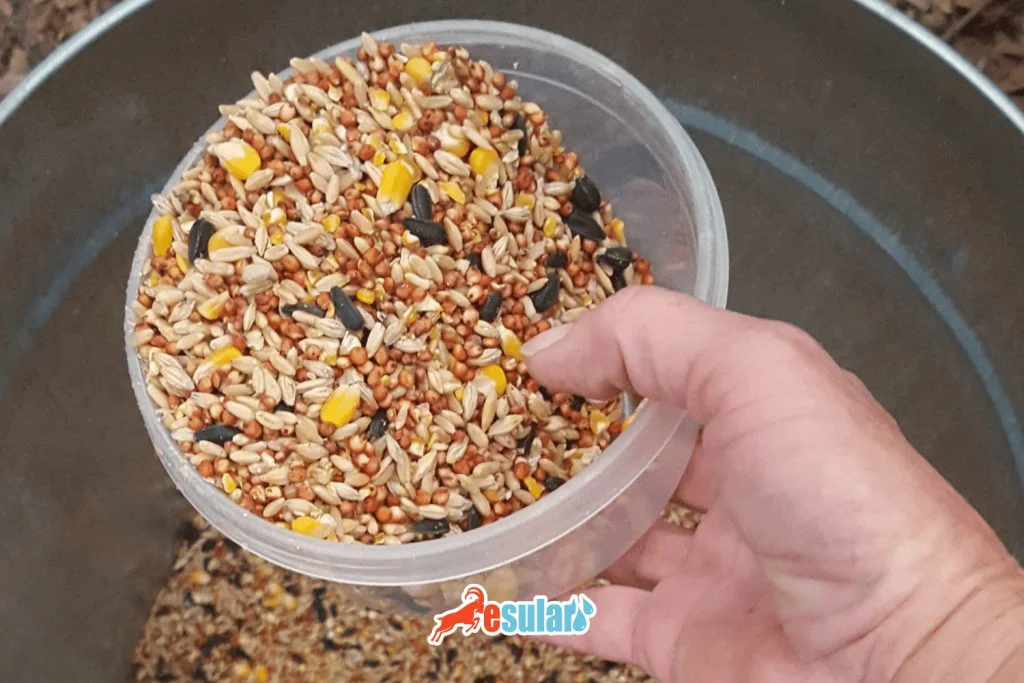
Chicken feed is special mixtures produced to ensure healthy and balanced nutrition for chickens. Chicken feeds generally consist of a balanced combination of different grains, protein sources, fats, minerals, vitamins, and other nutrients. Chicken feed types may vary according to the age, breed, production purpose, and environmental conditions of the chickens. For example, chick feeds generally have a higher protein content, while the feeds of laying hens may contain more calcium. Chicken feed content generally includes ingredients such as cracked wheat, corn, sunflower, soybean meal, marble dust, and salt. In some feeds, substances such as lysine, methionine, soda, premixes, toxin binders, and DCP may also be used in addition. It is known that chickens can consume various foods other than feed, and especially green vegetables are beneficial for health.
What are the Types of Chicken Feed?
Chicken feed types are generally sold as chick feeds and adult chicken feeds.
Chick Feeds:
- Chick starter feed: It is the feed used in the first days of newborn chicks. Providing high protein content and digestible energy, this feed supports the growth of chicks and strengthens their immune systems.
- Pullet grower feed: It is the next stage feed used in the growth and development process of chicks. These feeds generally have different protein and energy levels according to the age and growth rate of the chicks. Additionally, with the vitamins and minerals they contain, they ensure the healthy development of chicks.
- Adult Chicken Feeds:
- Laying hen feed: It is a type of feed specially formulated for chickens that produce eggs. High calcium content improves eggshell quality, while high protein content supports egg production.
- Broiler chicken feed: It is the type of feed used for chickens raised for meat production. These feeds generally have high protein and energy content, thus ensuring that chickens gain weight quickly and increasing meat yield.
Each of these types is prepared to meet the specific needs of chickens at different stages of their lives. Poultry farmers take these characteristics into account when choosing appropriate feed types for the health and productivity of their chickens.
Laying Hen Feed
It is a type of chicken feed specially formulated to feed chickens raised for egg production. This feed ensures that chickens grow healthily, increases egg production, and improves the quality of the eggs. Laying hen feed generally has a high calcium content. Because calcium is necessary for the formation of the eggshell. It also has a high protein content. Because protein supports egg production. Additionally, this feed meets the vitamin and mineral needs of the chickens. Thus, it ensures that they develop healthily and continue their egg production. Laying hen feed is generally offered in granule or pellet form. Therefore, it has a structure that chickens can easily consume. Poultry farmers choose a suitable feed by taking these details into consideration.
Meat Chicken Feed
Broiler chicken feed is a special type of feed used in industrial white meat production. This feed is an important composition that ensures broiler chickens grow quickly and healthily to reach the desired weight. Broiler chicken feeds, which generally have high protein content, support the muscle development of chickens and increase meat yield. For example, in these feeds, importance is given to protein sources and digestible energy sources.
What is Inside Chicken Feeds?
Chicken feeds are nutrient mixtures carefully formulated to support the healthy growth and development of chickens. These feeds generally consist of various components:
Grains: Grains such as corn, wheat, and barley form the basis of the feeds and are used as energy sources.
Protein Sources: Sources rich in protein such as soybeans, fish meal, and poultry by-products hold an important place in chicken feeds. Protein is necessary for muscle development and tissue repair in chickens.
Fats and Fatty Acids: Vegetable oils (e.g., sunflower oil), animal fats, and other fat sources are added to provide energy to chicken feeds and support the absorption of fat-soluble vitamins.
Minerals: Minerals such as calcium, phosphorus, sodium, and potassium are necessary for bone health, nerve function, and metabolic processes in chickens.
Vitamins: Vitamins such as A, D, E, and K support the immune system of chickens and regulate basic functions such as vision, reproduction, and metabolism.
Feed Additives: Prebiotics, probiotics, enzymes, and other feed additives are used to improve digestive health, increase nutrient absorption, and support the overall health of chickens.
The balanced combination of these components ensures the healthy growth and productivity of chickens by meeting their nutritional needs. Nutritionists adjust feed formulations depending on the age, species, and production purpose of the chickens.
What Do Free-Range Chickens Eat?
Free-range chickens, because they have a free-roaming area, generally consume various foods found in their natural environment. These foods can include the following:
-
Grass and Leaves: Free-range chickens can consume the leaves and grasses of plants such as grass, clover, and chicory.
-
Insects and Worms: Chickens meet their protein needs by hunting small invertebrates such as earthworms, insects, grasshoppers, and flies under the soil.
-
Seeds and Seeded Plants: Chickens can also eat seeds found in the soil, and seeded plants such as corn, wheat, and sunflower.
-
Fruits and Vegetables: Fallen fruits found on trees, leaves of fruit trees, and vegetables can also be among the nutritional sources of free-range chickens.
-
Soil and Stones: Chickens peck and swallow soil and stones for minerals and to support the digestive process. This helps them regulate their digestive systems.
Free-range chickens feed on these foods found in a wide range in their natural environment. Nutritional sources encourage the free roaming and natural behaviors of chickens. Therefore, they are important for both physical health and psychological well-being.
Yorumlar