
Tüm Yazılar
Soilless Lettuce Cultivation
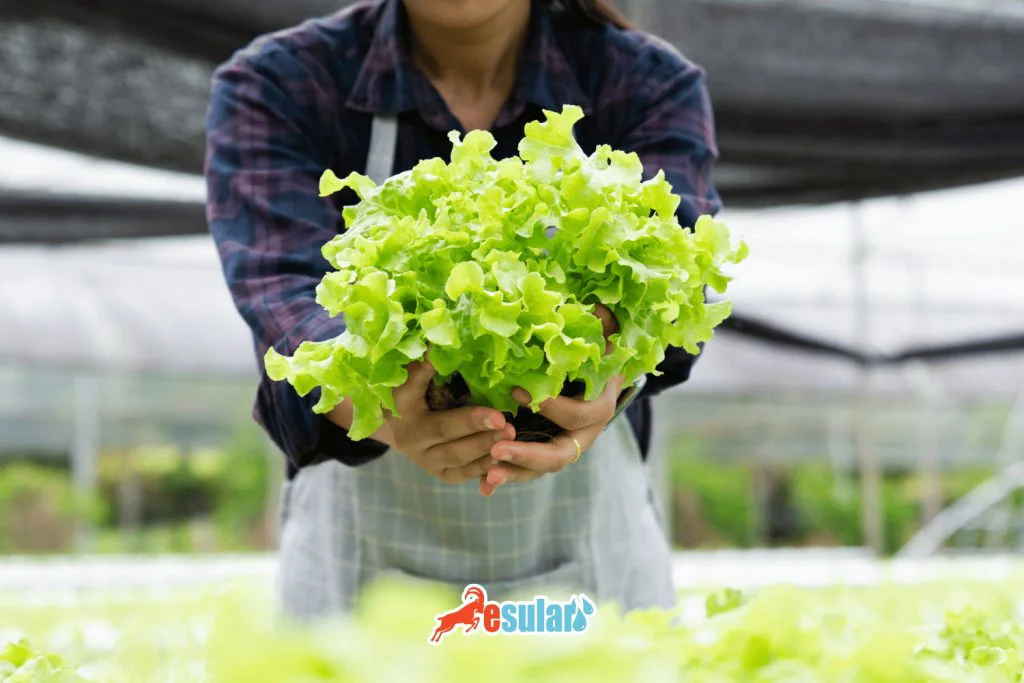
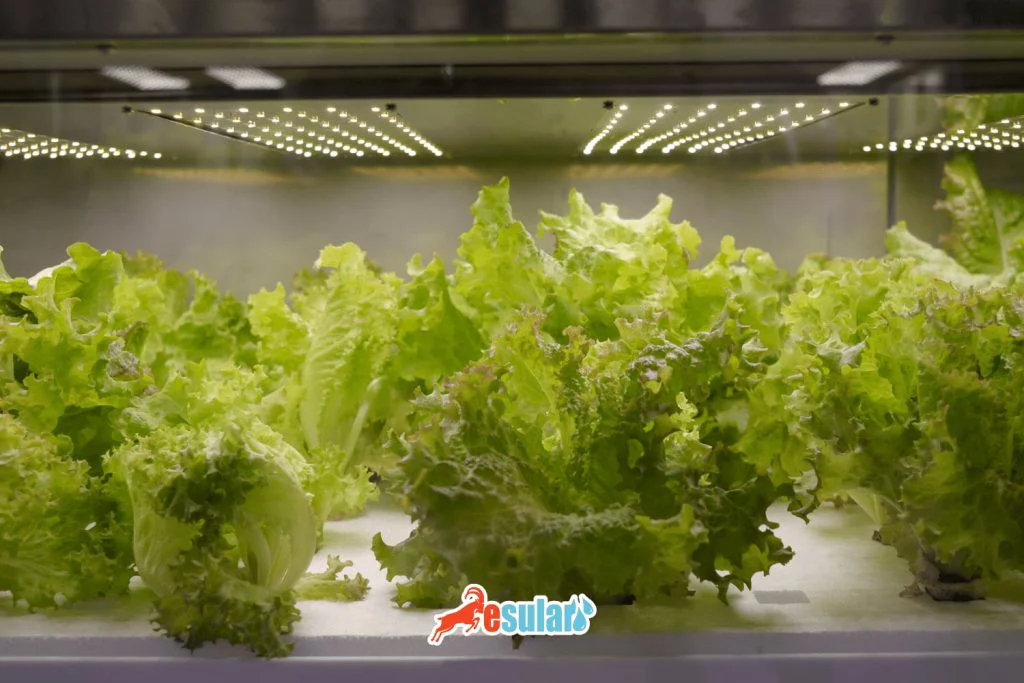
Soilless lettuce cultivation is becoming increasingly popular worldwide as an innovative and sustainable application of modern agriculture. This method allows leafy vegetables such as lettuce to be grown in nutrient-rich water solutions instead of soil. Soilless farming offers an ideal solution especially for those who want to practice urban farming and agriculture in urban areas. Hydroponic systems, first discovered and developed by researchers in the early 20th century, are used more efficiently and widely today with the advancement of technology.
Soilless lettuce cultivation is a highly profitable agricultural method. Lettuce is a fast-growing and high-demand vegetable; therefore, when grown in soilless farming systems, it provides high yields to producers in a short time. In hydroponic systems, the growth period of lettuce is shorter than traditional methods; it can usually be harvested within 30-40 days. This fast cycle offers the opportunity for continuous production throughout the year, which provides an economic advantage to farmers. In terms of application, soilless lettuce cultivation requires some technical knowledge and equipment initially, but once the system is established, its management is quite easy.
What is Soilless Cultivation?
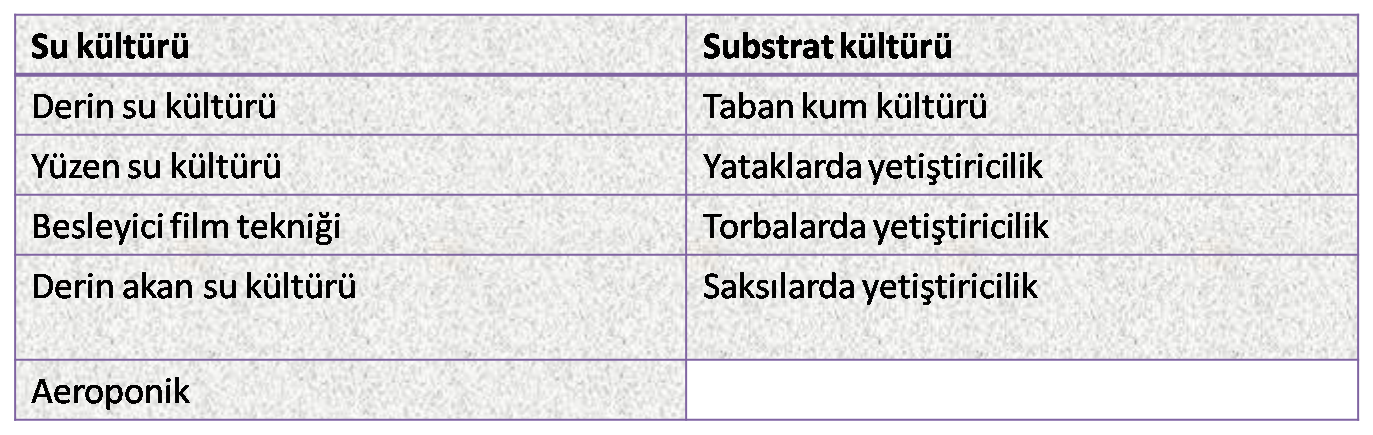
Soilless cultivation, unlike traditional agricultural methods, is a system where plants are grown without the need for soil. In this method, the roots of the plants are in different environments containing water, air, and nutrients instead of soil. Soilless farming offers many advantages such as increasing efficiency, reducing water and fertilizer use, growing plants that are more resistant to diseases and pests, and ensuring off-season production. The soilless cultivation methods are as follows;
To get more detailed information on this subject, you can examine our article at: https://esular.com/topraksiz-hidroponik-tarim.
Why Soilless Lettuce Cultivation?
There are many reasons why soilless lettuce cultivation is preferred. First of all, in this method, the roots of the plants can directly access nutrients, which allows them to grow faster and healthier. Additionally, combating diseases and pests in soilless systems is easier and more effective because risks associated with soil are eliminated. This method also supports sustainable agriculture. With less water use, it helps protect water resources and ensure less impact on the environment. Soilless lettuce cultivation, which can also be used in urban agriculture projects, encourages local food production and makes fresh products more accessible in cities. Emerging as an alternative to traditional agricultural methods, this method gives hope for a more efficient, healthy, and sustainable agricultural future.
Disadvantages of Soilless Lettuce Cultivation
Although soilless lettuce cultivation draws attention with its many advantages, it also brings some disadvantages. First of all, the initial cost of these systems is quite high. Special equipment, nutrient solutions, and other necessary materials require a serious investment. In addition, the maintenance and management of soilless systems are more complex and time-consuming than traditional agricultural methods. Issues such as water and nutrient balance, control of environmental factors, and constant monitoring of plant health require attention and knowledge. Also, another disadvantage of soilless lettuce cultivation is energy consumption; continuous electrical energy is required for the systems to operate, which increases energy costs. Finally, this method requires a different approach from traditional agriculture and can take time to get used to. For producers accustomed to traditional methods, learning and adapting to new technologies can be challenging. Although it contains some difficulties, soilless lettuce cultivation can balance these disadvantages with the advantages it offers, but it is important for those considering adopting this method to carefully evaluate all aspects and act accordingly.
Growing Medium in Soilless Lettuce Cultivation
In this system, lettuce plants are grown in nutrient-rich water solutions instead of soil, or in inert substrates such as perlite, vermiculite, coconut peat. This method allows plants to grow faster and healthier by delivering the nutrients they need directly to their roots. The nutrient solution contains macro and micro nutrients that lettuce plants need in all development stages. In addition to basic elements such as nitrogen, phosphorus, and potassium, calcium, magnesium, and trace elements are also present in the solution. These nutrients are easily absorbed by the roots of the plants and provide rapid growth. In addition, regular monitoring and adjustment of pH and conductivity levels ensure that plants use nutrients in the most efficient way.
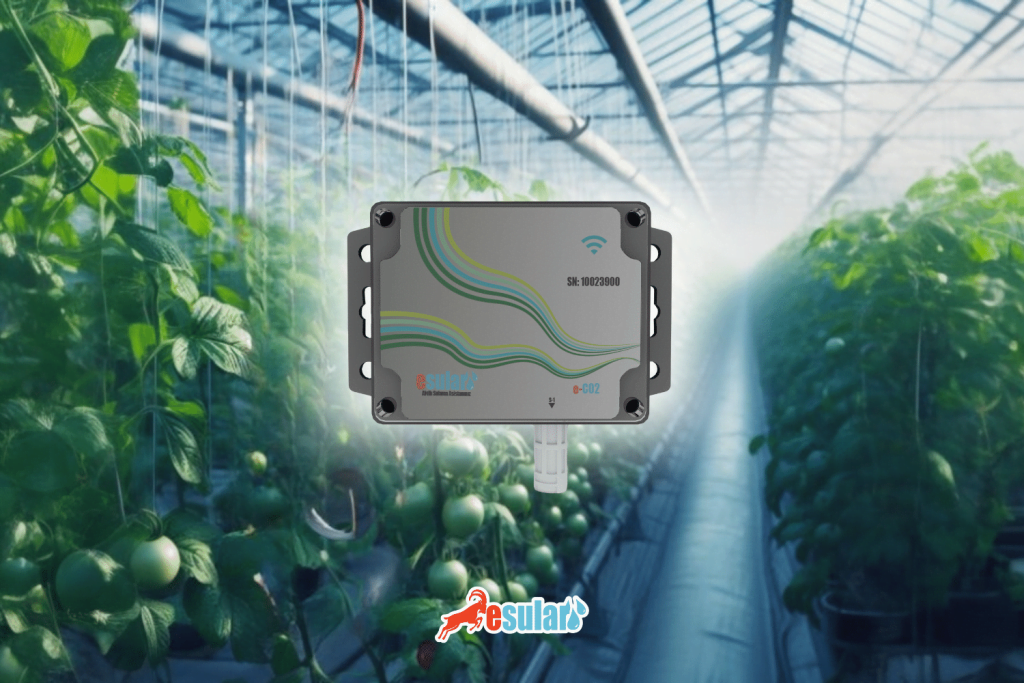
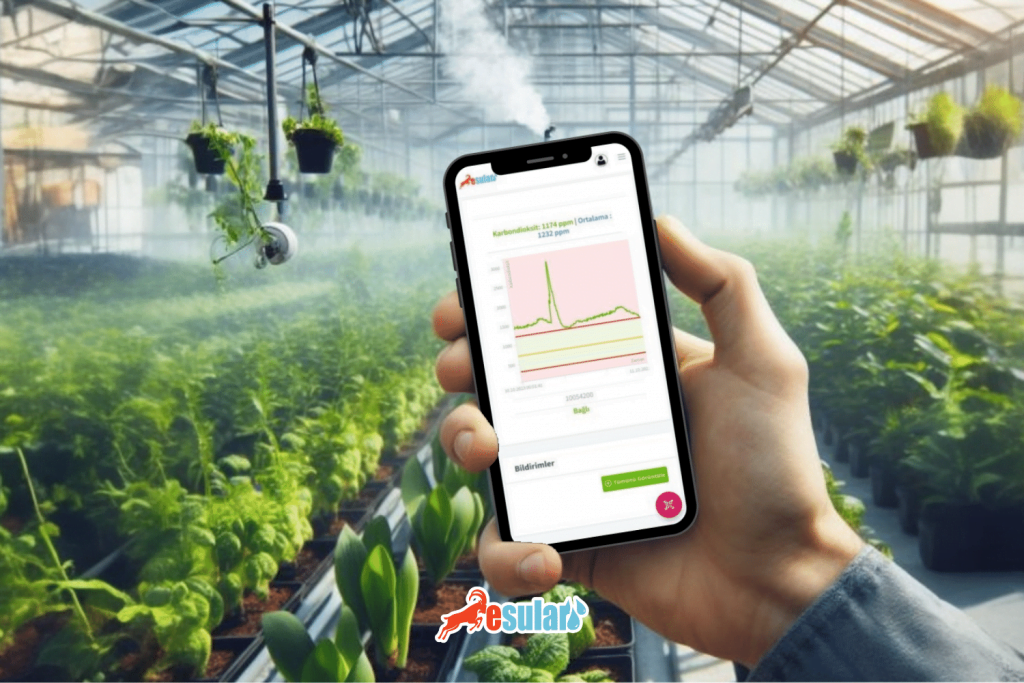
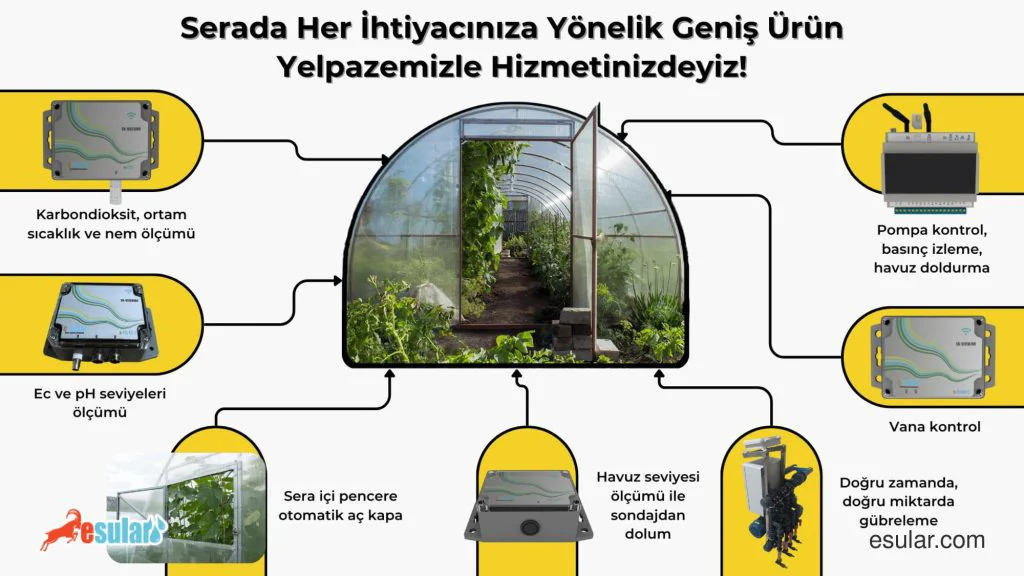
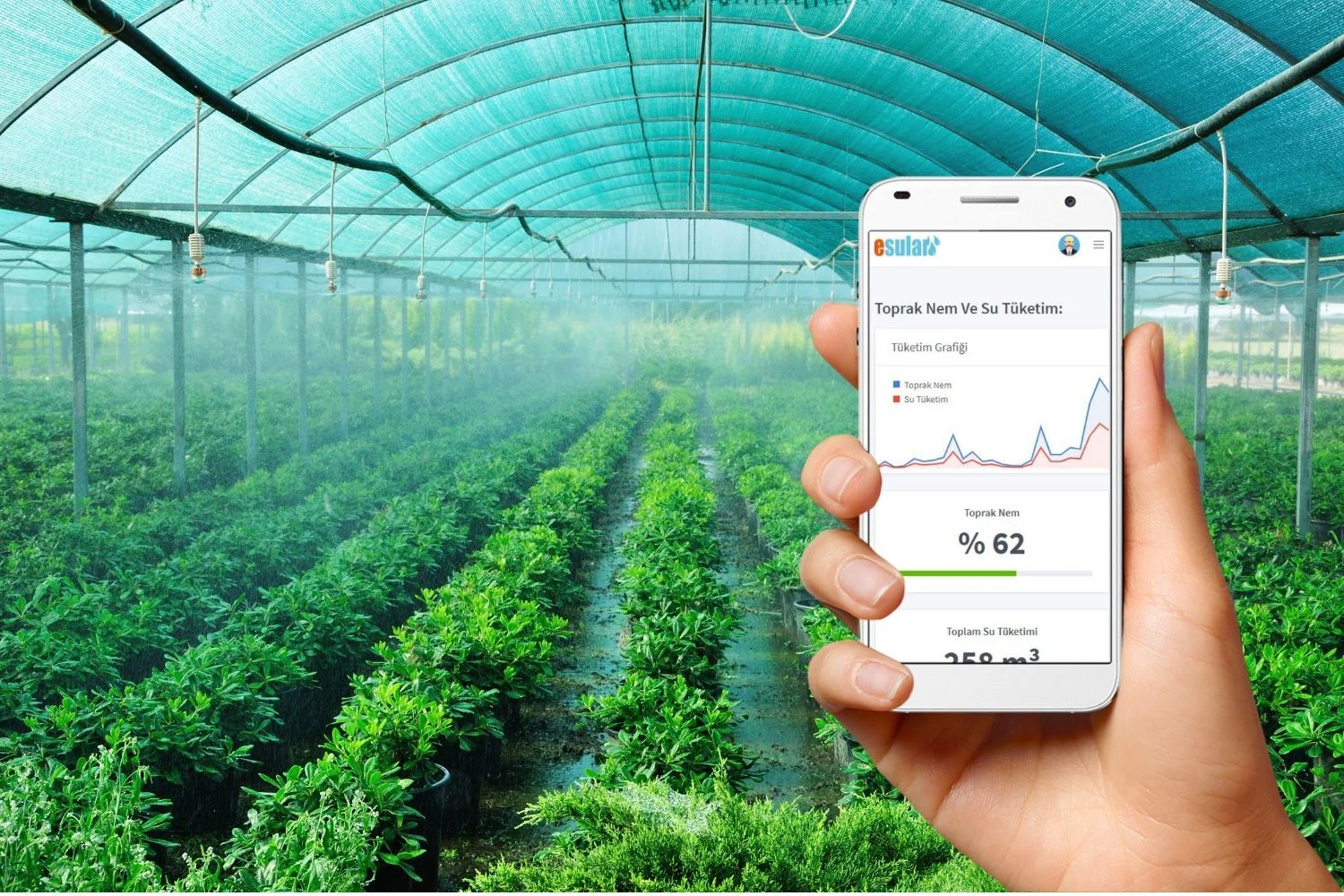
Success in modern agriculture starts with precise control of environmental factors. As esular, we are by your side with our high-precision sensors and automation systems developed to increase productivity and quality in soilless farming! 🌱
🔍 Temperature, Humidity, EC-pH, and Carbon Dioxide (CO2) Sensors:
Our sensors continuously monitor growing environments to provide the ideal conditions plants need. While every stage from photosynthesis to growth is optimized, plants grow healthy and strong.
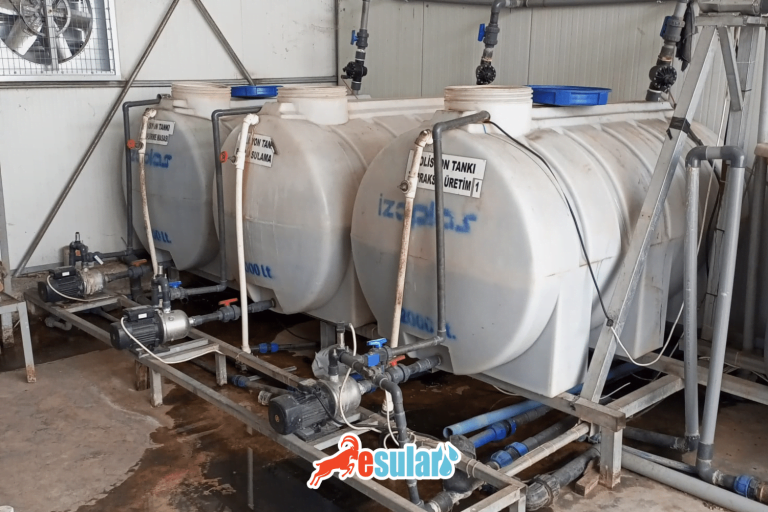
💧 pH and EC-Focused Automatic Fertilization:
Our systems offer automatic fertilization based on pH and EC values to meet the nutritional needs of plants in the most accurate way. Thanks to this smart approach, fertilizers are used most efficiently, optimum nutrients are provided to plant roots, and resource waste is prevented.
✨ Efficiency and Sustainability:
In modern production processes such as soilless lettuce cultivation, our sensors and automatic fertilization systems offer both healthier plants and higher yields. Keeping environmental factors under control increases the sustainability of production and product quality.
Meet esular’s advanced agricultural solutions and stay one step ahead in agriculture! Contact us for detailed information.
Building the Agriculture of the Future Today.
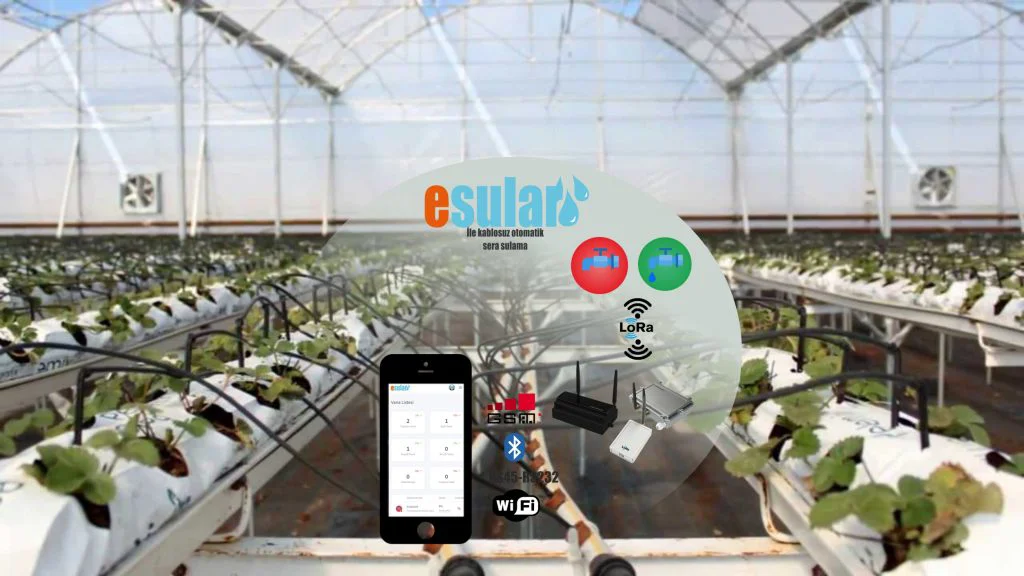
Click Here for Soilless Farming Greenhouse Irrigation and Climate Control Solutions.
Which Varieties are Used in Soilless Lettuce Cultivation?
In soilless lettuce cultivation, various lettuce species can be used, and these are generally fast-growing, high-yielding, and delicious varieties. Here are the most commonly preferred lettuce varieties:
Butterhead Lettuce: Known for its soft and buttery leaves. It gives very good results in hydroponic systems and is especially popular in salads. Boston and Bibb lettuce fall into this category.
Crisphead Lettuce (Iceberg): Recognized by its firm and crunchy leaves. Although it requires a bit more care in hydroponic cultivation, it is preferred due to its high yield and durability.
Romaine Lettuce: Known for its long, upright leaves and strong structure. It grows easily in hydroponic systems and is widely used in salads with its healthy leaves.
Leaf Lettuce: Shows variety with its crunchy and soft leaves. It has red and green leaf types and is very productive in hydroponic systems. It can usually be harvested in a short time.
Oakleaf Lettuce: Known for its leaves that resemble oak leaves. It can be in various colors and grows easily in hydroponic systems. It is frequently used in salads and decorative dishes.
The preference for these varieties in soilless lettuce cultivation is important in terms of rapid growth and high yield of the plants.
Plant Nutrition in Soilless Farming
Plant nutrition in soilless farming is done by providing the nutrients plants need directly through water. This method provides the nutrients obtained from the soil in traditional agriculture to the plants through a nutrient solution in hydroponic systems. The basic elements of plant nutrition in soilless farming are as follows:
Nutrient Solution: In soilless farming, specially formulated nutrient solutions are used to meet all the needs of the plants. These solutions contain macro and micro nutrient elements necessary for the healthy growth of plants.
pH and EC Control: The pH value of the nutrient solution affects the capacity of plants to absorb nutrients. Generally, the pH level in hydroponic systems is kept between 5.5 and 6.5. This range ensures that nutrients are taken up by plant roots in the most efficient way. Electrical conductivity (EC) measures the total mineral salt concentration of the nutrient solution, and the optimal EC level is adjusted according to the needs of the plants.
Water Quality: The quality of the water used in the nutrient solution is of critical importance for plant health. Therefore, mineral content and pH value should be checked regularly.
Nutrient Management: In soilless farming systems, the nutrients needed by plants are adjusted according to plant development stages. While solutions containing higher nitrogen are used in the development of seedlings, the ratio of phosphorus and potassium is increased during the fruit and flowering periods.
Sensor and Automation Systems: In advanced hydroponic systems, sensors are used that continuously monitor parameters such as pH, EC, and temperature of the nutrient solution. These sensors are integrated with control systems that automatically regulate the state of the nutrient solution and maintain nutrient balance.
Yorumlar