
Smart Greenhouses
Smart greenhouses are modern greenhouses equipped with sensors, automation systems, and remote access technologies to increase efficiency in agricultural production and manage environmental conditions in the best way possible. Basic parameters such as temperature, humidity, light intensity, and carbon dioxide level are monitored in real-time and automatically adjusted according to needs. In this way, while plants are ensured to develop in ideal conditions, the use of water, energy, and fertilizer is also minimized. Smart greenhouses offer an important solution for sustainable agricultural practices and allow farmers to control production processes digitally.
How Do Smart Greenhouse Systems Work?
Going beyond traditional greenhouse cultivation, smart greenhouses make production more efficient, sustainable, and controlled by keeping environmental conditions at an optimum level without the need for human intervention. These systems monitor factors such as temperature, humidity, light intensity, soil moisture, pH, EC, and carbon dioxide instantaneously through sensors. The collected data is transmitted to a central control unit; operations such as irrigation, ventilation, fertilization, shading, and heating are carried out automatically.
Thanks to the solutions we offer as Esular, producers can monitor and manage their greenhouses remotely, receive warnings at critical threshold values, and customize their systems according to their needs. Thus, both product quality increases and the use of resources such as water, energy, and fertilizer is optimized. Smart greenhouse systems are one of the most powerful applications representing the digital transformation of modern agriculture.
Technologies Used in Smart Greenhouses
These structures, which provide the ideal environment for plant growth without the need for human intervention, are equipped with advanced sensors, control systems, and software.
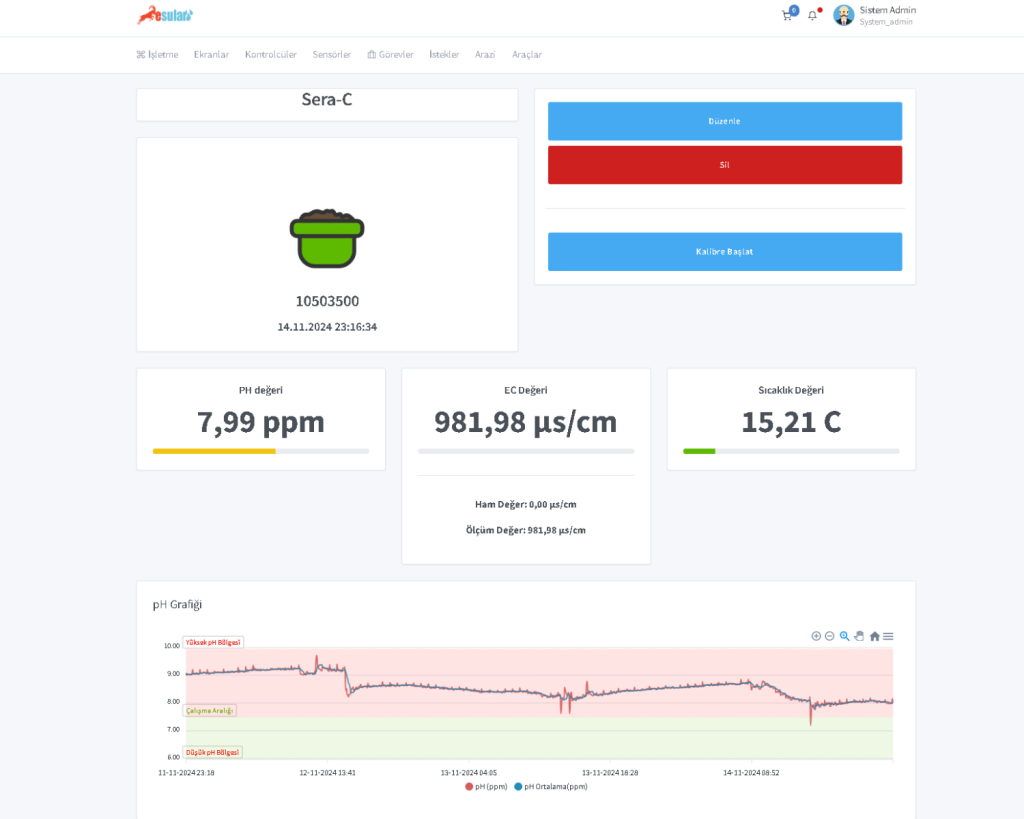
Environmental Sensors: In smart greenhouses, sensors that measure data such as temperature, humidity, soil moisture, light intensity, CO₂ ratio, pH, and EC (electrical conductivity) are used. Thanks to this data, the development conditions of the plants can be monitored instantaneously.
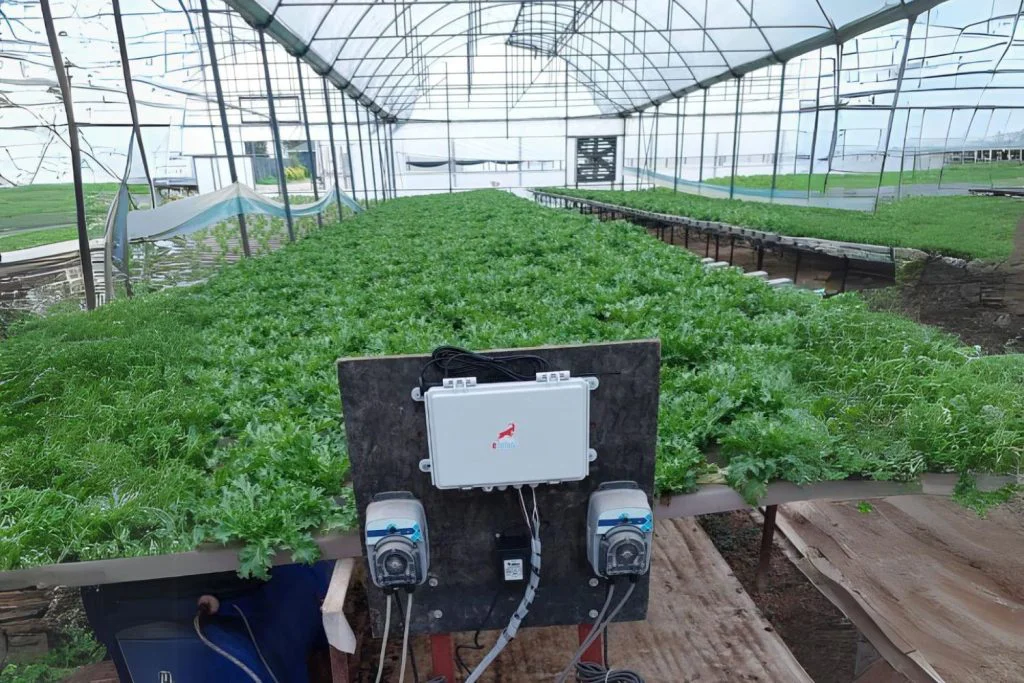
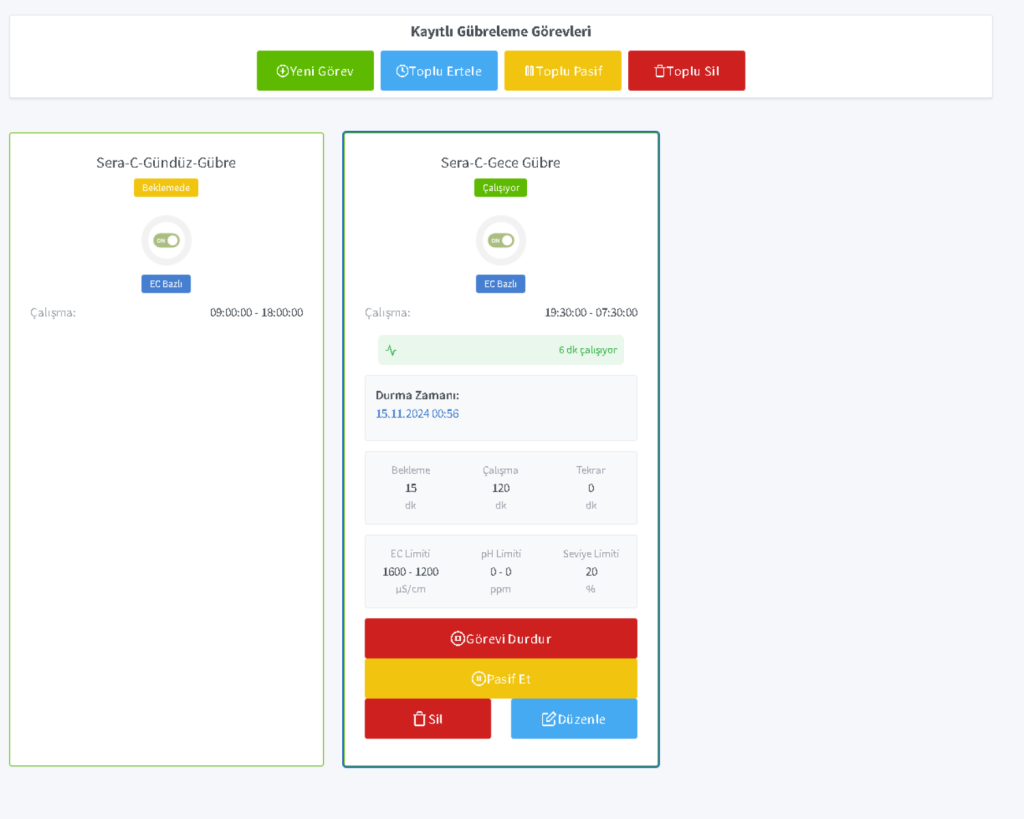
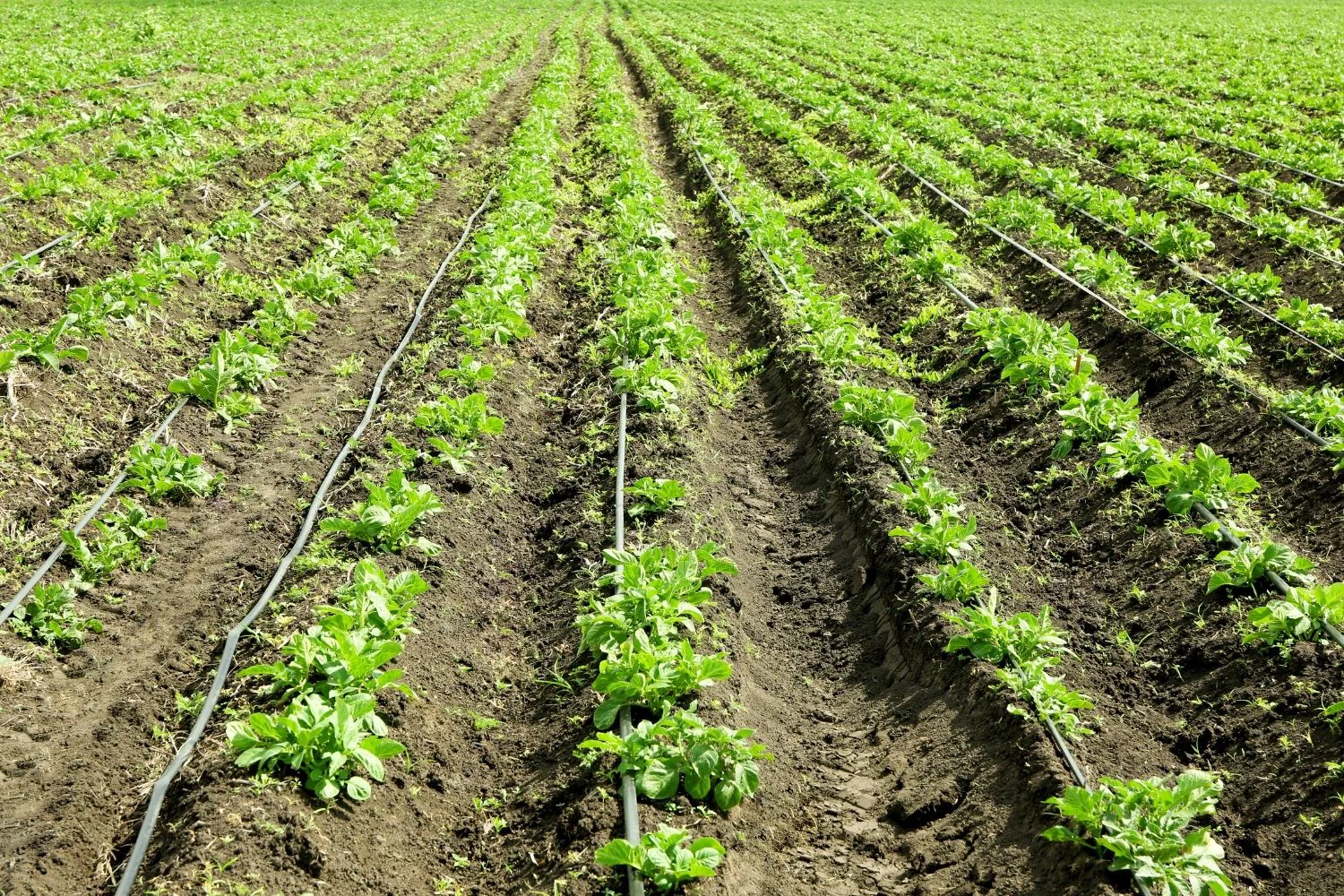
Automatic Irrigation and Fertilization Systems: Systems operating according to data received from moisture, EC, and pH sensors automatically provide the appropriate amount of water and nutrients for the plant's needs. In this way, both waste is prevented and plant development is optimized.
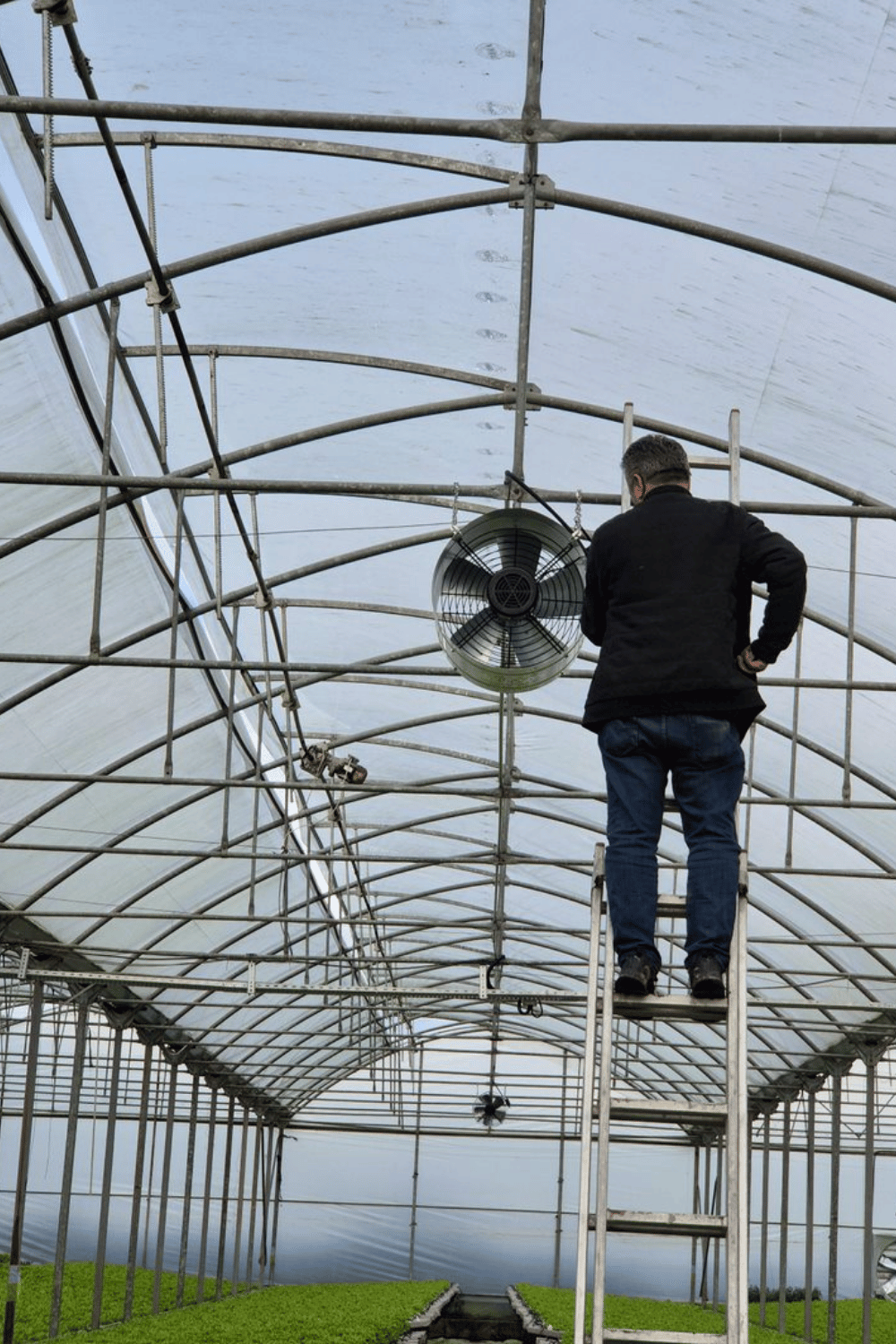
Climate Control Technologies: Equipment such as fans, heaters, fogging systems, and motorized windows are used to keep temperature and humidity at the ideal level in greenhouses. These systems operate automatically based on the data coming from the sensors.
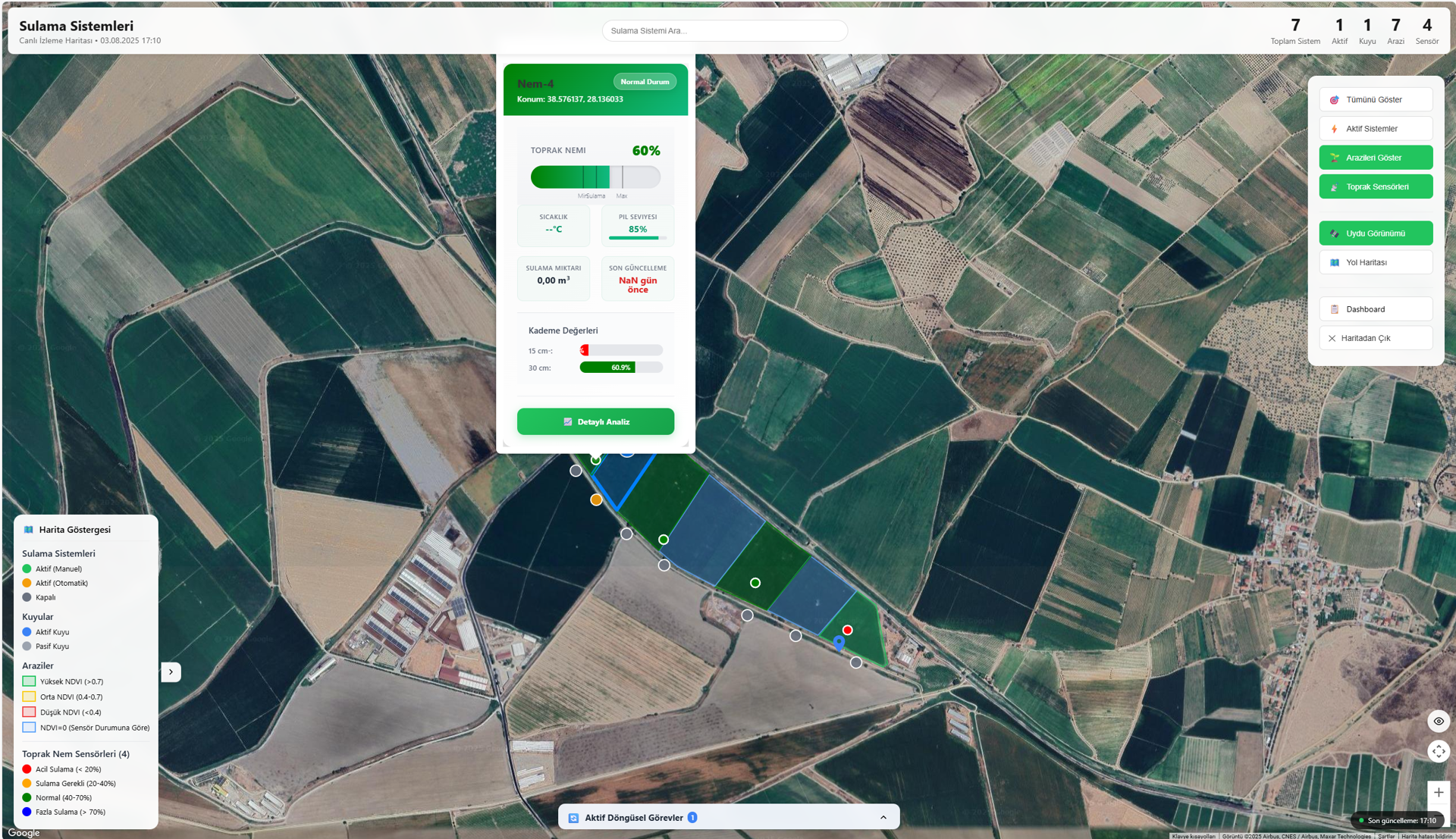
Remote Monitoring and Management: Producers can track greenhouse data instantaneously via mobile applications or web-based panels and control systems remotely. In this way, all operations can be managed without physically going to the greenhouse.
These technologies both reduce labor and offer a more controlled, efficient, and sustainable agricultural model by digitalizing production processes.
Smart Greenhouse Installation and Management
One of the greatest advantages of smart greenhouse systems is that their installation is much easier than you think. With the plug-and-play structure, sensors can be activated in a few steps, and existing greenhouses can be digitalized effortlessly. Vital data such as heat, humidity, soil moisture, light, and EC become instantaneously monitorable. Moreover, as Esular, we do not leave you alone during the installation process — we offer support at all stages via remote connection, ensuring the system works correctly and efficiently. The real convenience starts after installation: Thanks to the smart interface, you can manage all processes from a single screen and take control of your production with data-driven decisions. Unnecessary workload is eliminated, and resources are used more efficiently.
Yorumlar