
What is a Silkworm?
The silkworm is an insect species that spends a part of its life as a butterfly. This species is responsible for the production of silk thread, which is a valuable product used especially in the textile industry. The caterpillar, which is in the larval stage of the silkworm, produces this valuable thread by weaving a unique cocoon.
Silk thread is known for its durability as well as its strong and smooth structure. While the silkworm creates its own cocoon structure, it is protected from environmental effects and takes the shape it is in during this process. When the cocoon is completed, the silkworm emerges from this protective structure and transforms into a butterfly.
This transformation is part of the silkworm's life cycle. After becoming a butterfly, it completes reproductive processes such as mating and laying eggs. The silkworm plays an important role in industrial activities related to silk production, because the silk thread obtained is used in many textile products.
How Silkworm Rearing is Done
Silkworm rearing has gained importance as a valuable activity aimed especially at the needs of the textile industry. This method involves a process that forms the basis of silk thread production. Rearing usually begins with silkworms; these creatures are first placed in rearing environments at the egg stage. Larvae hatching from the eggs are raised with a special feeding program, and the matured caterpillars are ensured to pass into the cocoon weaving stage.
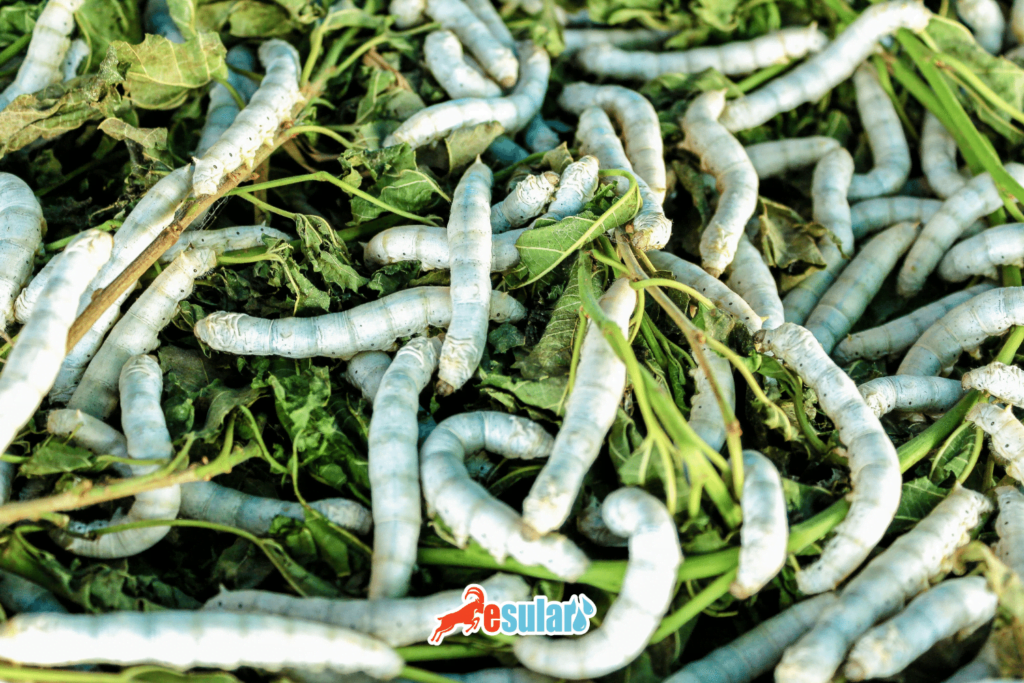
The caterpillars of silkworms are left in a suitable environment to weave their own special cocoon structures. This cocoon forms the main source of silk thread production. After the caterpillars create the cocoon, the cocoon is harvested and the silk threads inside are obtained. These threads are then used in the production of textile products.
Silkworm rearing involves a special set of skills that requires careful care and management. Correct nutrition, suitable temperature and humidity conditions are important for the successful completion of this process. Furthermore, silkworm rearing must be done in a sustainable manner, as this activity plays an important role from an economic and ecological perspective.
Feeding of the Silkworm
Mulberry Leaf: Silkworms feed especially on mulberry leaves during the caterpillar stage. Mulberry leaves are the primary food source for silkworms. These leaves provide the nutrients necessary for the silkworm to grow and store energy during the larval stage.
Mulberry Leaf Selection: The mulberry leaves offered to silkworms must be clean, fresh, and free from chemical intervention. For high-quality silk production, it is important to select mulberry leaves correctly.
Feeding Process: Silkworms feed continuously during the caterpillar stage. As caterpillars grow and mature, they need more food. The feeding process is carefully followed by people engaged in silkworm rearing, and appropriate feeding programs are applied.
Water Need: Silkworms also have a need to drink water. However, since water is usually obtained from food sources, direct water provision is often not required.
In silkworm rearing, nutrition has a significant impact on production quality. Feeding caterpillars with a correct and balanced diet ensures their healthy development and the production of quality silk threads. The feeding process is a stage managed with care in silkworm rearing, and attention is paid to various factors, especially food quality.
The Life Cycle of the Silkworm
The life cycle of the silkworm consists of four basic stages: egg, larva, pupa (cocoon), and adult (butterfly). Here are the detailed explanations of these stages:
Egg Stage: The silkworm life cycle begins with the egg stage. The female silkworm lays eggs after a special mating process. These eggs are usually laid on leaves or a suitable surface. The eggs incubate under suitable conditions.
Larva (Caterpillar) Stage: The larva emerging from the egg, namely the caterpillar, forms the second stage of the silkworm life cycle. Caterpillars feed especially on mulberry leaves. In this stage, caterpillars grow and store energy. As they grow, the color of the caterpillars changes, and after a while, they become ready to weave a cocoon.
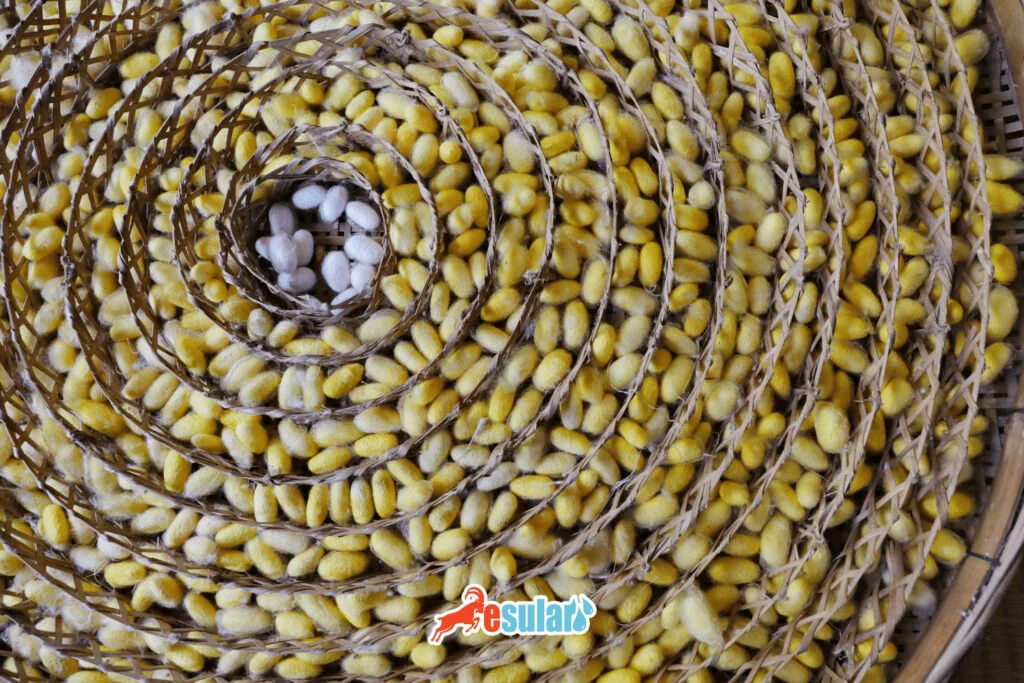
Pupa (Cocoon) Stage: Caterpillars retreat to a place to create a cocoon and begin to secrete silk thread. The silk thread forms a capsule around the caterpillar, allowing it to protect itself. This capsule represents the pupa stage of the silkworm. In the pupa stage, metamorphosis occurs in the cells inside, and the silkworm begins to transform into a butterfly form.
Adult (Butterfly) Stage: After the pupa stage, the silkworm becomes an adult butterfly. The butterfly can fly freely by emerging from inside the cocoon. This stage usually involves a short life span. Adult butterflies perform the tasks of mating and laying eggs. After this stage, their lives are completed.
The silkworm life cycle is a natural cycle and is carefully managed during the silk production process. Especially in cases where rearing is done to obtain silk threads, these life cycle stages are carefully followed, and optimal production is targeted by providing the necessary conditions.
How is Silk Obtained from the Silkworm?
The process of obtaining silk from silkworms usually includes the following steps:
Egg Stage: Silkworm rearing begins at the egg stage. Silkworm eggs are stored in specially prepared environments and kept under suitable conditions.
Larva Stage: Larvae hatching from eggs are subjected to a special feeding program. They usually feed on mulberry leaves. In this stage, larvae grow by feeding and store energy.
Cocoon Weaving Stage: When the larva reaches the maturation period, it begins to weave a cocoon. The silkworm is protected inside this cocoon it weaves itself with liquid silk secreted from its mouth. The cocoon is the primary source of silk thread.
Cocoon Harvest: After the cocoon is created, it is carefully collected without breaking its integrity. This process is usually done by hand and is carried out with care to preserve the integrity of the cocoon.
Silk Thread Unwinding: The harvested cocoons are taken into a hot water bath and the silk thread is unwound. In this process, the silk threads inside the cocoon are unwound, extended, and combined.
Thread Harvest and Processing: The unwound silk threads are then collected and processed. The threads are then made ready for weaving or knitting processes.
These steps represent the traditional silk production process. Along with technological developments, automation and modern production methods are also used in this process, but the basic principles generally remain the same. The process of obtaining silk is considered an art that requires care, and providing the right conditions is important for high-quality silk production.


Yorumlar