
Tüm Yazılar
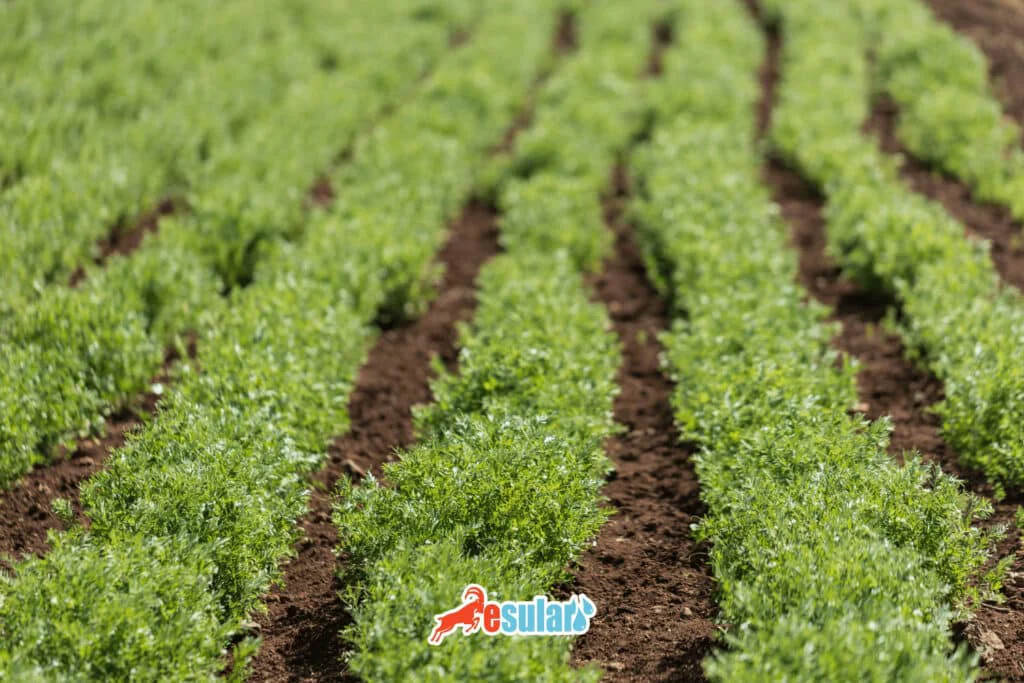
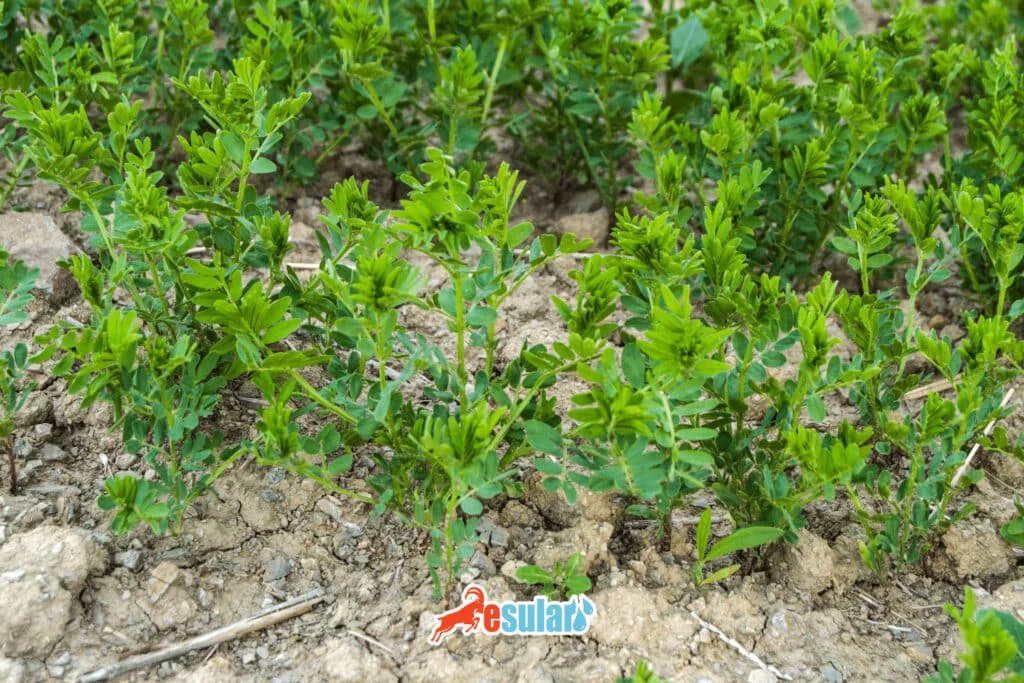
Lentil Cultivation
Lentil cultivation is a type of edible legume that plays an important role in human nutrition due to its high protein content. Especially by being included in crop rotation in arid regions, it provides additional income to producers and the national economy. Lentil cultivation has varieties suitable for winter and summer sowing. Lentil (Lens culinaris) is one of the four species in the Lens genus belonging to the legume (Fabaceae) family. In reality, although all species within the Lens genus are generally called “lentils” with lens-shaped and edible seeds, Lens culinaris is the most common and frequently consumed species when “lentil” is mentioned.
Lentil Climate and Soil Requirements
Lentil is the most drought-resistant among edible legumes and is resistant to heat and cold. It requires a minimum temperature of 15 °C for the germination of seeds. During the vegetative period, lentils grow in a closed and humid environment like cereals. Excessive rainfall during this period may cause the lentil plant to lodge and make harvesting with a combine harvester difficult, and it can also increase grain loss. Long-term high temperatures during the flowering period reduce yield; hot and dry weather is preferred during this period. Rain falling at this stage can delay the harvest and lead to an increase in mold fungi. Lentil can grow in various soil types from sandy, loamy, calcareous soils to heavy clay soils. For good yield, aerated, sandy-loamy-calcareous soils are recommended. Lentil develops well in slightly acidic soils (pH: 5.5-6.5). However, in plantings made in areas with a high water table, the vegetative period of the plant is prolonged, machine harvesting becomes difficult, and grain loss increases.
Soil preparation
In lentil cultivation, soil preparation for both winter and summer sowing starts with the first plowing with a moldboard plow at a depth of 15-20 cm in the autumn following the grain harvest. In winter sowings, second plowing is done with a cultivator-harrow set before sowing in the autumn, paying attention to grain stalks so that the stubble height does not create problems in sowing, and the seedbed is prepared. In summer sowings, the field is left until spring after the autumn plowing. Before sowing, the second plowing is done using a cultivator-harrow set and the soil is made ready for sowing.
Variety and Seeds
While red lentils are grown as winter crops in the Southeastern Anatolia Region, green lentils are preferred as summer crops in Central Anatolia, Eastern Anatolia, and Western Transition Regions. Quality seeds should have high germination power, be full-grained, and not be damaged by diseases. In research institutes affiliated with the Ministry of Agriculture and Rural Affairs, as a result of studies on winter and summer, green and red lentil varieties suitable for different regions, varieties with high yield, quality, and disease/pest resistance have been developed. Among these varieties are registered winter lentil varieties such as Fırat-87, Kayı-91, Sazak-91, Seyran, Kafkas, Özbek, and Çiftçi, while registered summer lentil varieties include Sultan-I, Malazgirt-89, Erzurum-89, Alidayı, and Meyveci-2001.
Fertilization in Lentil Cultivation
Lentil binds free nitrogen from the air to the soil through nodules formed by bacteria called Rhizobium in its roots. For this reason, the nitrogen requirement of the plant is quite low. The most suitable fertilizer doses required in the first growth stage of the lentil should contain 2-2.5 kg nitrogen and 5.5-6.5 kg phosphorus per decare as pure matter. These amounts are equivalent to 12-14 kg/da DAP (Diammonium phosphate) fertilizer. Fertilizer should be applied to the soil with a seed drill during sowing. If broadcast sowing is to be performed, the fertilizer should be scattered on the soil surface and mixed into the soil with a cultivator or disc harrow.
Lentil Sowing
Winter lentil sowing is carried out in November in the Southeastern Anatolia Region, while it is done in October in Central Anatolia and Transition Regions. Summer lentil sowings should be carried out in early spring, at the end of February and beginning of March. If summer varieties are sown in the winter months, they may be damaged by cold weather conditions and cause yield loss. Winter varieties are generally not affected by winter and cold. In the Thrace region, summer varieties are mostly sown at the beginning of March. Delay in sowing can cause yield loss. Lentil sowing is generally carried out with the seed drill used in wheat sowing. The amount of seed to be sown per decare in both winter and summer lentils varies depending on the size of the seed to be sown. For seeds that are clean and have high germination power, 250-300 seeds per m² should be sown for winter lentils, and 175-225 seeds per m² for summer lentils. The amount of seed to be sown per decare varies between 14-15 kg in winter and 10-12 kg in summer for large-grained flat lentils. For small-grained lentils, it is around 8-10 kg in winter and 7-8 kg in summer.
In which month is green lentil sown?
Winter lentil sowing is carried out in November in the Southeastern Anatolia Region, while it is carried out in October in Central Anatolia and Transition Regions. Summer lentil sowings are generally carried out in early spring, at the end of February and the beginning of March. In case summer varieties are sown in winter months, they may be damaged due to cold weather conditions and lead to yield loss. Winter varieties are generally not affected by winter and cold weather conditions. In the Thrace region, summer varieties are mostly sown at the beginning of March.
Lentil Care
One of the main factors limiting winter lentil sowing is weeds. Effective control cannot be achieved with existing herbicides, and this situation leads to yield loss. When weed control is successfully carried out, the yield of winter lentils is 50% higher compared to summer lentils. In lentils grown as summer crops in the Central Anatolia Region, a one-time weeding process is largely beneficial. Since fields are generally large in the Southeastern Anatolia Region, manual weeding is not economical. Therefore, it is necessary to carry out the first plowing with a deep plow and the second plowing during the germination period of weeds after rainfall, which is important for weed control.
Lentil Harvest and Threshing
When lentil plants take on a lemon-yellow color in the Central Anatolia and Transition Regions and the grains do not crush when taken between two fingers, it means the harvest time has come. The harvesting process is mostly carried out by pulling by hand or mowing with a scythe. The harvested plants are kept in piles for 5-6 days to dry in the field and then threshed using a threshing machine. In the Southeastern Anatolia Region, lentil plants are harvested with a scythe, a mower moving on the tractor's power take-off, or a combine harvester. If the harvest is done with a combine harvester, it should be waited until the lentils are completely dry. However, in case of waiting more than necessary, the grains start to shed. The most ideal time for harvest is the early morning hours.
How much does green lentil yield per 1 decare?
Green lentil yield, the amount obtained per decare, varies depending on a number of factors. These factors include climate conditions, soil quality, sowing methods, fertilizers used, variety characteristics, and disease management. Therefore, specific information based on local factors is required to determine green lentil yield in a particular region and condition. To give general information, green lentils, like other legumes, can increase soil fertility, especially due to their good nitrogen-binding properties. However, more specific information based on local climate, soil, and cultural factors is needed to specify a clear yield amount. Farmers can generally get more specific and regional information on this subject from local agricultural experts or organizations with agricultural expertise.
Storage
Lentil grains obtained after harvest are subjected to a cleaning process (cleaning stones, soil, broken grains, etc.) by being subjected to the selection process. Then, the product should be placed in medicated warehouses, and fumigation should also be applied against harmful organisms.
Yorumlar