
Tüm Yazılar
How to Grow Mint?
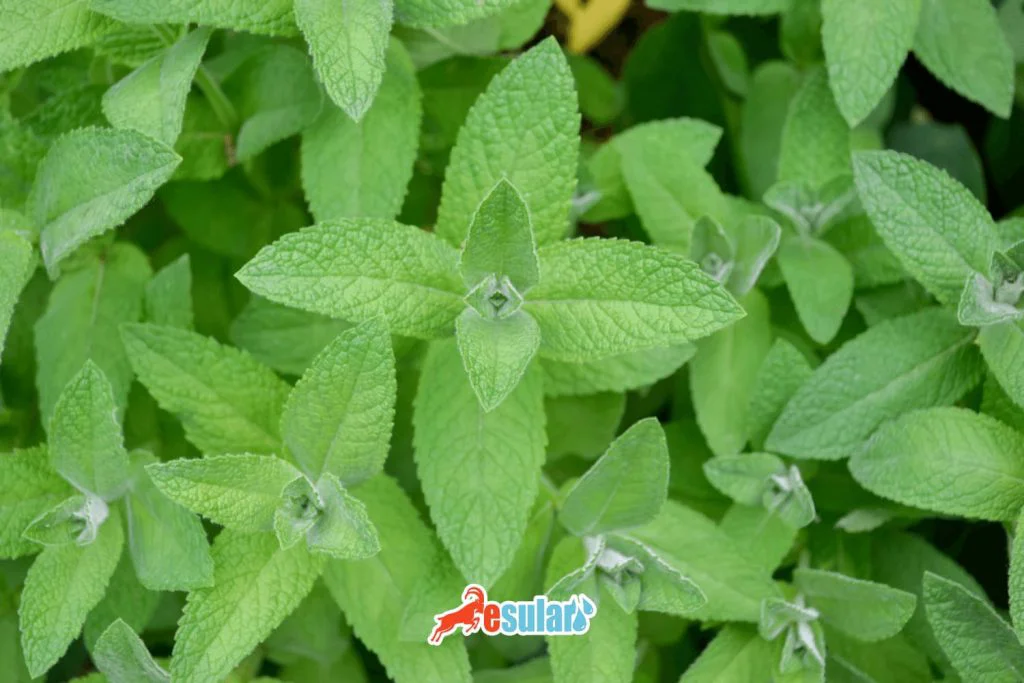
Mint cultivation is a highly productive agricultural business with proper care and management. The mint plant has been consumed both fresh and dried for many years and has various areas of use. Besides its health benefits, it is also known for its strong aroma and flavor. Mint, which is from the Lamiaceae family, is an herbaceous plant with the scientific name Mentha piperita. Mint, grown for both commercial and hobby purposes, is generally preferred in the Aegean, Marmara, and Mediterranean regions. Choosing suitable soil is important for mint cultivation. Humus-rich, well-drained, and fertile soils are ideal for mint. Since the mint plant is a sun-loving plant, it should be grown in areas receiving full sun.
Climate and Soil Structure in Mint Cultivation
First, suitable climate conditions must be provided for mint cultivation. The mint plant generally develops better in temperate climate regions. Regions with hot and dry summers and mild and rainy winters are ideal for mint cultivation. High humidity can cause the mint plant to be more sensitive to diseases and pests. Therefore, excessive humidity should be avoided. Soil structure is also important for mint cultivation. The mint plant grows best in well-drained, humus-rich, and slightly acidic soil. The soil pH value should generally be between 6 and 7. Heavy clay soils are not suitable for mint cultivation because they can prevent root development and cause water accumulation. Sandy soils or humus-rich soils are more suitable for mint cultivation. Because they provide good drainage and facilitate the roots' breathing. Therefore, the most suitable climate and soil conditions for mint cultivation are well-drained, humus-rich, and slightly acidic soils found in temperate climate regions.
How is Mint Grown?
Two basic methods are used for the propagation of the mint plant: propagation by cuttings and growing from seeds. In propagation by cuttings, first, a healthy and strong mint plant is selected. Cuttings called stem cuttings are taken from this plant. Stem cuttings are cut from the sturdy and young parts of the plant's stem. The length of the cut cuttings should generally be between 10 to 15 centimeters. Then these cuttings are planted in the soil and waited for them to root. The rooting process generally takes several weeks, and during this time, regular irrigation and suitable environmental conditions must be provided. Growing from seeds is a more direct method. In this method, mint seeds are sown directly into the soil. The method of growing from seeds generally requires a longer process but can provide a wider range of plants. Both methods must be applied at the right time and under suitable conditions to give successful results. In this way, the propagation and cultivation of the mint plant can be carried out in a healthy and productive manner.
Irrigation in Mint Cultivation
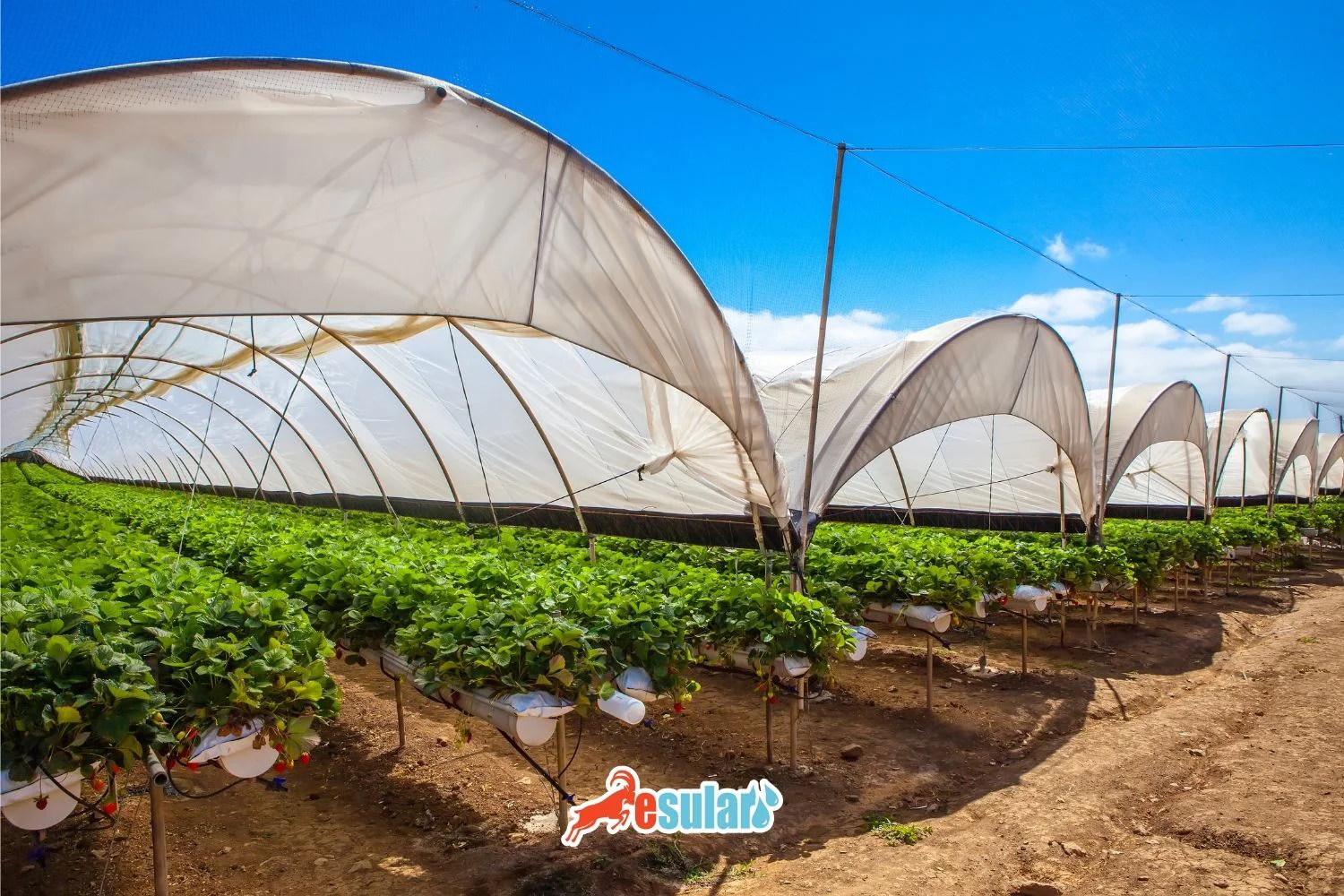
Mint is a plant that needs a large amount of water and cannot be grown commercially in areas with low annual rainfall and no irrigation. Therefore, almost all commercial mint fields are supported with regular irrigation between harvests, especially before and during the summer months. Especially in the summer months, due to hot weather and high evaporation, water on the soil surface evaporates quickly and the plant's need for water increases. In these periods, irrigation frequency and amount should be increased even more. In addition, irrigation should be done between harvests to meet the plant's water need, because if there is no regular irrigation, the plant may dry out and yield may decrease. In commercial mint fields, modern irrigation methods such as drip irrigation or sprinkler irrigation are generally used. These systems help to save water and increase productivity by ensuring that water reaches the plant's root zone directly and regularly.
Smart Irrigation Systems in Mint Cultivation
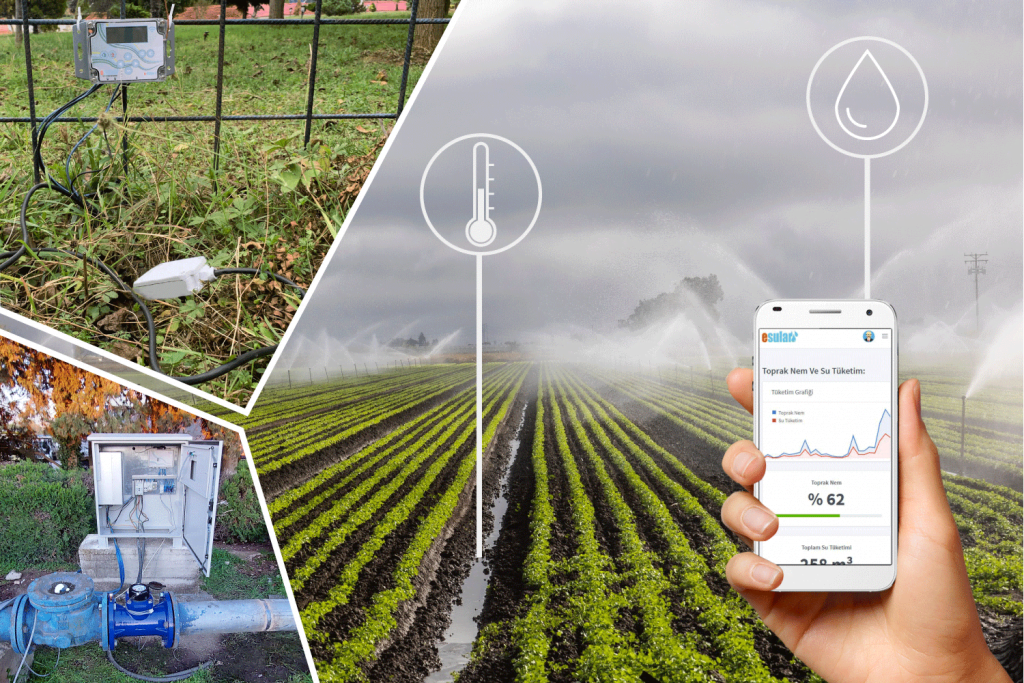
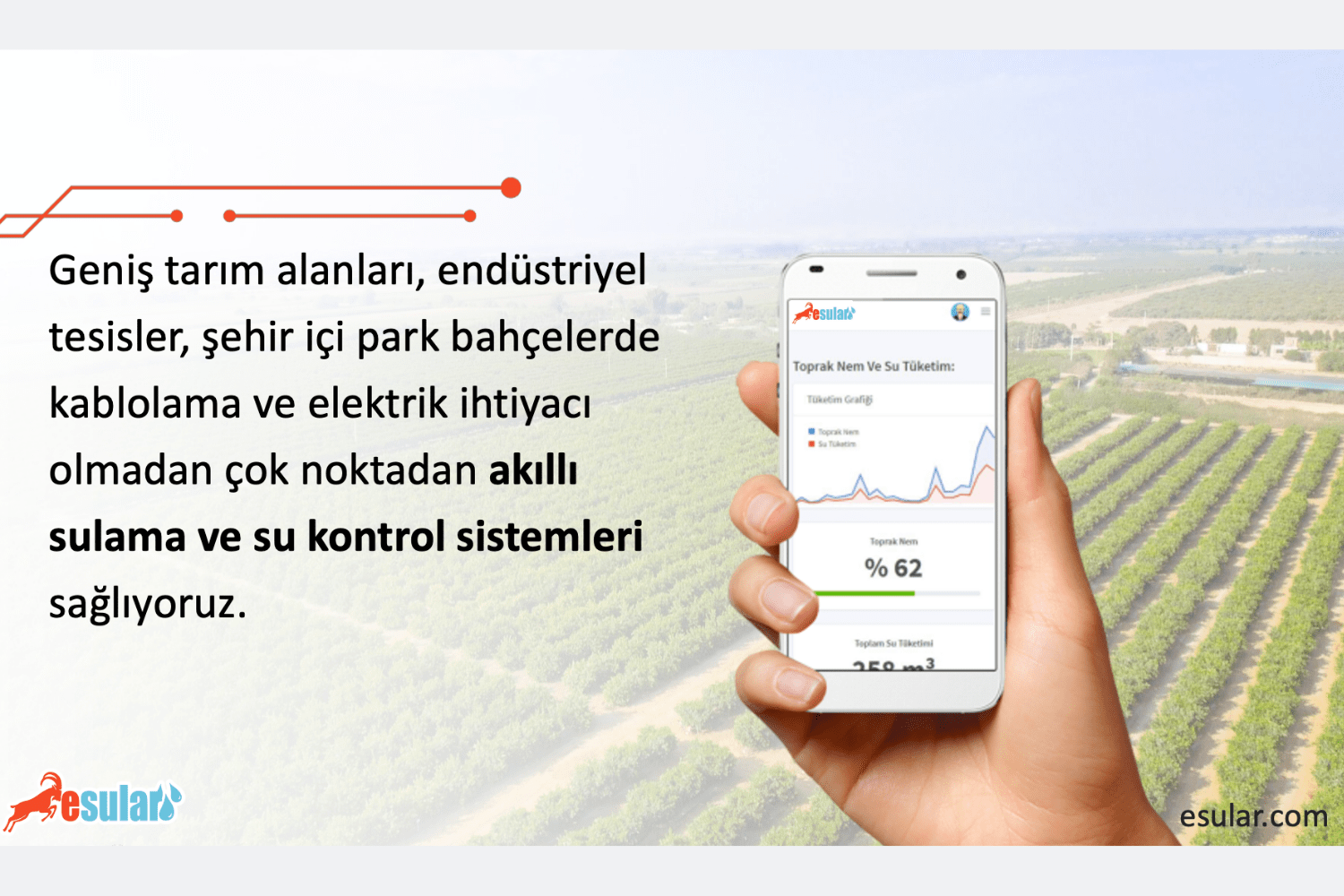
Using smart irrigation systems in mint cultivation is an important method that provides water savings while increasing productivity. Smart irrigation systems are systems developed for the most effective irrigation of irrigation areas, providing water as much as the plant needs, and obtaining maximum yield from water and production. Smart irrigation systems are systems that meet field and plant status measurements with smart valve control and sensors. In such automatic irrigation solutions, not only is regular irrigation performed, but also production efficiency is ensured by performing more effective irrigation together with the environment, plant type, measurement data, and climatic conditions, ensuring maximum utilization of resources. With smart irrigation systems, more yield is obtained with fewer resources; it feeds the plant, not the soil. In this way, it makes a big difference! . Because when you deliver water and nutrients directly to the roots, you lower your costs. More importantly, your plant becomes healthier and you increase your yield. You can contact us to get more detailed information on this subject.
Fertilization in Mint Cultivation
Mint generally prefers soils rich in organic matter, well-drained, and humus-rich. Soil pH should be between 6.0 and 7.5. Fertilization is important in three stages in mint cultivation; pre-fertilization, post-planting fertilization, and pre-harvest fertilization. Pre-fertilization is done during the preparation of the field, and organic fertilizers are applied to increase the fertility of the soil. Post-planting fertilization generally takes place during the plant's growing season. At this stage, a fertilizer containing basic nutrients such as nitrogen, phosphorus, and potassium can be used. This fertilizer encourages root development of the plant, supports the healthy growth of leaves and shoots, and protects the overall health of the plant. The amount and timing of fertilization can vary depending on local climate conditions, soil characteristics, and the growth stages of the plant. Therefore, the fertilization program should be determined by local experts or agricultural specialists. Also, excessive fertilization should be avoided.
Harvest in Mint Cultivation
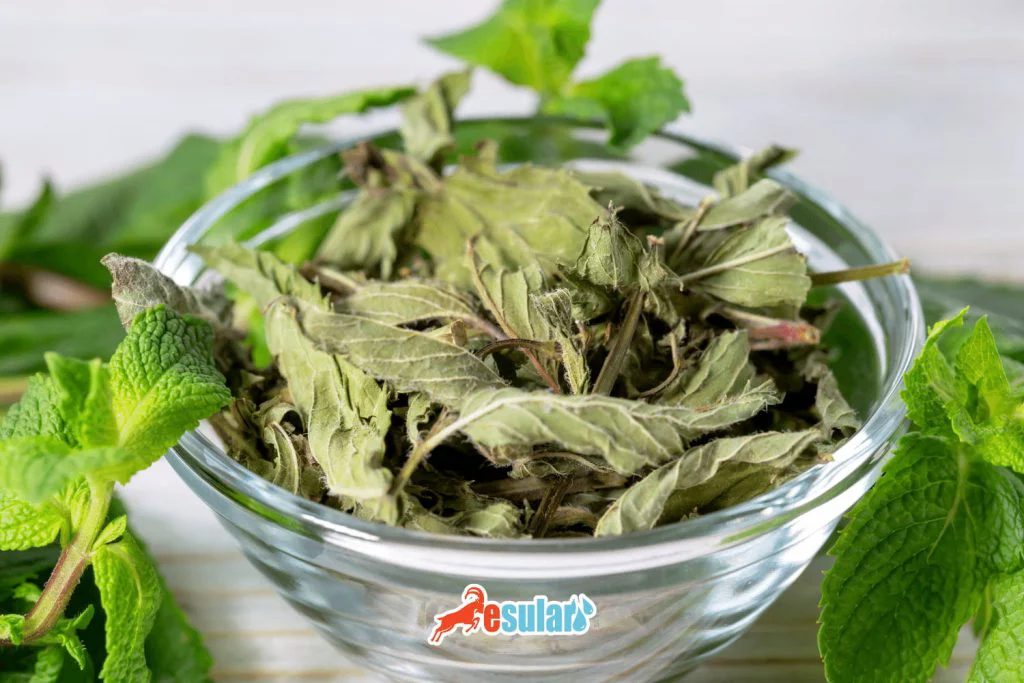
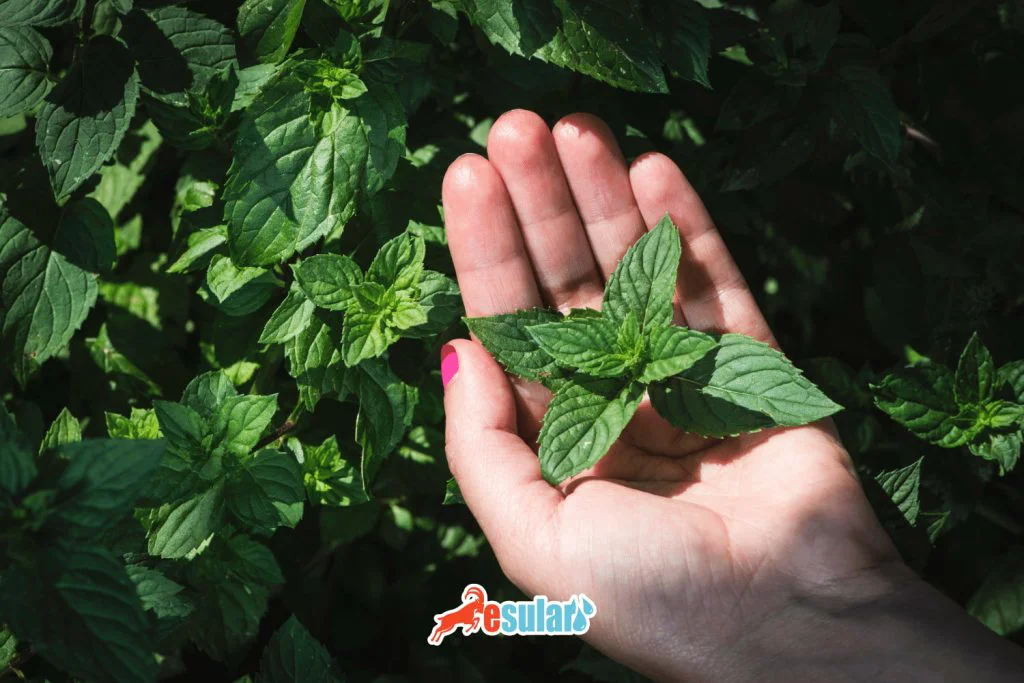
Harvest in mint cultivation is one of the most important stages of the plant and correct timing is of great importance. Genellikle bitkinin çiçeklenme döneminde gerçekleşen hasat, uçucu yağ içeriğinin en yüksek olduğu zamandır, bu da aromanın en güçlü olduğu anlamına gelir. Harvest usually takes place in the flowering period of the plants in mid-summer, and the top parts of the plants are collected by hand. In this process, it is important not to damage the main stem or lower leaves of the plant. Harvested mint leaves and shoots should be carefully cleaned and sorted. Then, the leaves are either preserved by drying or used fresh. The harvest process should be repeated regularly so that the plant can continuously produce new leaves.
How Many Times a Year is Mint Harvested?
Since mint plants are perennial plants, their productivity continues for a long time. They can generally be harvested regularly for 5-6 years. During this period, the growth potential of the plants is preserved and productivity levels continue steadily. In regions where the winter season is mild, mint plants are generally suitable for cutting 4-5 times a year. These frequent cutting periods allow the plants to continuously regrow and maintain their productivity. High cutting frequency can help plants produce fresh leaves more often and increase harvest yield.
What are the Diseases and Pests Seen in Mint Cultivation?
One of the main problems encountered in mint cultivation appears as mint rust. This disease tends to be seen especially in rainy weather and can spread quickly. Problems such as leaf spot fungus and powdery mildew are also frequently encountered diseases in mint plants. These diseases can cause serious damage especially to the roots and reduce yield. Among the pests of the mint plant, insects such as aphids, spider mites, and thrips stand out. These pests can cause damage to the leaves and shoots of the mint plant. While aphids weaken the plant by sucking its sap, spider mites can lead to yellowing and shedding in leaves. Thrips can create spots on the leaves of the plant and prevent the plant's growth. Fighting these pests is an important issue in mint cultivation and they can be taken under control with appropriate spraying and cultural control methods.
Yorumlar