
Tüm Yazılar
How to Grow Radishes?
Radish cultivation is an important part of vegetable production. Radish is an edible vegetable from the Brassicaceae family, usually with round or cylindrical roots. It can generally be in white, red, or black colors. This plant, which grows underground, prefers cool and humid climate conditions. Radish, which has high economic value, is an important product for commercial and home farming. This vegetable, which is in demand in markets, bazaars, and restaurants, provides a good source of income for farmers. In addition, radishes grown in home gardens or small farms offer the opportunity to earn additional income by being sold in local markets. Also, radish is known as a nutritious vegetable. It is beneficial for health with its high vitamin C, fiber, and antioxidant content. It is preferred in diets because it is low in calories and helps digestion. Radish also contains compounds with anti-inflammatory and anti-cancer properties, which means it can have positive effects on health.
What are the Radish Varieties?
- Black Radish: Also known as black radish among the public. Its exterior is black and its interior is white-fleshed like other radishes. It is friendly to liver health and known as a storehouse of vitamin C. It is generally preferred during flu and cold periods.
White Radish: This radish type, which is white inside and outside, is longer and thinner than others. It functions as a defense mechanism against microbes and can be supportive in fighting cancer. It also contributes to hair and skin health.
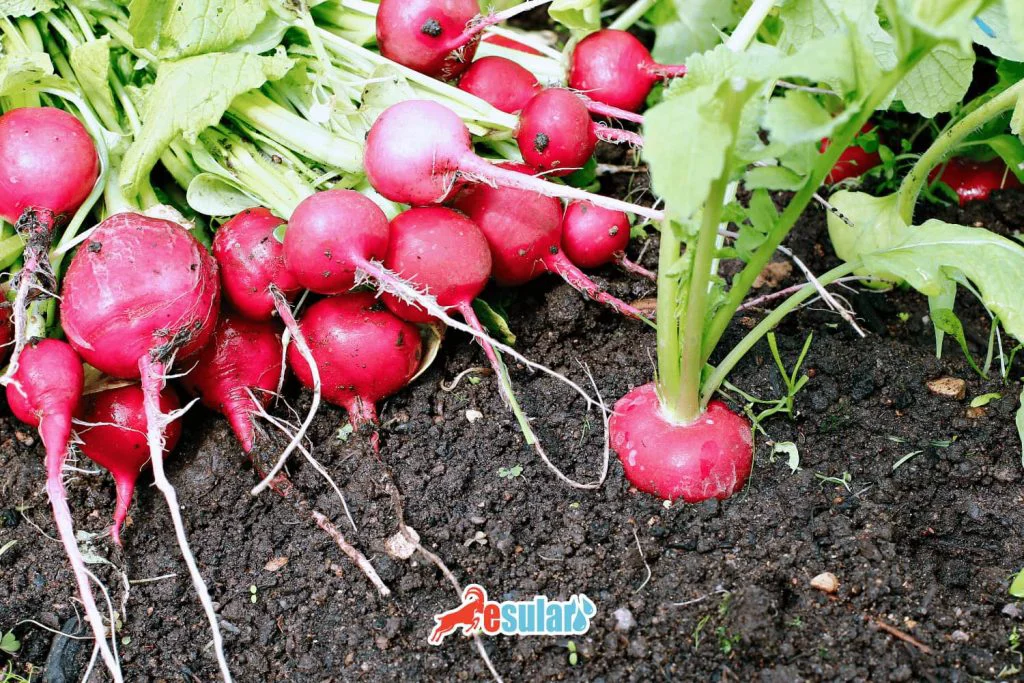
Red Radish: This radish type, which has a bright red outer skin, is white inside like other radishes. It is especially known for its sweat-inducing effect in the summer months and takes away excess heat from the body. It is rich in fiber and good for sore throats.
Daikon Radish: It is a radish variety frequently used in Japanese cuisine. It has a long and white structure. It has a bitter taste and is used in various dishes.
These radish varieties offer different flavors and health benefits. You can discover which one is more suitable for you by trying the varieties according to your preference.
Climate and Soil Structure in Radish Cultivation
This plant does not like environments where the temperature is high and drought is struggled with. Therefore, ideal growing conditions include cool and humid climates. In terms of soil structure, radish prefers light and loamy soils. Heavy and clayey soils may not be suitable for radish because such soils can distort the shape of the plant and affect its taste. Additionally, the soil pH value being between 6.0 and 7.4 is ideal for radish. In this way, the plant can grow healthily and yield products efficiently. The most suitable soil preparation for radish cultivation is cleaning the seed planting sites and clearing them of plant residues. In this way, radish seeds can germinate and grow healthily. Considering these factors, radish cultivation can be successfully carried out by providing appropriate climate and soil conditions.
Planting in Radish Cultivation
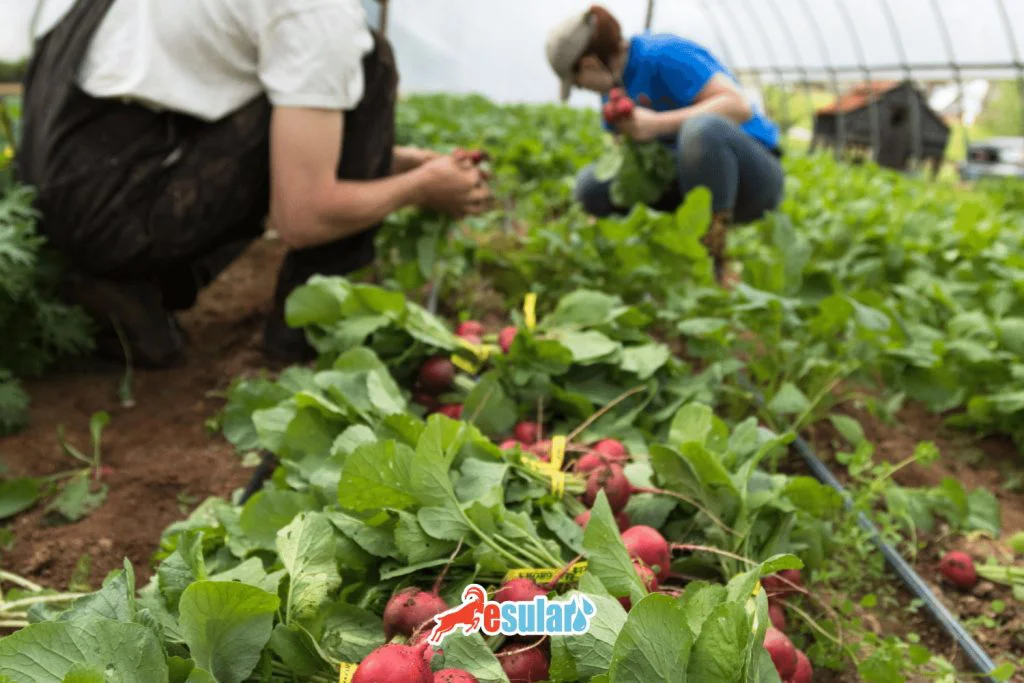
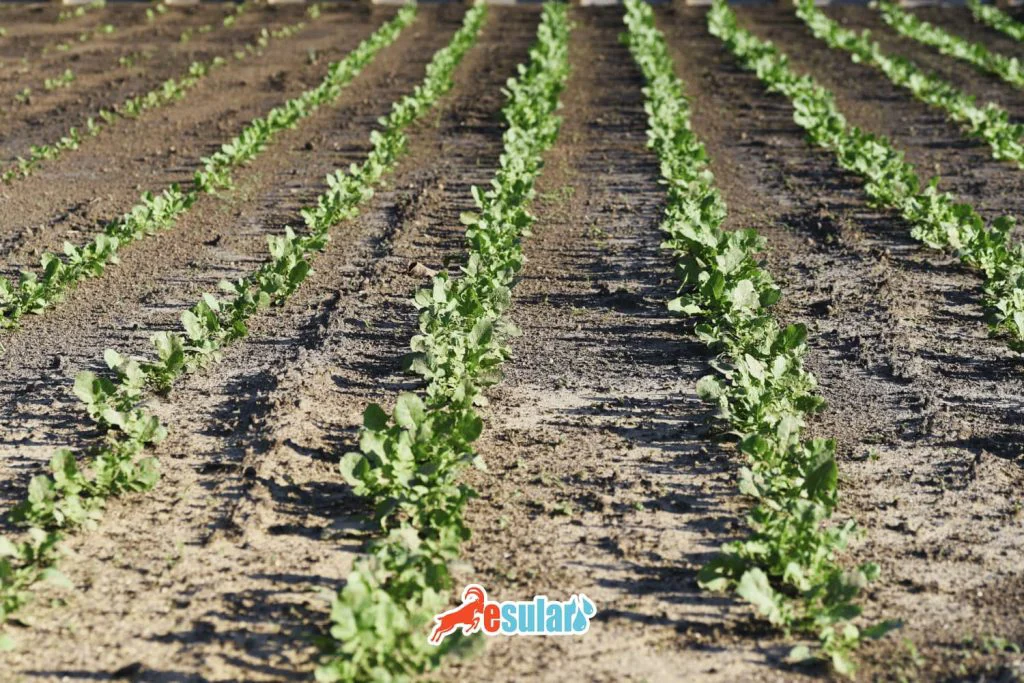
The planting stage is an important starting point for a productive harvest. In the soil selection and arrangement process, it is important to prefer light and humus-rich soils, clean weeds, and create a nutritious ground by adding fertilizer. The ideal planting time coincides with early spring or early autumn when the soil temperature is mild. Healthy seed selection is vital for a productive harvest. therefore, the pre-soaking method in water can be applied to increase the growth potential of the seeds. Determining the planting method can be done among options such as flat planting, row planting, or inter-row planting. During planting, it should be ensured that the seeds are distributed evenly and planted at the determined depth. Regular irrigation and weed control are necessary after planting. Radish plants are usually ready for harvest within 3-4 weeks and can be harvested when the roots approach soil level or reach the desired size.
Irrigation in Radish Cultivation
Irrigation promotes the development of roots by meeting the water needs of plants and ensures that plants take in nutrients. Especially in dry periods, regular irrigation prevents plants from experiencing stress and ensures obtaining quality products. Irrigation may vary depending on soil structure and climate conditions. Generally, in radish cultivation, regular irrigation is performed to maintain soil moisture. Irrigation timing is determined according to soil moisture level and air temperature. It is important to irrigate frequently, especially during dry periods or in cases where the soil dries out. Irrigation methods include sprinkler irrigation, drip irrigation, and flood irrigation. While sprinkler irrigation is preferred in large areas, drip irrigation or flood irrigation can be preferred in smaller gardens or fields.
Fertilization in Radish Cultivation
Correct fertilization increases the nutrient content of the soil, providing the minerals needed by plants and increasing soil fertility. Nitrogenous, phosphorus, and potassium fertilizers are generally preferred for radish plants. Nitrogenous fertilizers promote the development of the green parts of the plant and ensure that the leaves are healthier. Phosphorus fertilizers support root development and help create a strong root system. Potassium fertilizers promote the overall growth of the plant and support fruit formation. The amount of fertilization should be determined according to soil analysis results and excessive fertilization should be avoided.
How Many Months Does Radish Take to Grow?
Radish usually grows within an average of 6 to 8 weeks. However, this period may vary depending on varieties and growing conditions. While some fast-growing radish varieties can mature in a shorter time, some may take longer. Growing conditions include factors such as soil quality, irrigation schedule, fertilization amount, sunlight, and climate factors.
Radish Harvest
Harvesting takes place at a certain point in the ripening process of vegetables, either by picking them from the plant or pulling them from the soil. Early harvest can lead to vegetables remaining insufficient in terms of size, shape, and taste. In addition, problems such as poor quality due to incomplete chemical changes and weight loss that may occur during storage can also be experienced. Delay in harvest causes vegetables to become more prone to rotting and shedding. Harvesting is usually done in several stages, and it is important to collect the radishes before they become woody and pithy.
How Much Radish is Produced from 1 Decare?
Yield depends on various factors that determine the amount of radish to be obtained from one decare of land. For example, for large red radishes, under suitable growing conditions, approximately 3 to 4 tons of product can generally be obtained from one decare of land. However, in other varieties such as hill and chestnut radishes, this amount can go up to 6 to 7 tons per decare. These values may vary according to soil quality, climate conditions, irrigation schedule, fertilization amount, and the radish variety used. Therefore, when making a yield estimate for each radish variety, it is important to take into account the growing conditions and variety characteristics.
Diseases and Pests Seen in Radish Cultivation
Among the frequently seen diseases, radish bacterial spot holds an important place. This disease causes black spots on the cotyledon leaves, leading to the wilting of seedlings. Root blackening is another common radish disease. In this disease, lesions occur on the plant stems and a crater appearance in blue, gray, or black colors may form. Among the pests are flea beetles, white butterfly caterpillars, spring cabbage fly, crucifer bug, cabbage moth, cabbage fire, rapeseed fly, and rapeseed flower. These pests can damage the leaves, roots, or stems of the radish plant and therefore cause yield loss. For this reason, those who cultivate radishes should develop an effective control strategy against diseases and pests and protect their plants by taking appropriate protective measures.
Yorumlar