
Tüm Yazılar
How is Oat Cultivation Done?
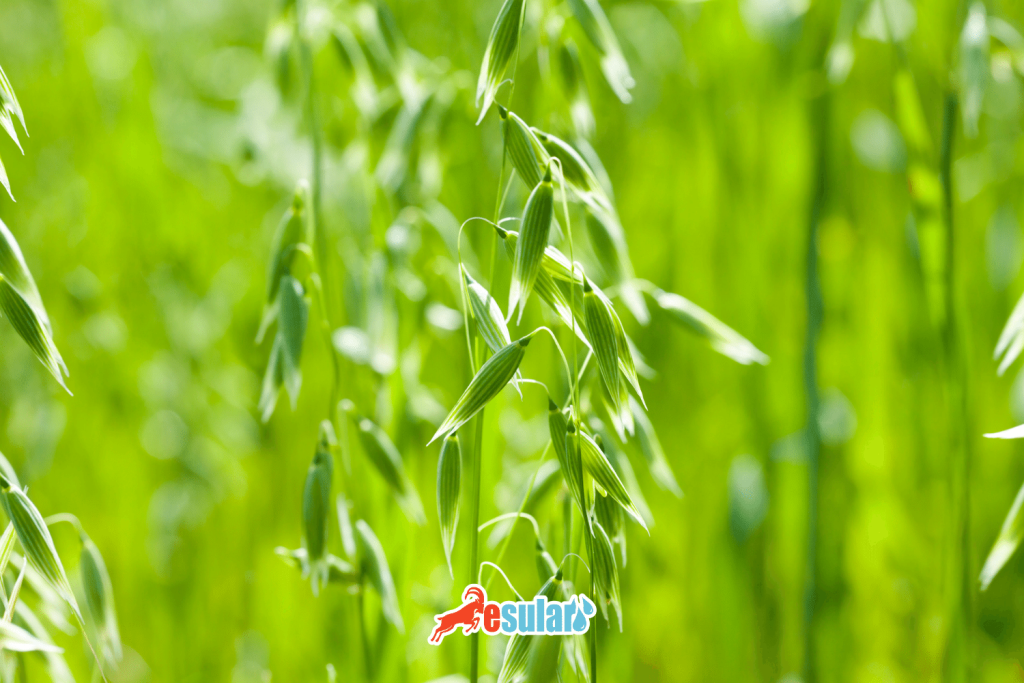
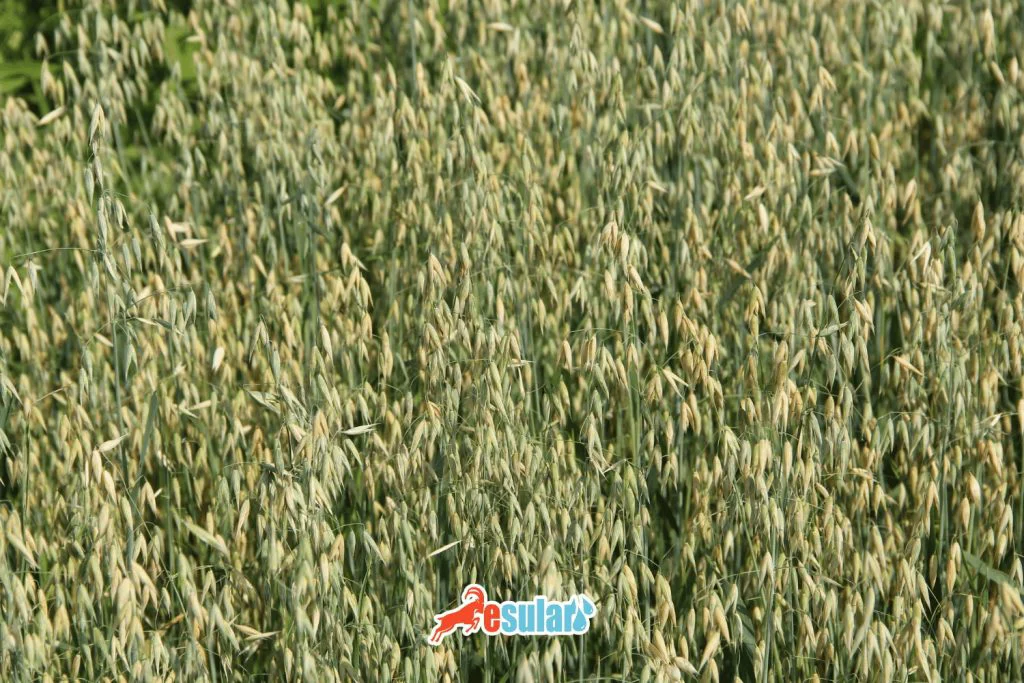
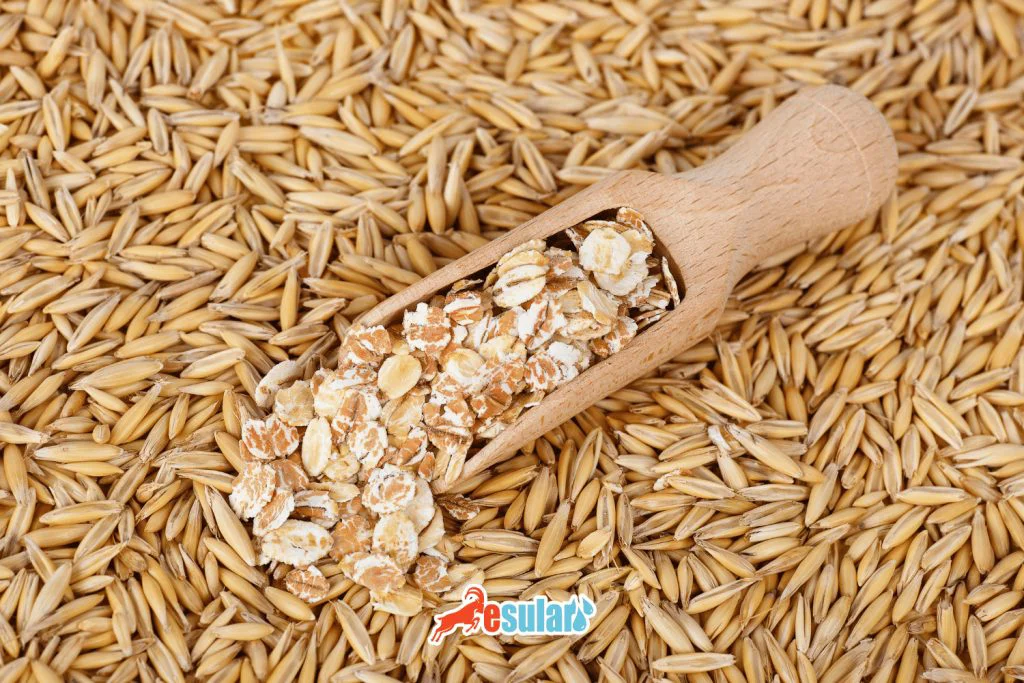
Oat cultivation is a practice that holds an important place in the field of agriculture and has wide areas of use. Noted for its naturally filling and nutritious properties, oats are used in various cuisines both in their raw form and processed. The origin of this plant, which has increased in popularity in recent years, dates back to Europe and East Asia. Oats are the third most cultivated plant worldwide among cool-season grains after wheat and barley. Especially as awareness of healthy living and nutrition increases, people are turning to more nutritious and natural foods. Oats stand out as an important source of nutrition that meets this demand. For this reason, the demand for healthy and nutritious products like oats also rises in parallel. Farmers, by growing healthy grains like oats, can both provide products suitable for health trends and take their share of this growing market.
What are the Oat Varieties?
Oat types have various characteristics and differ according to their cultivation areas and economic values. Here are some commonly known oat types:
WHITE GRAIN OATS:
- Avena fatua (Wild White Oat): A common field weed worldwide. Its seeds drop immediately when they mature and mix into the soil. Seeds that reach the appropriate depth through soil tillage germinate and develop.
- Avena sativa (Cultivated White Oat): Constitutes a large portion of cultivated oats worldwide. It is one of the most important types economically. Grains are white, hairless, and awnless.
- Avena nuda (Naked Grain Cultivated Oat): A cultivated form of oat and is generally characterized by naked grains.
RED GRAINED OATS:
- Avena sterilis (Red Wild Oat): Common around the Mediterranean and is considered the wild form of the red cultivated oat. It is among the weeds and pests of grain tilled fields.
- Avena byzantina (Cultivated White Oat): Seen around the Mediterranean and in Turkey. In recent years, it has gained importance with the obtaining of winter-resistant varieties from this species.
Among these types, choices can be made according to sowing conditions and intended uses. For example, Avena sativa, which is economically important, is widely cultivated and holds a leading position in oat production. On the other hand, red-grained oat types are common especially around the Mediterranean and can pose some challenges in agricultural areas. Variety selections should be made in light of this information.
How Should Climate and Soil be in Oat Cultivation?
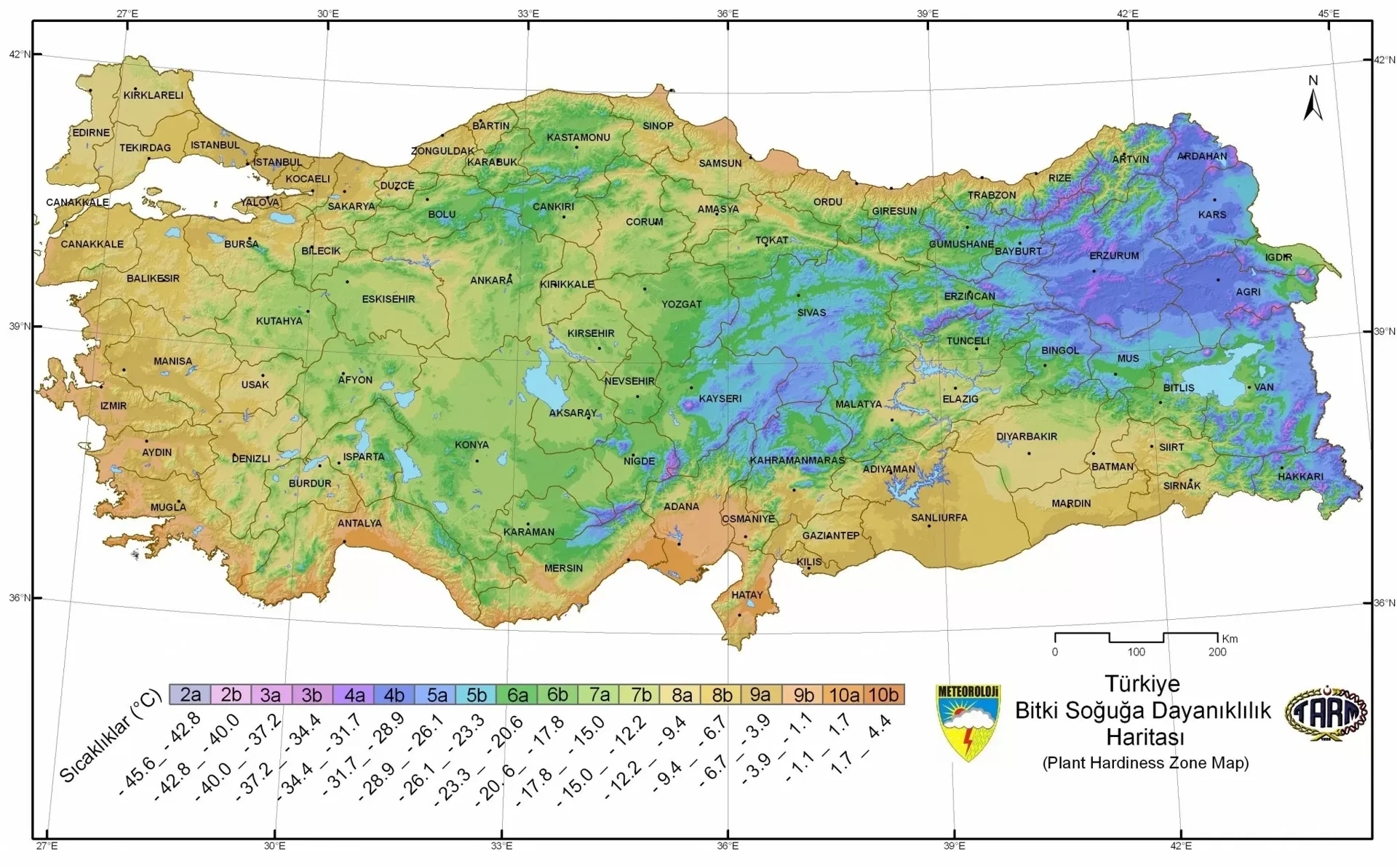
Oats, the most preferred among cool-season grains, grow best especially in temperate and humid climate conditions. The temperature should not exceed 15 degrees in the process from flowering to heading. Additionally, high humidity is important for the healthy development of oats. For the oat plant, regions with an annual rainfall of 700-800 mm constitute the most suitable growing areas. To achieve high yields, there should be a sufficient amount of plant nutrients in the soil. Clay-loam and sandy soils rich in humus are ideal for oat cultivation when appropriate moisture conditions are provided. Since oats are a very resistant plant to soil salinity, they can be grown even in soils rich in salinity. With these features, oats are a preferred option for farmers who want to obtain a healthy product.
Sowing in Oat Cultivation
After soil preparation is completed, oat sowing should begin. To achieve high yields, winter sowing is preferred in regions where oats can withstand winter cold. For winter sowing, a period is chosen when the plants will enter the winter with 3-4 leaves. This sowing time may vary depending on the region and is generally carried out from mid-October until the end of December. If spring sowing is preferred, the sowing process should be carried out as early as possible in the spring months. Spring sowing should be planned in a way that allows the plant to head without being affected by hot and dry weather conditions.
How Much Oat is Sown per 1 Decare?
Oat sowing can be carried out with a seed drill or by broadcasting, depending on the possibilities. While shallow sowing is preferred in heavy moisture soils, deep sowing is more suitable in dry farming areas. The thousand-grain weight of the seeds to be sown should be over 25 grams, and 17-18 kg of seed should be sown per decare.
Irrigation in Oat Cultivation
Irrigation in oat cultivation should be applied in a balanced way, considering the humid climate conditions preferred by oats. Oats can be easily grown in regions with an annual rainfall of 700–800 mm. Irrigation can be done during dry periods or in cases where the amount of precipitation is insufficient. Irrigation is used to maintain soil moisture and support the development of the plant. The irrigation program should be determined based on factors such as local climate conditions, soil structure, and the water requirement of the plant.
Fertilization in Oat Cultivation
The nutrient uptake of the oat plant is slow in the initial growth period and increases over time. Nitrogen uptake reaches its maximum level towards the flowering time, while phosphorus and potassium uptake proceed slowly at the beginning of growth. The amount of fertilizer to be given to oats varies according to the preceding crop, the oat variety to be grown, climate, and soil conditions. Typically, an application of 4 kg of nitrogen and 4-6 kg of phosphorus fertilizer per decare is recommended. All of the phosphorus should be given at sowing, while half of the nitrogen should be given at sowing and the other half until heading. The oat plant, thanks to its roots, can easily take up nutrients by dissolving the hard-to-dissolve phosphorus and potassium compounds found in the soil. Additionally, its strong root system leaves a large amount of organic matter in the soil, which makes oats a good rotation crop.
Oat Harvest
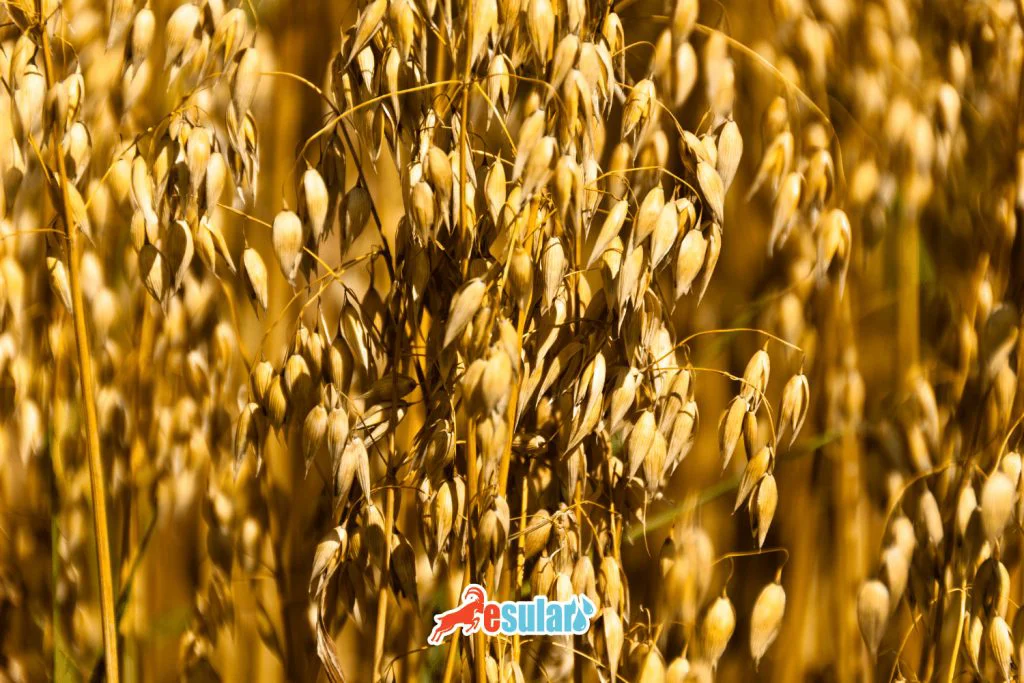
Choosing the right harvest time in oat cultivation is very important because the oat plant is prone to tillering. For this reason, the grains on one plant may take longer to reach full maturity compared to other cool-season grains. Oat harvest is generally carried out during the period when the grains on the main stem are between yellow maturity and full maturity. If oats are grown for dry hay, they should be harvested before reaching yellow maturity; if grown for silage, they should be harvested at milk maturity. It is known that winter-sown oats can reach harvest maturity a few weeks earlier than spring-sown ones and can provide more grain and straw yield. After harvest, the oat stalks remaining in the field should be left for 3-5 days after being sufficiently dried and then threshed. This process ensures better storage and processing of the oats.
How Much Oat is Produced from 1 Decare?
Oat yield varies depending on various factors. These factors include cultivation methods, variety selection, climate conditions, soil quality, and fertilization. For example, for a high-yielding oat variety like Kahraman, an average yield of between 400 and 800 kilograms per decare can be obtained. However, this amount may vary depending on the variety, growing conditions, and practices.
Diseases and Pests Seen in Oat Cultivation
Diseases encountered during oat cultivation cause yield loss and quality decline. One of the most important of these diseases is rust disease. Oat black rust (Puccinia graminis avena Ericks) is the most common and manifests itself with brown spots on the leaves of the plant. Choosing varieties resistant to this disease ensures the prevention of the spread of the disease and damage. Cultural practices and chemical control methods can also be used in combating the disease. These include crop rotation, hygienic measures, and the use of appropriate fungicides. Early diagnosis and effective treatment methods are important in combating the disease, so that the healthy development of the oat and a productive harvest are ensured.
Yorumlar