
Agricultural Pesticides
Agricultural pesticides (pesticides) are mixtures formed by bringing together active substances with toxic effects and auxiliary substances, developed for the control of unwanted plants and harmful organisms used in many sectors such as agriculture, fruit growing, forestry, and gardening. These mixtures are chemical substances used to limit the damage caused by plants and other living things and are designed to protect plants from diseases, harmful insects, weeds, and other harmful organisms. These pesticides are used by farmers to ensure the healthy growth and efficient cultivation of agricultural products.
In our article below about agricultural pesticides; topics such as the advantages and disadvantages of agricultural pesticides, classification of agricultural pesticides, the effects of agricultural pesticides on the environment and humans, and the selection of agricultural pesticides to be used will be mentioned.
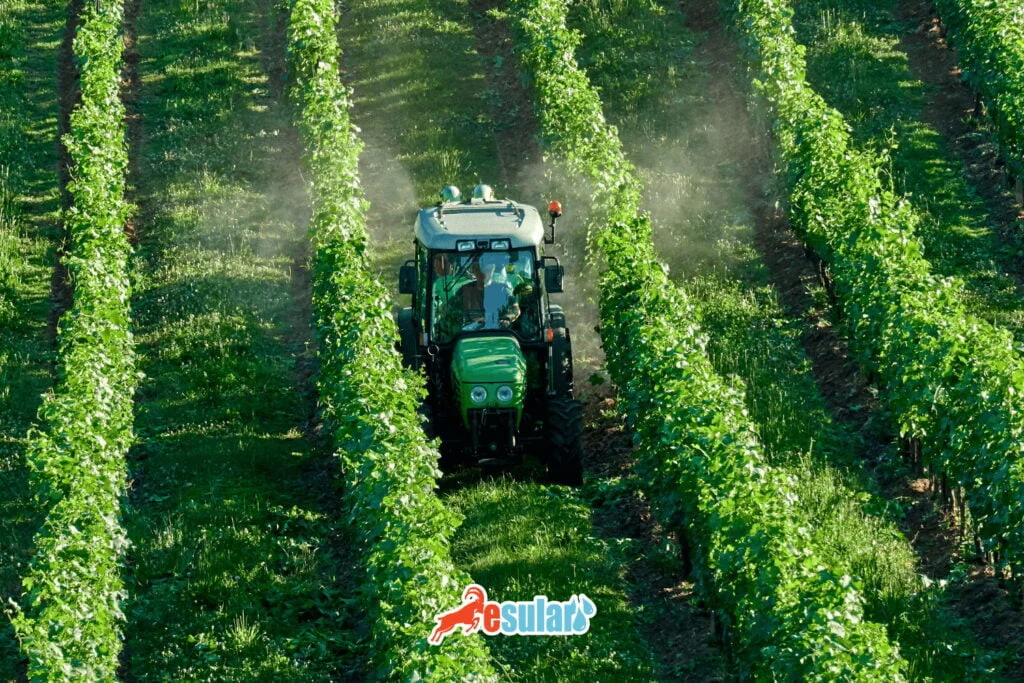
Advantages and Disadvantages of Agricultural Pesticides
The advantages of agricultural pesticides include their ability to effectively control diseases and pests. However, their disadvantages include the fact that the use of pesticides in excessive doses can cause negative effects on both plants and humans.
Advantages of Agricultural Pesticides
- Yield Increase: Agricultural pesticides can increase product yield by protecting agricultural products from pests, diseases, and other harmful organisms.
- Quality Control: Spraying can increase the quality of products and strengthen their marketability. Controlling harmful organisms ensures that products are healthier and more attractive.
- Cost and Time Savings: An effective spraying program can provide cost savings and time management advantages to agricultural enterprises. By combating pests, it is ensured that products remain healthy until the harvest period.
- Food Safety: Preventing contamination caused by harmful organisms is important for food safety. Spraying can reduce such risks.
Disadvantages of Agricultural Pesticides:
- Environmental Effects: Agricultural pesticides can affect the natural balance and lead to environmental problems. Problems such as soil, water, and air pollution can emerge as side effects.
- Resistance Development: Frequent and irregular spraying can lead to the development of resistance to the pesticide in harmful organisms. This situation may require the use of stronger pesticides.
- Side Effects: Agricultural pesticides can also affect non-target organisms. For example, there may be a risk of killing beneficial insects, which can disrupt the ecosystem balance.
- Health Risks: Chemicals used during spraying can pose health risks for farmers and other workers. Therefore, the use of protective equipment and safety precautions is important.
- Long-Term Effects: The long-term effects of agricultural pesticides are often uncertain. There may be negative effects on the long-term health of soil and water resources.
Classification of Agricultural Pesticides
The classification of agricultural pesticides is carried out based on various criteria. These criteria include appearance, physical structure, formulation types, pests and diseases they affect, biological processes, and the active substance groups they contain. Toxic effects generally vary depending on their chemical structures. These effects are determined by the lethal dose (LD 50) value, which is the toxicity of pesticides as a result of experiments conducted on animals. The smaller this value, the more toxic the pesticide is considered. Toxic, slightly toxic, and non-toxic pesticides are classified in this way.
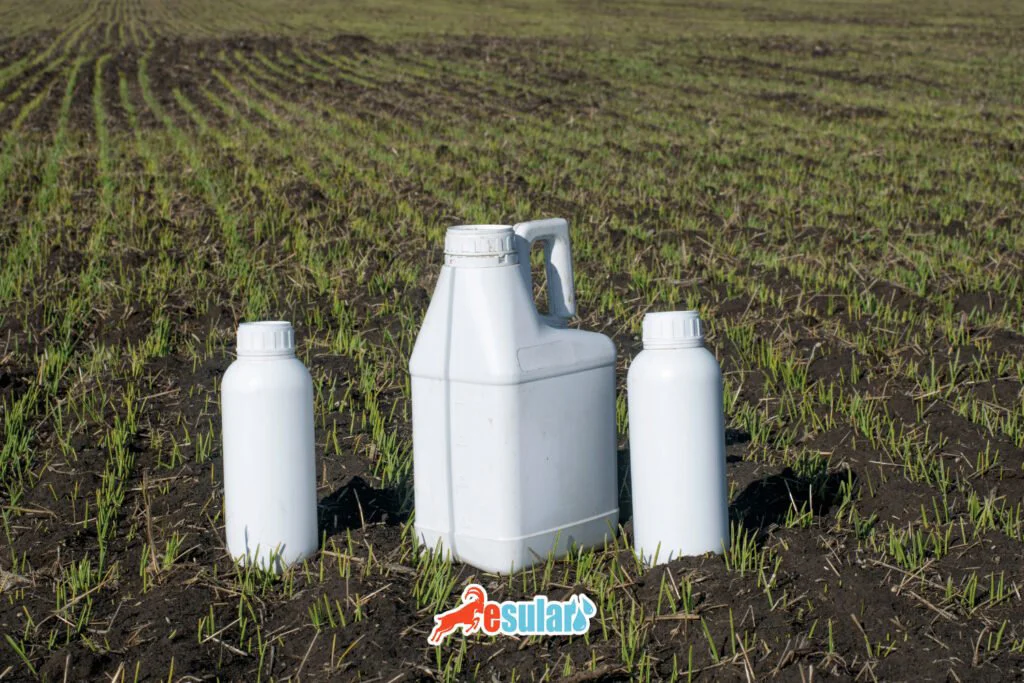
Pesticides According to Their Formulations
According to research conducted in 2022, when focusing on the formulations in the classification of licensed agricultural pesticide types in Turkey, emulsion concentrate pesticides (EC) held an important place and stood out as the most produced type of pesticide.
Wettable powder pesticides (WP) take second place. This formulation is a type of pesticide that is effectively used in various agricultural applications and has a wide range of use.
In third place are dust pesticides (DUST), which are allowed for limited use abroad. These pesticides have special formulations that can be effective under certain conditions and in limited areas of use.
This classification is important for understanding the diversity and production distribution of pesticides used in the agricultural sector. Different formulations of agricultural pesticides offer farmers various options for providing an effective struggle against various harmful organisms and protecting plant health.
Dust Pesticides (DUST): These are finely ground powder formulation pesticides and are generally used directly. The active substance ratio is usually between 1-10%. Features sought in dust pesticides include factors such as particle size, flowability, weight per liter, moisture content, and adhesion ability.
Water-Soluble Powder Pesticides (SP):Water-soluble powder pesticides generally have a powder formulation containing active substances. Although these pesticides do not dissolve completely in every ratio, the active substance they contain has the property of being easily soluble in water at the highest application dose. The sought-after feature of such a pesticide is that it can dissolve completely without leaving any residue, just like salt dissolving in water.
Wettable Powder Pesticides (WP): Water-soluble powder pesticides generally have an active substance ratio between 25% and 80% and are applied by dilution. Features sought in wettable powder pesticides include properties such as suspension ability, wetting and spreading ability, foaming status, and resistance to pressure and heat.
Emulsion Concentrate Pesticides (EC): Emulsion concentrate pesticides generally have an active substance ratio ranging from 20% to 50% and do not dissolve in water but can dissolve in organic solvents. Features sought in such pesticides include the capacity to become an emulsion, stability of the emulsion, resistance to ignition, and resistance to cold.
Aerosols: Aerosols, which contain the active substance in gas form and have a spraying feature, are generally used for spraying ornamental plants and controlling pests.
Seed Pesticides (DS): Seed pesticides, which are similar to dust pesticides, are usually clearly visible on plants used as seeds because they contain color pigments. Features sought in these pesticides include adhesion ability, finely ground structure, and coloring abilities.
Poisoned Baits: Poisoned baits used for the purpose of trapping insects or rodents have various shapes and compositions. Features of these baits include active substances, nutrients, and warning and attractive colors.
Gas Pesticides (FUMIGANTS): Gaseous lethal pesticides used in the fight against insects, nematodes, and other harmful organisms with high potential to damage agricultural products are called fumigants.
Granular Pesticides: Granule diameter generally varies between 0.5-4.5 mm. A few advantages found in granular pesticides are: their effect on beneficial fauna is important, the dusting property is minimal, and they can be applied by mixing with fertilizer into the soil. With these features, granular pesticides offer an effective and environmentally friendly option in agricultural applications.
Winter and Summer Oils: The main active ingredient of summer oils is neutral oils obtained as a result of the distillation of petroleum. In winter oils, substances containing DNOC or phenol can usually be found. Granular pesticides are generally 0.5-4.5 mm in diameter and show minimum effect on beneficial fauna while having low dusting properties. With these advantages, granular pesticides, which can be applied by mixing with fertilizer into the soil, can be used effectively in agricultural areas.
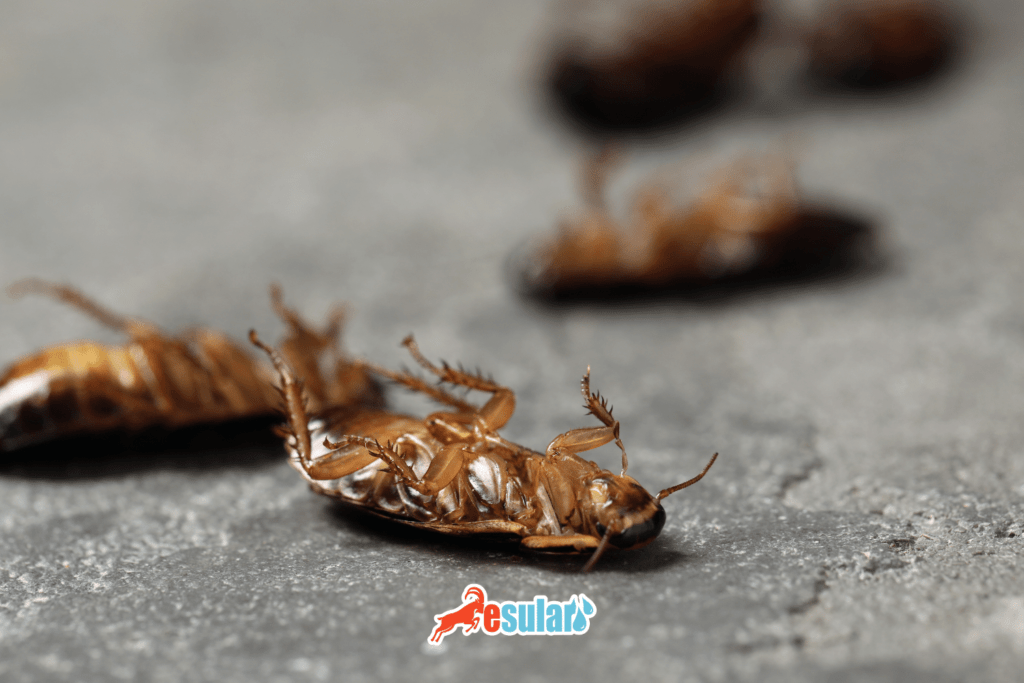
Classification According to the Pest Group They Affect
Agricultural pesticides are categorized based on the living things they target in the areas where they are applied or their chemical properties. The most well-known important agricultural pesticide (pesticide) groups are fungicides, insecticides, and herbicides.
- Insecticides: Used to control insects and kill harmful insect species or prevent their reproduction.
- Fungicides: Used against fungal diseases. Protects plants from fungal infections or treats these infections.
- Herbicides: Used to control weeds and prevent them from competing with plants.
- Acaricides: Used to control mites. Mites are small arthropod organisms that can be harmful to plants.
- Rodenticides: Used to control rodents and kill harmful rodents such as mice or rats.
- Avicides: Substances that kill birds are called avicides.
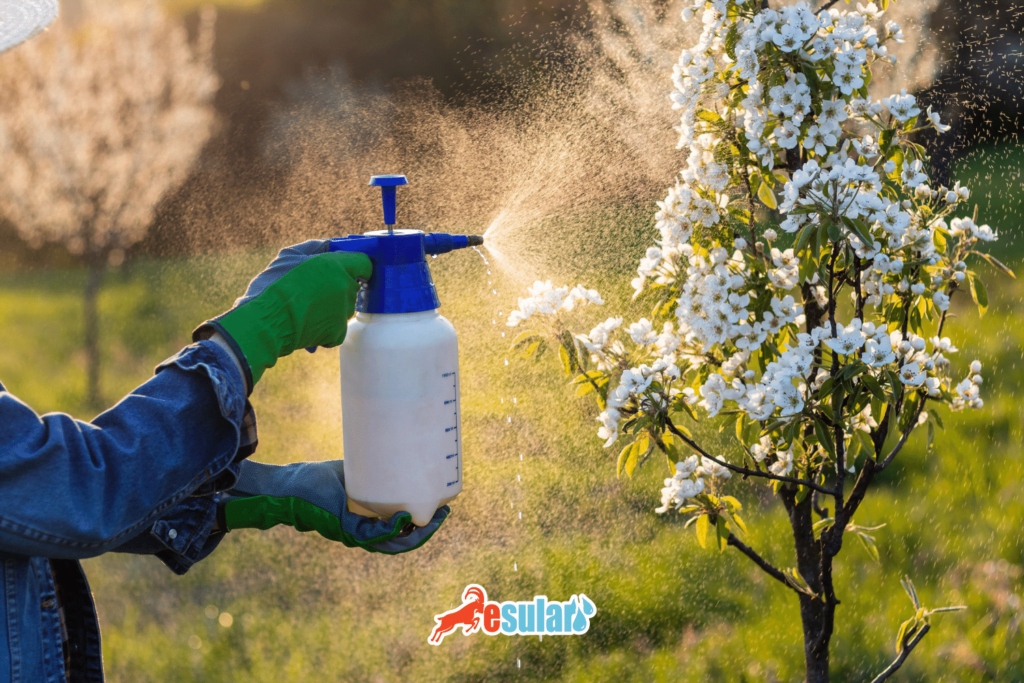
Selection of Agricultural Pesticides to be Used
Before making a selection of agricultural pesticides, it is important to correctly identify the current problem and benefit from expert opinions. If medication must be used, action should be taken in line with the suggestions of experts and the recommendations of professionals with prescription authority.
For a conscious selection and application of agricultural pesticide products to be used, it is critical to achieve the desired benefit. Therefore, while choosing, attention should be paid to the doses recommended for the control of harmful organisms, diseases, or weeds specified on the label. In addition, the period that must be left between the last spraying and the harvest specified on the label must be strictly observed.
When purchasing pesticides, the size of the area to be used should be taken into account and no pesticides should be purchased outside the recommended amount or the amount specified in the prescription. Instructions for use are usually located on the label of the pesticide and more detailed information can be obtained from the package insert. These instructions must be meticulously followed and correct application methods must be followed.
Yorumlar