
Tüm Yazılar


How to Do Soil Analysis?
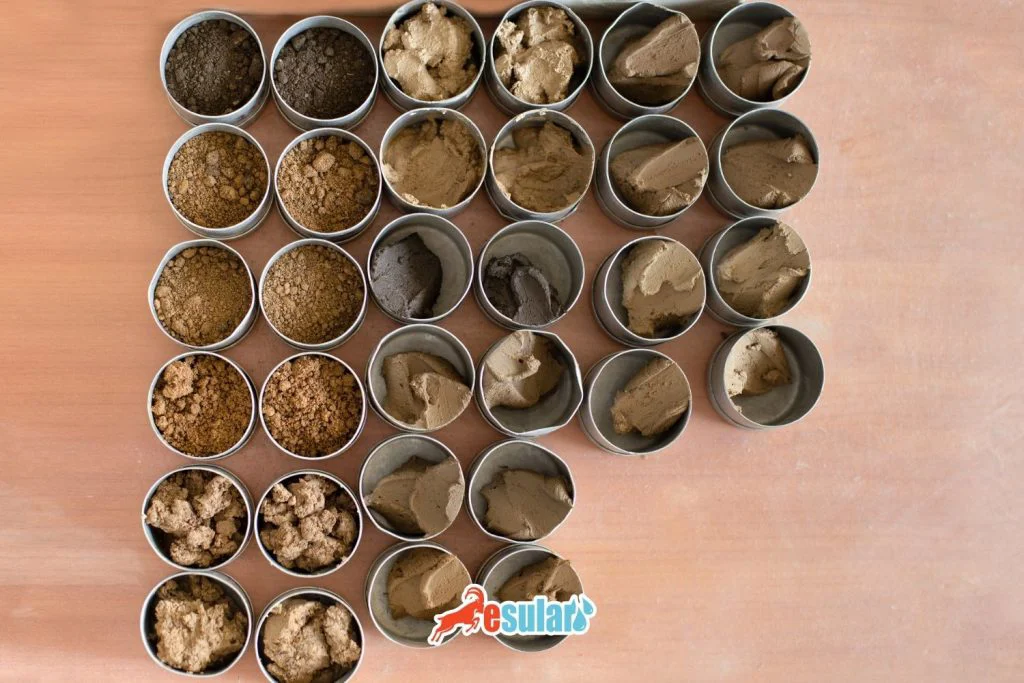
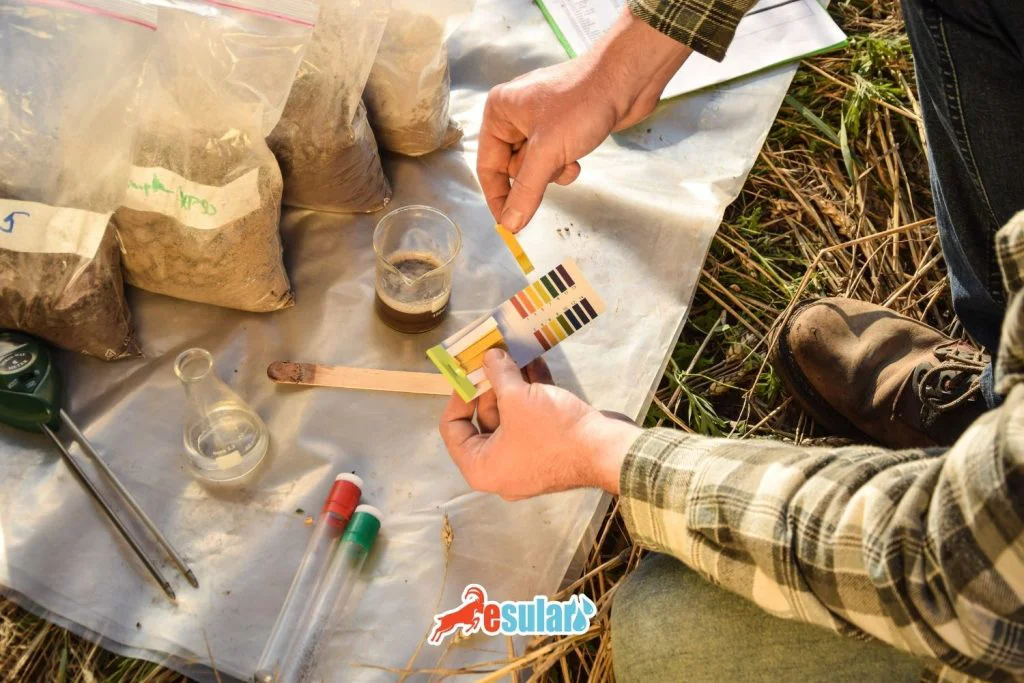
The soil analysis process begins with the sampling of data. Sampling involves taking soil samples from various regions of the field to the laboratory and subjecting them to detailed analysis here. As a result of the analyses, important effects such as soil pH, amount of organic matter, concentrations of macro and micro nutrient elements (nitrogen, phosphorus, temperatures, calcium, manganese, iron, retained, copper, etc.) are determined. In the data obtained, changes, nutrient elements missing in the soil, and required fertilization amounts were determined. Additionally, information about water holding capacity, drainage status, and structural characteristics is obtained. In this way, by providing ideal soil conditions for plant development, yield can be increased and more effective use of yield is ensured. While correct and regular soil analyses are supported in a healthy and strong way, they help minimize growth effects and maintain long-term growth. Therefore, soil analysis is an indispensable tool of modern agricultural and gardening practices.
Why is Soil Analysis Done?
Soil analysis allows us to determine the levels of beneficial plant nutrient elements in the soil and the amount and type of fertilizer needed by the plants to be grown in this soil. Here are the main points explaining the importance of soil analysis:
- Developing the Correct Fertilization Strategy: Soil analysis determines the levels of macro (nitrogen, phosphorus, potassium) and micro (iron, zinc, manganese) nutrient elements in the soil. This information allows us to understand the current nutrient status of the soil, and in this way, we can provide the nutrients needed by the plants in the most suitable way.
- Increasing Yield and Quality: Soil analyses ensure that plants grow healthily and higher yields are obtained by allowing us to use the right amount and the right type of fertilizer. Thus, the amount and quality of the product obtained from a unit area increases.
- Ensuring the Sustainability of Soil Fertility: Balanced fertilization is important to maintain the long-term fertility of the soil. Soil analysis prevents excessive or insufficient fertilization, protecting the structure and fertility of the soil in the long term.
- Minimizing Environmental Impacts: Using more fertilizer than necessary causes both economic losses and can harm the environment. Soil analysis reduces fertilizer waste and environmental pollution through optimal fertilization.
- Providing Economic Efficiency: Correct fertilization reduces production costs and increases the farmer's profit.
- Preventing Timing Errors: Soil analysis allows us to determine the most suitable time for fertilization.
What Should Be Considered When Taking Soil Samples?
There are important points to consider when taking soil samples. These points ensure that the soil is analyzed correctly and the most accurate fertilization recommendations are obtained. Here are the main points to consider when taking soil samples:
- Soil samples should be taken a few weeks before sowing or planting. This will accurately reflect the current nutrient status of the soil.
- Taking soil samples immediately after precipitation or during very dry periods should be avoided. The most suitable time is when the soil is moist but not wet.
- Samples representing the field in general should be taken. Therefore, samples should be taken from areas seen as homogeneous in the field.
- If the field has different soil types or different vegetation, separate samples should be taken from these areas.
- Depending on the plant species to be grown, the soil sampling depth may change. Generally, a sample should be taken from a depth of 0-30 cm, considering the plant root depth.
- For fruit trees or deep-rooted plants, samples can also be taken from a depth of 30-60 cm.
- The containers and buckets used must also be clean and ensure that the soil samples are not contaminated.
- Approximately 0.5-1 kg should be taken from the mixed soil sample and placed in a clean bag or container.
- Samples should be protected from moisture and direct sunlight.
- Each sample should be marked with labels indicating the area and date it was taken.
Samples taken by paying attention to these points during the soil sampling process provide reliable and accurate results for laboratory analysis.
What are the Materials Required for Taking Soil Samples?
The materials required to take soil samples are as follows:
- Soil probe or shovel
- Clean bucket or container
- Sampling bags or containers
- Labels and pen
- Gloves
- Metric ruler or tape measure
- Small trowel or spatula
- Notebook and pen
- Clean water and cloth
Where Should Soil Samples Not Be Taken From?
In lands with different soil characteristics, it is important to perform separate sampling even if it is less than 20 decares. In particular, it should be remembered that soil samples should not be taken from the following places:
Hollow and Bumpy Places
Road and Fence Edges
Places where Fertilizer is Piled
Under Trees
Places where Stalk and Root Residues are Burned
- Irrigation canals and drip irrigation areas
- Threshing floors or areas where animals lie
When is a Soil Sample Taken?
Taking a soil sample is important for evaluating the health of the field or garden soil and determining appropriate fertilization strategies. Ideally, the most suitable times to take a soil sample are as follows:
Before Sowing or Planting: Soil samples should be taken before plants are sown or planted. This allows for the determination of nutrients that the plants will need during the growth process and the planning of appropriate fertilization strategies.
Early Spring or Late Autumn: These are periods when the soil is generally stable and before or after the plants' growing season. A period should be selected when the areas where soil samples will be taken are not dry or excessively wet.
Between Plant Development Periods: Soil samples can be taken between plant growth periods, for example, between flowering and fruit ripening. This can be useful for evaluating soil nutrient requirements at different growth stages of plants.
At Regular Intervals: In agricultural enterprises, the soil sampling process should be done at regular intervals. The condition of the soil should be monitored by taking soil samples every 3-5 years or at intervals determined according to the plant cycle.
Which Values are Looked at in Soil Analysis?
The following values are generally examined and evaluated in soil analysis:
pH Value
Soil Salinity (EC)
Organic Matter Content
Macro Nutrient Elements:
- Nitrogen (N)
- Phosphorus (P)
- Potassium (K)
- Calcium (Ca)
- Magnesium (Mg)
- Sulfur (S)
Micro Nutrient Elements:
- Zinc (Zn)
- Manganese (Mn)
- Copper (Cu)
- Molybdenum (Mo)
- Boron (B)
- Chlorine (Cl)
- Iron (Fe)
Factors such as soil texture (sand, silt, clay ratio), aggregate stability, water permeability
Other Chemical Properties
How are Soil Analysis Results Evaluated?
Interpreting soil analysis results is of critical importance for evaluating the productivity of agricultural land or a garden. Here are the main elements considered and interpreted in soil analysis:
1. Fertility Classification: Soils are generally classified according to their fertility levels: very low, low, medium, high, and very high. This classification shows how suitable the soil is for plants.
2. Water Saturation: Soil water content is generally classified as sandy (0-30%), loamy (30-50%), and clayey (70-110%). This determines the water-holding capacity and drainage characteristics of the soil.
3. Organic Matter Content: The organic matter level of the soil increases the nutrient storage capacity of the soil and improves its water-holding ability. Higher organic matter content provides a better growth environment for plants.
4. Macro and Micro Nutrient Elements: Macro nutrients (nitrogen, phosphorus, potassium, calcium, magnesium, sulfur) are elements needed in large quantities and are of critical importance for plants. Micro nutrients (iron, zinc, manganese, copper, molybdenum, boron) are important for plants in smaller quantities.
5. Phosphorus and Potassium Content: Phosphorus and potassium are important nutrients for plants. Soils poor in phosphorus may contain 0-3 mg/kg, while sufficient soils may contain more than 12 mg/kg of phosphorus. While soils poor in potassium contain 60-100 mg/kg of potassium, rich soils can contain 290 mg/kg and above of potassium.
6. pH Value: The pH value, which is the level of acidity or alkalinity of the soil, affects the ability of plants to take up nutrients. Generally, the ideal pH value for plants is between 6-7.
7. Soil Structure: The physical properties of the soil largely depend on the arrangement of solid soil particles and the shape of the soil pore system. These properties affect the water-air relations of the soil and the development of plant roots.
8. Salty, Alkaline, Loamy, and Clayey Soils: These soil types have special characteristics that can adversely affect plant development and may require appropriate plant cultivation techniques.
When soil analysis results are interpreted correctly, they help determine appropriate fertilization and soil improvement strategies to increase productivity in agriculture and garden management. Therefore, it is important that soil analyses are performed regularly and the results are evaluated by experts.



Yorumlar