
Tüm Yazılar

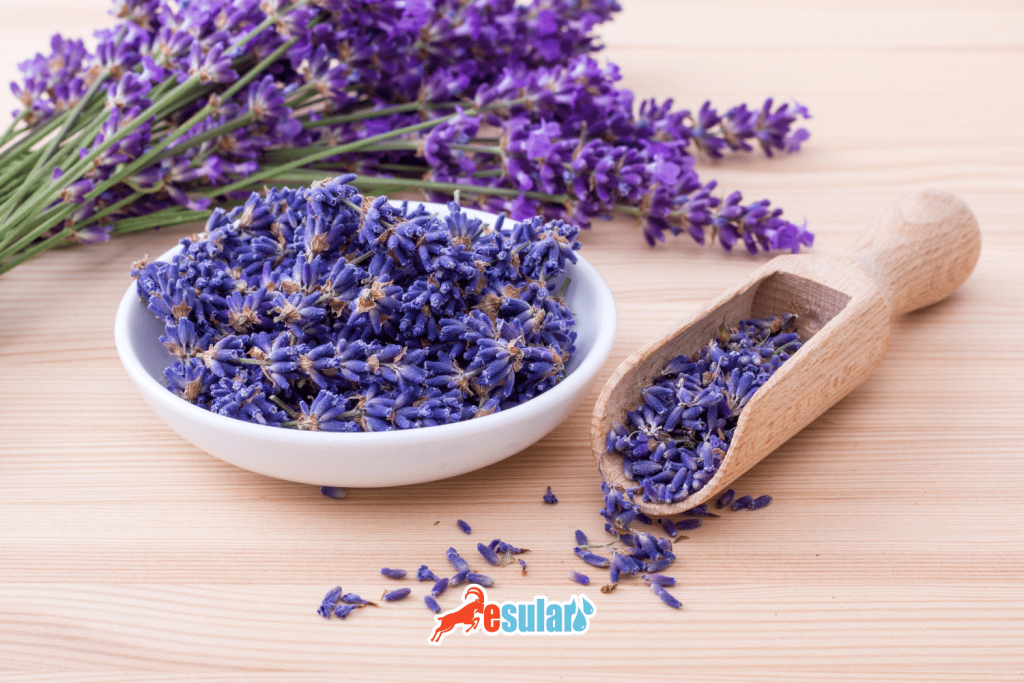
How to Cultivate Lavender?
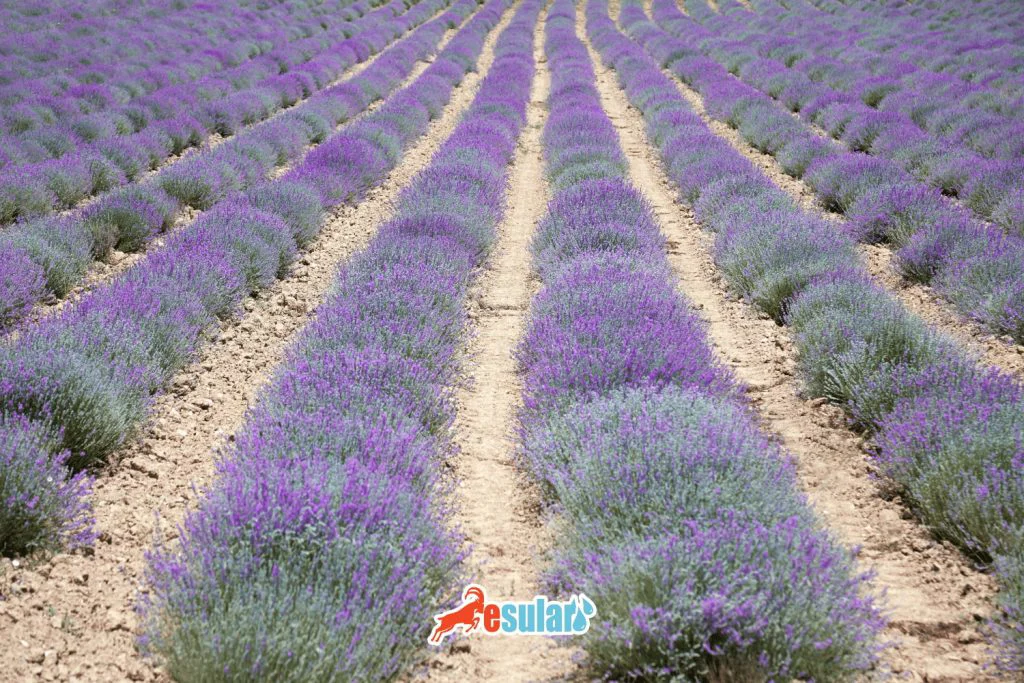
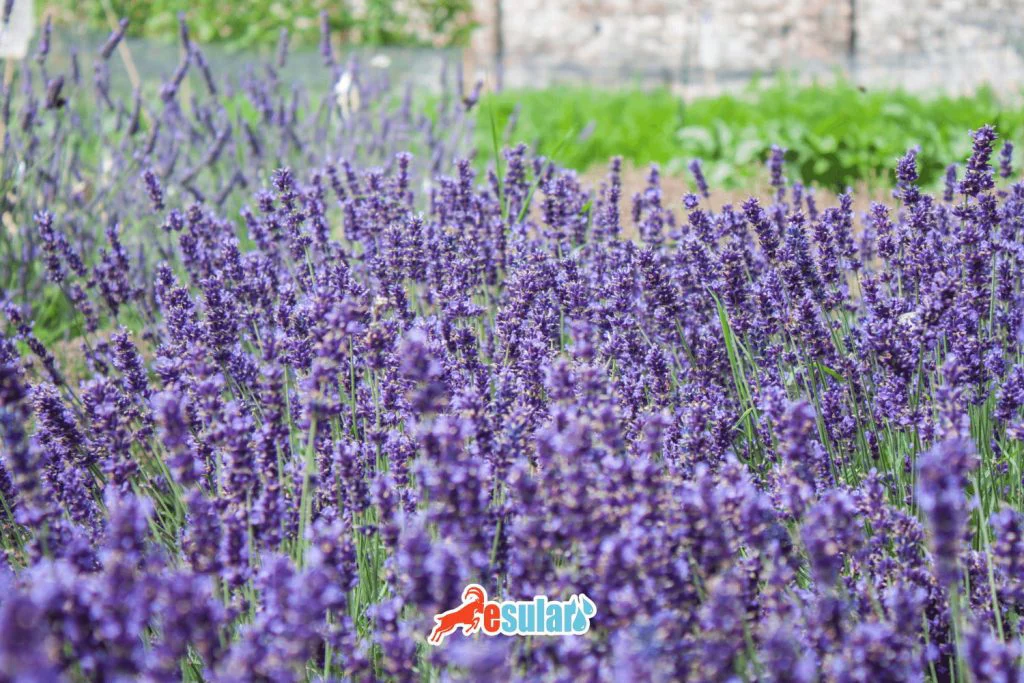
Lavender cultivation can be successfully carried out in areas with suitable climate and soil conditions. There are several reasons why lavender is preferred. First, lavender's essential oil is a valuable raw material widely used in the cosmetics, perfumery, and pharmaceutical industries. Additionally, its use in aromatherapy is increasingly growing. The lavender plant also offers a visual beauty. Known for its purple flowers, lavender contributes to tourism in gardens, fields, or lands. This aesthetic appeal makes lavender a popular choice in landscaping. Lavender cultivation is generally supported in tourism regions and rural areas to encourage economic development. Furthermore, with the increasing demand for organic farming and natural products, lavender cultivation has become even more popular.
What are the Benefits of Lavender Oil?
Lavender oil provides many benefits thanks to its anti-inflammatory, antioxidant, and antimicrobial properties. Antioxidant substances such as linalool found in this oil help alleviate pains like headaches, arthritis, muscle and joint cramps, while supporting the overcoming of emotional problems such as anxiety and depression. Additionally, lavender oil has a protective effect against viruses and microbes and prevents cell damage by neutralizing free radicals. Lavender oil, which also contributes to skin health, helps prevent skin problems such as acne, scars, eczema, and psoriasis, while assisting in the healing of wounds like insect bites, burns, and cuts. Furthermore, it is known that lavender oil improves sleep quality, supports hair health, and reduces the effects of sunburn.
Climate and Soil Structure in Lavender Cultivation
The lavender plant has a very flexible structure regarding soil preferences. It generally develops best in soils that are rich in lime content, well-drained, and slightly alkaline. Soils with a pH level between 5.8 and 8.3 are quite suitable for lavender. Lavender is a plant that is highly resistant to drought, heat, and cold. It prefers dry and hot climates and does not like excessively humid environments. It is also resistant to cold, but frost damage can sometimes be seen in regions where winters are very harsh. In summary, the lavender plant is quite tolerant in terms of soil and climate conditions. However, it provides the best yield in soils with high lime content, well-drained, and slightly alkaline, under temperate climate conditions.
Is There Government Support for Lavender Cultivation?
Agricultural activities such as lavender cultivation are generally supported by various government supports. However, the direct supports provided by the government for lavender cultivation may vary by time and region. Generally, within the scope of support programs in the field of agriculture and agricultural production, opportunities such as financial support, grants, training, and consultancy can be offered to farmers. The details and conditions of these supports may vary depending on the country's agricultural policies, priorities in the agricultural sector, and local conditions. Therefore, it is important for farmers considering lavender cultivation to learn current information and supports on this subject from the ministries of agriculture and rural development or local agricultural organizations of the country they are in.
What are the Diseases and Pests Seen in Lavender Cultivation?
Although lavender is known to be a generally resistant plant, it is known that some disease factors and pests can damage the plant. Especially some fungal species and disease factors can damage the lavender plant. When conditions are suitable, diseases such as mushrooms and white root rot can occur in the root parts of lavender. At the same time, disease factors such as Septoria lavandulae and Ophiobulus brachyascus can also cause damage to the above-ground parts of the plant. To minimize the effects of these diseases, measures such as appropriate agricultural practices, plant hygiene, and suitable spraying methods can be taken. Additionally, being careful about soil and plant care also plays an important role in reducing the effects of diseases and pests.
Planting in Lavender Cultivation
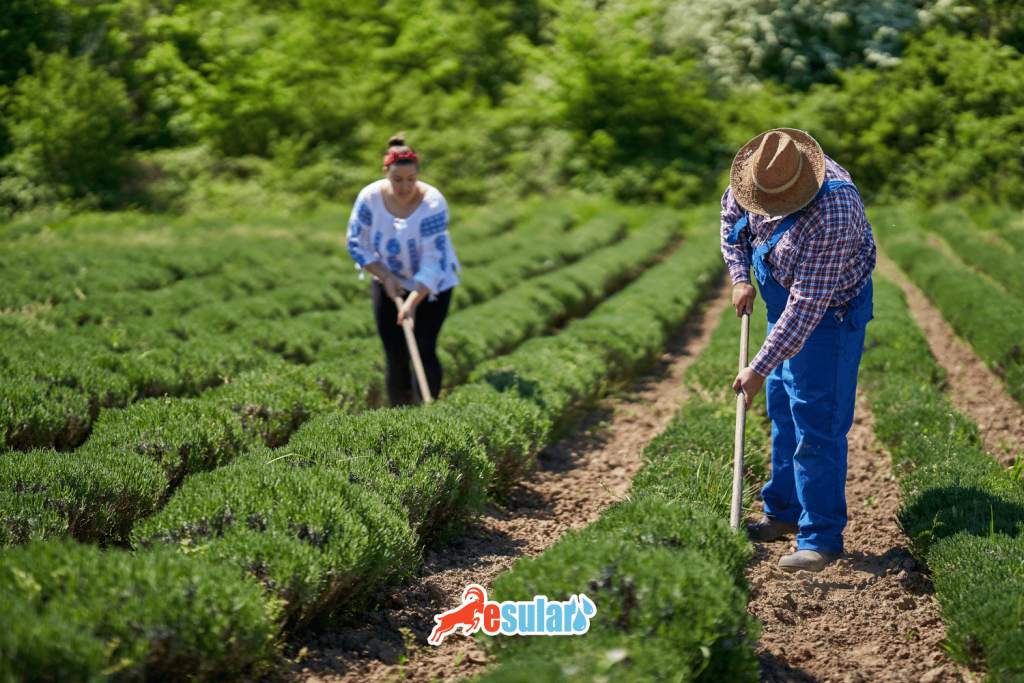
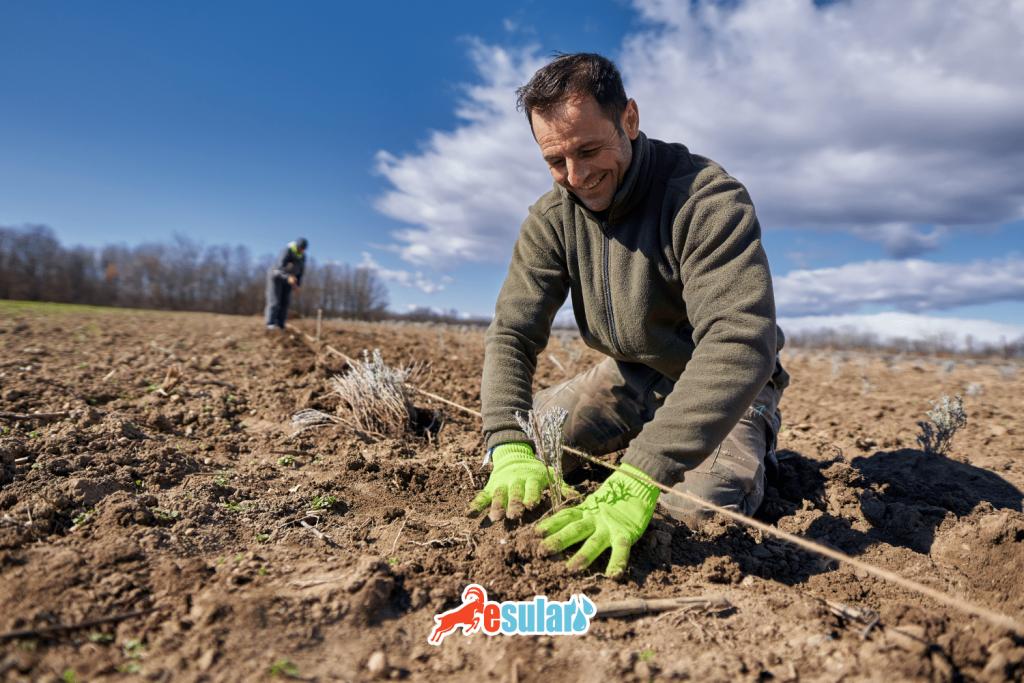
Lavender cultivation is generally carried out using the cutting method. In this method, cuttings are rooted and new plants are formed. Commonly used species of lavender are Lavandula x intermedia and Lavandula x angustifolia. Before the seedlings are transferred to the field, the soil should be processed deeply and leveled. Planting is carried out between the end of March and mid-May, when the risk of frost decreases. It is important to water the seedlings well after planting. The appropriate planting distance in lavender cultivation is generally 150x90 cm, but wider distances may be preferred in some regions. Wider distances may be used due to operations performed with tractors for weed control, but this can affect the number of plants and flower yield. Lavender cultivation can be easily done in suitable climate and soil conditions and is in demand due to the many health benefits of lavender oil.
Fertilization in Lavender Cultivation
Fertilization in lavender cultivation is important for the healthy growth of the plant and obtaining a productive harvest. Fertilization generally focuses on two main components: nitrogen (N) and phosphorus (P). Nitrogen promotes the growth of the green parts of the plant, while phosphorus supports root development and flower formation. Applying farm manure to lavender fields every 2-3 years helps improve soil conditions and meets the plant's nutritional needs. Additionally, providing 8-10 kg of nitrogen and 4-5 kg of phosphorus per decare annually is generally sufficient. However, the fertilization program should be adjusted based on the characteristics of the soil, the climate of the region, and the growth period of the plant. Care should be taken as over-fertilization can cause excessive growth of the plant and a decrease in flowering efficiency. Therefore, regular soil analysis and observation of the plant play an important role in determining the appropriate fertilization program.
Use of Smart Irrigation Systems in Lavender Cultivation
Smart irrigation systems are one of the most innovative solutions offered by modern agriculture in lavender cultivation. These systems make agriculture more effective, efficient, and sustainable by using the power of technology. Sensors and automatic irrigation control systems precisely monitor the plant's water needs and continuously measure the soil's moisture level. In this way, it prevents water waste by ensuring that water is used in the most efficient way. Smart irrigation systems also provide farmers with significant time and labor savings. Thanks to automatic irrigation and programmable irrigation options, farmers do not have to go to the field to adjust irrigation times and frequencies. This increases efficiency while lowering operating costs and ensures a consistent quality and quantity in agricultural production.
Especially in the cultivation of water-sensitive plants like lavender in arid regions, smart irrigation systems have become an indispensable tool. These systems allow for obtaining healthy and high-quality products by meeting the plant's water needs in the most accurate way. Additionally, smart irrigation, which is an environmentally sensitive agricultural practice, also contributes to the sustainable management of water resources and the reduction of the environmental impacts of agricultural activities. Therefore, the use of smart irrigation systems in lavender cultivation stands out as one of the necessities of modern agriculture. You can contact us for more information on this subject. https://esular.com/akilli-sulama-sistemleri
Harvest in Lavender Cultivation
The lavender plant is harvested in July, when it reaches the full flowering stage. A serrated grass mowing blade is generally used during the harvesting process. Harvested lavender flowers are processed to obtain essential oil or left to dry. The drying process is generally done in a shaded environment, spread in a thickness that will not cause heating. Dried lavender flowers with stems are separated from their stems manually or by different methods. In lavender cultivation, the drying process under farmer conditions is generally carried out by spreading on open ground. In this method, some loss in essential oil yield may occur. However, essential oil is generally obtained from lavender flowers by water or steam distillation methods.
How Much Lavender is Produced from 1 Decare?
The dry flower yield without stems per decare varies depending on the lavender species, variety, climate, and soil conditions. Generally, a yield ranging between 100 kg and 150 kg is obtained. Therefore, careful planning of the harvesting process and the use of correct techniques in lavender cultivation are important to increase product quality and efficiency.
Yorumlar