
Tüm Yazılar
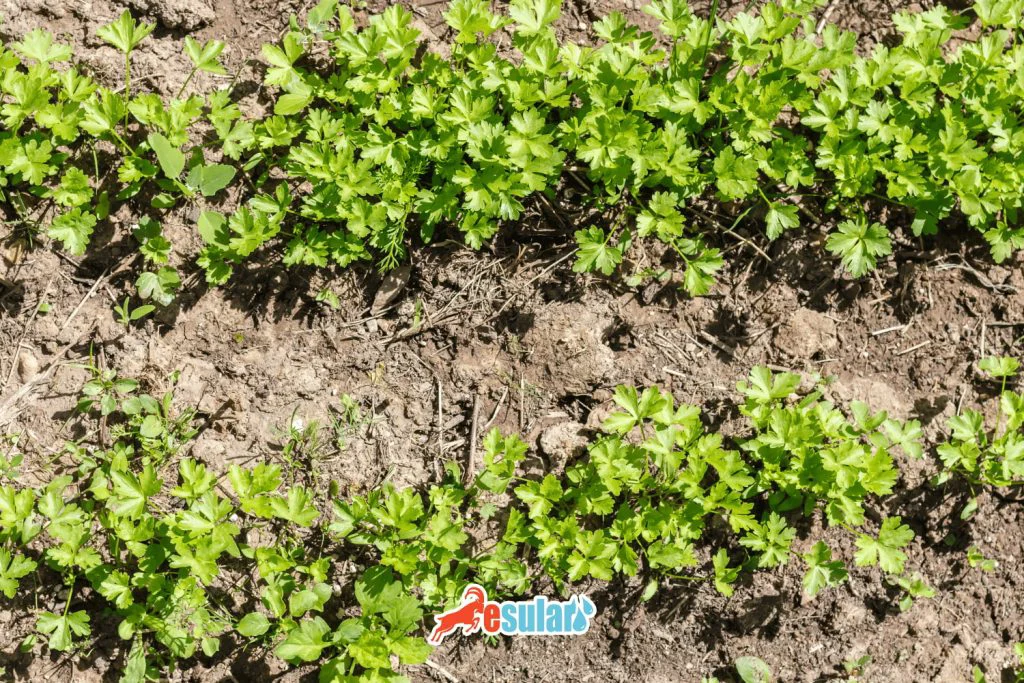
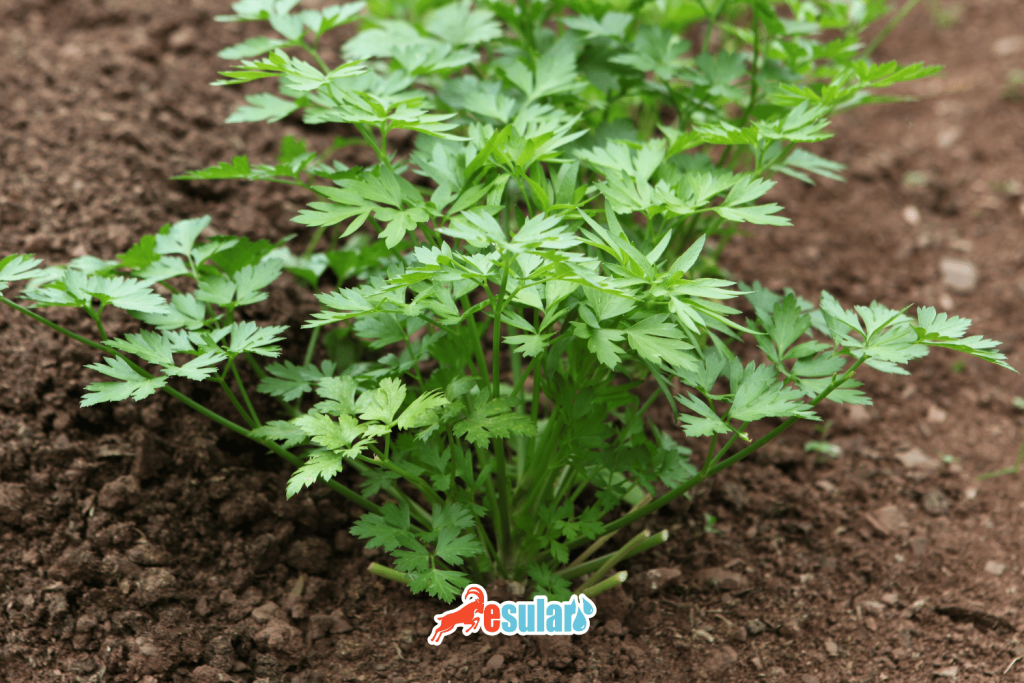
How is Parsley Cultivation Done?
Parsley cultivation is an agricultural activity that can be started with low costs and has profitability potential. The wide range of use and common consumption of parsley ensures that market demand is constant. Especially food industry businesses such as restaurants, hotels, markets, and mass consumption places constantly demand fresh parsley. For this reason, by applying correct growing techniques, high-quality and regular products can be obtained, making one a reliable supplier to these businesses. It is known that parsley generally develops better in temperate climates and moist soils. However, with the appropriate application of growing techniques, it can also be successfully grown in hotter or drier climates. Especially by using greenhouses or cooling systems, parsley production can be carried out throughout the year without being dependent on seasonal conditions.
Climate and Soil Structure in Parsley Cultivation
Parsley prefers high humidity and temperate climate conditions. In cold regions, parsley cultivation generally takes place between spring and autumn. However, in temperate climate regions of Turkey such as the Mediterranean, Aegean, and Marmara regions, parsley cultivation can be done throughout the year. Parsley's soil preference is quite broad. It is preferred that it be rich in nutrients and light. Deep and well-drained soils are ideal for parsley's root development. When the soil pH level is between 5.0 and 8.0, it creates a suitable environment for parsley. Our country's wide geographical diversity and different climate regions offer suitable opportunities for parsley cultivation. However, growing techniques should be adapted by taking into account the climate and soil characteristics of each region.
When is Sowing Done in Parsley Cultivation?
Preparation for parsley production begins with cleaning and fertilizing the field. The field is fertilized with farm manure and plowed deeply at least 1-2 months in advance to ensure the good development of the parsley. Precautions for weed control are also taken during this period. The field is prepared according to flat field sowing or bed-style production. Field selection is important in parsley cultivation. The field must be cleared of annual and perennial weeds. Seed sowing should be done carefully because its seeds are among the most difficult and longest to germinate. Seeds are scattered homogeneously and sown at a depth of 1-1.5 cm. Parsley seed is calculated as 1-1.5 grams per square meter and is usually sown by hand broadcasting in small businesses. The maintenance process begins after the seeds appear on the soil surface. Processes such as irrigation, weed control, and if necessary, fertilization are performed regularly for the healthy growth of the plants.
Fertilization in Parsley Cultivation
Organic fertilization done before sowing plays an important role in the germination and development process of the seeds. Especially organic fertilizers such as well-rotted farm manure increase the amount of humus in the soil, provide nutrients, and improve soil structure. In addition, pure nitrogen application in the autumn also provides positive effects on seed germination and plant development. Nitrogen encourages the growth of the green parts of the plants and accelerates seed germination. Mineral fertilizers such as nitrogen, phosphorus, potassium, calcium, and magnesium to be applied in addition to farm manure provide the nutrients necessary for the plant to grow healthily. These nutrients support the root, leaf, and stem development of the plant and increase product quality. Fertilization amounts should be determined according to soil analysis results. Soil analysis helps create the correct fertilization program by determining the nutrient content and pH level of the soil. In this way, the nutrients needed by the soil are provided correctly and efficient production is ensured.
Irrigation in Parsley Cultivation, Does Parsley Require a Lot of Water?
Parsley is a vegetable sensitive to soil and air humidity throughout the production period. It is important to have a sufficient amount of moisture in the soil during the germination and development process of parsley. Additionally, regular irrigation is also required to ensure the plant's water intake and for healthy growth. Along with this, air humidity is also of great importance in parsley cultivation. It is known that high air humidity helps prevent the plant's thirst stress by reducing water loss on the plant. For this reason, especially during dry periods or in regions with low air humidity, the frequency of irrigation should be increased or alternative methods to keep the plant moist should be used. Providing soil and air humidity in a balanced way to meet the moisture needs of parsley is important for healthy and efficient production.
Diseases and Pests Seen in Parsley Cultivation
In parsley production, serious diseases and pests are generally not encountered in our country. However, seed maggots can be a problem in some regions during the seed germination period. Seed maggots can prevent germination or cause weak growth of seeds by feeding on the inner parts of the seeds. In the fight against such pests, soil spraying can be done at the stage where the seeds come into contact with the soil. Soil spraying is used to neutralize harmful organisms present in the soil during the seed germination period. Chemical insecticides try to prevent seed germination by killing harmful organisms in the soil. However, since the use of chemical pesticides can harm environmental effects and human health, they should be applied carefully and necessary precautions should be taken for producer safety.
How Many Days Does Parsley Take to Grow?
After seed sowings made in March and September, parsley plants generally reach harvest maturity after 60-70 days. The harvesting process is usually done in the early hours of the morning. The leaf stalks of plants that have reached harvest maturity are cut about 1-2 cm above the soil or by taking the leaf stalks into the palm and pulling them sideways. Performing this process without completely tearing the plant from its root allows the plant to regrow and ensures the continuity of the harvest. Harvested parsley leaves can be offered to the market, grocery store, or consumer by being packaged freshly and healthily. In this way, a high-quality product is obtained with correct care and processes in the period from seed sowing to the harvest period.
Yield in Parsley Cultivation, How Many Bunches of Parsley are Produced per m2?
Yield in parsley is usually measured in bunches. In production carried out throughout a year, a total of 80-100 bunches of parsley can be obtained from a one-square-meter area. Parsley yield generally increases from the first cutting to the third cutting, but shows a tendency to decrease in subsequent cuttings. In the first cutting, young and fresh leaves are harvested and usually the highest yield is obtained. Then in the second and third cuttings, the plant shows growth again and a lower but still satisfactory yield can be obtained. However, in later cuttings, the plant ages and a decrease in yield occurs. For this reason, it is important to obtain maximum yield in parsley production throughout a year with a continuous and regular harvest plan.
Yorumlar