
Tüm Yazılar
How is Mandarin Cultivation Done?
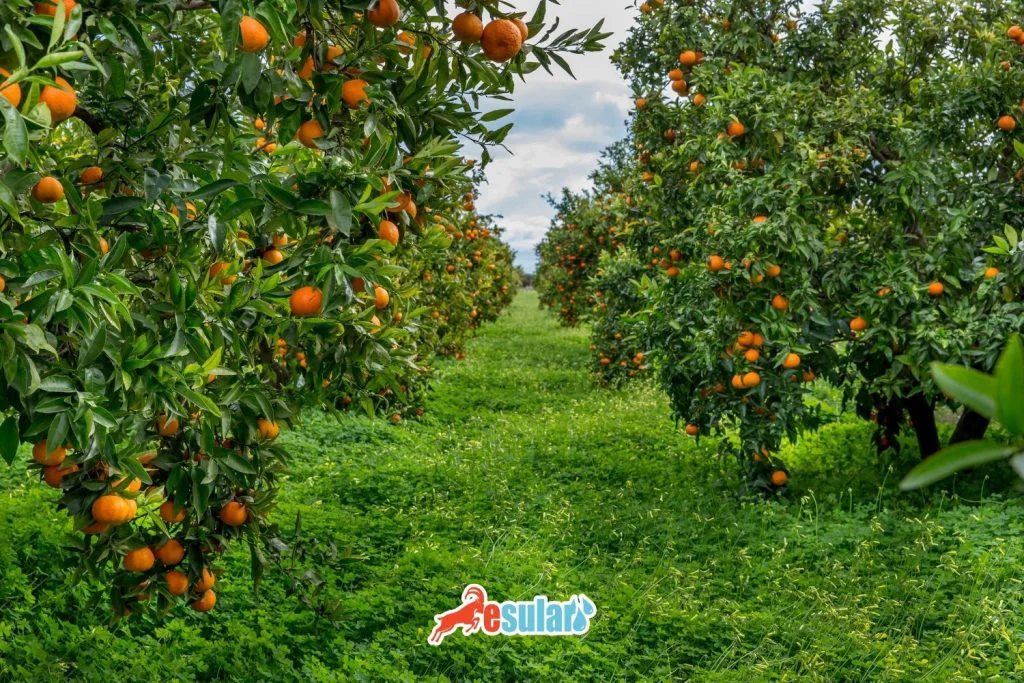
Mandarin cultivation is an important agricultural activity widely practiced in Turkey, especially in the Mediterranean, Aegean, and Eastern Black Sea regions. Mandarin is a citrus variety belonging to the species Citrus reticulata and is known for its sweet, aromatic, vitamin-rich fruits. Mandarin, which is widely consumed and exported in Turkey, constitutes approximately 25% of citrus production. Mandarin trees are small, evergreen trees containing essential oils and provide high yields in suitable climate and soil conditions. Mandarin cultivation is an attractive fruit for both producers and consumers due to advantages such as resistance to low temperatures, ease of peeling, availability of seedless varieties, and offering a wide harvest period. In this introductory text, basic principles of mandarin cultivation, climate and soil requirements, planting, irrigation, fertilization, and harvest methods will be discussed.
What are the Mandarin Varieties?
There are many different varieties in mandarin (Citrus reticulata) cultivation, and each has different characteristics. Some important mandarin varieties widely grown in Turkey are as follows:
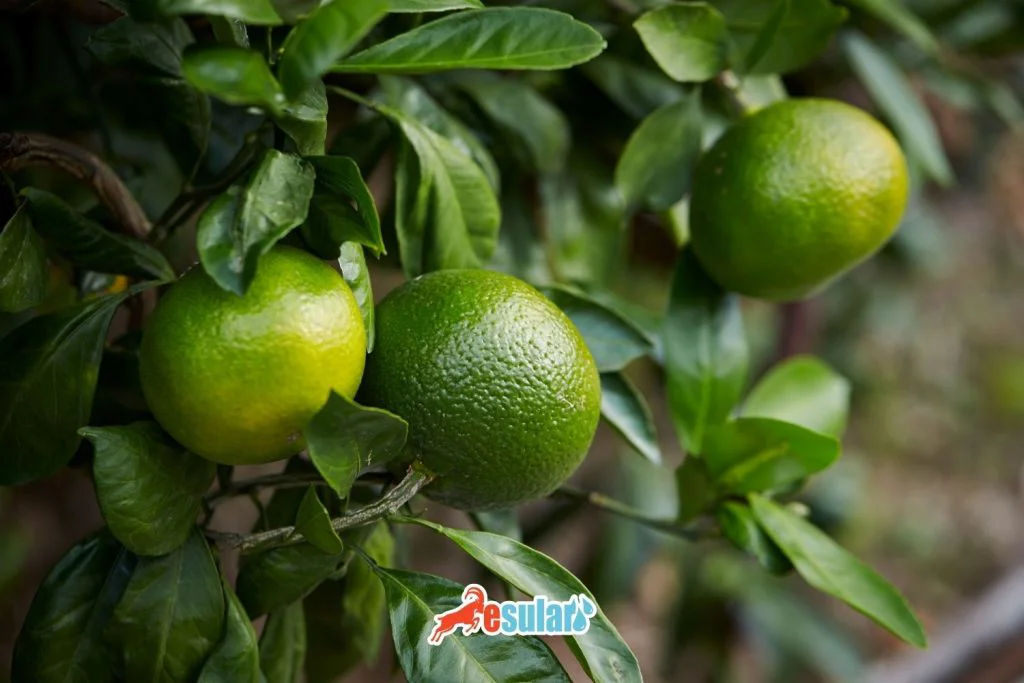
Satsuma (Owari) Mandarin: This variety, which came to Turkey from Japan, is widely grown especially in the Aegean and Eastern Black Sea regions. It is resistant to cold, and the fruit peel is yellowish-orange and slightly rough. It is seedless and gives regular yields.
Clementine: It is a sweet and aromatic variety. It is easy to peel and has a low number of seeds. It has an important place in exports.
Monreal: This variety, which has small and round fruits, is known for its sweet and juicy structure.
Wilking: It is a medium-sized, flattened variety with a peel that is easy to peel. The fruit flesh is juicy and aromatic.
Tangerine: It has dark orange, medium-sized fruits. It is delicious and aromatic, and it is a seeded variety.
King: It is a large and loose-peeled variety. It has a sweet and juicy structure.
Fremont: It is a seedless or low-seeded variety. It is dark orange and quite aromatic. It is commercially important as it is suitable for storage and transport.
Minneola Tangelo: This variety, also known as Tangelo, has a sweet and sour taste. It is generally large and seedless.
Nova: The fruit peel is bright orange and easy to peel. The fruit flesh is juicy and delicious.
Marisol: It is an early-maturing variety. The fruit peel is light orange and it is seedless.
Okitsu: It is a cold-resistant and early variety. The fruit peel is slightly rough and it is seedless.
These varieties offer a wide range to producers by adapting to different climate and soil conditions in mandarin cultivation. The unique characteristics of each variety ensure they are preferred according to consumer demands and marketing strategies.
In Which Climate and Soil Does Mandarin Grow?
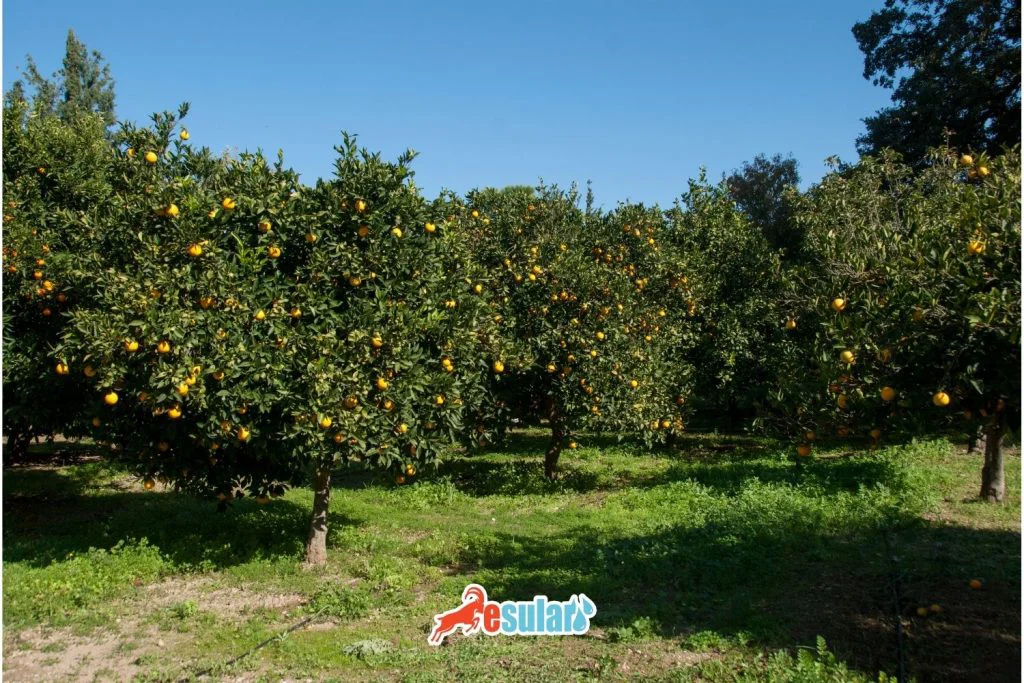
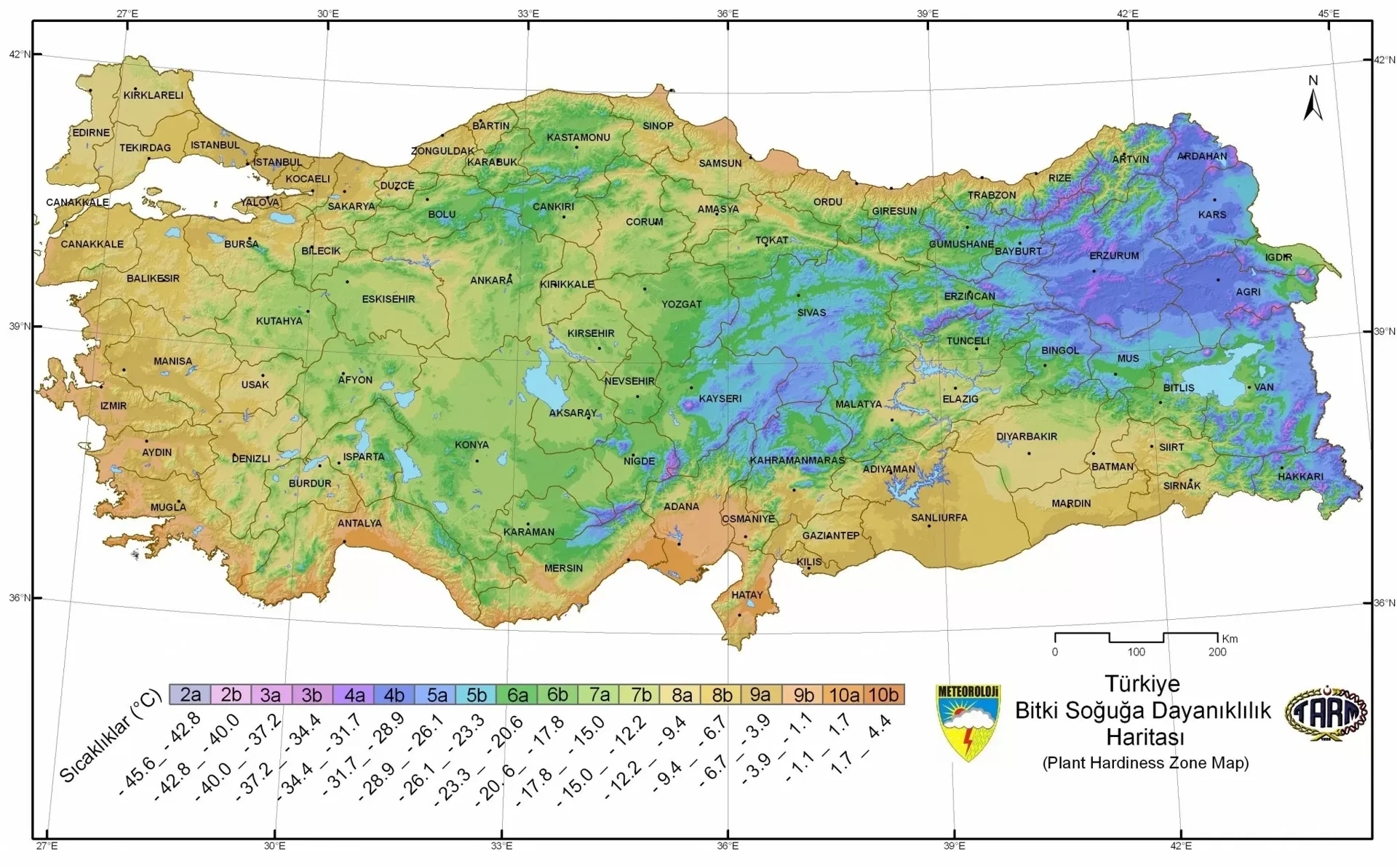
Ideal climate and soil conditions are of great importance for mandarin cultivation. Mandarin trees generally prefer temperatures between 20-30°C and temperate climates. Since these trees are sensitive to frost events, they develop better in regions without frost danger. In terms of soil, sandy-loam soils that provide good drainage are ideal for mandarin cultivation. These types of soils allow the roots to breathe and prevent excessive water accumulation, thus preventing root rot. Additionally, the pH value of the soil should be between 5.5 and 6.5; this range ensures that the plant takes up nutrients in the best way. Mandarin trees are plants that love plenty of sunlight and grow healthily under these conditions, giving high yields.
Sapling Planting in Mandarin Cultivation
Mandarin sapling planting is a very important stage for a successful harvest. Before planting the saplings, pits with dimensions of 60x60 cm and a depth of 40-50 cm should be opened. To support the strong and healthy growth of the saplings, 8-10 kg of organic fertilizer is added to these pits. Saplings are carefully placed in the pits using a planting board, and then 30-40 liters of starter water is given to ensure good contact of the roots with the soil. Starter water meets the water needs of the saplings in their initial periods and ensures that the roots hold firmly to the soil. In Turkey, the planting period generally starts in the middle of February and continues until the end of April. Pruning the saplings before planting and making a top cut from a height of 60 cm for a balanced crown formation after planting is necessary. Additionally, it is important to cover the sapling trunks with paper, cloth, or lime to protect them from sunscald. These careful steps support the healthy development of mandarin saplings and form the basis for a productive production period.
Does a Mandarin Tree Require Much Water?
Mandarin trees need regular and sufficient water, so the irrigation program should be planned carefully. Newly planted saplings should be given starter water so that the roots can quickly hold onto the soil. After the first irrigation, regular irrigation should be done every 10 days, especially in the summer months. For mature mandarin trees, irrigation frequency and amount vary depending on the season and soil structure. While irrigation may be required once or twice a week in the summer months, the irrigation frequency can be reduced in the winter months. Irrigation should be done in a way that keeps the soil moist to a depth of approximately 40-50 cm. Excessive irrigation should be avoided because this can cause root rot and deterioration of plant health. Drip irrigation systems are an ideal method for efficient water use and meeting the plant's water needs correctly. Additionally, irrigation should be done in the early morning or late evening hours. This reduces water evaporation, allowing the plant to use water more efficiently.
Fertilization in Mandarin Cultivation
Fertilization in mandarin cultivation is a fundamental practice for healthy growth and high yield. An average of 8-10 kg of well-rotted farmyard manure is added to the pits opened before planting, which supports the root development of the saplings. Every year at the end of winter or early spring, 10-15 kg of organic fertilizer should be applied around the trees. Basic nutrients such as nitrogen, phosphorus, and potassium should be given in the form of chemical fertilizers at certain periods; it is recommended to use 300-500 grams of nitrogen, 200-300 grams of phosphorus, and 300-500 grams of potassium fertilizer in the spring and mid-summer. Additionally, micronutrients such as iron, zinc, and magnesium can be applied by foliar spraying. Distributing the fertilizers evenly over the crown projection of the trees and mixing them into the soil ensures that the plant takes up the nutrients more effectively. Irrigation after fertilization increases its effect by facilitating the fertilizer's reach to the roots. This careful fertilization program ensures the healthy development of mandarin trees and the production of abundant and high-quality fruit.
Mandarin Harvest
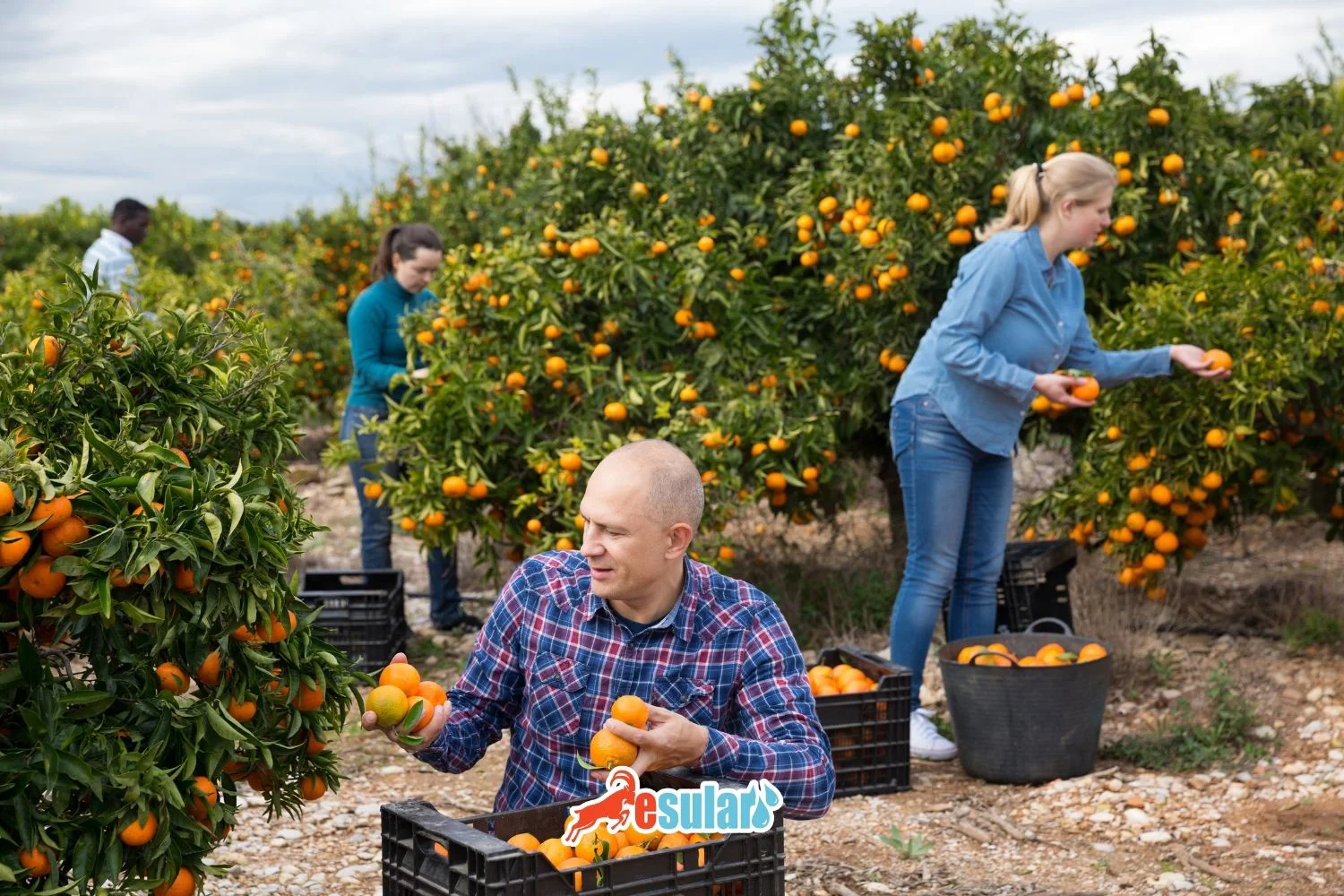
The reaching of harvest maturity for mandarin fruits varies depending on the variety and climate conditions. There is generally a harvest period starting from October and continuing until January. The most important criteria in determining the harvest time are characteristics such as the taste, color, and aroma of the fruit. Ripened mandarins have a bright orange color and are sweet and aromatic. Ripened fruits should be collected without being left on the tree for a long time; otherwise, quality loss may occur. The harvesting process is done by hand or using special harvesting shears. Care should be taken not to damage the peel and the fruit while picking the fruits from the branch. Damaged fruits lower the quality as they can spoil quickly during storage and transportation.
Harvested mandarins are carefully collected and placed in crates to avoid damage. After harvest, the fruits should be kept in a cool and shaded area for a short time if possible. Later, the fruits are classified according to their size and packaged to be offered to the market. Storage conditions are also of great importance; mandarins preserve their freshness by being stored at a temperature of 5-8°C and a humidity rate of 85-90%.
How Much Mandarin Does 1 Tree Produce?
A mature mandarin tree can yield approximately 50 to 100 kilograms of fruit annually under suitable care and growing conditions. This amount can vary depending on the age of the tree, variety, climate conditions, and applied agricultural techniques. This productivity can be achieved through correct agricultural practices such as regular irrigation, fertilization, and control of diseases and pests. Keeping mandarin trees healthy with regular pruning is also an important factor that increases productivity.
In How Many Months Does a Mandarin Give Fruit?
In mandarin cultivation, saplings may start to give fruit, even if just a little, in the first year after planting. However, it generally takes 4-5 years for them to reach full fruit yield. During this period, the trees complete their growth and development periods and reach the necessary maturity for higher yield and quality fruit production. Correct care and cultivation practices performed in the first years ensure that the trees grow healthily and are highly productive in the following years.
Yorumlar