
Greenhouse Automation System
Greenhouse automation systems are technological solutions used to increase agricultural efficiency, provide energy savings, and facilitate business management by automating various processes within the greenhouse. These systems include a series of sensors, control units, actuators, and automation software. Here are the basic features of greenhouse automation systems:
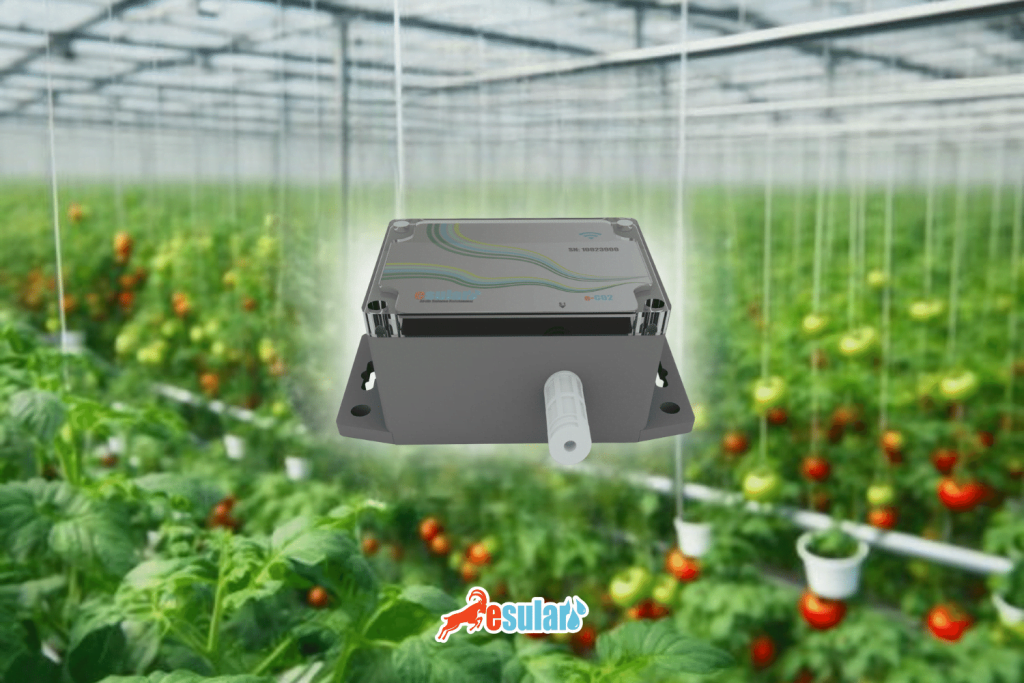
Environmental Control:
- Greenhouse automation systems continuously monitor environmental parameters such as temperature, humidity, light, and carbon dioxide levels.
- Sensors respond automatically when set threshold values are exceeded, which ensures temperature control, humidity regulation, and optimization of other environmental conditions.
Window and Door Control:
- It automatically controls windows and doors inside the greenhouse. This increases air circulation and maintains the temperature and humidity balance inside the greenhouse.
- Automatic control reduces the need for manual intervention and provides energy savings.
Irrigation Control:
- Greenhouse automation systems regulate irrigation processes according to plant needs. It optimizes irrigation time and amount using soil moisture sensors.
- This provides water savings and improves plant growth.
Fertilization Automation:
- Greenhouse automation systems automatically apply the appropriate amount of fertilizer to plants. This ensures the balanced provision of nutrient elements and supports plant growth.
Energy Management:
- It optimizes energy consumption and increases the energy efficiency of the greenhouse. It effectively controls lighting, heating, and cooling systems.
- It can adjust energy use at certain times of the day or according to environmental conditions.
Remote Monitoring and Control:
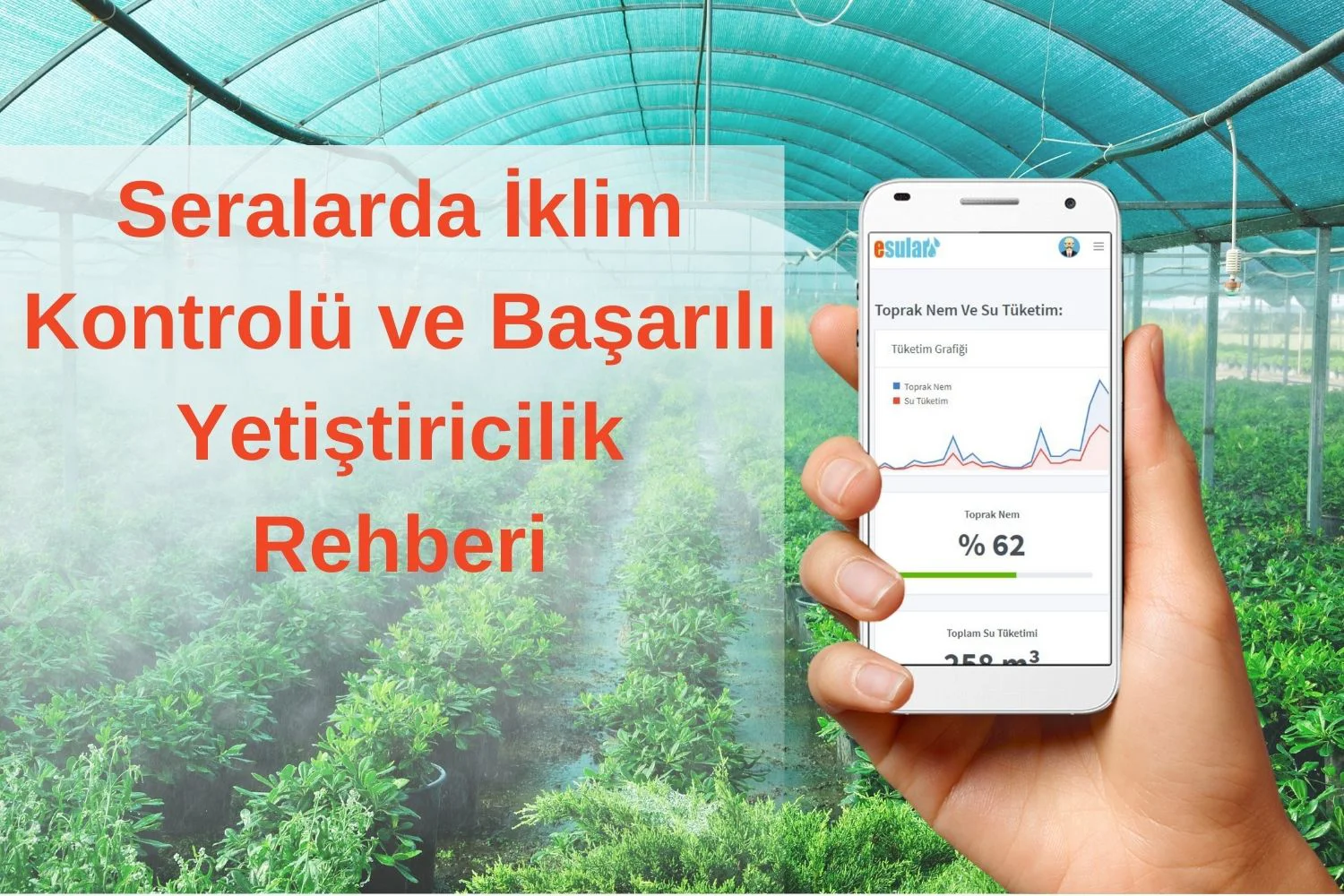
- Greenhouse automation systems offer remote monitoring and control features. This allows farmers to manage the greenhouse from anywhere.
- It enables viewing and controlling data in the system via web-based interfaces or mobile applications.
Greenhouse automation systems are an important technological solution used in modern agricultural practices to increase efficiency, reduce labor costs, and support sustainable farming practices.
Greenhouse Environmental Control:
Greenhouse environmental control systems are technological solutions that continuously monitor and automatically regulate environmental conditions within the greenhouse. These systems include various sensors, control units, and actuators. Here are the basic features of greenhouse environmental control systems:
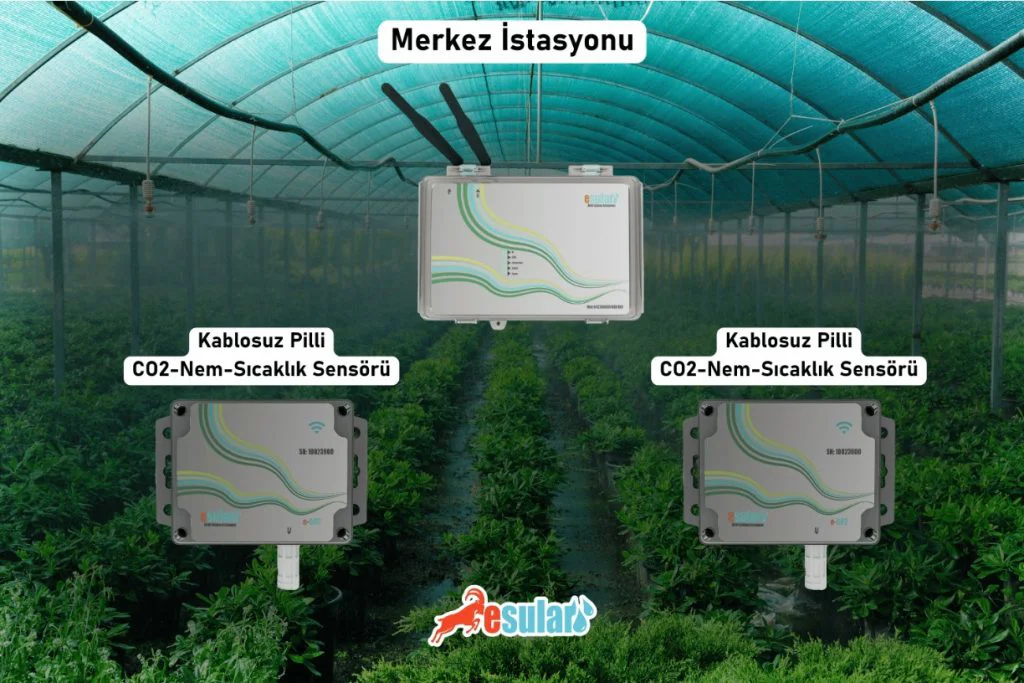
Temperature Control:
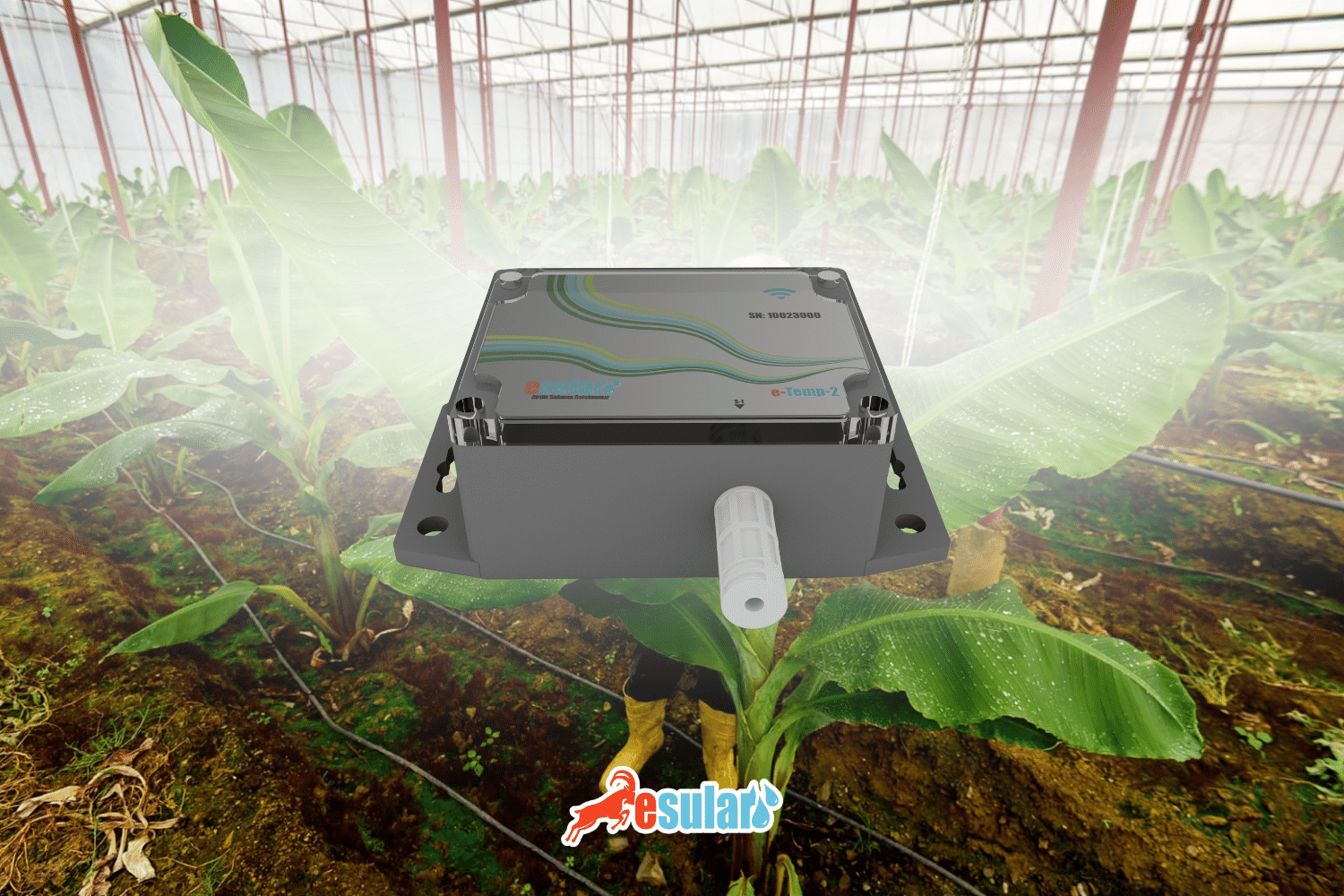
- Greenhouse environmental control systems use sensors that continuously monitor the internal temperature.
- In cases that exceed set temperature threshold values, it ensures temperature balance by automatically activating cooling or heating systems.
Humidity Regulation:
- Humidity sensors are used to monitor humidity levels inside the greenhouse.
- It controls humidity regulation systems to maintain specific humidity ranges.
Light Levels:
- Light sensors are used to monitor light levels inside the greenhouse.
- It optimizes light levels with lighting control devices such as automatic curtain or shading systems.
Carbon Dioxide (CO2) Control:
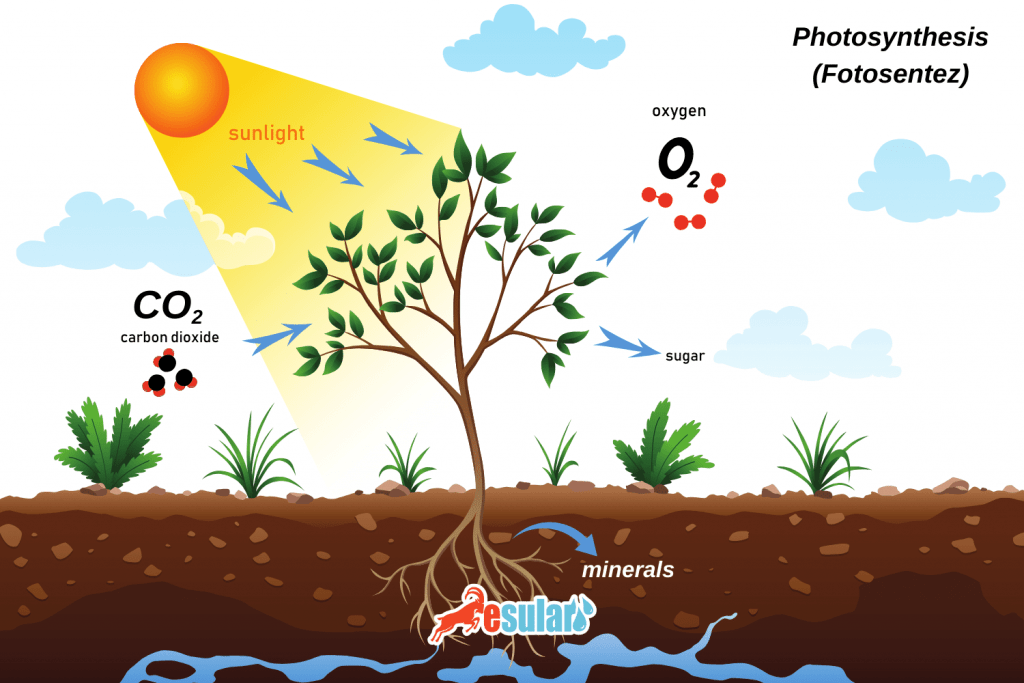
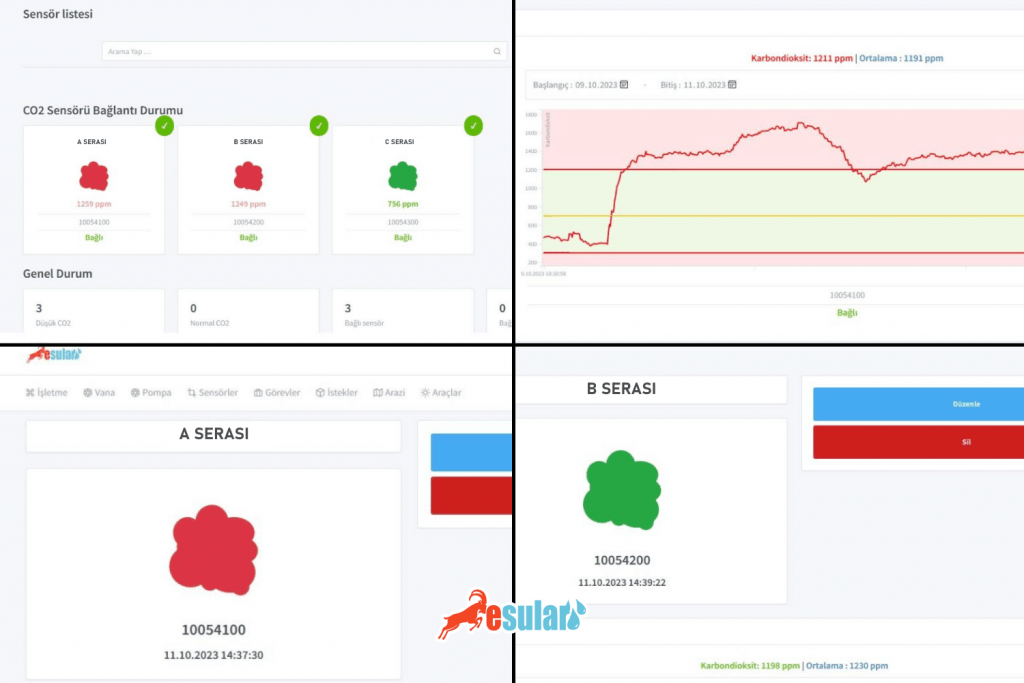
- CO2 sensors are used to monitor CO2 levels required for plant photosynthesis.
- It controls systems such as automatic ventilation or CO2 addition to keep CO2 levels within certain ranges.
Air Circulation:
- It controls window and fan systems to increase air circulation inside the greenhouse.
- This supports plant growth by creating a homogeneous micro-climate.
Water and Irrigation Control:
- It optimizes irrigation processes suitable for plant needs using soil moisture sensors.
- It regulates water consumption with automatic irrigation systems.
Remote Monitoring and Control:
- Greenhouse environmental control systems offer remote monitoring and control features. This allows farmers to observe and manage the environment inside the greenhouse from anywhere.
Greenhouse environmental control systems are an important tool for increasing plant health and efficiency, optimizing energy use, and providing farmers with more effective business management.
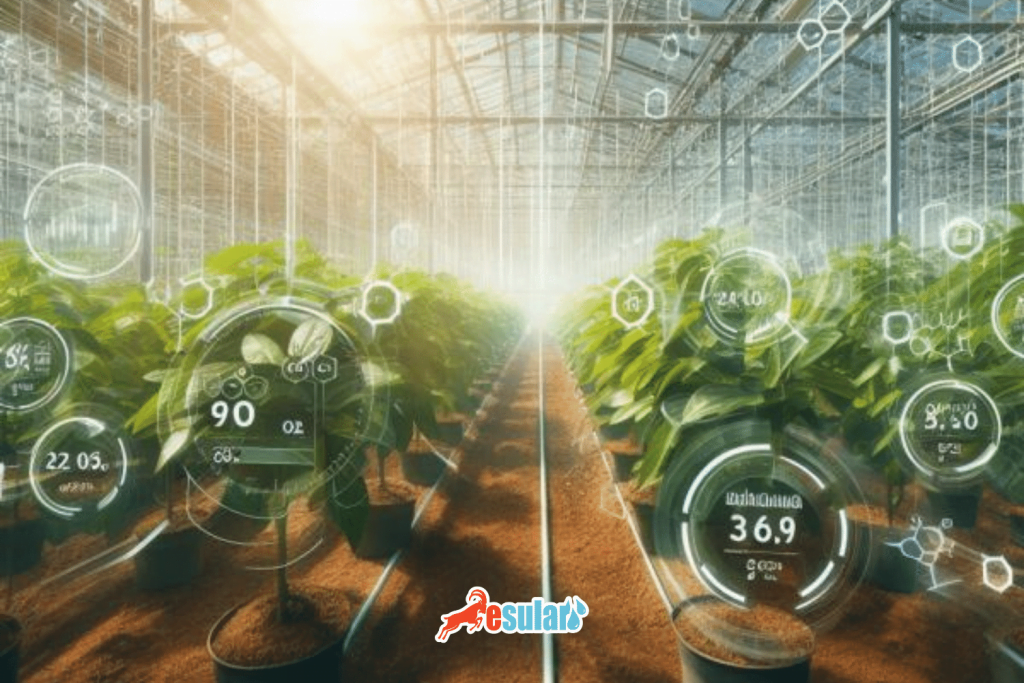
Greenhouse Window and Door Control:
Greenhouse window and door control systems are automatic systems used to optimize air circulation and environmental conditions within the greenhouse. These systems have the ability to automatically open and close windows and doors using various sensors, motors, and control units. Here are the basic features of greenhouse window and door control systems:
Automatic Opening and Closing:
- Greenhouse window and door control systems monitor environmental parameters such as specific temperature, humidity, or CO2 levels.
- When set threshold values are exceeded, it automatically opens windows and doors, and closes them in the opposite case.
Sensors:
- The system continuously monitors environmental conditions through various sensors such as internal temperature, humidity, and carbon dioxide levels.
- These sensors provide real-time data to the automatic control unit.
Motors and Actuators:
- Motors and actuators are used to control windows and doors. This performs the automatic opening and closing function.
- Motors can open and close windows and doors within a specific range of motion.
Time-Set Control:
- The system includes timers to perform the function of automatically opening and closing windows and doors at specific times.
- This feature adapts to daily and seasonal changes depending on sunlight, temperature changes, or other factors.
Remote Control:
- Greenhouse window and door control systems provide remote monitoring and control. This gives farmers the flexibility to manage the ventilation system inside the greenhouse from anywhere.
- Web-based interfaces or mobile applications provide remote access to users.
Safety Features:
- The system may include safety measures, for example, the ability to automatically close windows and doors against sudden weather changes.
- It may include safety protocols for situations requiring manual intervention in emergencies.
Greenhouse window and door control systems are an important component for optimizing plant growth, increasing energy efficiency, and providing farmers with the ability to manage their businesses more effectively.
Greenhouse Irrigation Control:
Greenhouse irrigation control systems are technological solutions used to optimize the amount of water plants need and to automate irrigation processes. These systems include sensors, control units, valves, and irrigation equipment. Here are the basic features of greenhouse irrigation control systems:
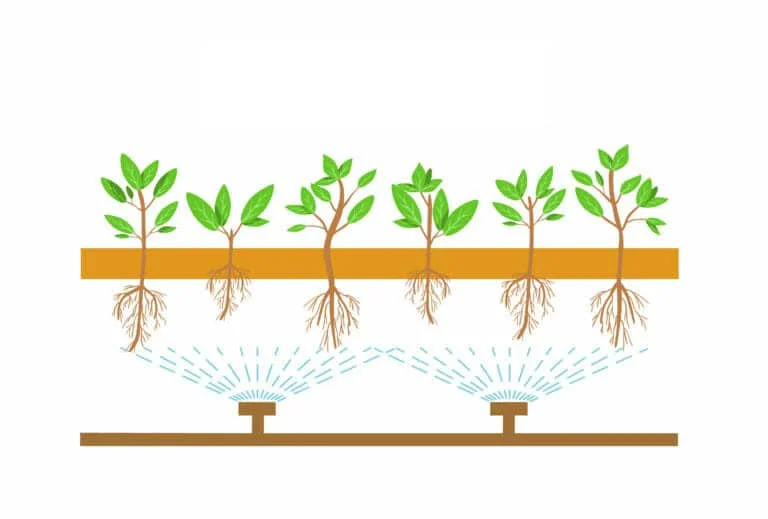
Soil Moisture Sensors:
- Greenhouse irrigation control systems use sensors to measure soil moisture.
- Sensors regulate irrigation processes according to the water needs of plants by monitoring moisture levels in the soil.
Automatic Irrigation Valves:
- The system controls the direction of water to plants through automatic irrigation valves.
- When set moisture levels are reached or exceeded, automatic irrigation valves open or close.
Irrigation Duration and Frequency Control:
- Irrigation control systems can determine the irrigation duration and frequency at specific times or when specific moisture thresholds are exceeded.
- This optimizes water consumption according to plant needs.
Remote Monitoring and Control:
- Greenhouse irrigation control systems provide remote monitoring and control.
- It includes web-based interfaces or mobile applications that offer farmers the ability to observe and adjust irrigation processes from anywhere.
Rain Sensors:
- The system can use rain sensors to monitor precipitation conditions.
- When rain is detected, it can take measures such as automatically closing the irrigation system or reducing the irrigation duration.
Fertigation (Integration of Fertilization and Irrigation):
- Greenhouse irrigation control systems can integrate fertigation systems to apply fertilizer along with water.
- This effectively meets the water and nutrient needs of plants.
Data Logging and Reporting:
- The system can record soil moisture levels, irrigation durations, and other important data.
- This data allows farmers to evaluate and optimize irrigation strategies.
Greenhouse irrigation control systems optimize water consumption, reduce labor costs, and improve plant health. These systems are an important tool for sustainable and efficient irrigation management in modern agricultural practices.

Greenhouse Fertilization Automation:
Greenhouse fertilization automation is a technological solution used to control and optimize the fertilization process in accordance with plant needs. These automation systems include sensors, control units, dosing systems, and fertilizer storage equipment. Here are the basic features of greenhouse fertilization automation:
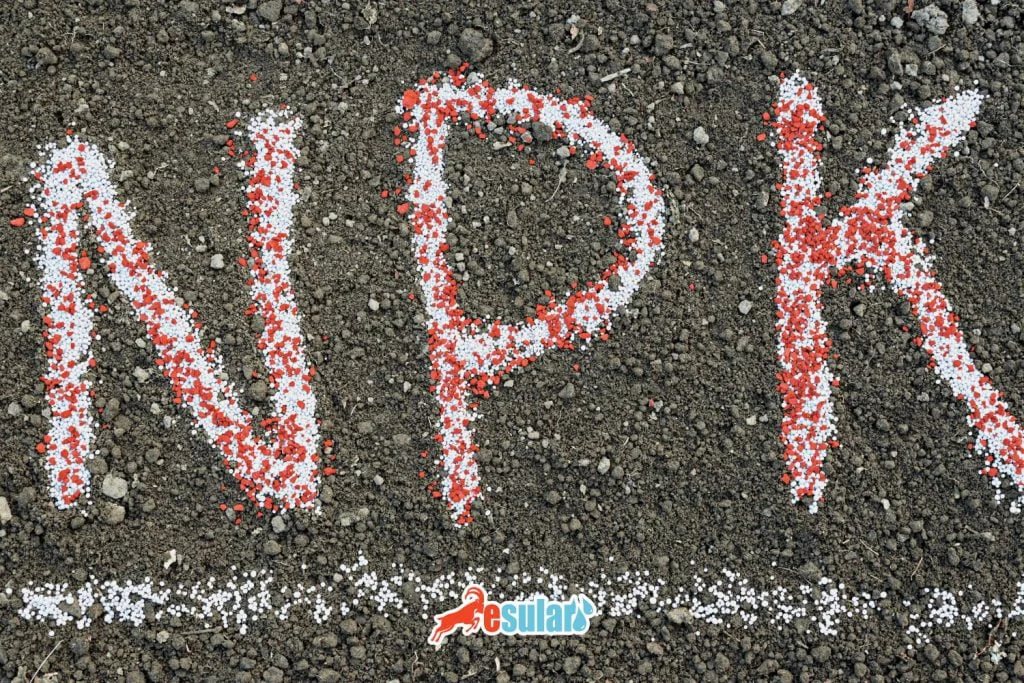
Fertilization According to Plant Needs:
- Greenhouse fertilization automation systems regulate fertilizer application in accordance with the growth stages and needs of plants.
- This system optimizes fertilization processes by considering the sensitivity of plants to water, light, and other factors.
Sensors and Monitoring:
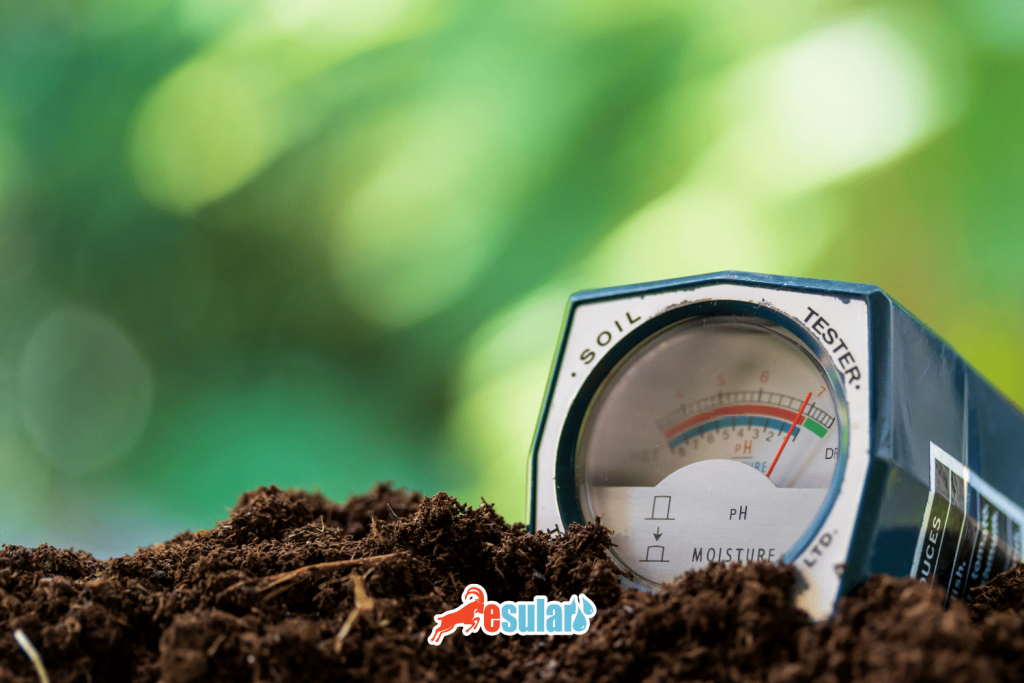
- Soil moisture sensors monitor factors affecting plant development.
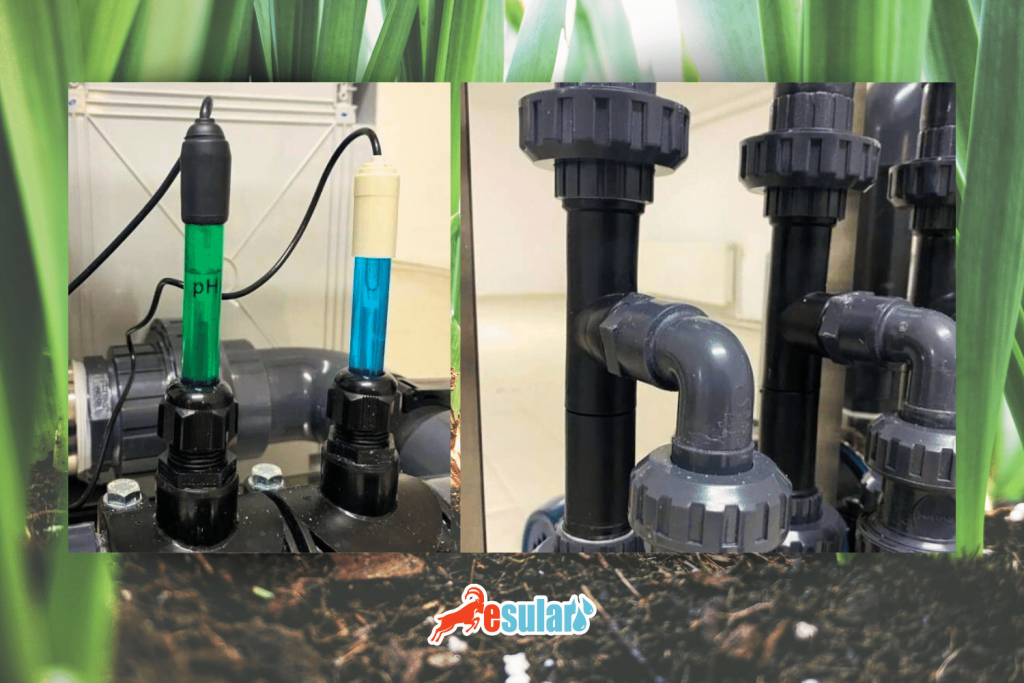
- CO2 levels, pH levels, and other important parameters inside the greenhouse are also continuously monitored.
Automatic Dosing Systems:
- Fertilization automation controls automatic dosing systems in compliance with set parameters.
- These systems mix fertilizers in a specific amount and correct ratio to provide fertilization suitable for plant needs.
Remote Monitoring and Control:
- Greenhouse fertilization automation systems have remote monitoring and control features.
- It includes web-based interfaces or mobile applications that offer farmers the ability to observe and adjust fertilization processes from anywhere.
Fertigation Integration:
- Fertilization automation systems can be integrated with irrigation systems.
- This provides both water and nutrients to plants using the fertigation method, which enables fertilizer application along with irrigation water.
Dozing Error Control:
- The system checks for possible errors in fertilizer dosing processes and can make corrections.
- This protects plant health by preventing problems such as over-fertilization or insufficient fertilization.
Data Logging and Reporting:
- The system can record data related to fertilization processes.
- This data allows farmers to evaluate and optimize fertilization strategies.
Greenhouse fertilization automation is an important tool for optimizing plant growth, making fertilizer use efficient, and offering farmers more effective business management.
Greenhouse fertilization automation is an important tool for optimizing plant growth, making fertilizer use efficient, and offering farmers more effective business management.
Greenhouse Energy Management:
Greenhouse energy management is a technological solution used to efficiently use energy resources used within the greenhouse, reduce energy costs, and support sustainable agricultural practices. These management systems include various technologies to provide energy savings and optimize lighting, heating, cooling, and other energy-intensive processes inside the greenhouse. Here are the basic features of greenhouse energy management systems:
Smart Lighting Control:
- Greenhouse energy management systems manage lighting systems according to different times of the day and external light conditions.
- It performs automatic lighting control to gain maximum benefit from natural sunlight and minimize energy consumption.
Heating and Cooling Control:
- It controls heating and cooling systems to optimize temperature regulation inside the greenhouse.
- It makes adjustments automatically, taking into account external weather conditions and temperature changes indoors to provide energy savings.
Solar Panel and Wind Turbine Integration:
- It can increase energy production by integrating technologies such as solar panels and wind turbines, which are renewable energy sources.
- This allows greenhouse businesses to meet their own energy needs and reduce energy costs.
Energy Storage Systems:
- It can use energy storage systems to store excess energy produced during the day.
- This optimizes energy costs by using stored energy during periods when energy demand is low.
Remote Monitoring and Control:
- Greenhouse energy management systems have remote monitoring and control features.
- It includes web-based interfaces or mobile applications that offer farmers the ability to observe energy consumption and production in real-time and optimize energy use.
Energy Efficiency Analysis and Reporting:
- The system analyzes energy use and can create energy efficiency reports.
- These reports guide farmers on reducing energy costs and improving sustainable energy practices.
Greenhouse energy management increases environmental sustainability, reduces energy costs, and plays an important role in modern agricultural practices to increase operational efficiency.
Greenhouse Remote Monitoring and Control:
Greenhouse remote monitoring and control systems are technological solutions that provide farmers with the ability to monitor and control various parameters inside the greenhouse. These systems include sensors, control units, and remote access tools. Here are the basic features of greenhouse remote monitoring and control systems:
Remote Access:
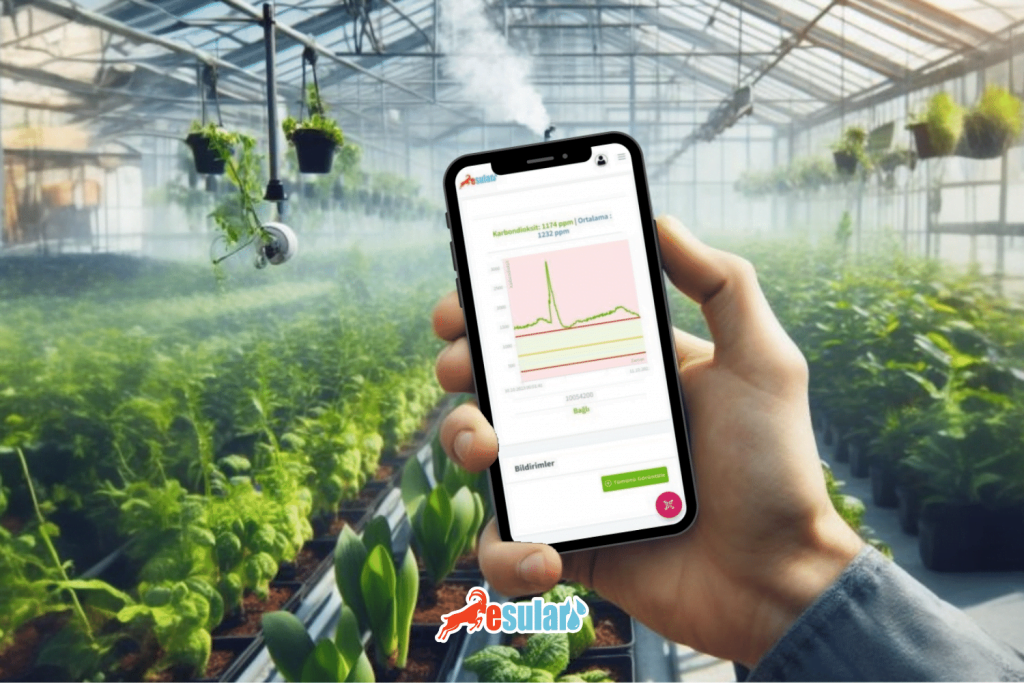
- Greenhouse remote monitoring and control systems allow access to greenhouse data over the internet from anywhere.
- It provides remote access to farmers via web-based interfaces or mobile applications.
Sensor Technology:
- It continuously monitors environmental parameters such as temperature, humidity, light levels, CO2 levels, and soil moisture rate inside the greenhouse using various sensors.
- These sensors are used to collect real-time data and detect problems quickly.
Mobile Notifications and Alerts:
- The system can send mobile notifications or e-mail alerts to farmers when set threshold values are exceeded or specific situations occur.
- This is important for identifying emergencies or potential problems quickly.
Graphics and Reporting:
- Remote monitoring systems offer farmers graphics, reports, and analyses.
- This provides a user-friendly interface for evaluating past performance, planning future strategies, and making decisions.
Camera Systems:
- Camera systems can be integrated for visual monitoring inside the greenhouse.
- This can be used to observe plant growth, ensure worker safety, and for security purposes.
Automatic Control Capabilities:
- Remote monitoring systems can offer remote control capabilities.
- For example, it provides the ability to perform operations remotely such as controlling water pumps, adjusting heating or cooling systems.
Security and Data Privacy:
- Systems are equipped with security measures and protect the data privacy of farmers.
- It includes data encryption and secure connection protocols.
Remote monitoring and control systems provide farmers with the ability to manage greenhouse businesses more efficiently, optimize environmental conditions, and make instant interventions.
Yorumlar