
Tüm Yazılar

What Are the Agricultural Products Grown in the Marmara Region?
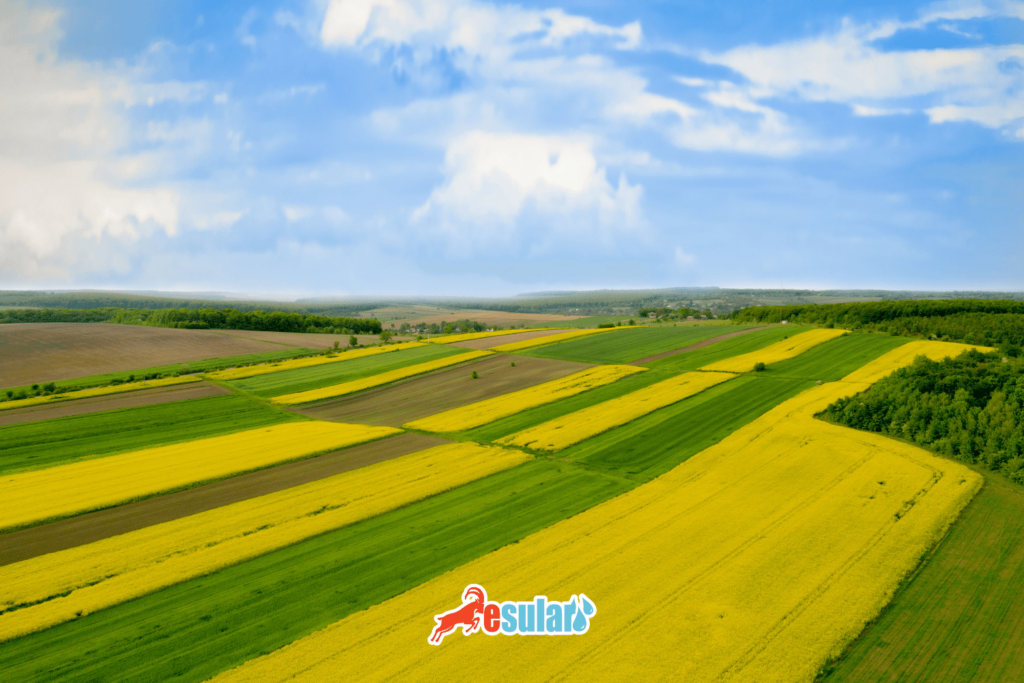
The Marmara Region has a strategic location in the northwest of Turkey, and agriculture plays an important role in the region's economy. Extensive agricultural lands and modern agricultural techniques support the region's agricultural production. This production allows for the cultivation of various agricultural products. Agricultural lands are concentrated especially in provinces such as Bursa, Balıkesir, Çanakkale, and Kocaeli. Plains, plateaus, and valleys are the main areas where agriculture is focused. These regions are suitable for agriculture with their fertile soils and favorable climate conditions. Cereals and oilseeds such as wheat, barley, corn, sunflower, canola, and sugar beet are among the important agricultural products of the region. Additionally, vegetables and fruits such as olives, grapes, tomatoes, cucumbers, and peppers are also widely grown.
The use of modern agricultural techniques increases productivity and enhances product quality. Thus, the Marmara Region makes significant contributions to Turkey's agricultural potential. High-quality agricultural products are in demand in both local and national markets and have a positive impact on the economy. The region's agricultural production contributes greatly to economic development. Steady growth in the agricultural sector helps increase the region's prosperity level and expand job opportunities. Therefore, the Marmara Region stands out as one of Turkey's leading regions in the field of agriculture.
Climate and Geographical Features of the Marmara Region
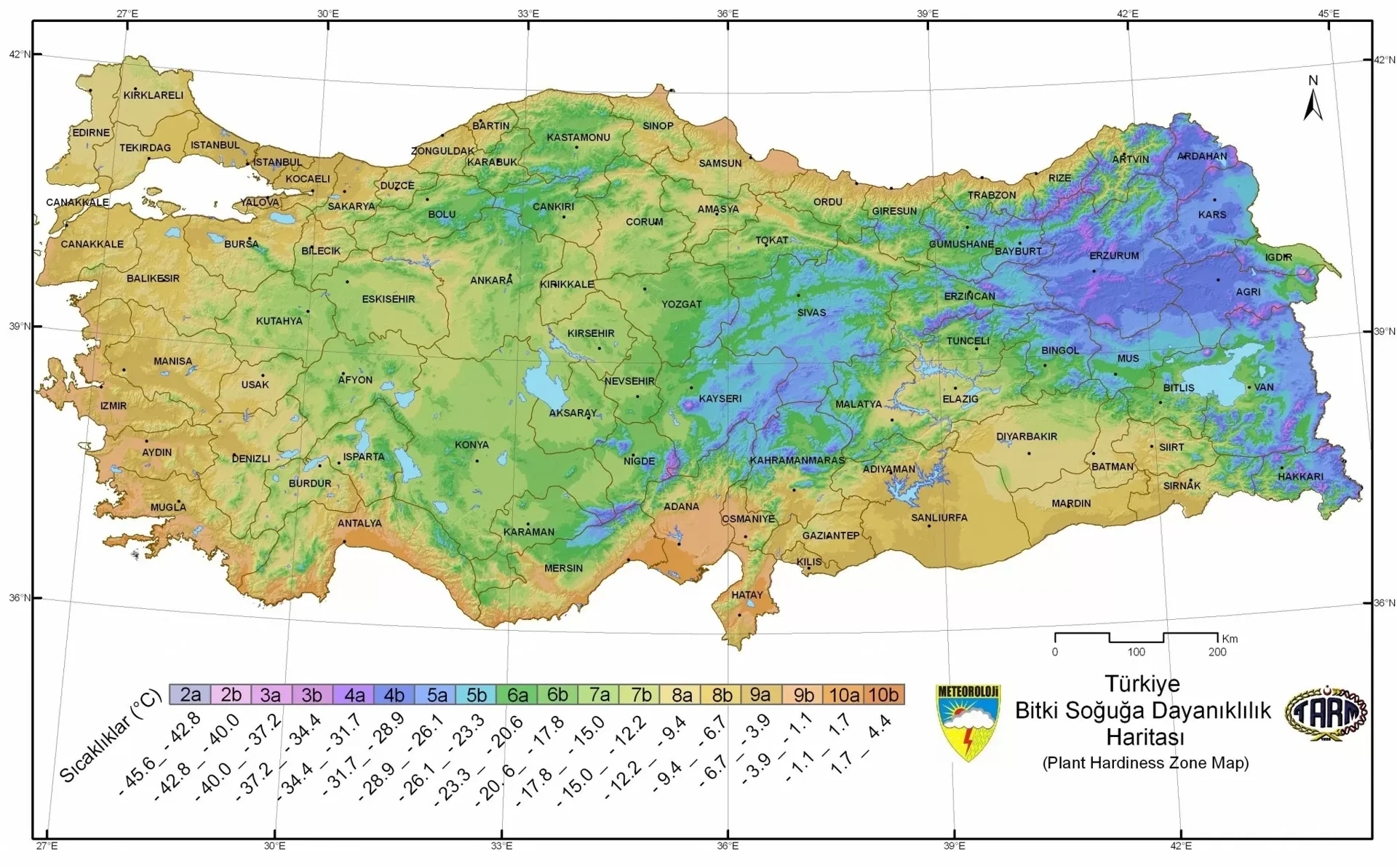
The region is located around the Sea of Marmara, from which it takes its name, and serves as a bridge between Thrace and Anatolia. In the geographically diverse Marmara Region, mountainous areas are few and plains generally dominate. Especially the Çatalca-Kocaeli Plateau, and the Adapazarı, Bursa, and Balıkesir plains are among the important plains of the region. The climate of the region varies and is a complete transition area. It contains Mediterranean, Black Sea, and continental climate influences together. In coastal areas, the Mediterranean climate is more dominant, and summers are hot and dry, while winters are mild and rainy. However, in the interior parts, more continental climate influence is seen and winters are colder.
Agricultural production is concentrated in the wide and fertile plains of the region and is carried out with modern methods. However, the region's economy is not based solely on agriculture; industry and trade also hold an important place. Large cities like Istanbul further increase the economic power of the region and make the region one of the most developed regions in Turkey.
What Grows in the Marmara Region?
The Marmara Region is one of Turkey's most important regions in terms of agriculture, and various agricultural products are grown. Thanks to its fertile soils and favorable climate conditions, the region has a wide range of agricultural products. The main agricultural products grown in the region are:
Wheat: Significant amounts of wheat are produced throughout the Marmara Region. Wheat is one of the main agricultural products of the region and is generally used for bread-making.
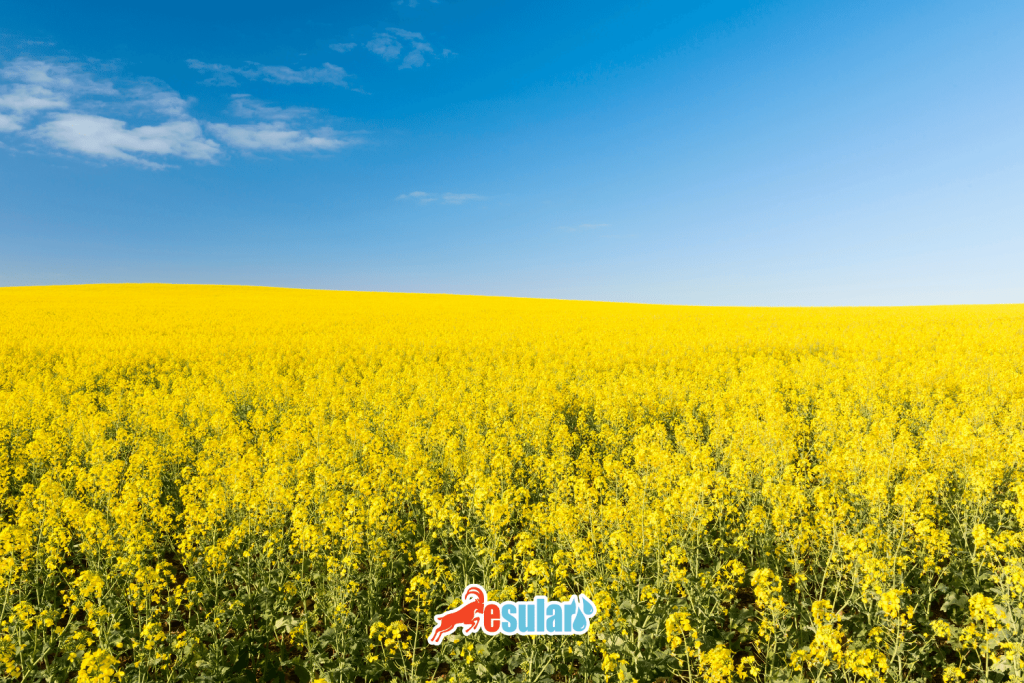
Sunflower: In the Southern Marmara Region, especially in provinces such as Bursa, Balıkesir, and Çanakkale, sunflowers are widely grown. Sunflower is an important agricultural product used for oil.
Sugar Beet: Sugar beet is an important industrial plant used for sugar production.
Corn: Corn production is quite common in the Marmara Region. Especially the Ergene section plays an important role in corn farming.
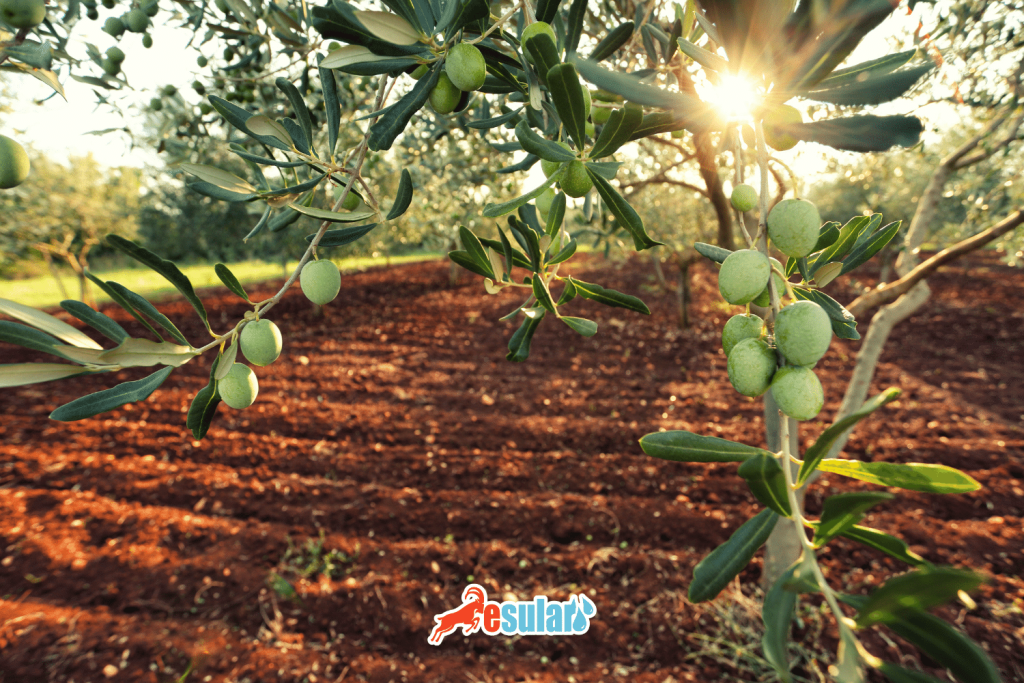
Olive: Olive cultivation is carried out on the western coasts of the region, especially in provinces such as Çanakkale, Balıkesir, and Bursa. Olive is an important agricultural product consumed as table olives and used in oil production.
Vegetables: Tomatoes, peppers, cucumbers, and eggplants are among the region's agricultural products.
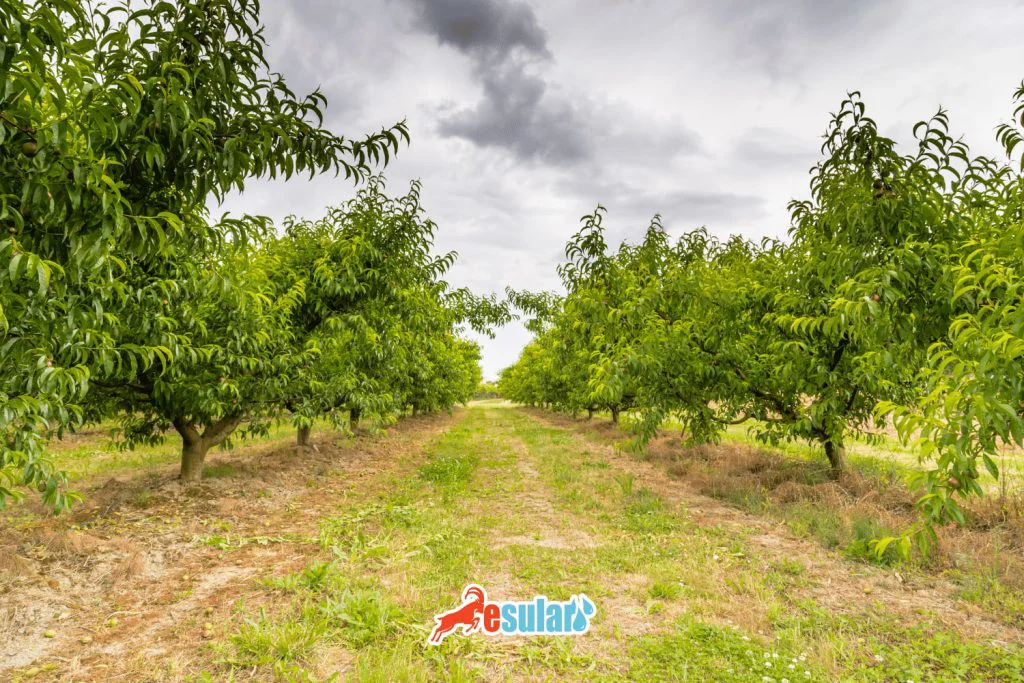
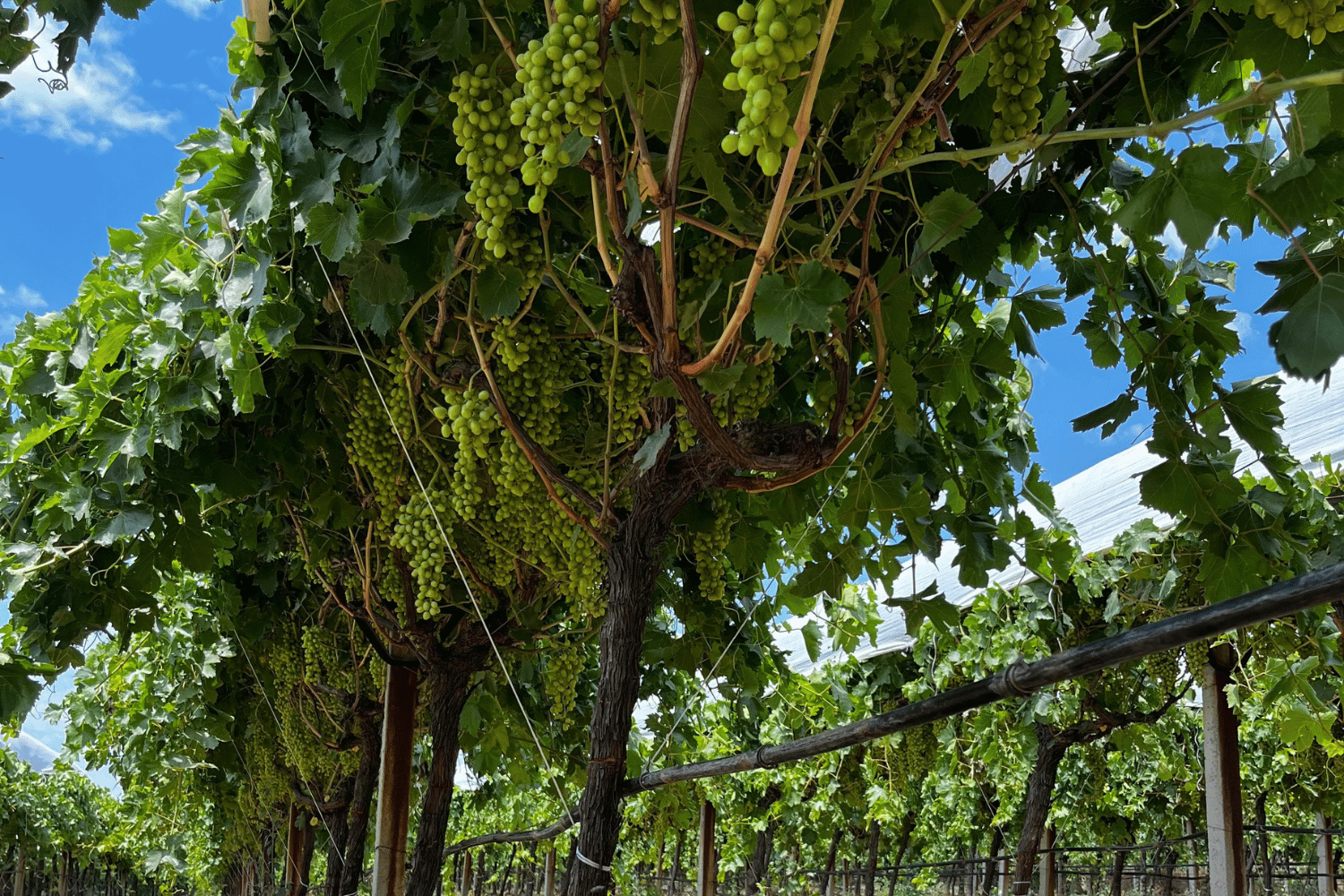
Fruits: Fruit cultivation is also common in the region. Especially the famous grapes and peaches of Bursa are among the important fruit products of the Marmara Region.
- Canola: The canola plant is a plant whose production has increased especially in recent years and is also used industrially.
Legumes: Beans, peas, and lentils like legumes enrich the region's agricultural portfolio.
These agricultural products are grown in accordance with the region's climate and soil structure and provide significant contributions to the region's agricultural production.
Contribution of the Marmara Region to the National Economy
This region contributes greatly to Turkey's economic development with its wide agricultural lands, natural resources, developed industrial infrastructure, and strategic location. In addition to basic agricultural products such as wheat, sunflower, and legumes, products such as olives, corn, and hazelnuts are also grown in abundance. The region also meets a significant portion of Turkey's table olive production. In addition to agricultural production in this region, livestock is also a developed sector. However, the weight of the Marmara Region in the economy is felt more in the fields of industry and trade.
It is estimated that the region's contribution to the national income is approximately 40%. 60% of industrial production and 30% of agricultural production are provided from this region. Istanbul alone accounts for 30% of Turkey's gross national product. The region carries out a large part of Turkey's industrial production and hosts many large industrial organizations. Especially Istanbul is one of the most important trade centers of the country. With its ports, free trade zones, and logistics infrastructure, it is at the heart of Turkey's foreign trade. At the same time, the region plays a major role in service sectors such as tourism, finance, education, and health.
Use of Agricultural Technologies in the Marmara Region
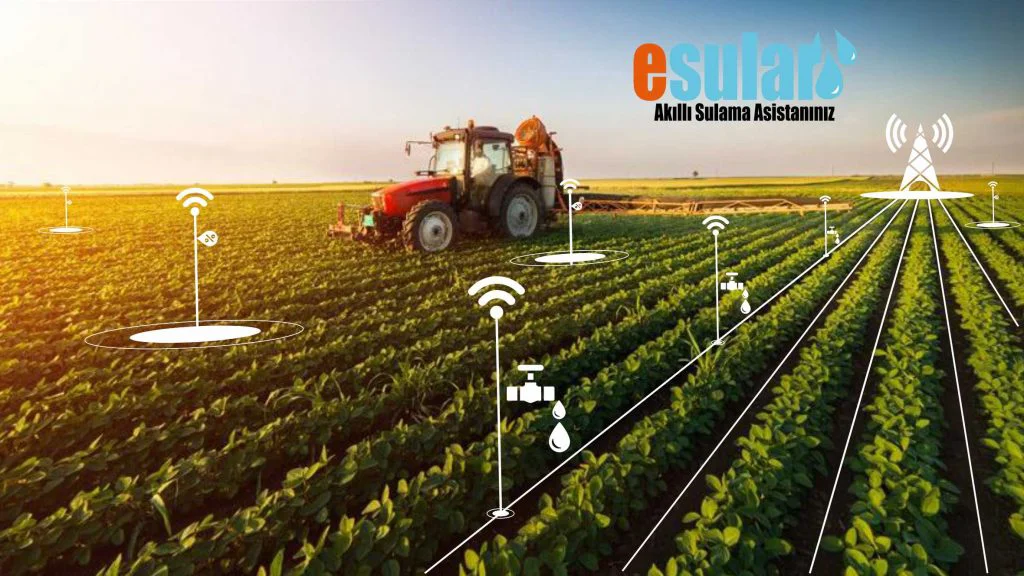
The Marmara Region is one of the regions where technology plays an important role in the agricultural sector. Modern agricultural technologies have been largely adopted to increase productivity, improve product quality, and support sustainable agricultural practices. The use of technology in agriculture in the region has created a visible impact in various areas. Especially, the use of modern agricultural equipment such as tractors, combine harvesters, irrigation systems, and fertilization machines has increased labor productivity and reduced production costs. In this way, farmers have become able to process more land and obtain more products. Additionally, the use of chemical products such as agricultural pesticides, pesticides, and herbicides is also common. These products are used effectively in combating harmful insects, controlling weeds, and preventing plant diseases. Thus, the productivity of agricultural products increases and their quality is preserved.
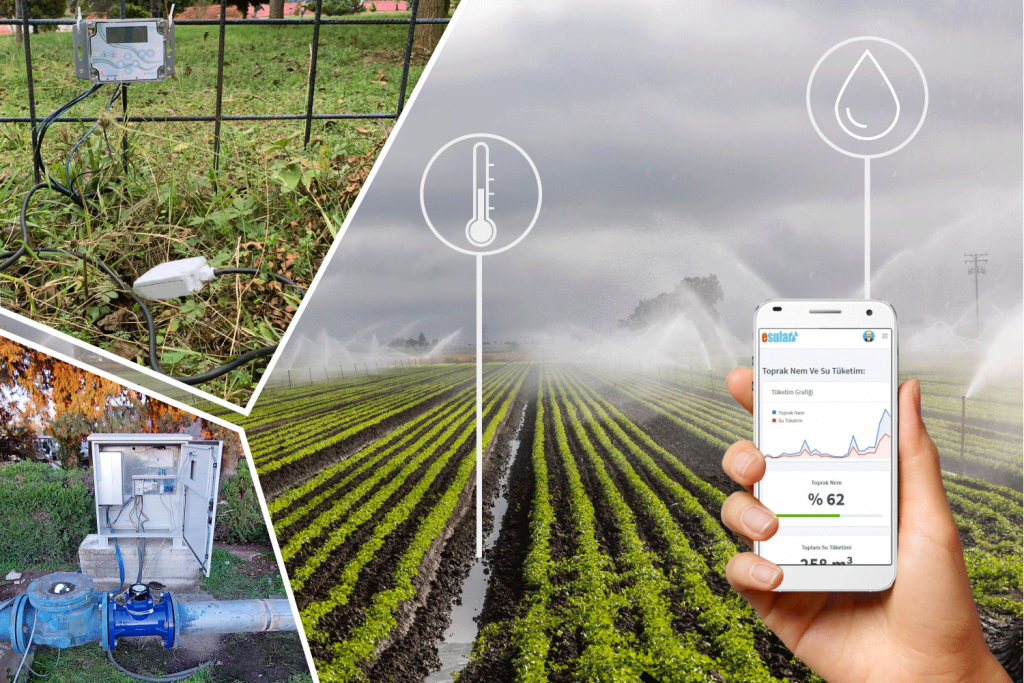
The use of agricultural technologies in the Marmara Region is not limited only to mechanical equipment. Farmers in the region are also adopting innovative methods such as smart farming applications, remote sensing technologies, and data analytics. While these technologies make agricultural activities more efficient, they also help in using natural resources more sustainably. You can contact us to get more detailed information about smart irrigation systems and advanced agricultural technologies. https://esular.com/akilli-sulama-sistemleri

Yorumlar