
Tüm Yazılar
What is MAP Fertilizer?
MAP fertilizer, which is the abbreviation for “Monoammonium Phosphate,” contains the essential nutrients necessary for the growth and development of plants. MAP (12-61-0) is a completely water-soluble fertilizer. It contains 12% Nitrogen (N) and 61% Phosphorus Pentoxide (P2O5). In terms of phosphate content, it is a type that contains the highest rate of phosphorus among fertilizers. Furthermore, thanks to its granular form, it is easy to store and apply. Its ability to regulate the pH balance of the soil has the potential to reduce soil acidity. With its flexible use, it offers a suitable option for different plant species and soil conditions.
What Does MAP Fertilizer Do?
MAP fertilizer has many benefits for plants. Some of these benefits are as follows;
Encourages Root Development: It accelerates the root development of the plant and helps in creating a strong root system. This allows the plant to take more nutrients and water from the soil.
Increases Yield: It encourages tillering especially in plants such as grains, and creates a suitable environment for flowering and fruit set. This generally provides an increase in yield.
Increases Flowering and Fruit Set: When applied before flowering, it encourages strong and simultaneous flowering, thus increasing fruit or grain set.
Accelerates Maturation: By accelerating the maturation process of plants, it can bring forward the harvest time.
Increases Resistance and Durability: It increases the resistance of plants against cold, diseases, and pests.
Phosphorus and Nitrogen Balance: It provides the nutrients necessary for the growth of plants. With these benefits, it is frequently preferred in agricultural areas.
When is MAP Fertilizer Applied?
The timing of application of MAP fertilizer may vary according to the growth periods of the plant and soil conditions. Generally, application to the soil before or during planting is preferred. This can help seeds or seedlings develop their root systems healthily. Additionally, MAP fertilizer application is common during active growth periods of plants to meet nutrient needs and for healthy growth. The timing of application can also be determined to complete deficient nutrients identified based on soil analysis results. However, to determine the most appropriate timing according to each plant species and the conditions of the region grown, it is important to seek expert advice and consider plant nutrition requirements.
How is MAP Fertilizer Applied?
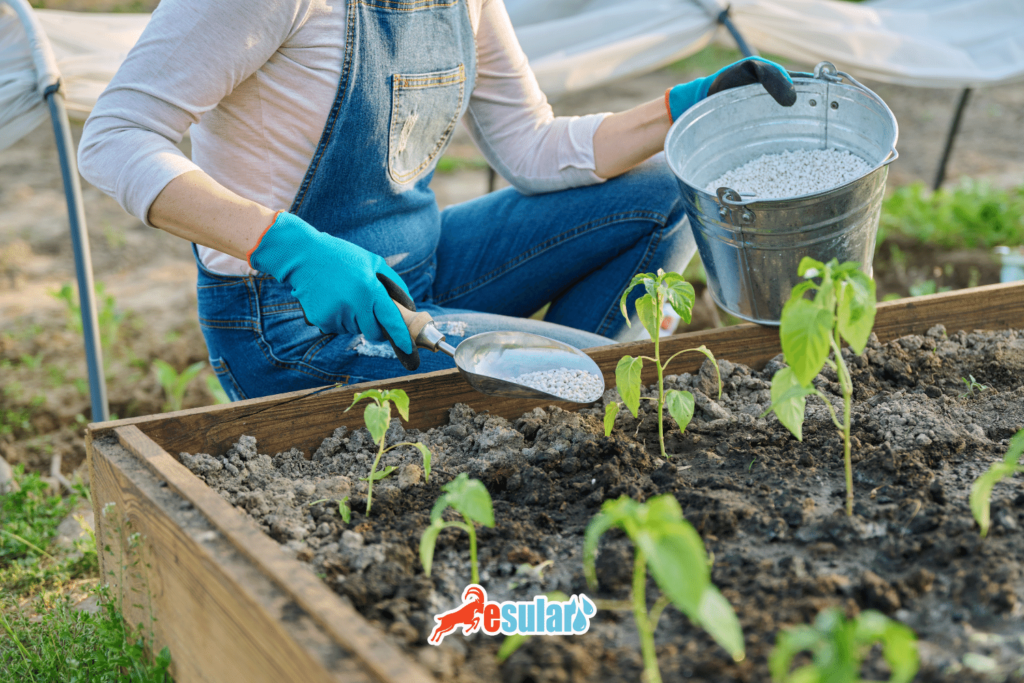
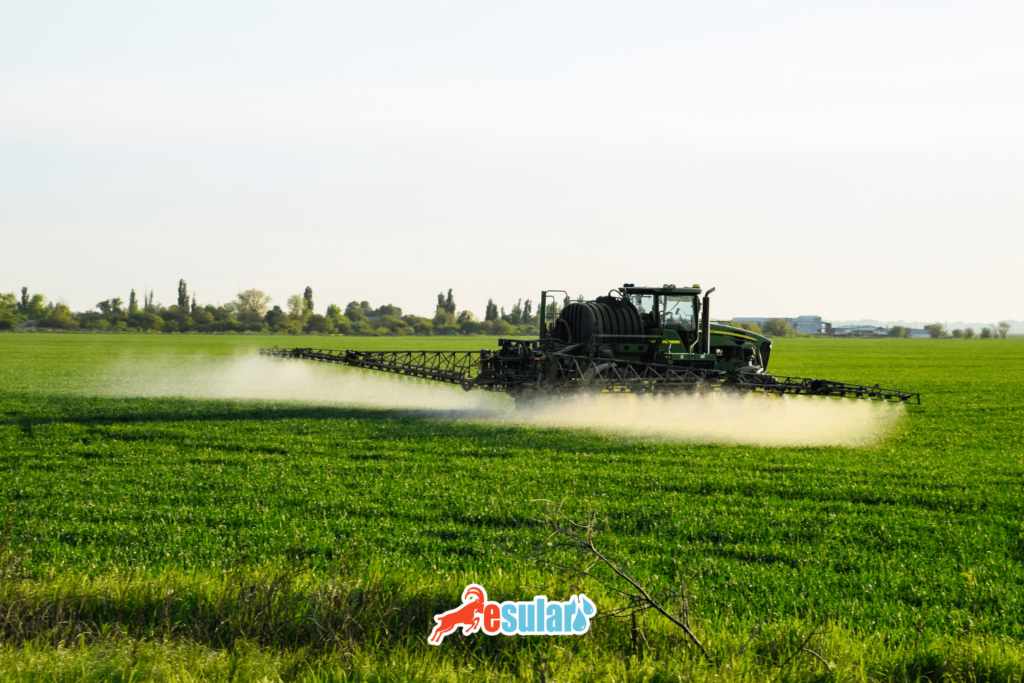
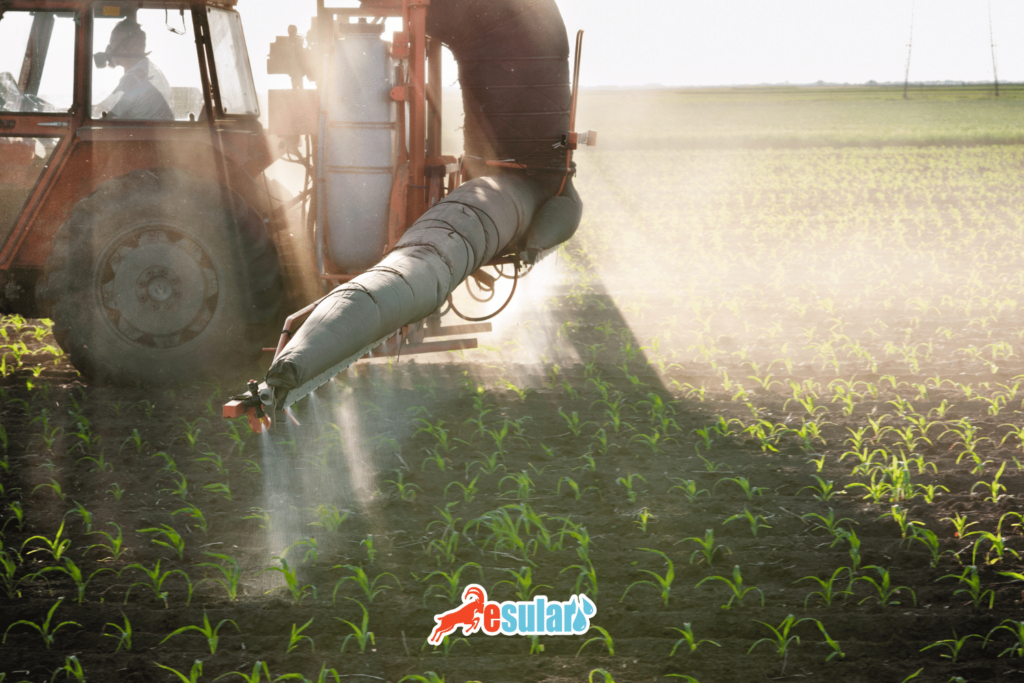
When applying MAP fertilizer, generally two basic methods are used. Application on top of the soil takes place by spreading the fertilizer or distributing it to the sides of the plants following the pre-preparation of the field or garden. The fertilizer is slightly mixed with the soil or placed by coating. Another method is application with irrigation water. In this case, fertilizer is added to the irrigation system and fertilization is done directly to the plants during irrigation. Which method to use depends on factors such as soil structure, plant species, and fertilization needs. The timing and amount of fertilization should be carefully adjusted considering the growth stages and nutrient requirements of the plants. If you would like to examine the automation systems used in this application, you can take a look at our https://esular.com/gubreleme-ve-sulama-otomasyonu article.
How Much MAP Fertilizer is Applied per Decare?
The amount and application method of MAP fertilizer vary depending on the plant species, growth stage, and soil characteristics of the region grown. For example, for grains, generally between 20 to 50 kilograms of MAP fertilizer per decare is recommended. If it is to be applied with a drip irrigation system for plants such as peppers, tomatoes, and eggplants, between 3-5 kilograms per decare, and if the drip method is preferred, generally 200 grams of MAP fertilizer can be mixed into 100 liters of water. These amounts may vary depending on the nutrient requirements of the plants and soil conditions, so it is important to seek advice from plant experts to determine the most accurate amounts. Additionally, the fertilizer-water mixture should be adjusted according to the amount of fertilizer to be used and the irrigation method, which helps the plant reach the most suitable nutritional environment.
What are the Points to Consider When Using MAP Fertilizer?
There are several important points to consider in the use of MAP fertilizer. First, the correct dosage and timing of application must be determined; this should be adjusted according to the type of plant, growth stage, and soil conditions. Soil analyses are important in terms of identifying the deficiencies of the soil and determining the amount of fertilizer. The application method should be chosen according to irrigation systems and the needs of the plant. Additionally, to minimize environmental impacts, excessive fertilization should be avoided and fertilizers should be stored safely. Finally, it should not be used together with fertilizers containing calcium (Ca) and magnesium (Mg). It is important to seek advice from agricultural experts for correct use; thus, both the health of the plants can be protected and help can be provided for correct fertilization.
Yorumlar