
Tüm Yazılar
What is a Rainfall Quantity Sensor?
A rainfall quantity sensor is a measuring device that measures the amount of precipitation occurring in a specific area and transmits this data to be analyzed. These sensors prevent unnecessary irrigation and save water by accurately determining the amount of natural precipitation.
In the field of agriculture, correct irrigation management is quite important both for plant development and the sustainable use of water resources. While there is no need for extra irrigation during periods of sufficient precipitation, irrigation systems can be automatically activated by determining the water requirement in line with the data obtained from the sensor during dry periods.
Rain sensors are also used in meteorological stations, environmental analyses, hydrological studies, and climate change observations outside of agriculture. Especially, it is an important data source for determining soil moisture and the water requirement in agricultural production. Agricultural applications such as fertilization and spraying can also be optimized depending on the amount of precipitation.
Rainfall quantity sensors, which can work integrated with modern smart farming systems, contribute to a sustainable and environmentally friendly production process by increasing efficiency in agricultural production.
Rainfall Quantity Measurement Methods
Accurately and precisely measuring the amount of rain is of great importance in many fields such as agriculture, water management, and meteorology. Thanks to modern technologies, various methods have been developed to measure the amount of precipitation. The most commonly used rain measurement methods:
- Tipping Bucket Rain Sensors
This method is one of the most commonly used measurement systems. The dual-chamber mechanism located inside the sensor empties the chamber by turning upside down when a certain amount of water is filled. Each tipping corresponds to a designated amount of precipitation.
- Optical Rain Sensors
Optical rain sensors detect raindrops with the help of light beams. Infrared or laser beams on the sensor are interrupted by the passage of drops, and the amount of precipitation is calculated by measuring the frequency and intensity of these interruptions.
- Acoustic Rain Sensors
The acoustic method measures the amount of precipitation by analyzing the sound waves generated as a result of raindrops hitting a certain surface.
- Weighing Gauge Rain Gauges
This method is based on the principle of measuring the weight of rain by collecting it in a chamber. It is an extremely sensitive method and is used especially in scientific research and long-term precipitation analyses.
- Radar-Based Rain Measurement Methods
Radar systems are used to determine the intensity and distribution of precipitation on a large scale. The amount of precipitation is calculated by measuring the reflection of electromagnetic waves sent into the atmosphere after hitting raindrops. This method is frequently preferred in meteorological stations to track precipitation movements over large areas.
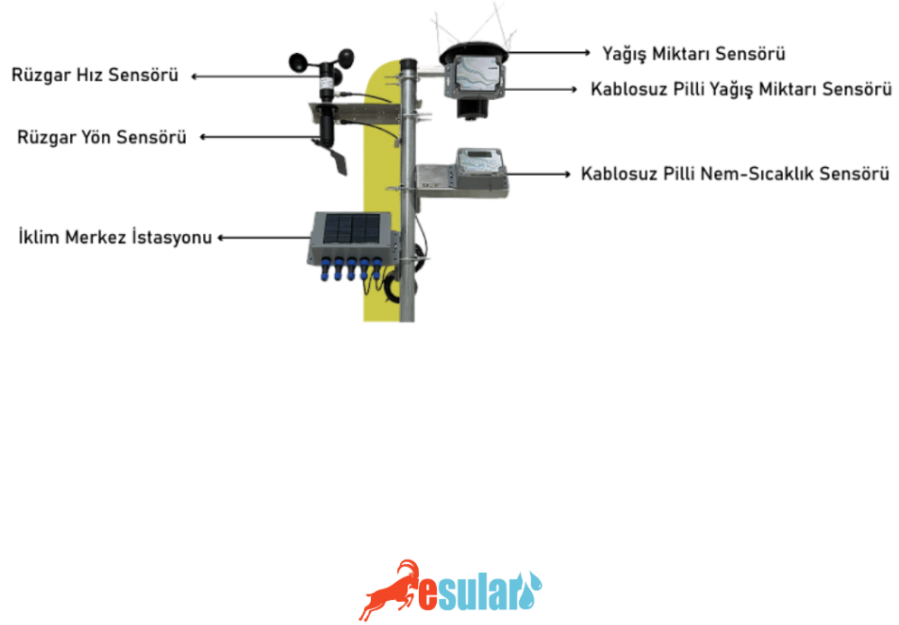
Today, these methods allow for more accurate data to be obtained by being integrated especially with smart farming systems and meteorological measurement stations. As esular, we offer the most precise solutions in agriculture and meteorological measurements with our rainfall quantity sensors and integrated climate stations. You can contact us to get detailed information about our solutions, which can be offered as a standalone sensor or within a fully equipped station package.
What is a Rainfall Quantity Sensor Used For?
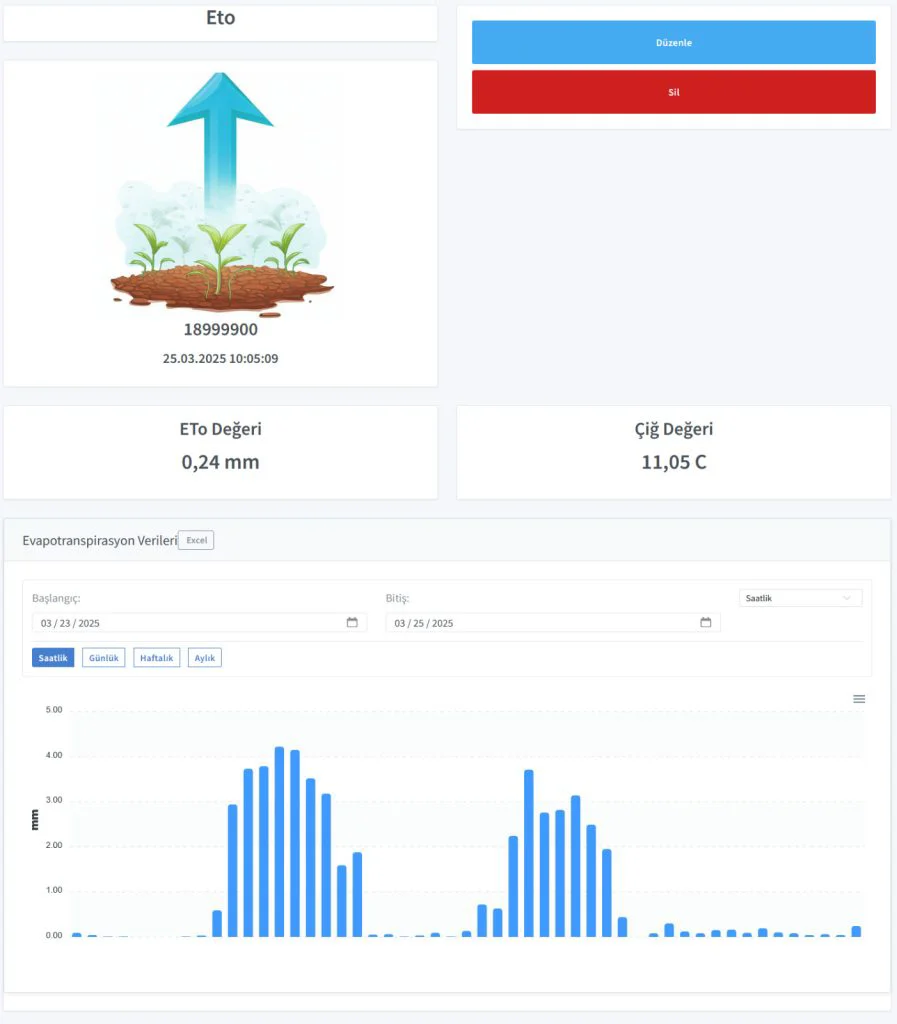
These sensors, which are a basic data source in correct irrigation and fertilization planning, are used in Eto (Reference Evapotranspiration) calculation. Accurately measuring the amount of precipitation helps in determining the actual water needs of plants. By protecting the soil moisture balance, unnecessary irrigation is prevented, plants are ensured to receive as much water as they need, and water waste is prevented. Additionally, thanks to long-term precipitation data, producers can make agricultural plans suitable for climate conditions.
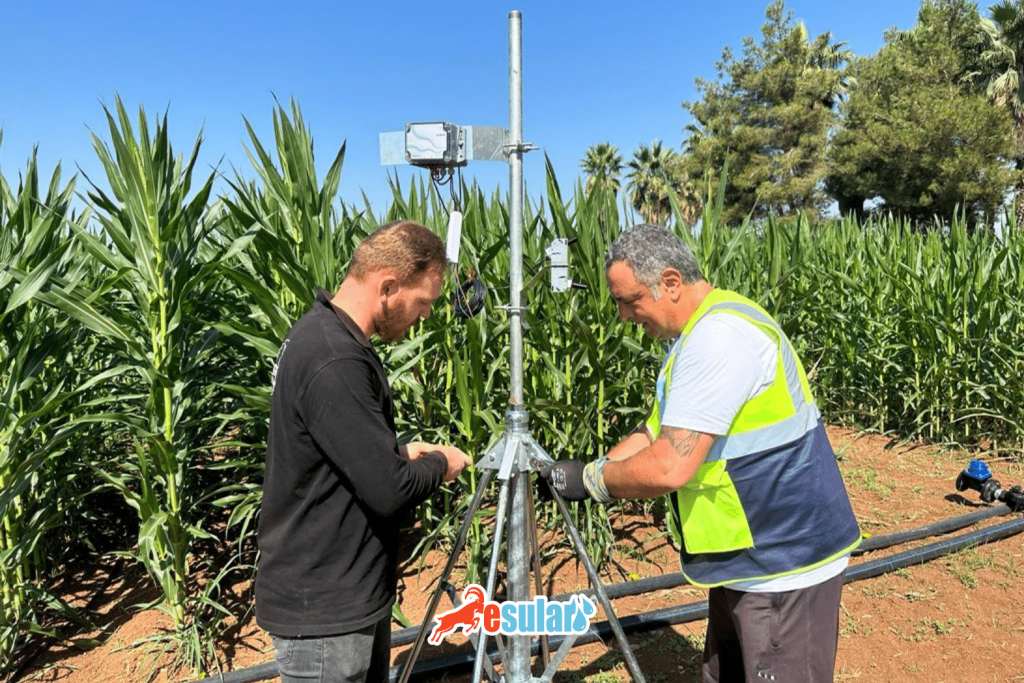
These sensors used in climate stations work integrated with weather forecasts, ensuring that precautions are taken in advance against possible extreme precipitation or drought periods. esular as, we contribute to making agricultural production more efficient and sustainable by offering integrated rainfall quantity sensors in our climate stations. You can contact us for more information about our independent sensor solutions or our fully equipped station systems.
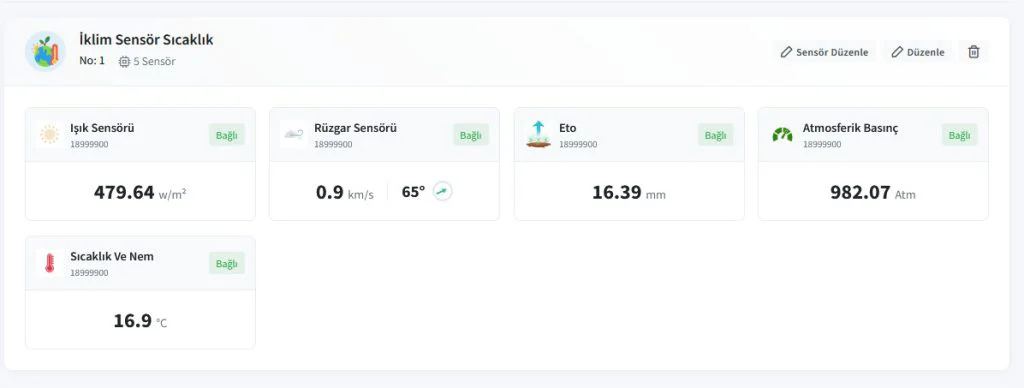
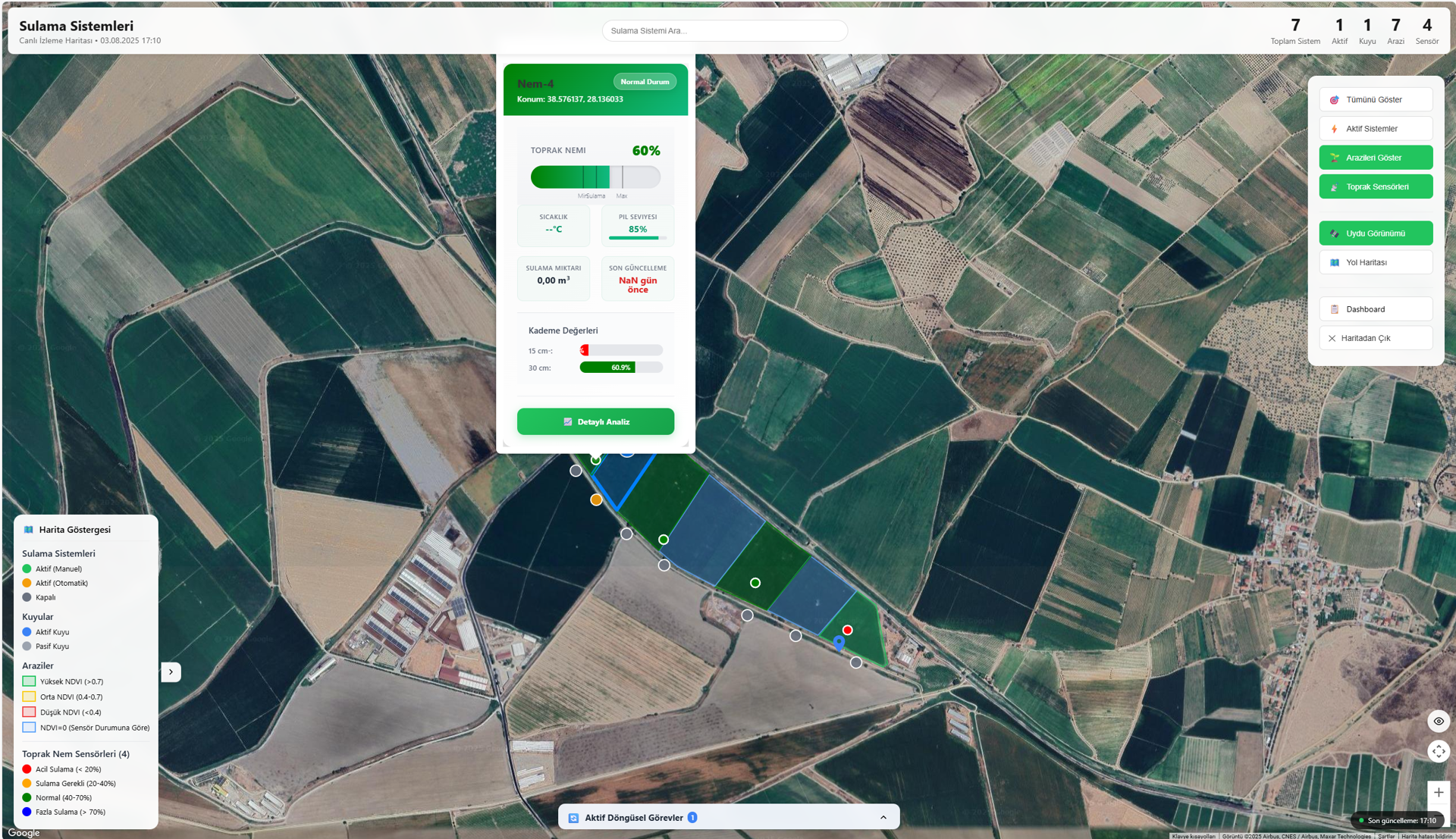
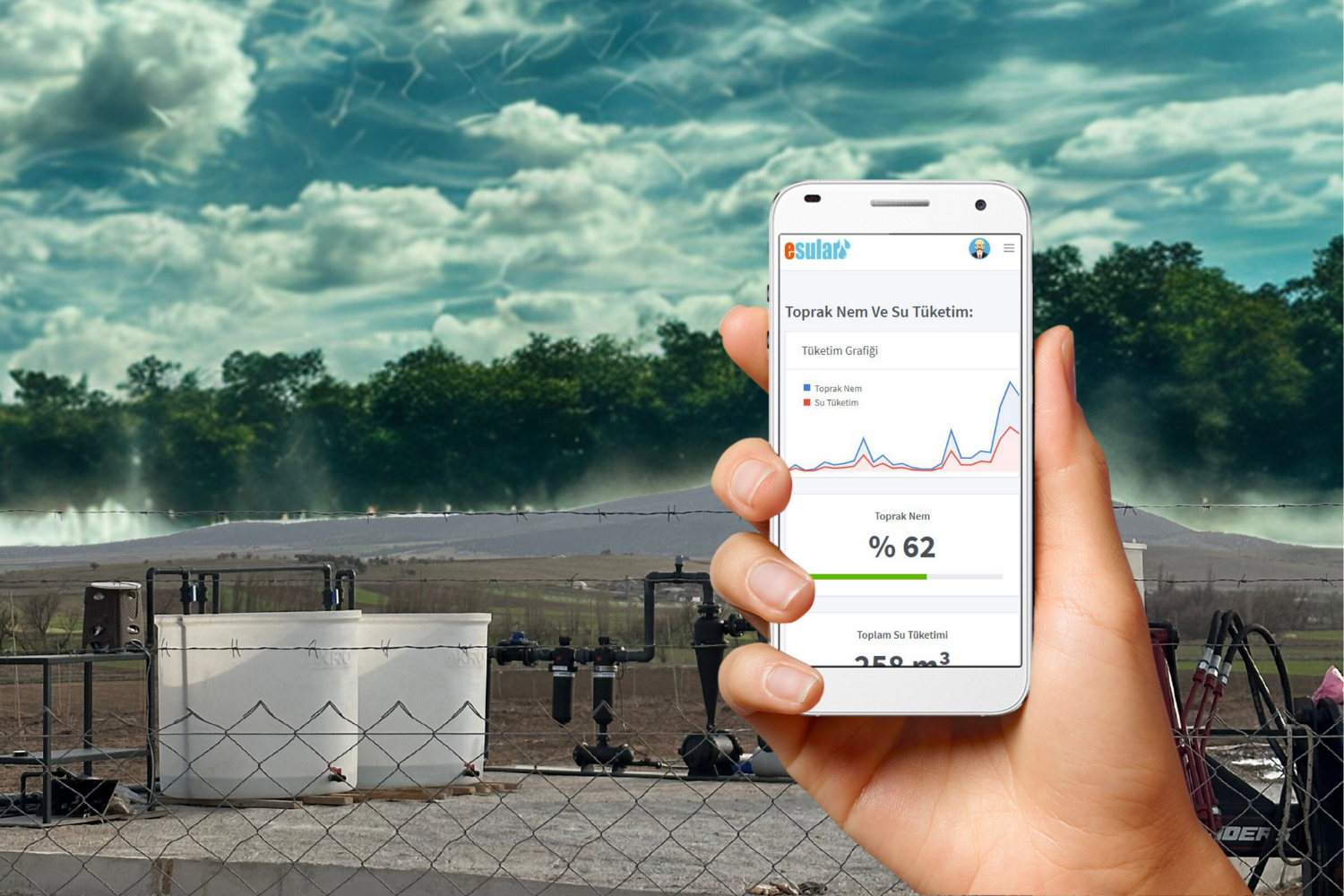
Access to real-time data is of great importance for making correct decisions in agriculture. Thanks to our application, you can track all sensor data, especially the amount of rain, in real-time, and manage your irrigation and other agricultural activities very simply from a distance, depending on climate conditions. With our user-friendly interface, you can view critical data such as the amount of precipitation, soil moisture, air temperature, and wind speed on a single screen, and perform customized analyses according to your needs. Below, you can examine the visuals regarding the use of our application.
Yorumlar