Wind sensors are an important component for providing an application sensitive to environmental factors in agricultural irrigation and automation systems. Wind speed and direction directly affect many critical processes such as evaporation, plant development, pollination process, spraying and fertilization efficiency, disease spread, and plant lodging, especially in open agricultural areas. Thanks to these sensors, irrigation and spraying applications are planned in windy weather conditions, ensuring the efficient use of chemical inputs. Thus, wind-induced evaporation and spray drift are prevented, minimizing resource waste. In addition, plant lodging caused by high wind speeds can be detected and appropriate measures can be taken. Wind sensors also play an important role in calculating the reference evapotranspiration (ETo). In ETo calculations, the actual water needs of plants are determined using parameters such as wind speed, temperature, humidity, and solar radiation, and irrigation programs are regulated more precisely.
What is a Wind Speed and Direction Sensor?
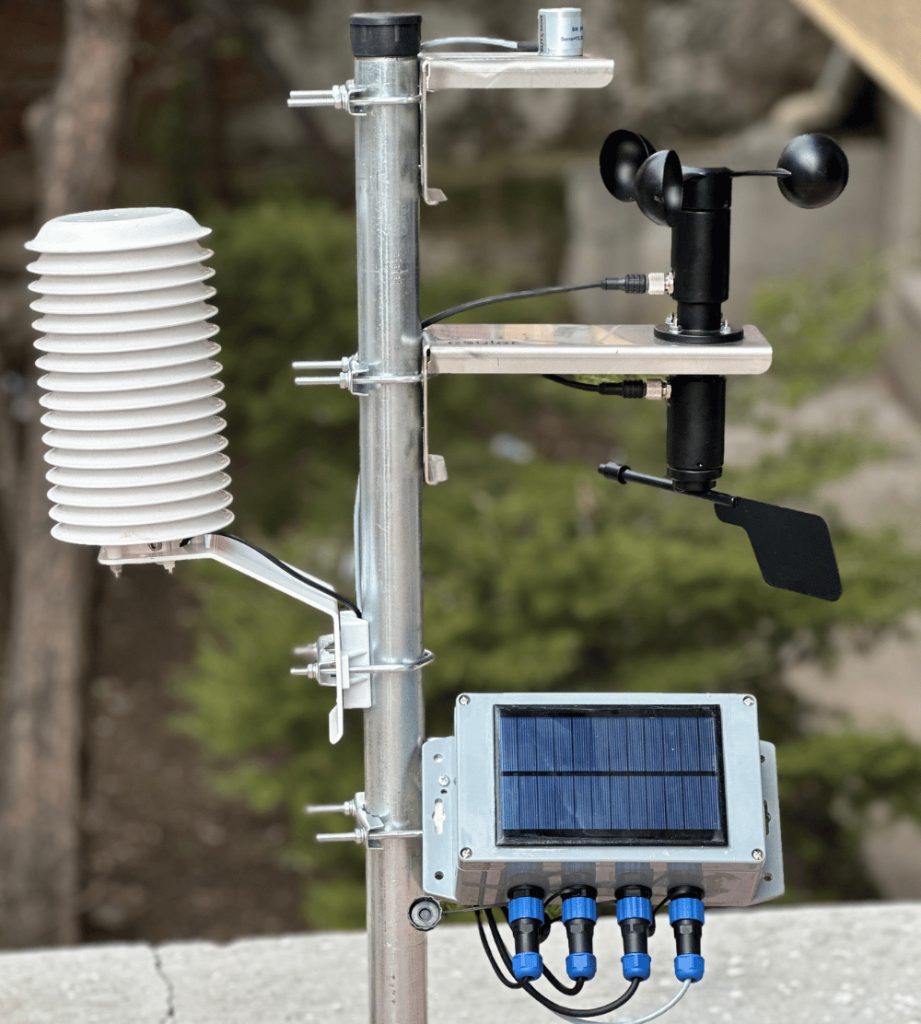
Wind speed sensors offer a wide measurement range from low wind speeds to high storm levels and are used in areas such as agricultural automation, meteorology, energy production, and industry. Thanks to sensitive sensing technology, sensors that can measure even low speeds such as 0.8 m/s provide a great advantage in applications such as water saving and spraying optimization.
Wind direction is a critical factor that determines in which direction the air currents in the atmosphere move. Wind direction sensors determine the direction of the air flow by measuring between 0 and 360 degrees. This sensor provides for necessary measures to be taken by predetermining the effects that may occur in agricultural processes, especially with the change of wind direction.
Wind speed sensors, produced from metal alloy and having an IP65 protection class, are resistant to outdoor conditions. They can be easily integrated into different automation systems with various output signal options. Being resistant to wind speeds up to a maximum of 70 m/s shows that they provide reliable data even in extreme weather conditions.
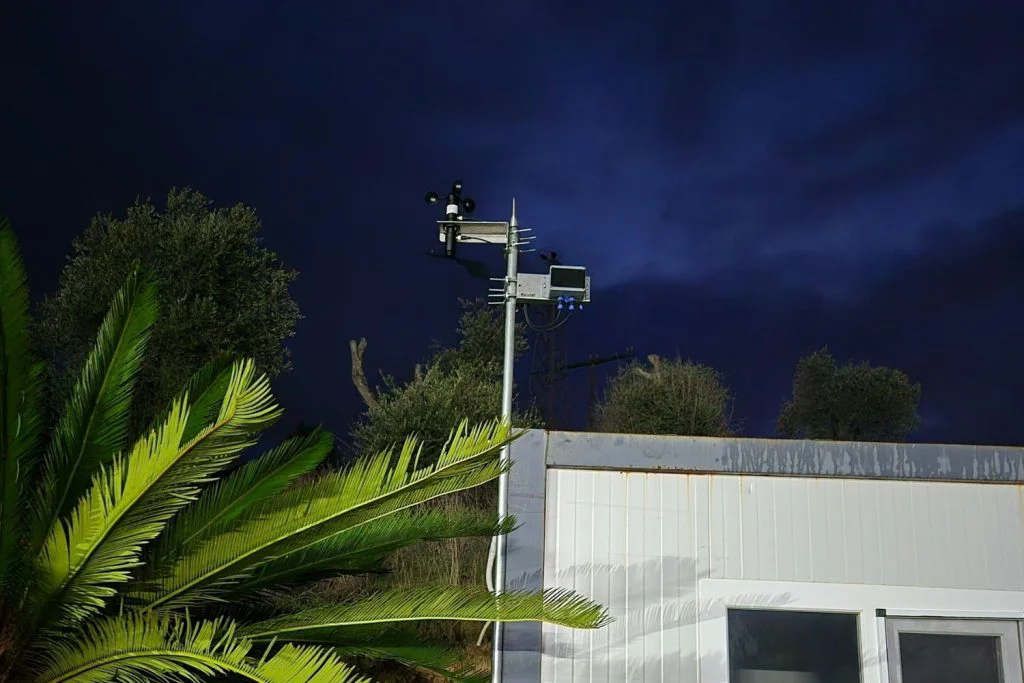
Wind speed and direction sensors ensure that correct decisions are made in sectors such as agriculture, weather forecasting, and energy production by precisely monitoring environmental conditions. These sensors, which we use in our climate stations, provide the data you need for efficient irrigation and accurate weather forecasts.
As esular, you can contact us to get more information about climate stations and sensors. Our expert team is always with you to offer the most suitable solutions for your needs.
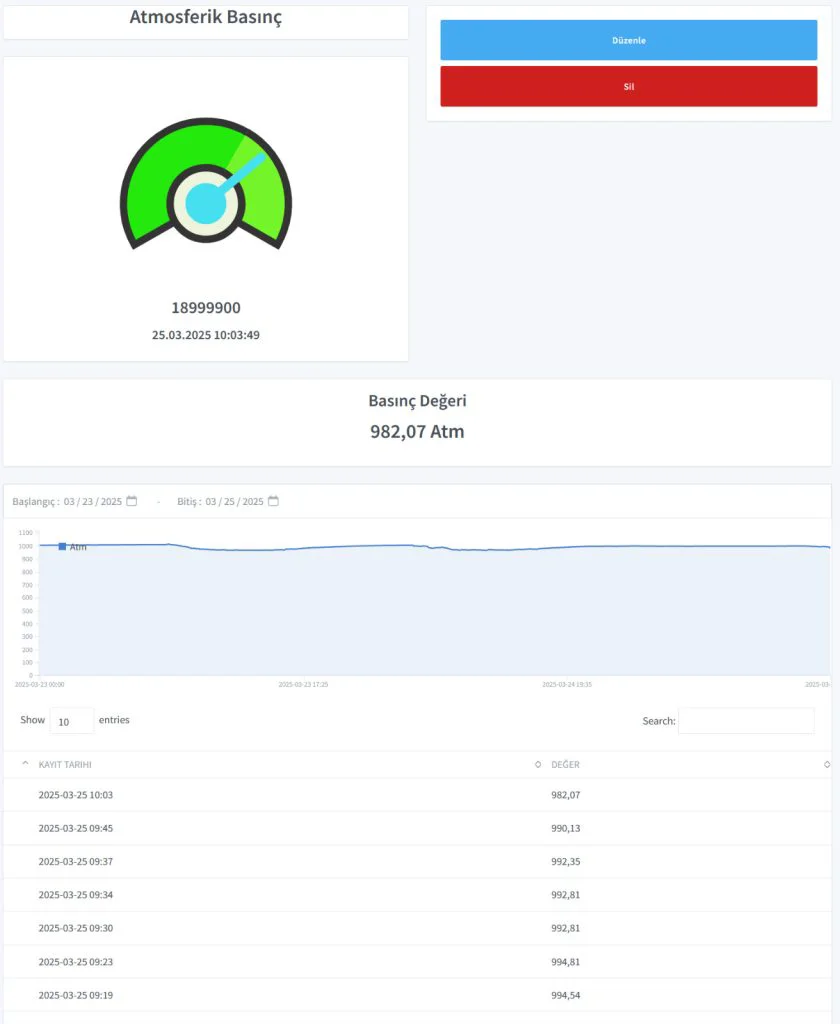
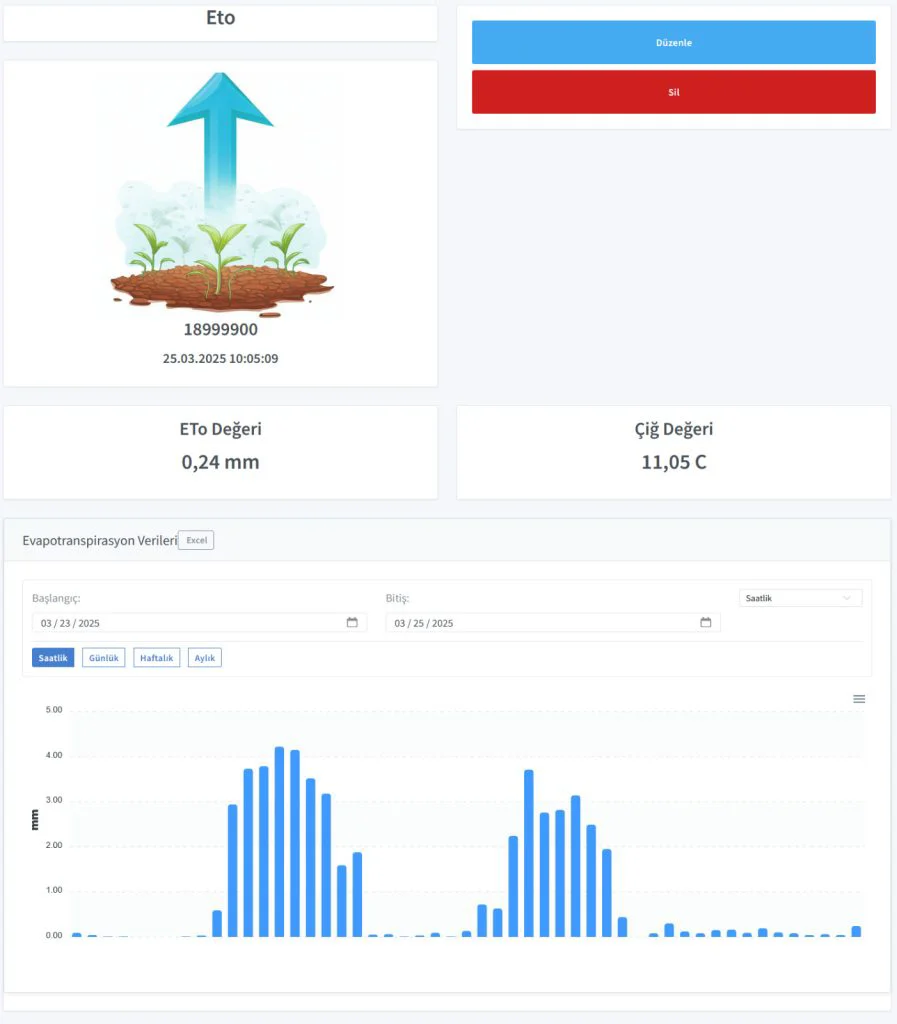
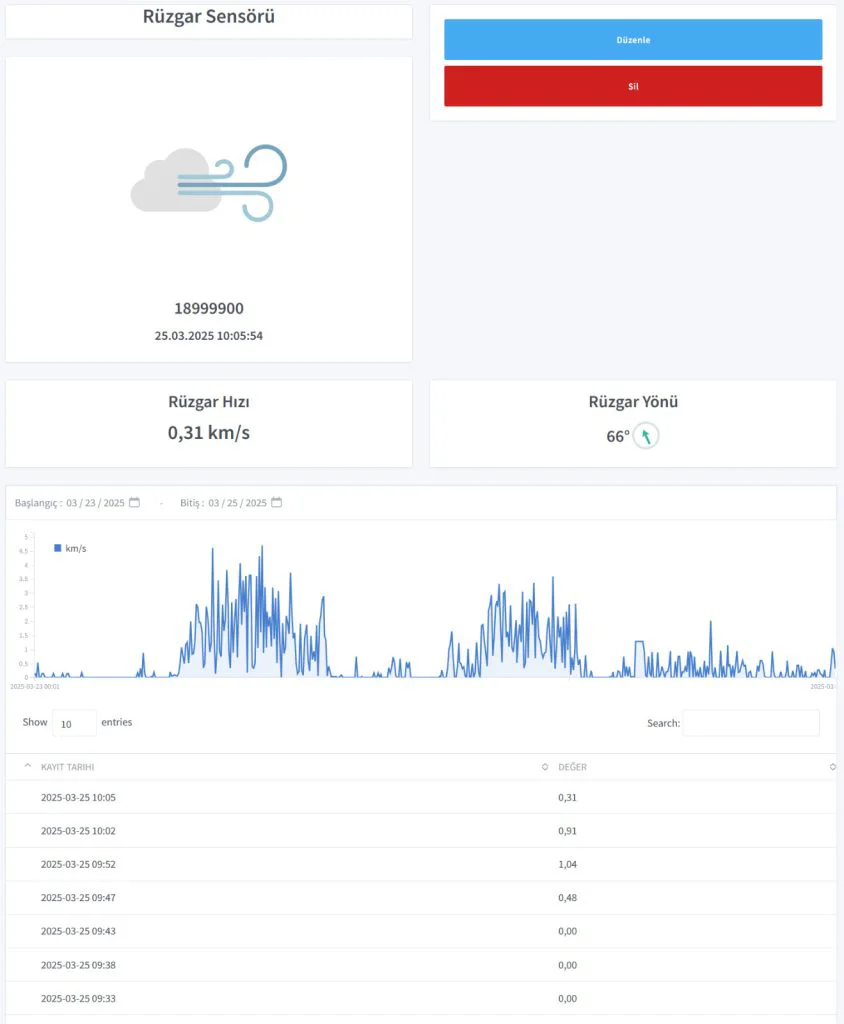
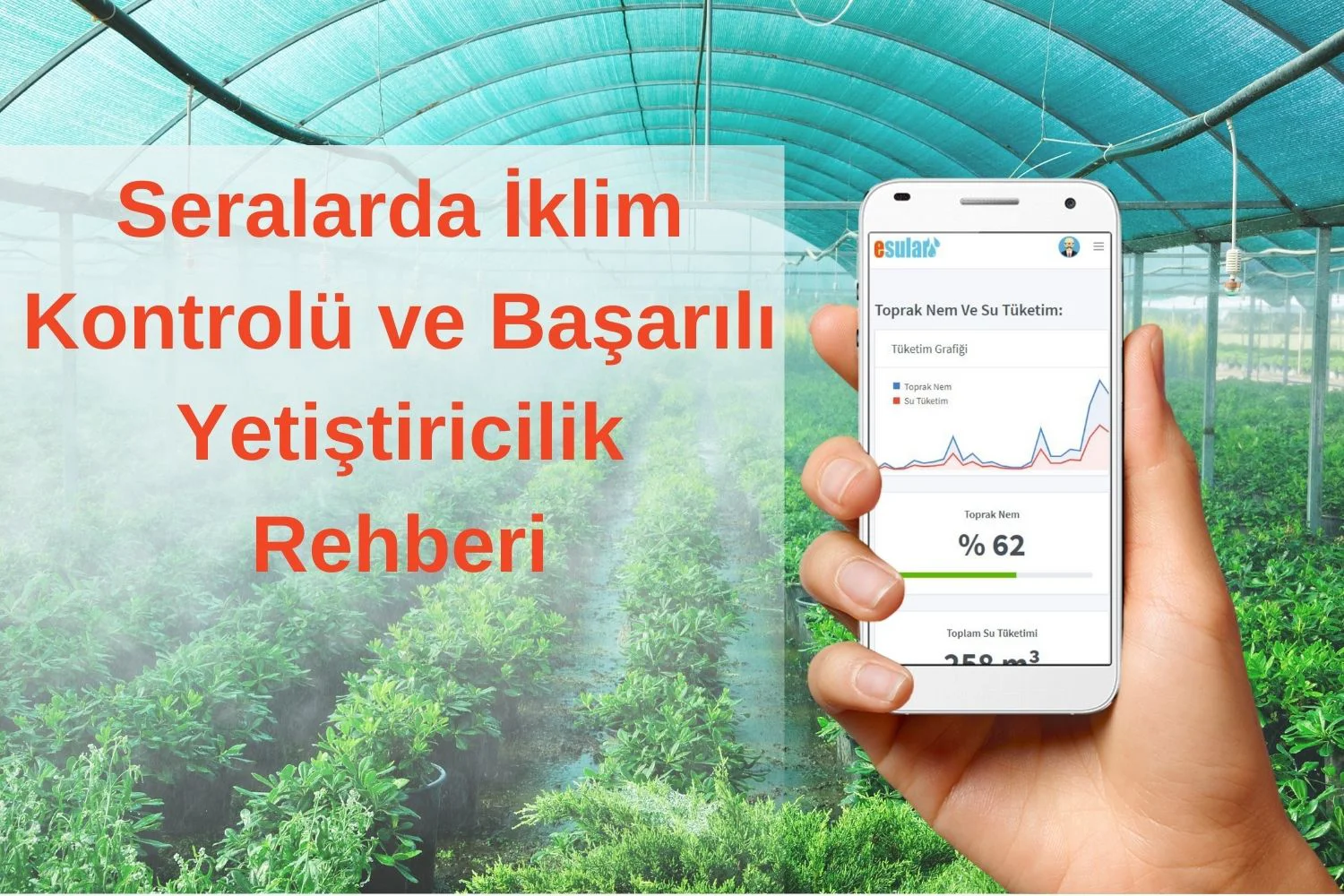
Access to real-time data is very important for making correct decisions in agriculture. Thanks to our application, you can track all sensor data, especially wind sensors, in real-time and plan your irrigation and other agricultural activities depending on climate conditions. With our user-friendly interface, you can view critical data such as precipitation amount, soil moisture, air temperature, and wind speed on a single screen and perform customized analyses according to your needs. Below, you can review images regarding the use of our application.

Yorumlar