
Tüm Yazılar
Soilless Farming Arugula Cultivation
Soilless farming, as one of the most innovative methods offered by modern agricultural techniques, provides more efficient and sustainable solutions compared to traditional agriculture. Arugula grown with this method takes its place on tables as both a healthy and delicious green.
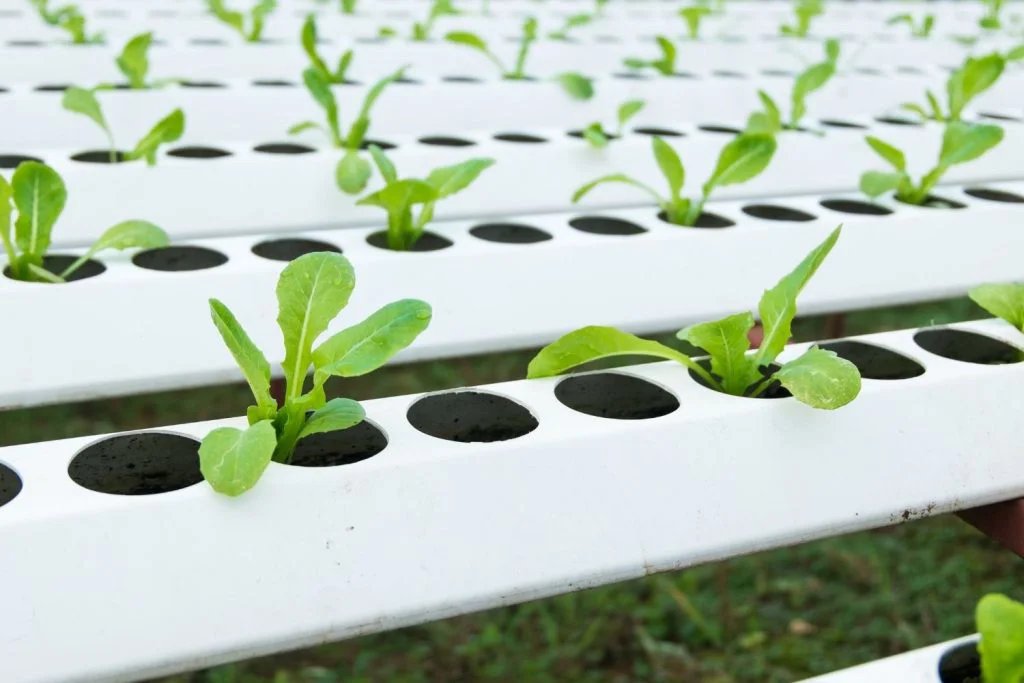
Thanks to hydroponic systems, the arugula plant can grow rapidly and healthily by directly receiving the nutrients, water, and oxygen it needs. This production, carried out without the need for soil, allows for full control of environmental conditions and ensures consistent high quality throughout the year.
Arugula cultivation, when combined with soilless farming techniques, offers water savings, high yield, and an eco-friendly production process. In this article, you will discover the advantages of growing arugula with soilless farming, the methods used, and the details of this innovative process. 🌱
How to Do Soilless Farming Arugula Cultivation?
Soilless farming is a production technique that provides high yield using less water, fertilizer, and space compared to traditional farming methods. Leafy plants like arugula stand out in this method with their rapid development and high-quality product potential. So, how is arugula cultivation done in soilless farming?
- Suitable System Selection: For arugula cultivation in soilless farming, NFT (Nutrient Film Technique) or Vertical Farming Systems are generally preferred. The NFT system offers a structure where plant roots are in constant contact with a thin layer of nutrient solution. This system is very advantageous in terms of providing sufficient oxygen and nutrients to the roots.
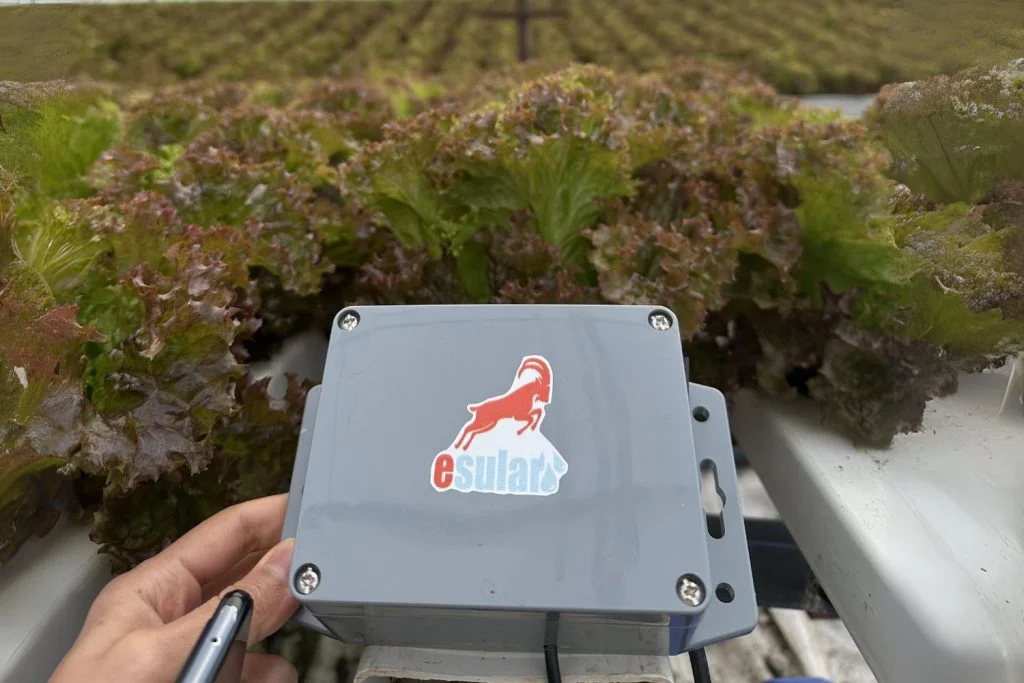
- Nutrient Solution and Water Management: The ideal pH value of the nutrient solution for arugula should be between 5.5-6.5, and the EC (electrical conductivity) value should be between 1.5-2.5 mS/cm. These values are necessary for the healthy growth of plants. Additionally, keeping the water temperature between 18-22°C is important for root health. As esular, thanks to the EC-pH sensors we offer, you can monitor these critical parameters instantly and optimize the production process with automatic adjustments.
- Light and Temperature Control: Arugula needs a sufficient amount of light for growth and photosynthesis. Lighting between 12-16 hours a day is ideal for the optimum development of the plant. LED growth lamps provide energy efficiency in soilless farming systems. The temperature should be kept between 18-24°C; extreme heat or cold can negatively affect plant growth.
- Seed Sowing and Seedling Preparation: Seeds are generally germinated in a medium suitable for soilless farming, such as coconut peat, perlite, or vermiculite. After the seedlings grow, they are transferred to the system so that the roots come into contact with the nutrient solution.
- Harvest and Yield: Arugula can be harvested in approximately 20-30 days from planting. Arugula grown in soilless farming has high quality standards in terms of both leaf density and taste. Constantly controlled nutrient, light, and temperature conditions ensure the same high yield in every harvest.
Arugula cultivation in soilless farming, with the right technology and planning, ensures you obtain high-quality products and helps you use your resources in the most efficient way. Bring the agriculture of the future to life today with esular!
Click Here for Soilless Farming Greenhouse Irrigation and Climate Control Solutions.
Irrigation and Fertilization in Soilless Farming
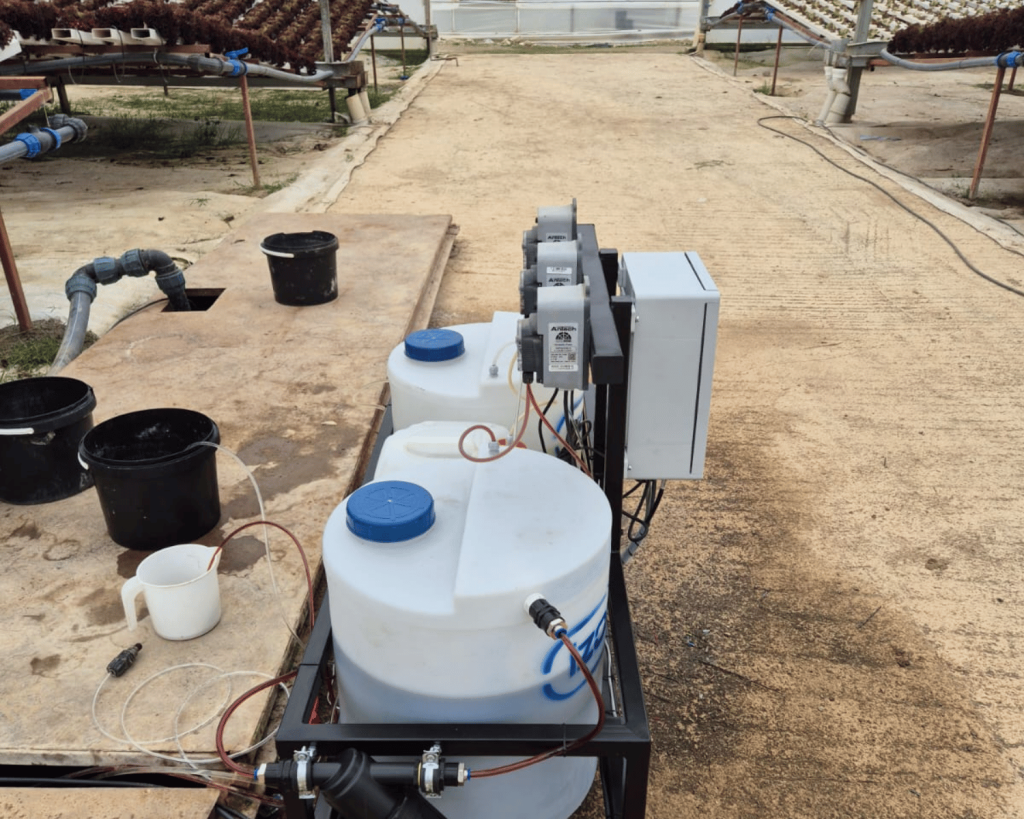
Soilless farming is a production method where plant health depends entirely on irrigation and fertilization processes. Therefore, precise management of these processes is quite important. As esular, with the innovative irrigation and fertilization solutions we provide in agriculture, we aim to make every stage of production more efficient, environmentally friendly, and sustainable.
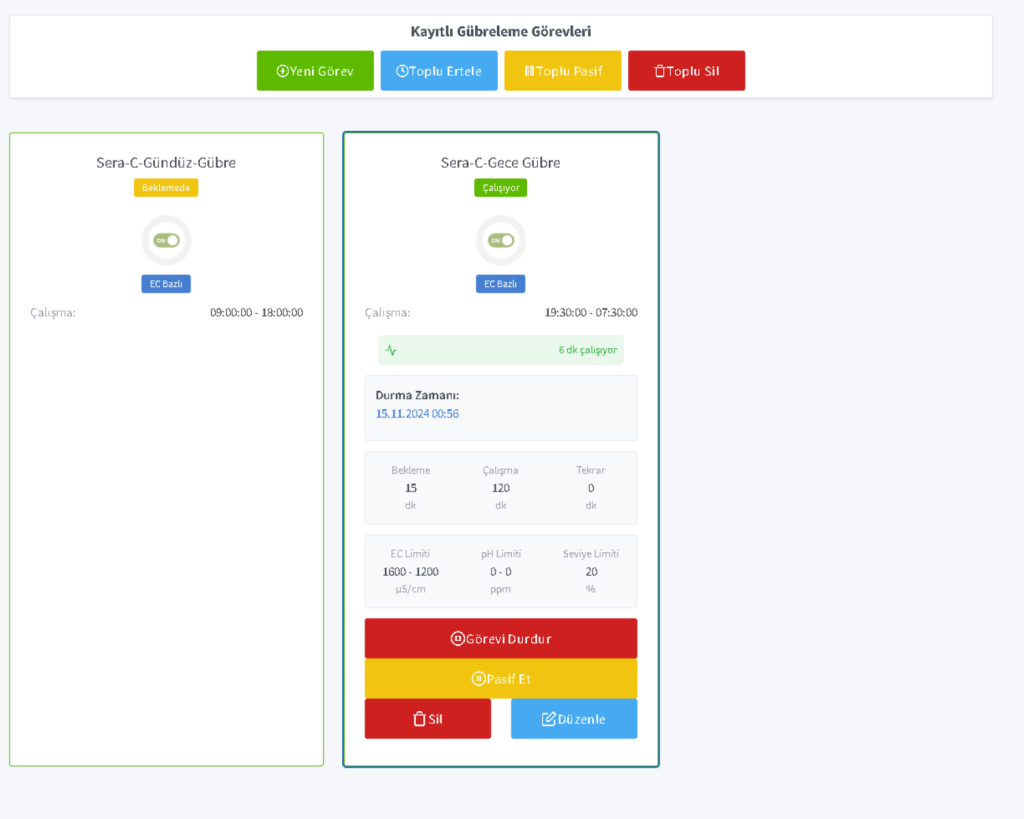
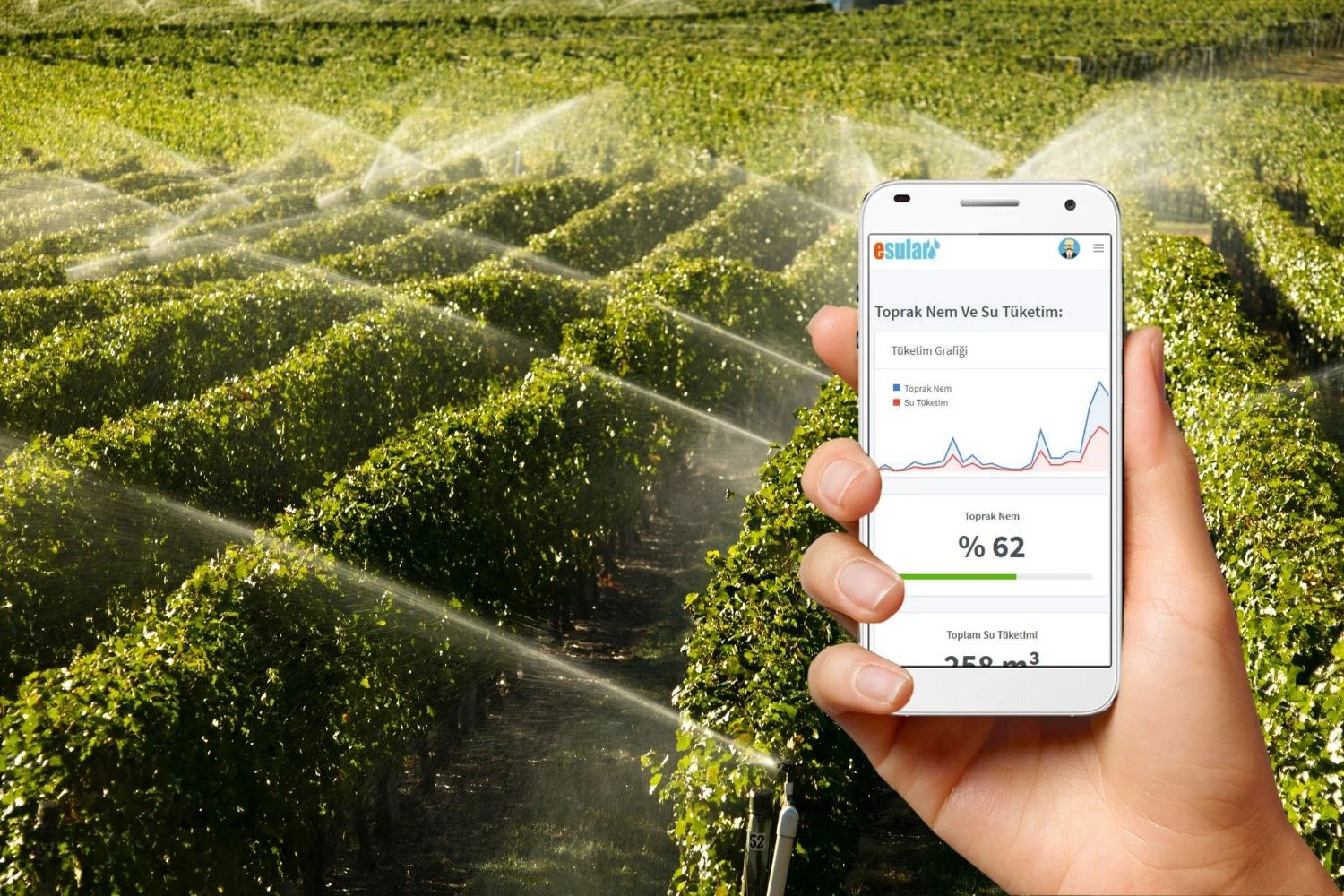
Irrigation in soilless farming requires providing the water and nutrients plants need in the right amount at the right time. The systems we have developed offer flexible solutions for greenhouses of different sizes. Thanks to the remote access possibility, irrigation and fertilization processes can be easily controlled in manual or automatic mode. These processes can be carried out simultaneously, or they can be planned according to certain intervals or different time periods. In addition to these, the EC-pH based automatic fertilization feature offers a great advantage in providing the precise nutrient balance that plants need. Thanks to these systems, while both water and fertilizer savings are achieved, nutrient consumption at the right rates is guaranteed.
As esular, while gaining productivity for producers with modern agricultural techniques, we contribute to an environmentally sensitive and sustainable production process. For more information, you can take a look at our article to discover these innovative solutions.
EC-pH Monitoring in Soilless Farming
The Importance of EC and pH Monitoring in Soilless Farming
In soilless farming, plant roots are in direct contact with the water and nutrient solution. This situation causes the roots to react quickly even to the slightest changes in environmental conditions. For this reason, electrical conductivity (EC) and pH levels are critical parameters that directly affect the water and nutrient uptake of plants. An incorrect EC value can cause plants to not fully receive the nutrients they need or can lead to toxicity. Similarly, when suitable pH levels are exceeded, plants cannot absorb nutrients sufficiently and growth stalls. Therefore, EC and pH monitoring plays a vital role in plant health, productivity, and obtaining quality products.
Technology and Control in Soilless Farming with esular
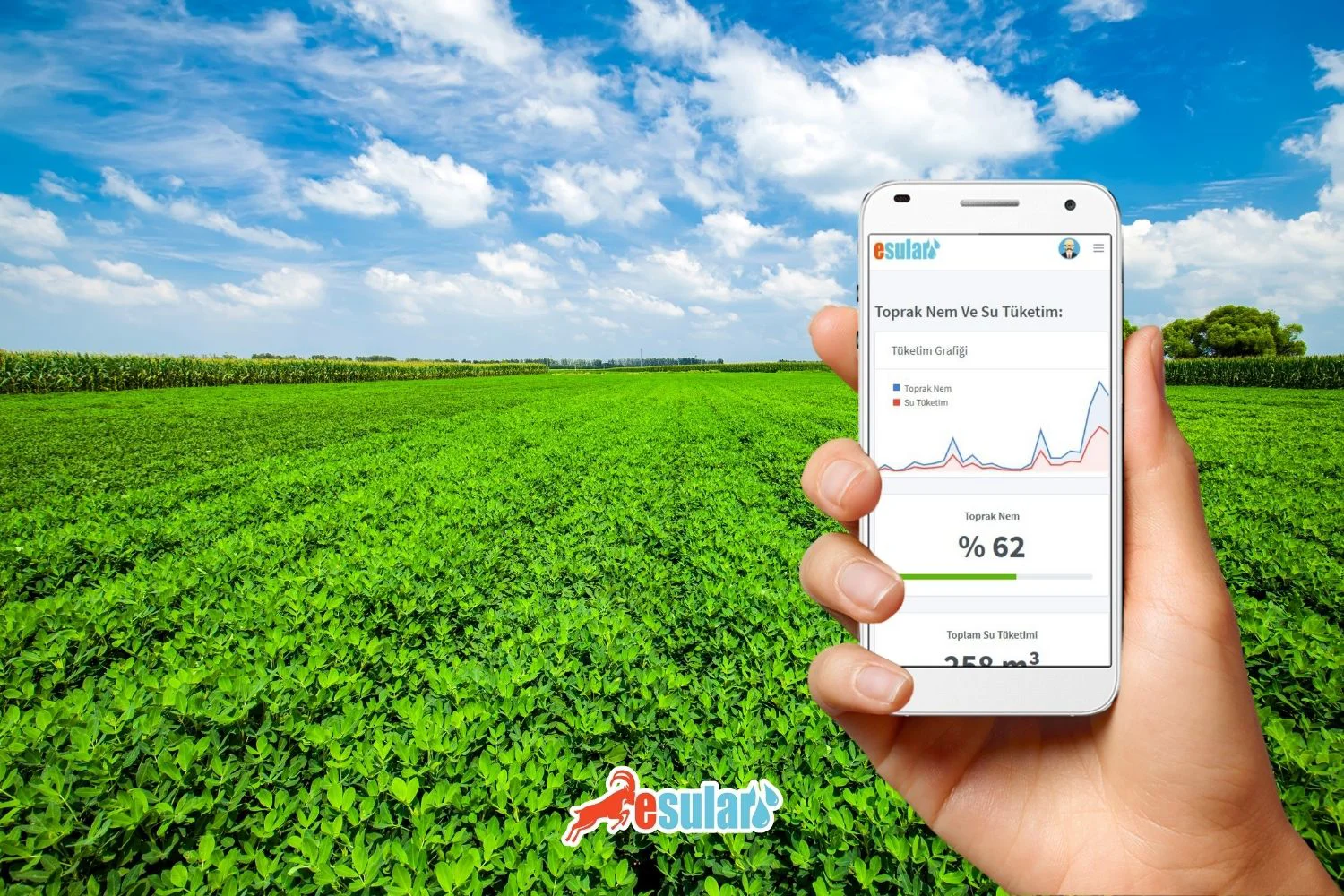
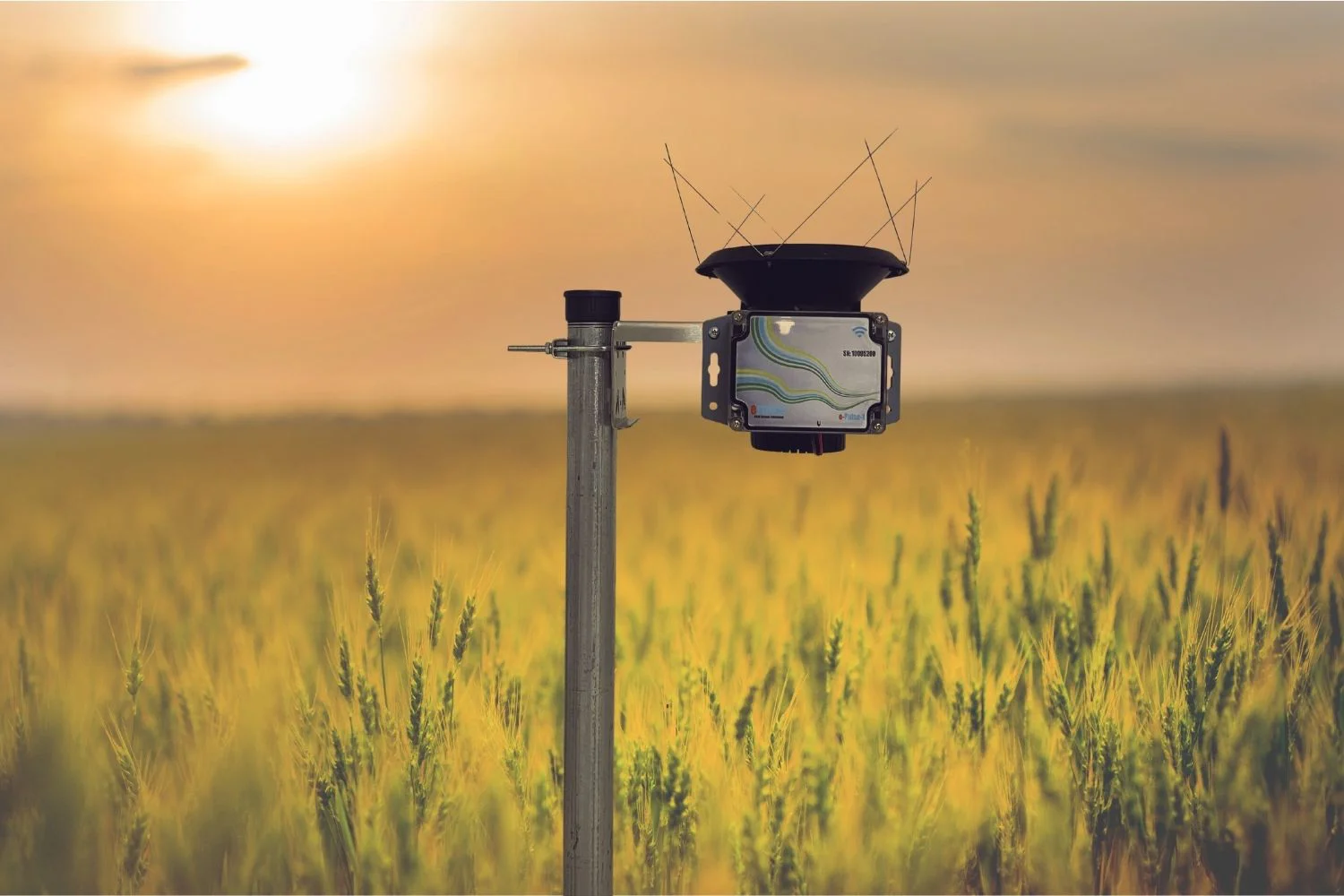
As esular, we offer innovative sensor solutions that monitor critical parameters such as EC and pH in soilless farming instantly. Thanks to our advanced technology, farmers can access all data via a single mobile application and intervene remotely when necessary. Additionally, optionally, we create fertilization programs that work completely automatically according to EC and pH values.
In this way, we not only increase the health and productivity of plants but also provide a sustainable agricultural model by optimizing resource use. Both simplify your agricultural processes and take a step forward with the technology of the future with esular!
Yorumlar