
Red Spiders (Mites)
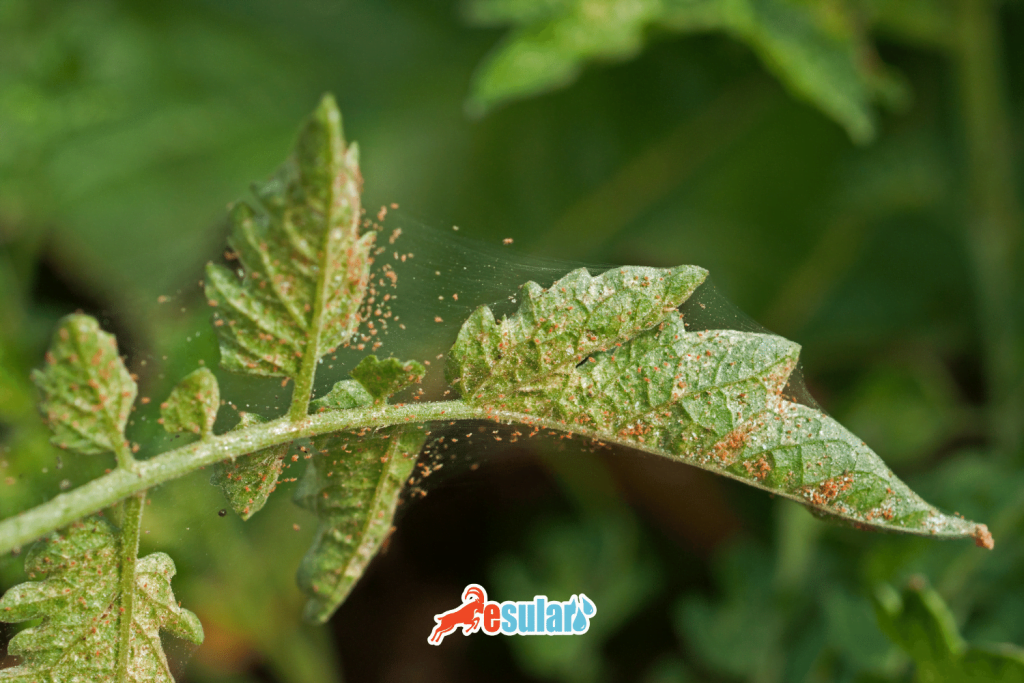
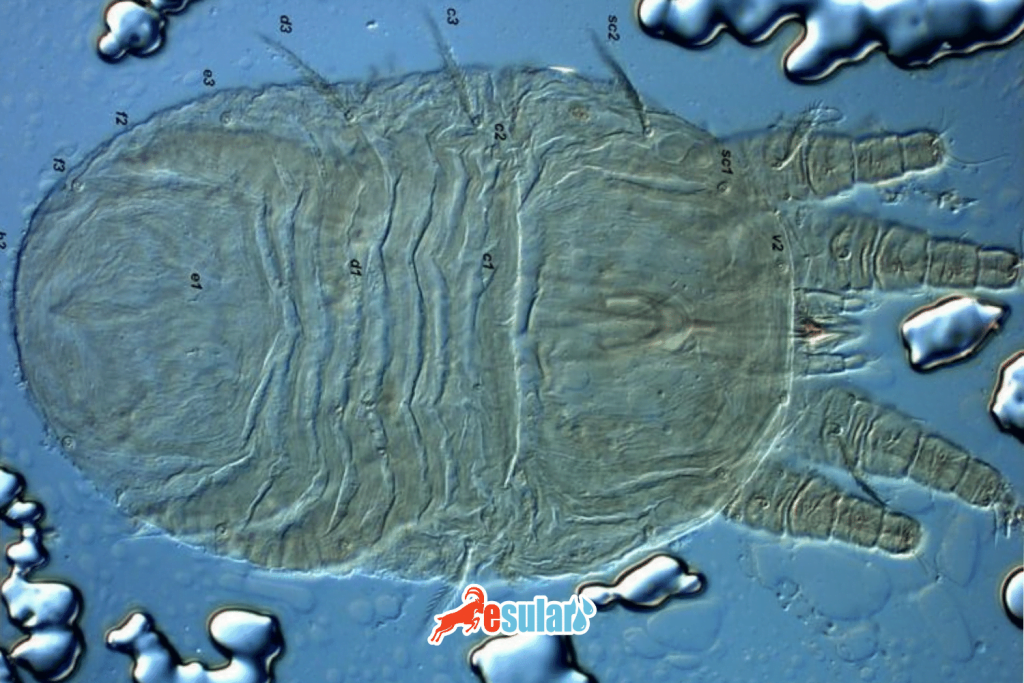
Red spiders are small arthropod creatures generally called mites. This group contains different species and usually lives as parasites on plants or other insects. They are known as pests especially in pome and stone fruit trees such as apple, pear, quince, peach, cherry, sour cherry, plum, and apricot. These creatures cause damage by sucking the plant sap of the leaves on the trees they are located on. As a result of this process, first white, then yellow-brown spots form on the leaves. Over time, these spots merge and lead to the drying and falling of the leaf. This situation can cause significant product loss. For this reason, controlling red spiders is important to protect the health and yield of fruit trees.
Some general information about red spiders
Morphology: Red spiders are usually small in size and can generally vary in size between 1 mm and 5 mm. Their body structures are usually round or oval-shaped.
Color: As the name suggests, many red spider species have a red color, but their colors generally vary between species.
Habitats: Red spiders generally prefer humid environments. They can be found under the soil, between plant leaves, in tree barks, and even in houses.
Feeding: They generally feed on plant saps, small insects, or other microscopic organisms. Some species can be harmful and cause damage to plants.
Reproduction: Red spiders generally reproduce by laying eggs. Larvae emerging from the eggs form young spiders. Special
Adaptations: Some species have special adaptations to maintain predator-prey relationships. For example, some red spiders can catch their prey with special threads.
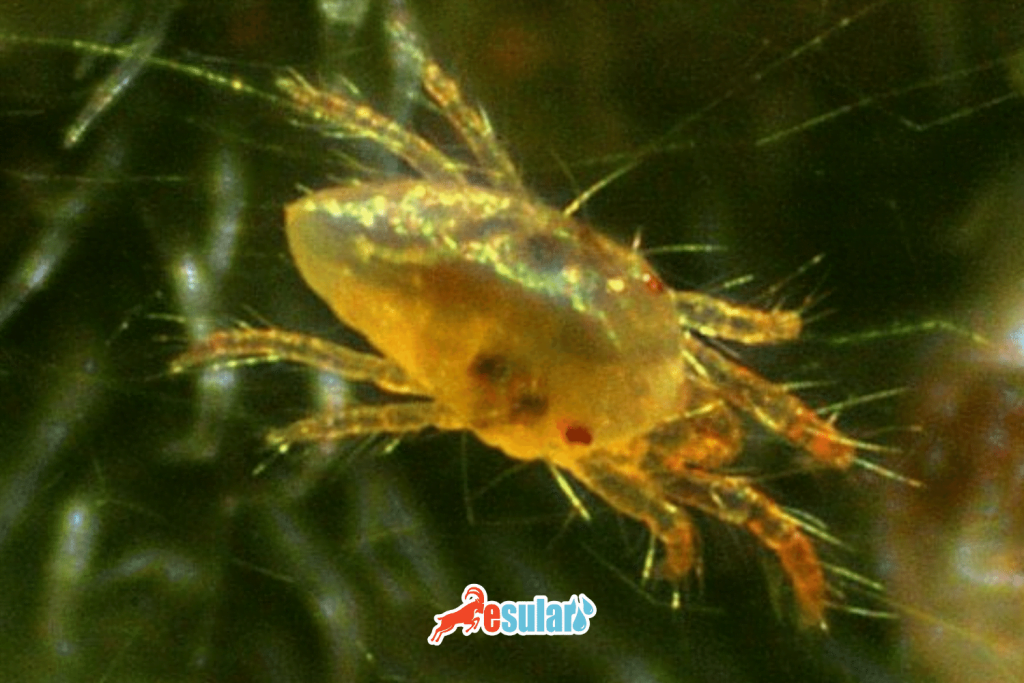
Two-Spotted Spider Mite (Tetranychus urticae Koch.)
The color of this specific species is greenish-yellow or brownish-green. There is a distinct black spot on both sides, close to the middle of the body. They spin very dense webs on leaves. Adult females lay eggs on the lower surface of the leaves they feed on, individually or in clusters, usually between 100 and 200. This specific species has the capacity to give 10 to 21 generations per year.
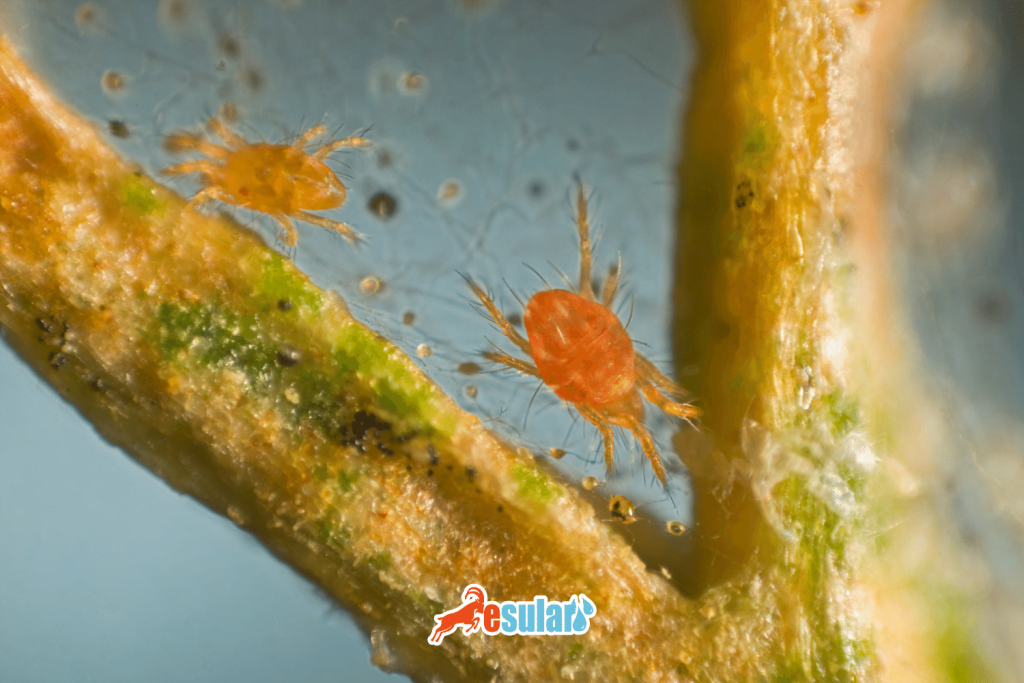
Hawthorn Spider Mite (Tetranychus viennensis Zacher)
The females of this specific species are oval-shaped, red-colored, and have a plump structure. They spin very dense webs on leaves. They spend the winter as fertilized females, usually under the bark of trees, in cracks and crevices. A female can usually lay 60 to 120 eggs. The eggs hatch within 5-7 days. This type of red spider can give 9 to 10 generations per year.
Brown Fruit Mite (Bryobia rubrioculus Scheut.)
Adults have a mixture of red, brown, and green colors. When viewed from above, their bodies are flat and the abdomen part is swollen. There is a distinct line on their backs and their body hairs are leaf-shaped. Adult individuals are usually found more frequently on 1 and 2-year-old branches and tend not to spin webs on leaves. They spend the winter months in the egg stage, and winter eggs begin to hatch from the end of March and the first days of April. This type of red spider can give 3 to 4 generations per year.
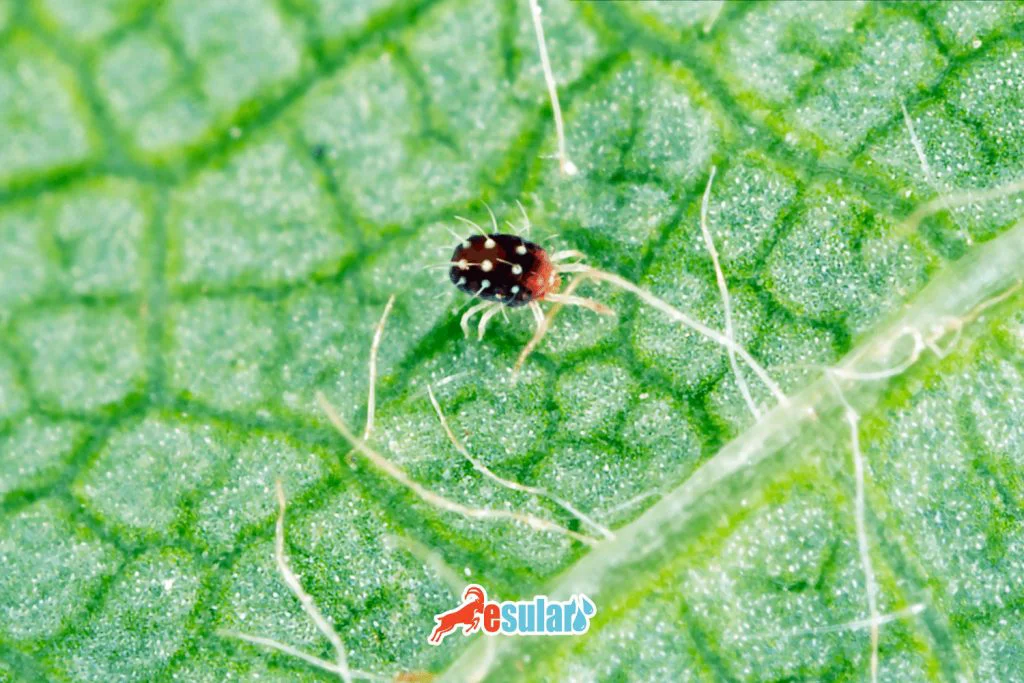
European Red Mite (Panonychus ulmi Koch.)
Adult females are characterized as dark red in color, roundish, and full-bodied. This specific red spider species does not spin webs; instead, it spends the winter in the egg stage on the branches of trees. In spring, larvae emerging from eggs starting from early April attack fresh shoots. The process of larvae becoming adults is completed in 28 days in spring and in 15 days in summer. This type of red spider can give 8-9 generations per year.
Flat Mite ( Cenopalpus pulcher C.-F.)
The bodies of adult females are oval and flat in form, and are generally brick-red or darker red in color. When their bodies are viewed from above, they have a back divided into two by a distinct line. This line is a prominent feature that separates the body horizontally. The hairs on their backs are short and thorn-like in structure. They spin very little web on leaves. This specific mite species spends the winter months as a fertilized female and is usually located around the flower clusters, wood or fruit buds of 2-3 year old branches of fruit trees, between or on the buds. Adult individuals begin to lay eggs from the middle of April, and these eggs begin to hatch at the end of May and the beginning of June. They have the capacity to give 4-5 generations per year.
Yorumlar