
Tüm Yazılar

Irrigation Systems
Irrigation systems are the artificial provision of water needed by the plant during the period until the growth and harvest process through various methods. Here, the expression "artificial" can actually be expressed as the insufficiency of irrigation through natural methods such as precipitation and ambient humidity under normal conditions, or the delivery of water through various methods in industrial agricultural activities.
Today, we can compare flood irrigation, sprinkler irrigation, surface furrow method, and drip irrigation systems among the most frequently used irrigation types. These systems have advantages and disadvantages against each other during irrigation. We can say the most basic advantage and disadvantage is cost and irrigation efficiency.
Types of Irrigation Systems
- Surface Irrigation System:
- Flood Irrigation: Random sprinkling of water.
- Border Strip Method: Spreading of water with parallel barriers.
- Basin Irrigation: Pouring water onto flat lands.
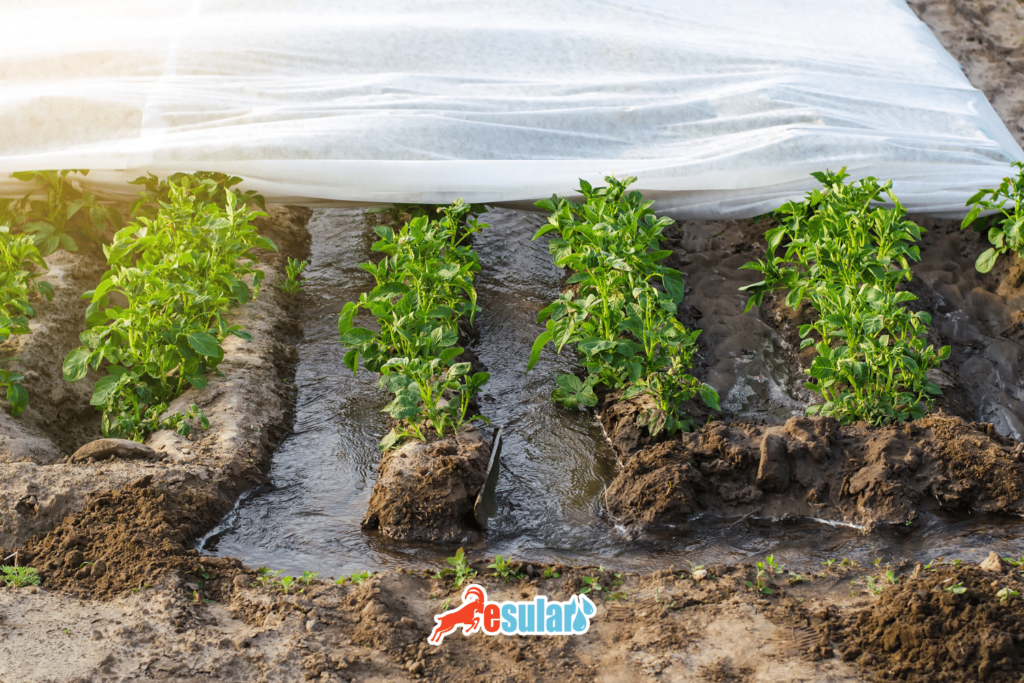
- Furrow Irrigation: Giving water between plant rows.
- Sprinkler Irrigation System:
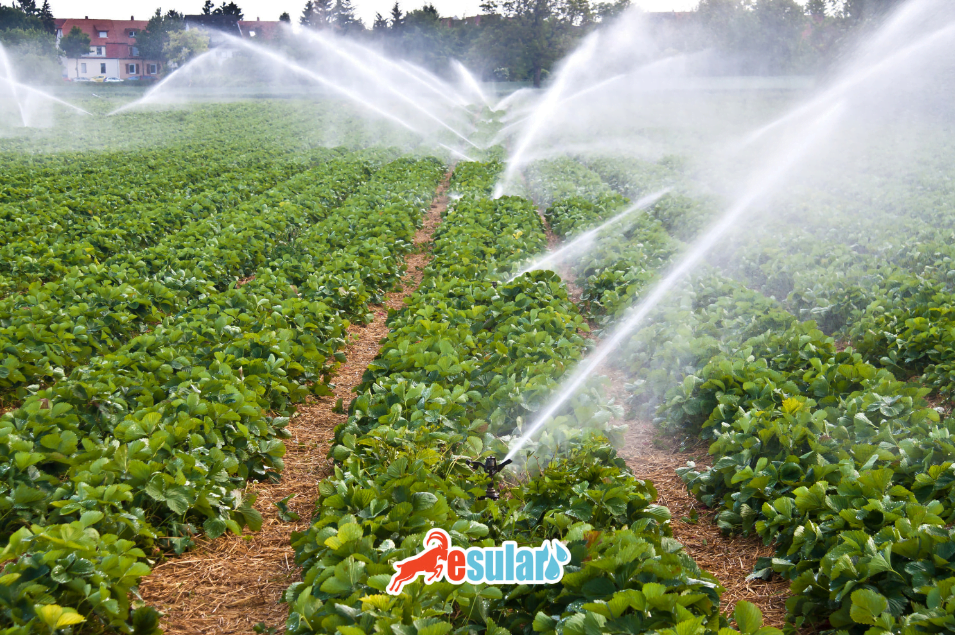
- Water is delivered to plants by spraying.
- Subsurface Irrigation System:
- Water is given below the soil and the water level is regulated.
- Drip Irrigation System:
- A system that provides water and, when necessary, fertilizer directly to plants.
Surface Irrigation Methods:
Flood Irrigation Method: In this method, water is released freely onto the field from channels located at the head of the field. This method is ineffective in terms of yield and is rarely used. It is generally based on irrigation habits or avoiding labor.
Border Strip Method: It is a method used for densely sown plants. The field is divided by parallel barriers and irrigation water is spread to the end of the land.
Basin Irrigation Method: Suitable for flat or slightly sloping lands. This method aims to spread water over the soil surface.
Furrow Irrigation Method: It is a method where water is given through furrows created between plant rows. It is suitable for plants such as corn, sunflower, cotton, fruits, and vegetables.
Sprinkler Irrigation Method:
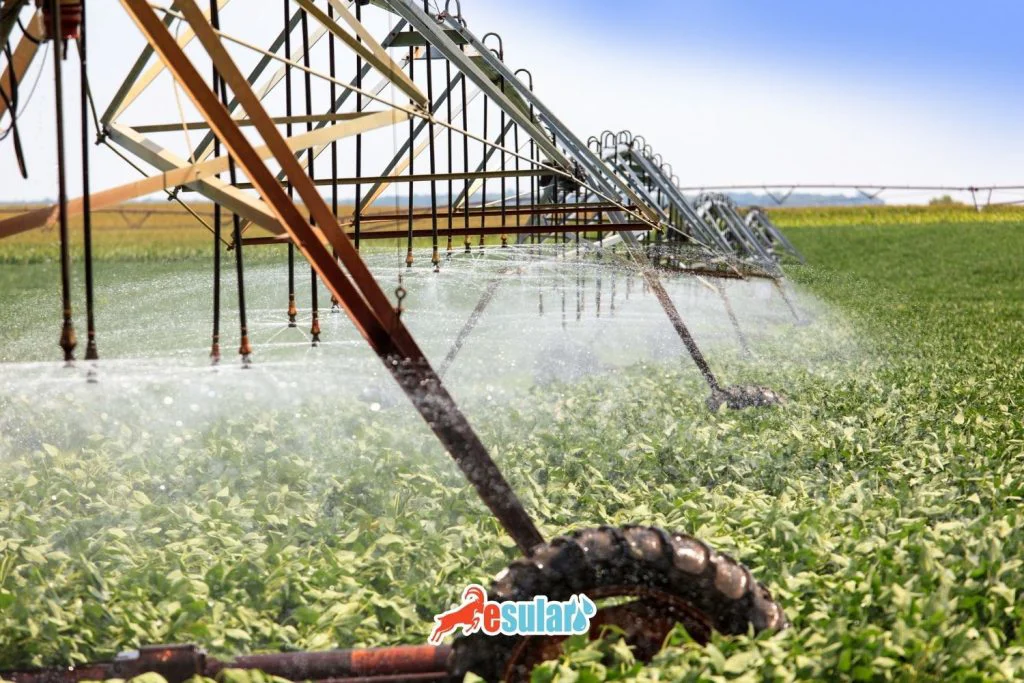
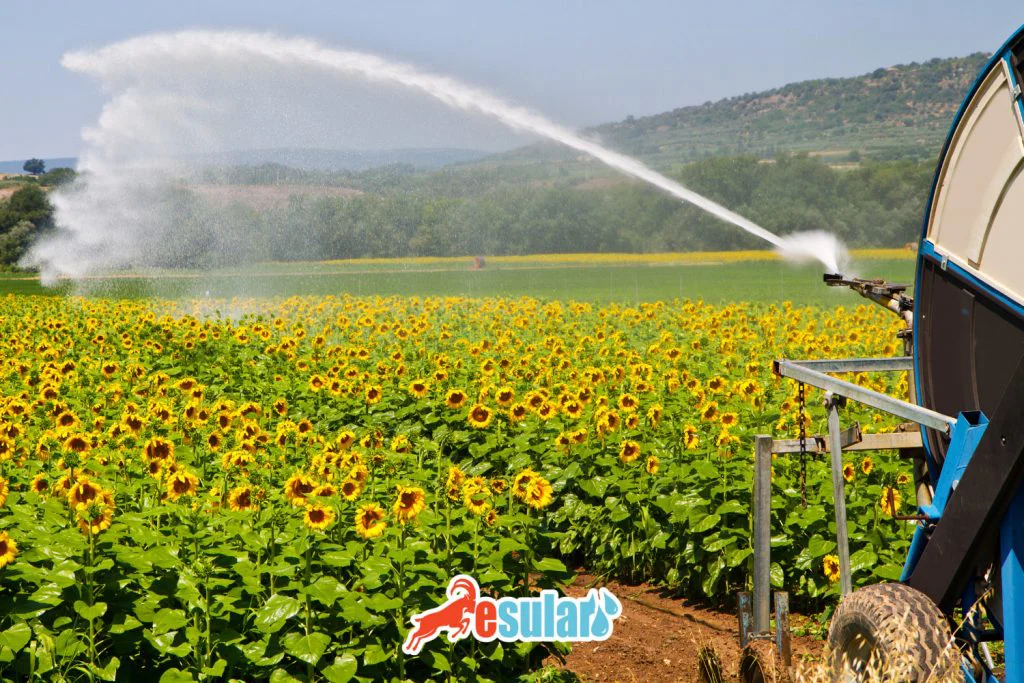
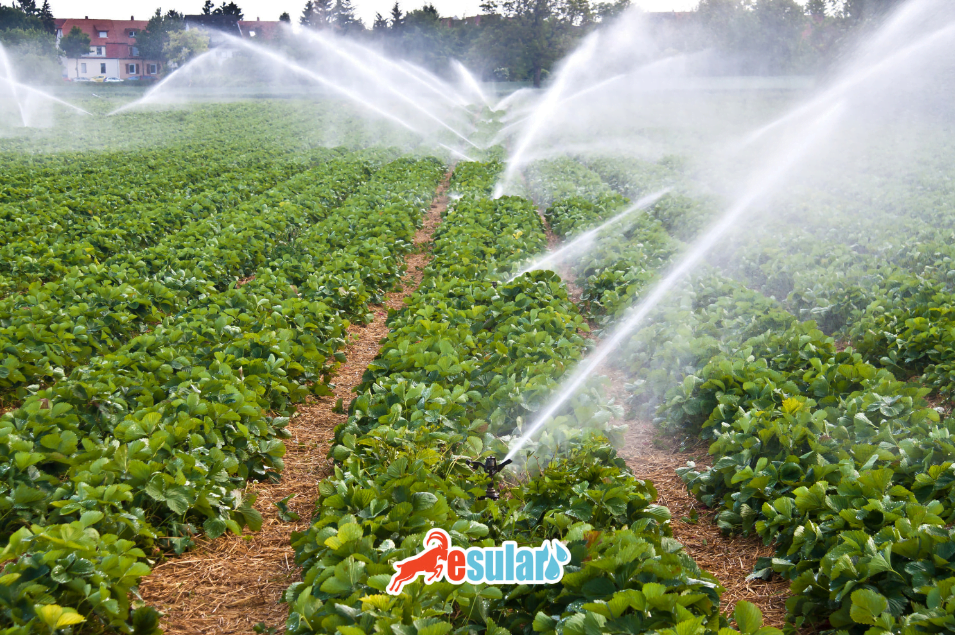
In this method, it is aimed to sprinkle water onto the soil surface and then spread it with mechanical sprayers. Generally, water is pressurized with pumps and transported to irrigation heads through closed pipes. This method is suitable for uneven terrain. It is an irrigation method used very frequently after surface irrigation methods. Especially in pumped irrigation systems, it is used if the plant is not suitable for drip irrigation for efficient irrigation.
It is frequently used in large agricultural lands; plants such as wheat, corn, and cotton can be irrigated.
Mini-Sprinkler Method:
This method offers an option between sprinkler irrigation and drip irrigation. Water is provided to the field with thin pipes and then distributed to the land with small sprinkler heads. This system is portable and useful in uneven terrain.
Subsurface Irrigation Method:
Subsurface irrigation is a process involving the addition of water beneath the soil. The water level is maintained regularly in the plant root zone. This method ensures that water and air are balanced in the best way in the plant root zone.
It is especially used in viticulture and vegetable gardens.
Drip Irrigation Method
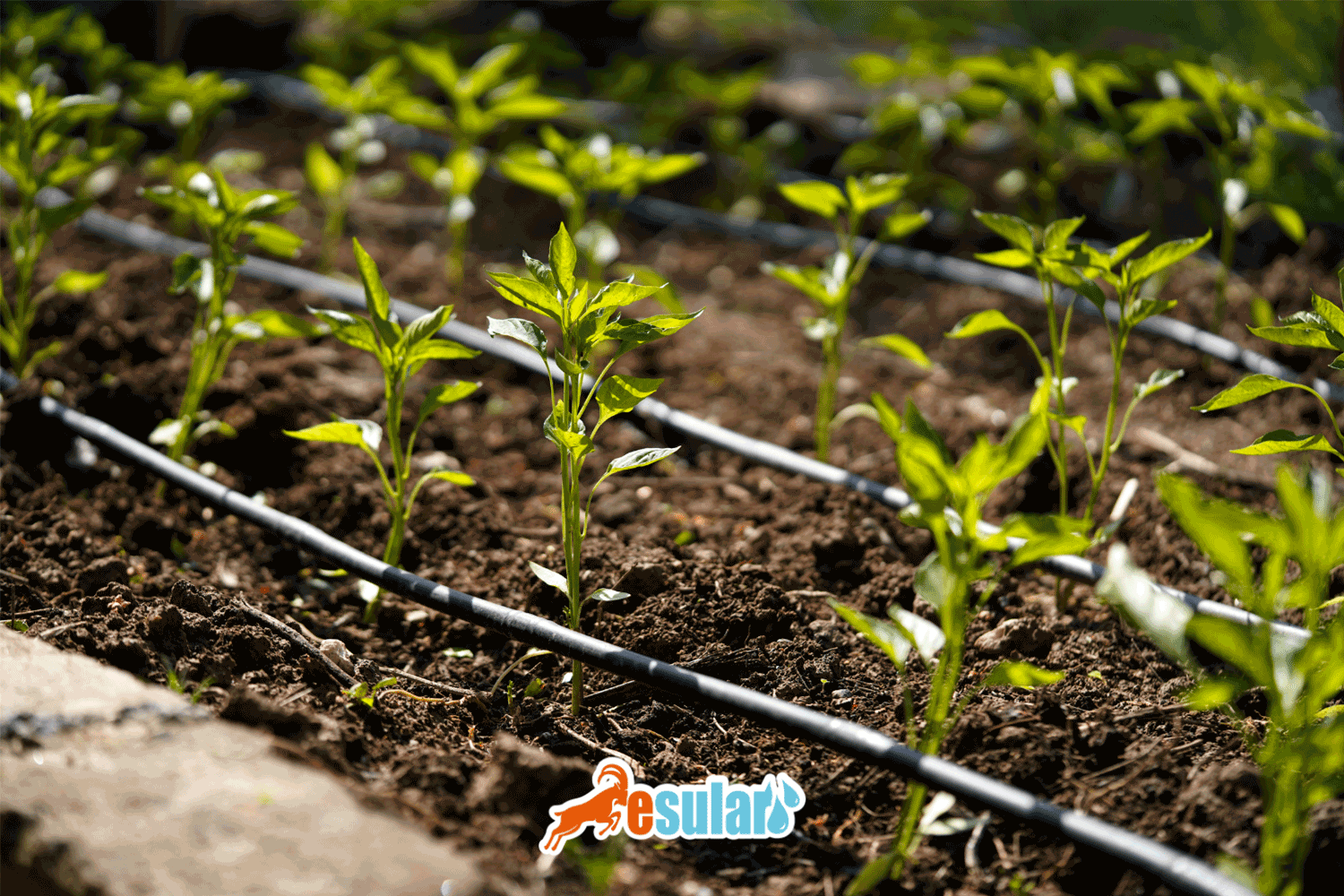
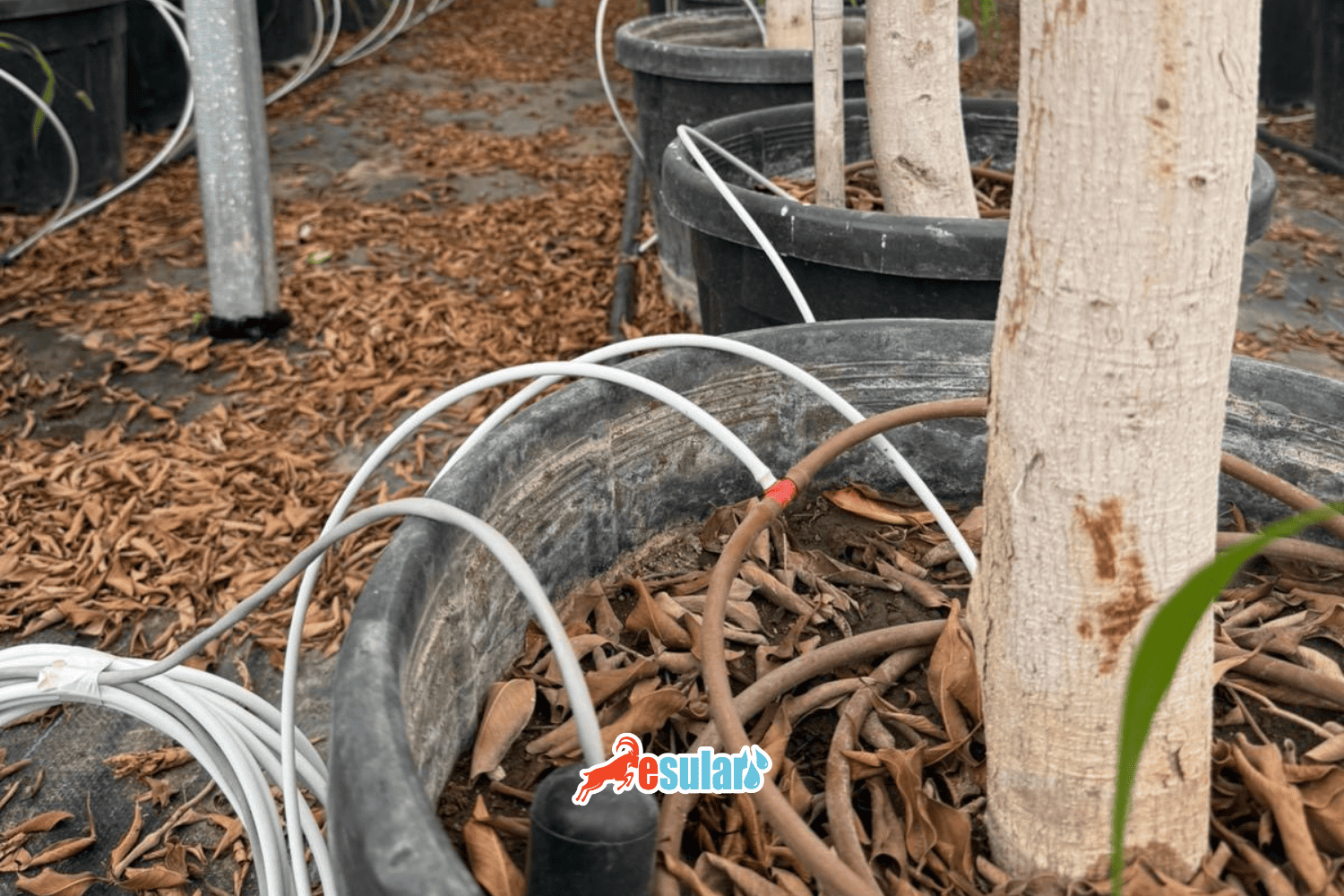
In this method, water is delivered to the soil surface or just below it through small holes. Water is transported next to the plants via pipes and sprayed under pressure. This method provides economic water use in areas such as greenhouses, fruit, and vegetable gardens and increases plant yield.
It is very suitable for plants such as garden products, vegetables, vineyards, and citrus. It is also preferred for greenhouse cultivation.
Garden Irrigation Systems
Garden irrigation systems are systems that ensure regular and effective irrigation of plants. These systems are generally used in gardens, fields, parks, and other open areas. Here are some commonly used garden irrigation systems:
Sprinkler Systems:
- Rotary Sprinklers: Water sprays are spread over a rotating head.
- Static Sprinklers: These are spray heads that stay in a fixed position.
- Pop-up Sprinklers: These are spray heads placed under the ground that rise when needed.
Drip Irrigation Systems:
- It is a system that gives water directly to the root zones of plants.
- Drip hoses or pipes are used.
- It reduces water waste by delivering water directly to the root zone of the plants.
Hose Irrigation Systems:
- Provides water to plants simply using a garden hose.
- It can be controlled manually or using an automatic irrigation timer.
Sprinkler Systems:
- Generally used in large areas on agricultural lands.
- Includes high-resistance pipes and spray heads.
Smart Irrigation Systems:
- Optimizes water consumption using sensors and automatic control systems.
- Irritates based on factors such as weather, soil moisture levels, and plant needs.
Hydroponic Irrigation Systems:
- A nutrient solution is used in water instead of soil.
- Plants are grown in containers with their roots placed directly into the nutrient solution.
Garden irrigation systems ensure irrigation in accordance with the needs of plants by providing water savings. These systems aim for healthier growth of plants and more efficient use of water resources. Which irrigation system to use may vary depending on factors such as the size of the garden, plant species, and climate conditions.
Yorumlar