
Tüm Yazılar

How to Grow Ryegrass?
Ryegrass stands out as a fast-growing and high-yielding option among forage crops. Especially used in cattle and sheep breeding, this plant plays an important role in agriculture with its capacity to produce abundant green fodder and high nutritional value. Successful cultivation of Ryegrass ensures healthy growth of the plant and high yields. Therefore, factors such as correct planting times, appropriate soil preparation, effective fertilization, and regular irrigation methods must be meticulously applied. Thanks to its ability to adapt to various climatic conditions, Ryegrass can be easily grown in many regions of our country, making it an attractive option for farmers.
Advantages of Ryegrass
The many advantages provided by growing Ryegrass make this forage crop a popular choice among farmers. Here are the main advantages of growing ryegrass:
Ryegrass can be mowed multiple times within a year thanks to its fast growth ability. This feature frequently provides farmers with large amounts of high-quality forage crops and offers an important contribution to animal feeding.
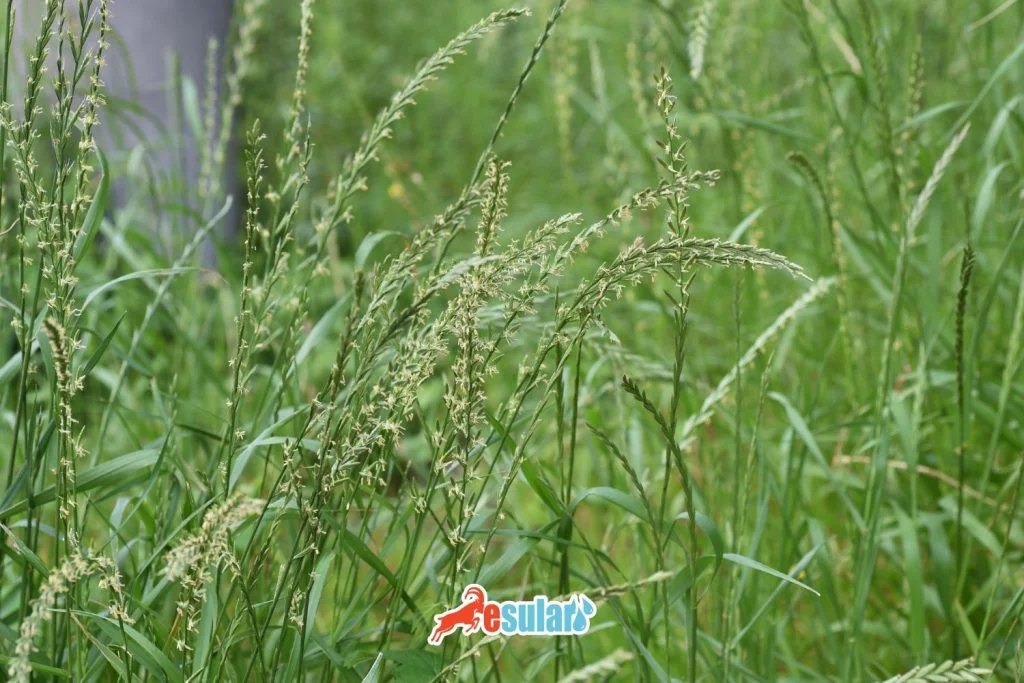
The Ryegrass plant is a leafy plant with a bright dark green color. The nutritional value of its leaves is high, which contributes to the healthy and balanced nutrition of animals.
Ryegrass, which can easily adapt to temperate climate conditions, can be grown comfortably in many regions of Turkey. This wide adaptation capability makes it possible to plant successfully in different geographical regions.
As an annual plant, ryegrass can be easily included in crop rotation. This facilitates soil rest and the cultivation of other plants, increasing the productivity of agricultural areas.
The high germination power of the seeds ensures that the plant begins to grow rapidly shortly after planting. This feature guarantees the success of the planting process and the rapid development of the plant.
Fast and densely growing ryegrass provides protection against erosion by covering the soil.
In addition to being used as animal feed, ryegrass can also be preferred for lawn areas and turf projects. This versatility allows ryegrass to find a wide range of uses in agriculture and landscaping.
Where Does Ryegrass Grow?
Ryegrass is a forage crop that can easily adapt to temperate climate conditions and can be successfully grown in many regions of Turkey. Especially in the Aegean, Mediterranean, Black Sea, and Marmara regions, it can be planted in September-October; in Central and Eastern Anatolia regions, it can be planted in late August-early September or March-April. Ryegrass prefers well-drained, fertile soils rich in organic matter. Soil pH should be in the range of 6.0-7.5. This plant is known for its rapid development and abundant leaf production, therefore positive results are obtained from fertilization in areas where irrigated agriculture is practiced. Growing ryegrass in suitable climate and soil conditions allows for high-quality forage to be obtained and holds an important place in agriculture.
Ryegrass Planting Time and Planting Techniques
Ryegrass planting time varies depending on regional climate conditions. In Turkey, it is appropriate to plant in September-October in the Aegean, Mediterranean, Black Sea, and Marmara regions. In Central and Eastern Anatolia regions, planting can be done between late August and early September or in March-April. These periods are when the optimal germination and development conditions for the plant are provided. Ryegrass planting can be carried out using various methods:
-
Sowing with a Seed Drill:
- A seed drill performs the planting process more regularly and evenly. The row spacing should be 10-20 cm. Using 4 kg of seeds per decare is sufficient. Sowing with a drill ensures that seeds are planted at a specific depth and interval, creating a homogeneous plant cover.
-
Hand Broadcast Sowing:
- In hand broadcast sowing, approximately 5-6 kg of seeds should be cast per decare. After the seeds are scattered, it is important to press the soil well and compact the seedbed.
Ryegrass seeds should ideally be planted at a depth of 1-1.5 cm. This depth is suitable for the seeds to germinate quickly and strongly. Pressing the seedbed thoroughly with a roller before and after planting ensures good contact of the seeds with the soil and increases the germination rate. In addition, soil preparation for ryegrass planting is of great importance. The soil should be well-drained, fertile, and rich in organic matter. The pH value of the soil should be in the range of 6.0-7.5. Good soil preparation contributes to the proper planting and development of the seeds.
Ryegrass Cultivation with Smart Irrigation Systems
Ryegrass is an important species preferred as a forage crop due to its high productivity and nutritional properties. However, correct irrigation practices are critical for achieving optimal growth and high yields. Traditional irrigation methods can often make efficient water use difficult and may fall short of meeting the plants' water needs. This is where smart irrigation systems come into play.
Smart irrigation systems are technological solutions developed to increase agricultural productivity and use water resources more efficiently. These systems ensure that plants' water needs are met more precisely by automating the irrigation process and supporting it with real-time data.
Esular's Smart Irrigation Systems offer a significant advantage at this point. As Esular, the smart irrigation solutions we offer aim to meet the water needs of plants in the most appropriate way with advanced sensor technologies and automation systems. Our systems monitor soil moisture levels, weather conditions, and plant development status in real-time and automatically adjust the irrigation amount accordingly. In this way, both water savings are achieved and optimal growth conditions for ryegrass are created.
Additionally, Esular's smart irrigation systems provide remote control and monitoring opportunities, saving farmers time and labor. You can follow the irrigation processes instantly through the mobile application and web-based interfaces and intervene when necessary. This technology contributes to the cultivation of ryegrass with the highest yield by optimizing both irrigation times and water amounts.
Ryegrass Mowing Time
The mowing time for Ryegrass varies according to the development stage of the plant and the type of product to be used. Generally, ryegrass is mowed at the following stages:
- First Mowing: Ryegrass should be mowed when it reaches the 10% heading stage. At this stage, the plant has usually reached a height of 50-60 cm. This period is the ideal time both in terms of nutritional value and green fodder yield.
- Subsequent Mowings: After the first mowing, depending on the plant's re-development process, it reaches the next mowing height within 20-40 days. The ideal mowing height is generally around 7-10 cm. Depending on climate conditions, irrigation, and fertilization practices, 3-6 mowings can be performed per year.
How to Use Ryegrass?
Ryegrass can be used as green fodder as well as hay or silage. The usage methods are as follows:
- Use as Green Fodder: Ryegrass can be used as a nutritious green fodder for animals such as cows, sheep, goats, and horses. It is an ideal feed source for animals and is given fresh.
- Use as Hay: Ryegrass can be used as hay by drying after mowing. Hay is an important nutrient source for animals, especially during the winter months.
- Silage Making: Ryegrass can also be evaluated as silage after mowing. Silage is effective especially in long-term storage requirements and in the preservation of nutrients.
After ryegrass is mowed, it should be ensured that the soil surface is flat and smooth. For the rapid development of the plant, soil preparation and fertilization processes after mowing are also important. Additionally, by optimizing your irrigation processes with the smart irrigation systems offered by Esular, you can increase the nutritional value and yield of ryegrass. These systems ensure the effective use of water and perform irrigation according to the needs of the plants, thus saving both time and water.


Yorumlar