
Tüm Yazılar
How to Grow Apricots?
Apricot cultivation is an important agricultural activity, especially in Turkey. Globally, apricot production is carried out in many countries across Asia, Europe, and the Americas. However, Turkey is one of the leading countries meeting a significant portion of world apricot production. One of the important factors in preferring apricot cultivation is that this fruit has many health benefits. The usage areas of apricots are quite broad. Besides being consumed as fresh fruit, it is dried to become dried apricots and marketed as dried fruit. Additionally, products such as apricot jam, marmalade, fruit juice, and ice cream are also obtained. Regarding market needs, apricot producers have a wide market potential to meet fresh and dried apricot demands. Especially the European, Middle Eastern, and Asian markets are among the important export markets for Turkish apricots. However, in these highly competitive markets, presenting quality products and effectively implementing marketing strategies is important.
What are the Apricot Varieties?
There are many varieties for apricot cultivation. These varieties differ in characteristics such as fruit size, color, taste profile, harvest time, and durability. Here are some popular apricot varieties grown in Turkey:
Beliana: An early-flowering variety. Fruit shape is flat-round. Skin is orange and the flesh is light orange. It has medium firmness and a medium juicy taste.
Feriana: Also an early-flowering variety. Fruit shape is flat-round and the skin is partially red. It has medium firmness and a medium juicy taste.
Priana: Another early-flowering variety. Fruit shape is flat-round and the skin is partially orange. It has medium firmness and a medium juicy taste.
Sakıt 6: This variety, which has a later harvest time, has a triangular fruit shape. The skin is partially red and the flesh is orange. It has a juicy and low-aroma taste.
Canino: A variety harvested in mid-season. It has a round fruit shape and the skin is partially red. The flesh is orange and it has a low-aroma taste.
P.de Tyrinthe: An early variety and the fruit shape is triangular. The skin is mostly red and the flesh is light orange. It has a low-juiciness and low-aroma taste.
P.de Colomer: A variety harvested in mid-season. The fruit shape is cylindrical and the skin is partially red. It has a low-juiciness and low-aroma taste.
Proyma: Another variety harvested in mid-season. The fruit shape is flat-round and the skin is mostly red. It has medium firmness and a medium juicy taste.
Tokaloğlu: A variety harvested in mid-season. The fruit shape is flat-round and the skin is mostly red. It has a juicy and medium-aroma taste.
Each of these varieties is preferred by farmers as they have different harvest times and taste profiles.
Climate and Soil Structure for Apricot Cultivation
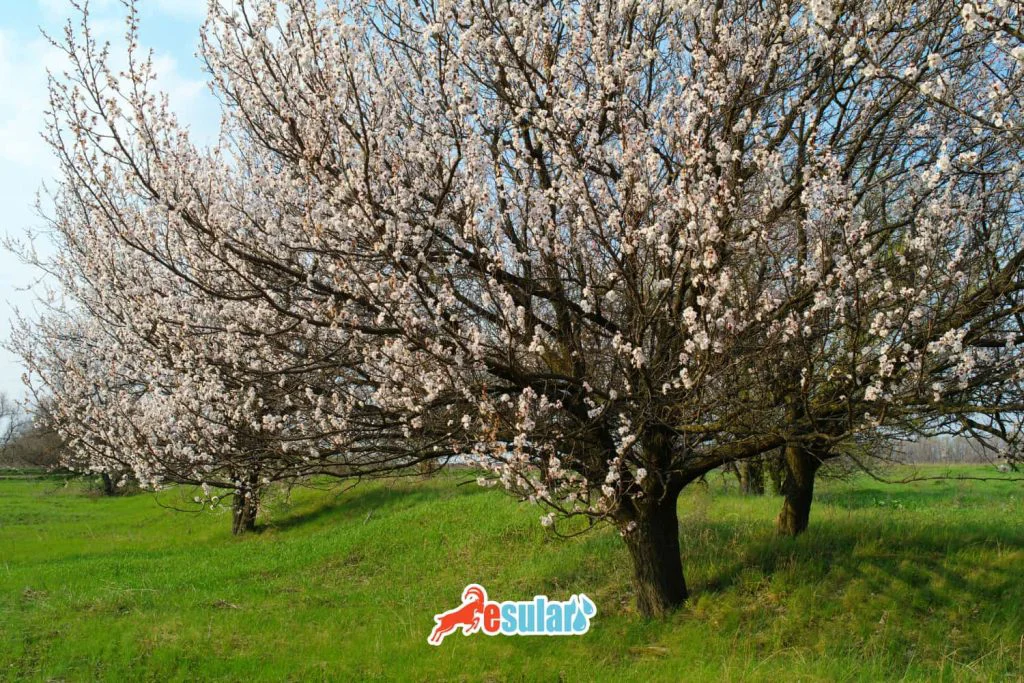
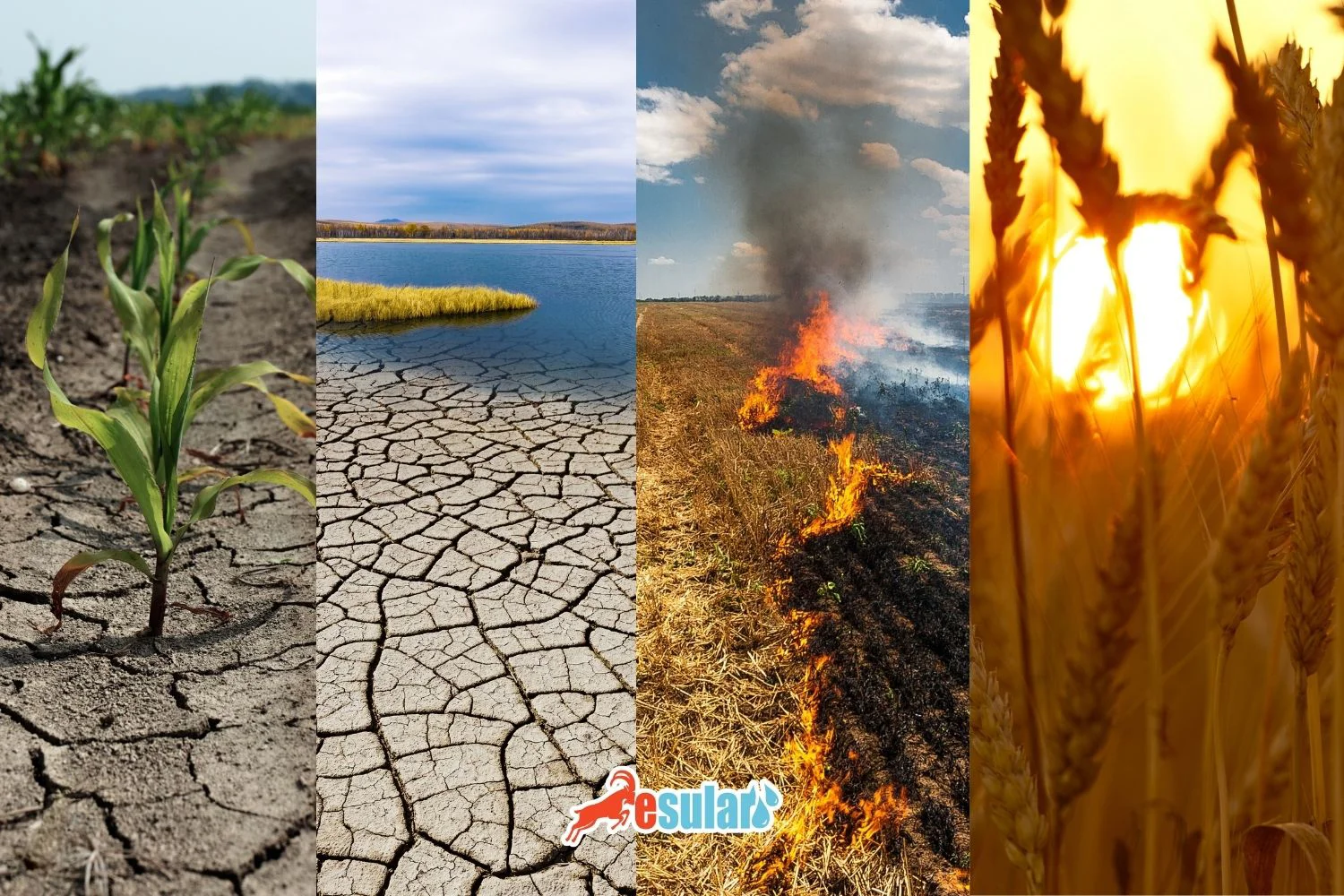
Apricots generally develop well in regions where winters are relatively cold and summers are hot and dry. However, they are more prone to freckle disease in places where the air is humid and the spring is foggy. Late spring frosts are the most important factor limiting apricot cultivation. The trunk and branches are damaged at -25°C, buds at 2-3°C, and green apricots at -1°C. The chilling requirement varies by variety but generally ranges between 700 to 1300 hours. If the chilling process is not completed, flower buds on apricot trees drop and awakening in the buds becomes irregular. This situation extends the flowering period and leaf buds awaken irregularly.
The apricot tree has deep roots and its roots can generally reach up to 2 meters. For this reason, it grows best in deep, permeable, well-aerated, loamy or loamy-calcareous soils. However, it is quite sensitive to groundwater and does not prefer very humid, clayey, heavy, and acidic soils. Additionally, it does not develop well in very mineral-poor or dry soils. Nevertheless, the apricot is quite resistant to drought.
Seedling Planting in Apricot Cultivation
Seedling planting is very important to ensure that apricot trees grow healthily and bear fruit productively. The ideal planting time may vary depending on the climatic conditions and soil status of the region. Generally, in regions where winters are mild, seedling planting can be done in the process starting from the leaf fall period in autumn until the budding in spring. However, in regions where winters are harsh, spring planting is a more common preference. Another important point to consider in seedling planting is determining the appropriate planting distance. While a planting distance of 6×5 meters is generally preferred in irrigated areas, these distances may be wider in non-irrigated areas. Planting holes should be prepared wide and deep, the roots of the seedlings should be placed properly, and the soil should be firmly compacted. Additionally, it is important to perform regular irrigation and maintenance after the planting of the seedlings.
Irrigation in Apricot Cultivation
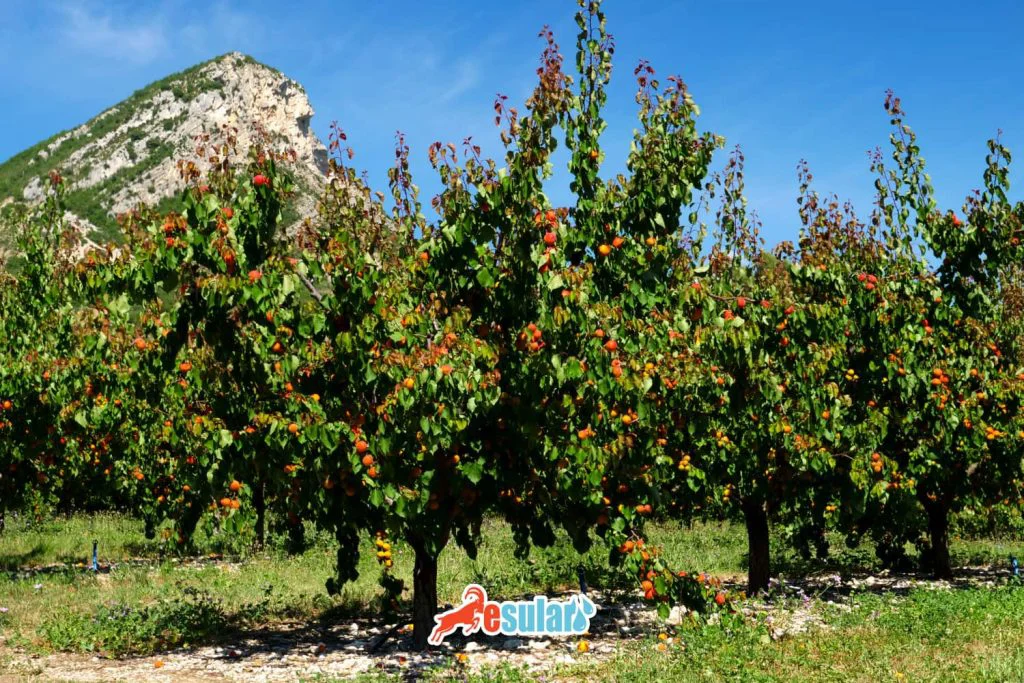
The irrigation program should be adjusted according to soil structure, climatic conditions, and seasonal needs. Generally, irrigation is repeated every 15-20 days. However, as soil permeability decreases, the irrigation interval should be shortened. Especially during hot and dry periods, the water need of plants increases and more frequent irrigation may be required. Irrigations performed before harvest increase fruit size and quality. During this period, the plants' need for water increases and sufficient irrigation ensures that the fruits fill out and gain sweetness. In orchards where drip irrigation is applied, the irrigation water is directed directly to the plants. In this method, providing water at the right time and in the right amount ensures efficient use of water. Additionally, fertilization and plowing processes performed along with drip irrigation increase yield and quality while reducing costs. You can contact us for more detailed information about this method. https://esular.com/gubreleme-ve-sulama-otomasyonu
Fertilization in Apricot Cultivation
Fertilization for apricot cultivation plays an important role in terms of healthy growth, productivity, and fruit quality of the plant. The fertilization process increases soil fertility and supports fruit formation by providing the nutrients the plant needs. Generally, nitrogenous, phosphorus, and potassium fertilizers are used. Nitrogenous fertilizers encourage the growth of the green parts of the plant and help it maintain its green color. While phosphorus fertilizers encourage root development, potassium fertilizers increase fruit ripening and quality. The time and amount of fertilizer application are determined based on the growth period of the plant, soil characteristics, and climatic conditions. The fertilization program should be carried out regularly and adjusted by considering the nutrient needs of the plant. Since excessive fertilization can be harmful, it is important to provide fertilizer in the right amounts and at the right time. Fertilization is a fundamental practice for productive production in apricot cultivation and must be managed carefully to ensure the healthy growth of the plant.
Harvest in Apricot Cultivation
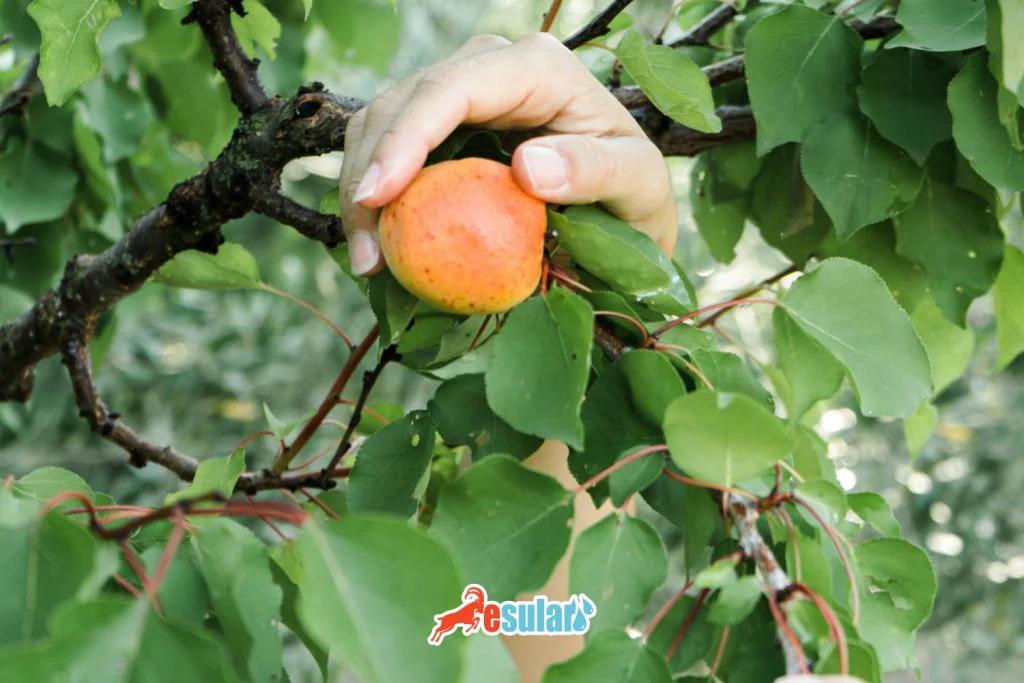
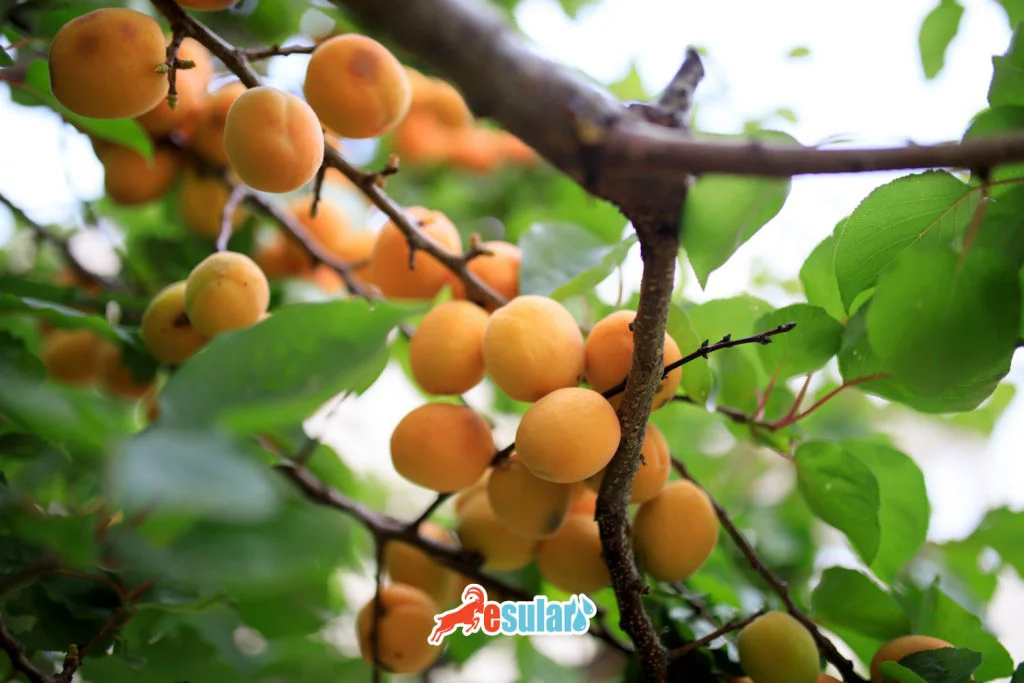
Since the ripening of apricot fruits does not occur simultaneously on the tree, the harvest process is carried out gradually. The fruits in the topmost parts of the tree ripen first. Then those in the middle parts ripen, and finally those in the lower parts. For this reason, harvest is also carried out in three stages according to this order. The ripening of apricot fruits generally starts at the tip of the fruit. When determining the harvest time, it is taken into account that the fruit can be easily separated from the branches, a large part of its skin has turned straw-yellow, and half of the fruit flesh has transitioned to yellow.
Especially when determining the harvest time for table apricots, the distance to the market where the fruit will be sent and the consumption period should be considered. Table apricots should not be crushed when the fruit flesh is lightly pressed with a finger when harvested, but the fruit color should generally have turned to the characteristic yellow color. Early harvested table apricots may not sweeten enough and may not reach the desired level in terms of color and aroma. If the harvest is delayed, the ripening process will accelerate, so the fruits may spoil more quickly during harvest and transport, and there will be a shorter waiting period after reaching the market.
How Many Years After Does an Apricot Tree Bear Fruit?
An apricot tree generally starts to bear fruit between 2 to 4 years after planting. However, the fruit-bearing period may vary depending on the conditions in which the tree is grown, its variety, and environmental factors. In hot or temperate climates, apricot trees grown in sandy and deep soils generally grow faster and start bearing fruit earlier. Therefore, climate and soil conditions are among the important factors affecting the fruit-bearing period of apricot trees.
Yorumlar