
Tüm Yazılar

How is Pecan Nut Cultivation Done?
Pecan nut cultivation is a process that requires careful planning, suitable soil preparation, and the correct variety selection. The pecan nut is a type of nut with high flavor and nutritional value. This valuable plant, whose homeland is North America, has started to attract interest in Turkey in recent years. Especially grown in regions with suitable climates and soil structures, the pecan nut offers high income potential to producers and is preferred as a healthy food source. In order to establish a successful pecan nut orchard, it is of vital importance to analyze climate and soil conditions well, to choose the right saplings, and to apply modern cultivation techniques. In this article, you will discover the basic stages of pecan nut cultivation, what needs to be considered, and the tips for successful production.
Ecological Requirements of Pecan Nut
Success in pecan nut cultivation is possible by providing an environment suitable for the ecological requirements of the plant. The pecan nut, which needs warm and long growing seasons, shows the best development in regions where annual average temperatures are between 15-25°C. It is a plant that has a low risk of frost and can withstand up to 35-40°C in hot summer months. Although it is resistant to drought thanks to its deep root system, it requires regular irrigation, especially during the fruit-set period. The pecan nut prefers fertile soils that are well-drained, with a pH value in the range of 6.0-7.5, and needs plenty of sunlight. Providing these conditions is critical for obtaining quality and high yields.
Regions Where Pecan Nut is Grown
The pecan nut is essentially widely grown in the southeastern regions of the United States. States such as Texas, Georgia, New Mexico, and Arizona are prominent regions in pecan nut production. In Turkey, pecan nut cultivation has been increasing in recent years. Especially in the Mediterranean Region, in provinces such as Antalya and Mersin, pecan nuts are successfully grown thanks to suitable climate conditions. In addition, pecan nut production is also carried out in the Aegean Region, in provinces such as Aydın and Muğla. The warm climate, long growing season, and suitable soil structure in these regions allow the pecan nut to develop healthily.
Pecan Nut Sapling Planting
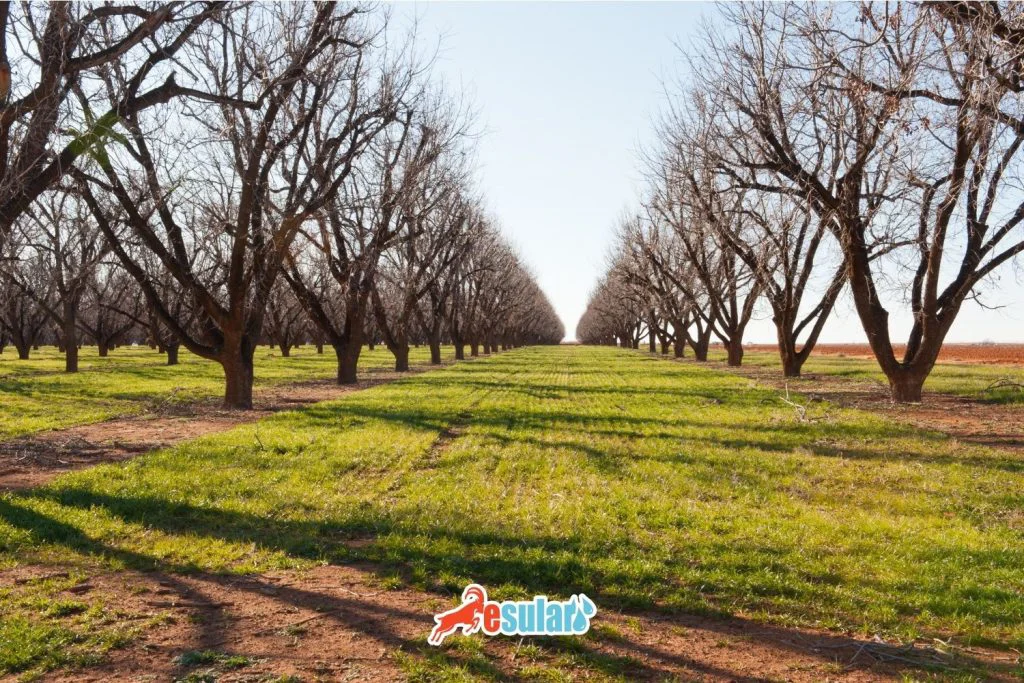
Saplings are generally planted in the autumn or early spring period. The area selected for sapling planting should have well-drained, deep, and fertile soils. Before planting, soil analyses should be performed and, if necessary, soil conditioners should be added. Saplings are generally planted at 8-10 meter intervals, this distance is necessary for the trees to grow and produce walnuts at full efficiency. During planting, the root collar of the sapling is placed parallel to the soil surface and the roots are carefully covered with soil. By giving life water after planting, the rooting of the sapling is encouraged. Additionally, by applying mulch around the sapling, it can be ensured that the soil remains moist and weeds are suppressed. Regular irrigation and maintenance in the first years are quite important for the healthy development of the saplings.
Irrigation and Fertilization of Pecan Nut
Irrigation of pecan nut is quite important, especially in the first few years of the saplings. Since the trees have deep roots, water must reach the depths of the soil. Generally, deep irrigation once a week is recommended, but this frequency can be increased in hot summer months. The drip irrigation system ensures that water is given directly to the root zone, providing water savings and making it possible for the plant to benefit in the best way.
Fertilization is necessary for the healthy growth of pecan nut trees and the production of fruit with high efficiency. According to the results of soil analyses, fertilizers containing basic nutrients such as nitrogen, phosphorus, and potassium should be used. While nitrogen-weighted fertilization is generally done in the spring and early summer, fertilizers containing potassium and phosphorus should be preferred in the autumn. Fertilizers should be applied by distributing them evenly to the root zone of the trees and then ensured to penetrate the soil well with irrigation. Regular fertilization supports the growth of the trees and increases high-quality walnut production.
Harvesting and Storage of Pecan Nut
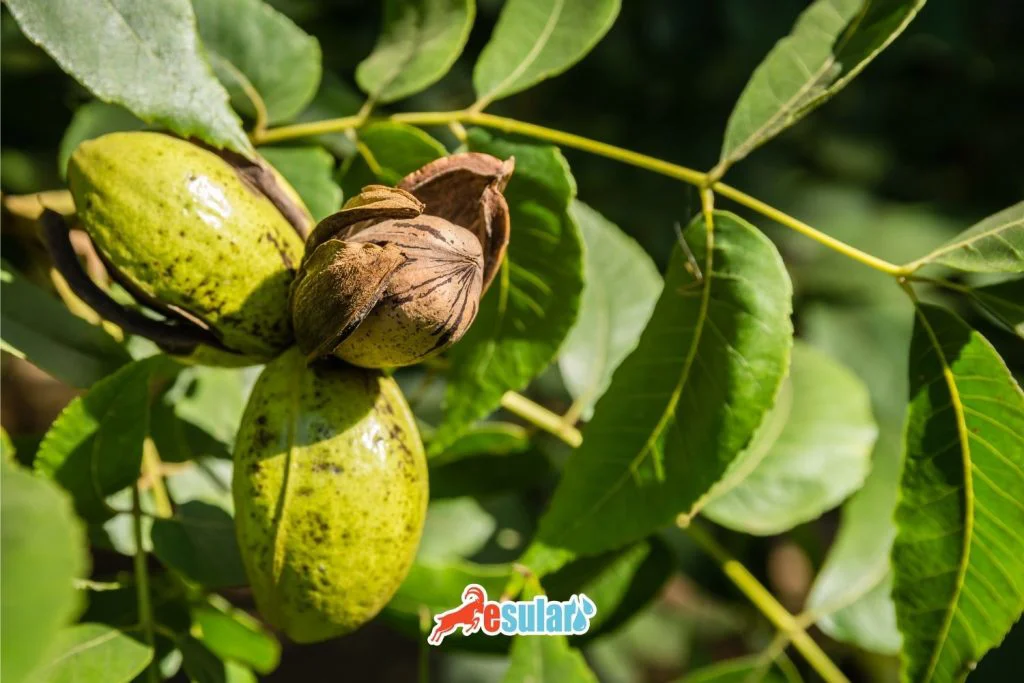
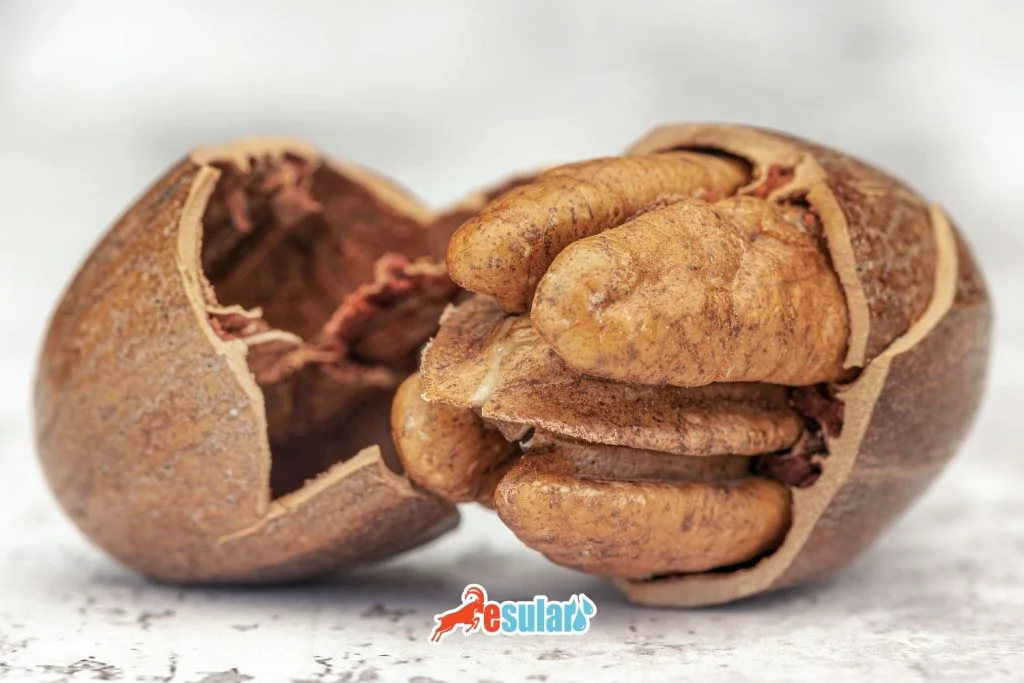
The harvesting of the pecan nut begins with the ripening of the shells of the walnuts. Harvest time generally comes towards the end of autumn, during the period when the green shells of the fruits crack and the walnuts start to fall. Walnuts should be carefully collected from the trees and gentle movements should be made so that they are not damaged during the harvest process. After the shells of the walnuts are completely dry, the shells are opened and the kernels inside are separated. The storage process is of critical importance for maintaining the quality of the walnuts. Walnuts should be stored in a well-ventilated, dry, and cool environment after being harvested. Walnuts should be protected from high humidity and temperature and kept away from direct sunlight. Ideal storage conditions ensure that walnuts remain fresh for a long time and are stored without spoiling. The low humidity rate of the storage area prevents the walnuts from molding and the formation of insects.
Economic Importance of Pecan Nut
The rise of healthy nutrition trends and the nutritional value, taste, and usage areas of the pecan nut increase the demand for the pecan nut.
High Market Demand: The health benefits of the pecan nut, especially its heart-health-supporting properties and high antioxidant content, have made it a popular choice among consumers. This increasing demand increases the prices of the pecan nut and offers higher income opportunities for producers.
Agriculture and Export Potential: Pecan nut creates various job opportunities in the agricultural sector and contributes to local economies. Additionally, with increasing production, the export potential of the pecan nut is also expanding, providing a competitive advantage in international markets.
Farmer Incomes and Return on Investment: Pecan nut cultivation provides long-term return on investment to farmers and can offer higher economic gains compared to other agricultural products. The longevity of the trees and high yield potential create a stable source of income for farmers.
In conclusion, the pecan nut creates a significant impact on the agricultural sector and local economies, in addition to its economic value. Increasing demand and high market values reinforce the economic importance of this product and offer growth opportunities in the agricultural sector.
Nutritional Values and Health Benefits of Pecan Nut
The pecan nut stands out with its nutritious and healthy features. It is full of high calorie content and healthy fats; 100 grams contains approximately 690 calories and harbors plenty of monounsaturated and polyunsaturated fatty acids. In addition, it is rich in terms of protein and fiber; 100 grams contains approximately 9 grams of protein and 10 grams of fiber. In terms of vitamin and mineral content, it contains important nutrients such as vitamin E, vitamin A, B vitamins, magnesium, phosphorus, potassium, and zinc. It has many benefits in terms of health. Healthy fats and antioxidants that support heart health can help regulate cholesterol levels. The vitamin E and polyphenols it contains delay aging by fighting free radicals and reduce the risk of various diseases. High fiber content ensures the regular operation of the digestive system and supports intestinal health. Magnesium and phosphorus minerals strengthen bone health, while omega-3 fatty acids support brain functions and can strengthen memory. With all these features, the pecan nut can be a healthy part of a balanced diet.

Yorumlar