
In modern agriculture, soil quality is one of the most critical factors directly affecting product yield. Especially our farmers cultivating in calcareous and high pH soils frequently encounter the problem of plants being unable to absorb nutrient elements. At this point, sulfur stands out as an indispensable element of soil reclamation.
Why is Sulfur Important in Soil Reclamation?
The high pH problem encountered in many agricultural regions of Turkey prevents plants from taking in vital nutrients such as iron, phosphorus, and zinc. The use of the sulfur element in soil reclamation plays a key role in solving this problem.
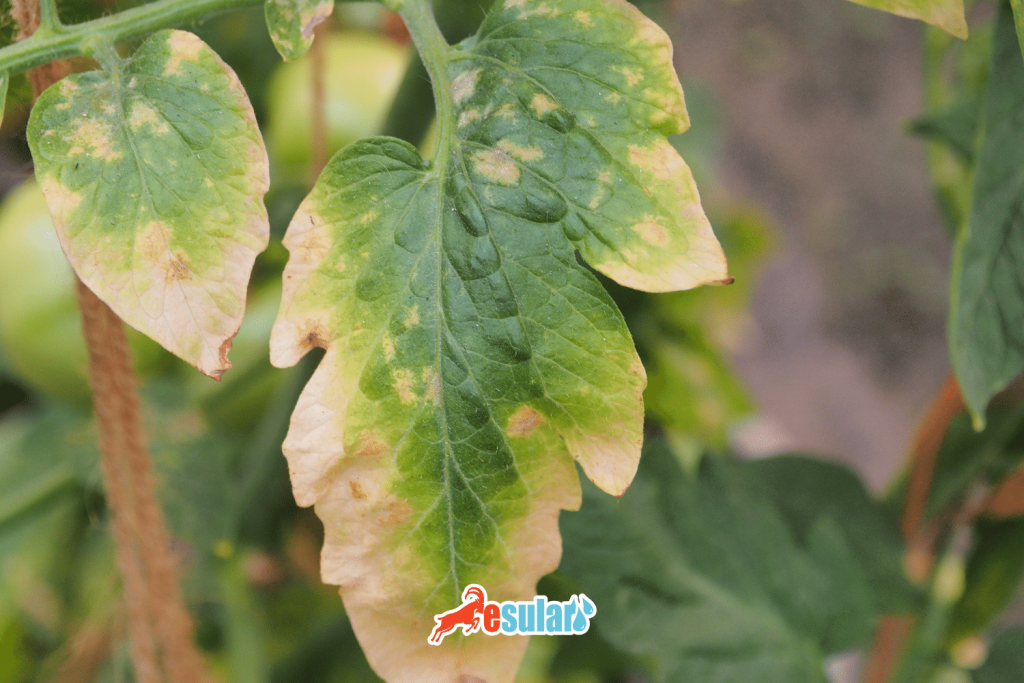
Sulfur performs the following basic functions in soil reclamation:
- pH Balancing: It brings the pH value of alkaline soils down to the ideal range of 6-6.5
- Lime Dissolution: It supports the root development of plants by breaking down the calcareous structure in the soil
- Salt Ratio Control: It protects plant health by lowering the salinity level in saline soils
- Nutrient Intake: It facilitates the absorption of micro and macro elements by plants
Liquid Sulfur or Powder Sulfur?
Both liquid and powder forms of sulfur are used in agricultural applications. Both forms have their own unique advantages:
Advantages of Liquid Sulfur
- Thanks to its micronized structure, it mixes into the soil faster (effect within 1-2 weeks)
- It can be easily applied with drip and sprinkler irrigation systems
- It does not cause respiratory discomfort like the powder form
- It gives effective results even at lower doses
- Since it does not form sediment, it does not clog irrigation nozzles
Properties of Powder Sulfur
- It offers an economical option
- It is applied by broadcasting over the soil in large areas
- It can take 4-5 years to show its effect
- It may require special equipment during application
Esular's Recommendation: In modern agricultural enterprises, liquid sulfur offers a more practical and faster-resulting solution, especially for our producers using drip irrigation systems.
Benefits of Sulfur to Plants
Sulfur not only improves the soil but also contributes directly to the overall health of plants:
Contributions to Plant Development:
- It acts as a basic building block in protein and enzyme synthesis
- It strengthens photosynthesis by supporting chlorophyll formation
- It increases the resistance of plants against cold and frost
- It facilitates adaptation to day-night temperature differences
- It promotes early maturation
- It shows a protective effect against some fungal diseases
In Which Products Should Sulfur Be Used?
Sulfur application is successfully used in a wide range of products:
Vegetable Production: Tomato, pepper, eggplant, cucumber, lettuce, potato, carrot, onion, garlic, zucchini
Fruit Orchards: Vineyards, cherry, apple, walnut, hazelnut, almond, citrus fruits
Field Crops: Wheat, barley, corn, sugar beet, cotton, chickpea, bean
Sulfur Application Methods and Dosage
The correct application method and dosage maximize the effect of sulfur:
1. Soil Application (with Drip Irrigation)
- Dosage: 0.5-1 liter of liquid sulfur per decare
- Frequency: Should be repeated every 20-25 days
- Application: Can be given with irrigation water via the fertigation method
2. Foliar Spraying
- Dosage: 250-300 ml of liquid sulfur per 100 liters of water
- Frequency: Can be applied every 3-4 weeks
- Timing: Should be preferred in the early morning or evening coolness
3. Pre-planting Soil Preparation
- Dosage: 2-5 kg of powder sulfur per decare according to soil analysis results
- Application: Should be given by mixing into the soil
- Timing: Should be applied 1-2 months before sowing or planting
Important Note: Soil analysis must be performed before application. The dosage should be adjusted according to the target pH value.
Precision Fertilization with Smart Irrigation Systems
The way to make sulfur application more effective in modern agriculture is through smart irrigation and fertilization systems. Esular smart irrigation systems determine the most suitable fertilization time by continuously monitoring soil pH and EC values.
With Esular Wireless Valve Control System:
- You can automate your fertilizer and sulfur applications
- You can manage irrigation and fertilization programs from your phone
- You can reduce costs by saving water and fertilizer
- You can perform instant moisture and EC tracking with soil sensors
Examine Esular Smart Valve System
Optimum Result with Soil Moisture and EC Tracking
The success of sulfur application depends on keeping the soil moisture at the correct level. Sulfur cannot show its effect in dry soils. For this reason, using soil moisture sensors is critically important.
With Esular Wireless Soil Moisture Sensor:
- You can track soil moisture values instantly
- You can control the salt and mineral levels in the soil with EC measurement
- You can monitor the pH change after sulfur application
- Continuous data flow is provided with a battery life of up to 10 years
Symptoms of Sulfur Deficiency in Plants
Sulfur deficiency generally shows symptoms similar to nitrogen deficiency. However, some different signs stand out:
General Symptoms:
- Yellowing in young leaves (chlorosis)
- Growth retardation and stunted development
- Thin and weak stem structure
- Decrease in flower and fruit formation
- Shrinkage in leaf blades
Crop-Specific Symptoms:
- In Cereals: Interveinal fading in leaves, decrease in spike formation
- In Cotton: Yellowish color change in young leaves, decline in fiber quality
- In Grapes: Decrease in berry size, thick-skinned fruits
- In Vegetables: Delayed maturation, yield loss
When you see these symptoms, it is important to have a soil analysis performed to confirm sulfur deficiency.
Points to Consider in Sulfur Application
Application Timing:
- Soil temperature should be above 5-6°C
- Application should be made in summer months in unheated greenhouses
- Applying when the air temperature is below 25°C is more effective
Relationship with Irrigation:
- Sufficient moisture must be present in the soil during sulfur application
- Sulfur remains ineffective in dry soils
- It is beneficial to perform light irrigation after application
Avoid Excessive Use:
- Excess sulfur can over-acidify the soil
- It can lead to burning and spots on leaves
- It can negatively affect soil microorganisms
- Recommended doses must be strictly followed
Integrated Fertilization with Fertigation
In modern agriculture, sulfur application is performed integrated with other fertilizers. Esular smart fertilization systems ensure that all nutrient elements, including sulfur, are provided with optimal timing and dosage.
Discover the Smart Fertilization System
Integrated Fertilization Advantages:
- Sulfur and other fertilizers are managed in the same system
- Automatic adjustment is provided by tracking pH and EC
- Labor and time savings are achieved
- Fertilizer efficiency increases, waste is prevented
Sulfur Use in Organic Agriculture
Elemental sulfur is one of the rare inputs allowed for use in organic agriculture. Sulfur is preferred in organic certified enterprises for soil reclamation and protection against fungal diseases.
Sulfur in Organic Agriculture:
- Since it is a natural element, it can be used in organic production
- It provides soil improvement without leaving chemical residues
- It offers biological protection against fungi
- It supports soil microorganisms
Conclusion: pH Management for Productive Agriculture
Soil pH management is one of the most fundamental elements of modern agriculture. Sulfur application is an indispensable practice, especially in our regions with calcareous and alkaline soils. However, the key to success lies in the correct dosage, timing, and monitoring.
Esular smart irrigation and fertilization systems make your sulfur application science-based, precise, and efficient. With our solutions that provide instant tracking with soil sensors, correct timing with automatic irrigation, and easy management with remote control, you can maximize your soil health and product yield.
💡 Smart Farming with Esular:
Manage your soil reclamation, irrigation, and fertilization processes from a single platform. Digitalize your agriculture with wireless sensors, automatic valve control systems, and mobile applications.
Frequently Asked Questions
When should sulfur application be done?
Sulfur application should be done in periods when the soil temperature is above 5-6°C. It gives the most effective results when applied during pre-planting soil preparation or plant growth periods when the air temperature is below 25°C.
Is liquid sulfur or powder sulfur better?
Liquid sulfur is preferred in modern agriculture due to its ease of use in drip irrigation systems and fast action. Powder sulfur is a more economical option, but it can take 4-5 years to show its effect.
How much sulfur should be applied per decare?
It varies depending on the soil pH value. 0.5-1 liter of liquid sulfur per decare in drip irrigation and 250-300 ml of sulfur per 100 liters of water in foliar spraying is recommended. Soil analysis must be performed for the exact dosage.
In which plants can sulfur be used?
It can be used in a wide range from vegetables like tomatoes, peppers, and cucumbers to fruits like grapes, apples, and cherries, and field crops like wheat, corn, and sugar beet.
Does sulfur application clog irrigation nozzles?
Quality liquid sulfur products do not form sediment because they have micronized particles and do not clog irrigation nozzles. It can be used safely with Esular smart irrigation systems.
⚠️ Important Warning:
The information provided in this content is of a general nature, and every soil and plant may show different characteristics. Be sure to have a soil analysis performed before application and consult your agricultural advisor. Product dosages and application timings may vary according to your region and conditions.
📱 For more information:
Esular Contact | Product Catalog | Blog



Yorumlar