
Tüm Yazılar
How is Carrot Cultivation Done?
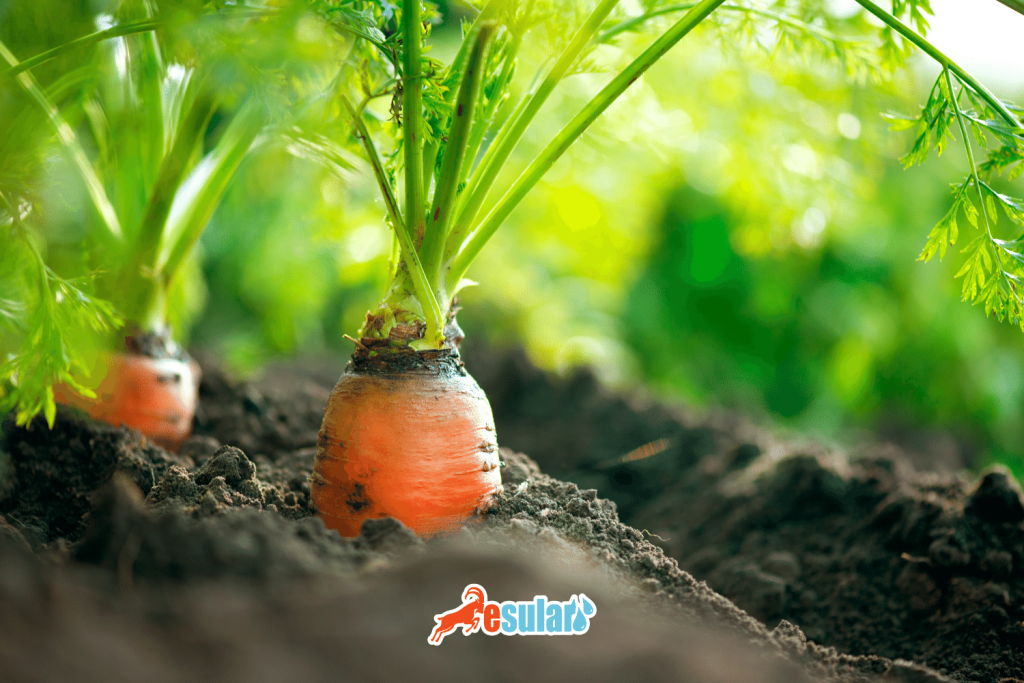
Carrot is a vegetable widely consumed and grown in our country. The benefits of this vegetable stand out with its high content of vitamin A and various vitamins. While contributing to intestinal, eye, and heart health, it strengthens the immune system. Turkey has ideal soil and climate conditions for carrots, therefore carrot cultivation is still carried out in large areas. Carrot cultivation is a quite laborious process starting from the seed. While grown in clean lands, the soil is processed beforehand and spraying/pesticide application is done if necessary.
What are the Benefits of Carrots?
Carrot is a nutritious vegetable with many health benefits. It improves eye health and enhances night vision. It contains antioxidants and vitamins, which strengthens the immune system and protects against diseases. Its fiber content can lower cholesterol levels and support heart health by regulating blood pressure. It improves skin health and can reduce signs of aging. It regulates the digestive system and supports digestive health. Thanks to antioxidants, it can reduce the risk of cancer. Carrots can be an important part of a healthy diet and regular consumption is recommended.
What are the Climate and Soil Requirements for Carrots?
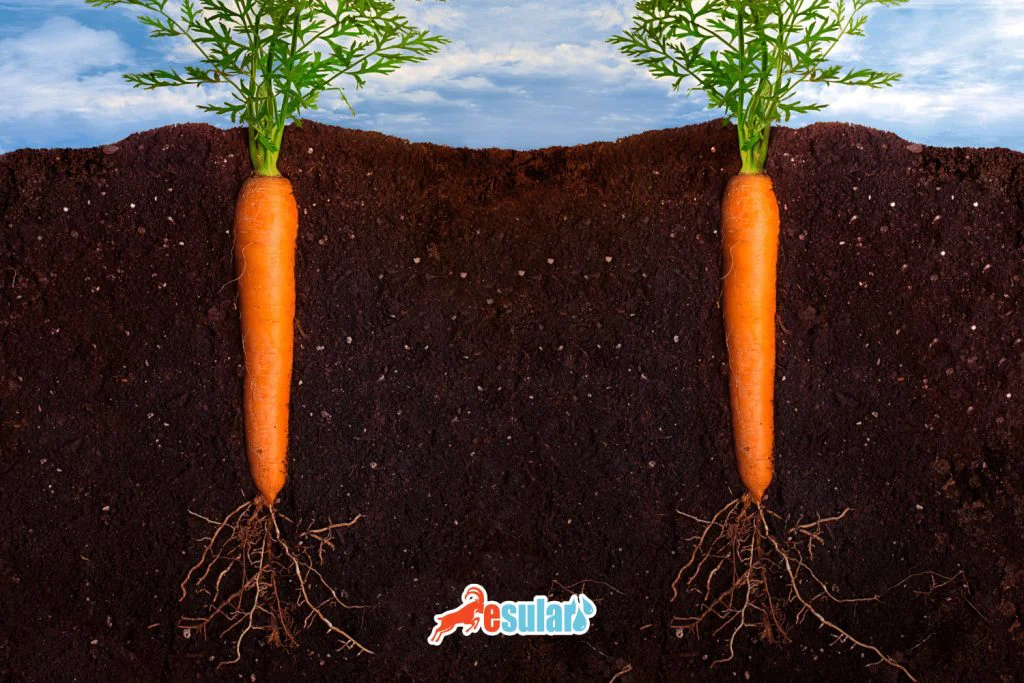
Carrot is a plant that prefers temperate climates and develops best at temperatures between 15-20°C. It is quite resistant to cold weather, but caution should be exercised in regions with frost risk. As soil, it prefers light, loose, and well-drained soils. Loamy or sandy-loamy soils are the most suitable options for carrot cultivation because these types of soils allow roots to grow properly. Heavy and clayey soils, on the other hand, can distort the shape of carrot roots and negatively affect their development. For this reason, soil selection is of great importance when growing carrots, and appropriate soil conditions must be provided for the plant to obtain a good yield.
How and When are Carrots Planted?
Carrot planting should be done during periods when the weather is temperate. Generally, spring and autumn periods are the most suitable times for carrot planting. Carrot seeds germinate better when they come into direct contact with the soil, so seeds should be planted in the soil to be approximately 1 cm deep. It is important that the seeds are placed in loose and uncompacted soil during planting, because in this way the roots develop more comfortably. Sufficient distance should be left between carrots; usually, a distance of 15-20 cm between rows and 5-10 cm on the row is preferred. The planting process is usually done in spring, and the soil should be kept moist for the seeds to germinate. It is recommended to plant when the soil temperature is at least 7-10°C, because carrot seeds germinate better at this temperature.
Fertilization in Carrot Cultivation
In carrot cultivation, the preference should be for organic fertilizers, and excessive inorganic fertilizer should be avoided in the early period. However, carrots do not like fresh heavy manure. Fresh manure can spoil the color of the carrot and also cause early flowering. When the groundwater level in the soil is high, if fertilization has not been done until one week before planting, it will be more logical to perform planting before applying fertilizer and to fertilize during the period when the plants have 2-3 leaves. The amount of nitrogen, phosphorus, and potassium fertilizer calculated per decare should be mixed into the soil at least two weeks before planting. If half of the nitrogen is applied before planting and the other half when the plants have 3-4 true leaves, losses are minimized.
Irrigation in Carrot Cultivation
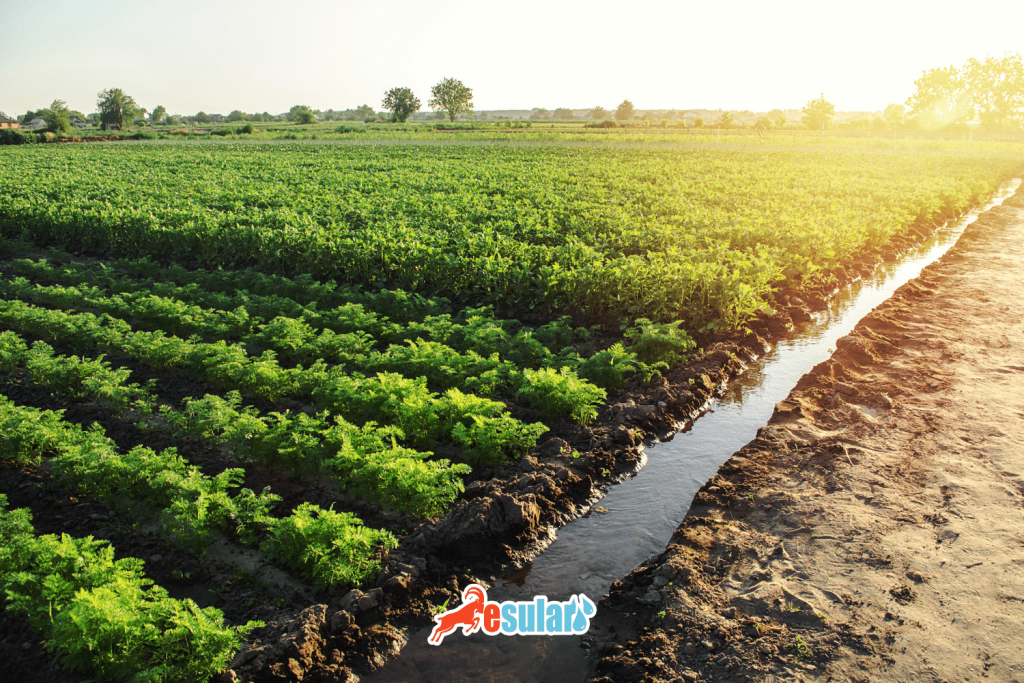
Carrot prefers the soil to be moist. However, in case of excessive irrigation, it can cause the roots to rot. Irrigation plays a critical role in the germination, growth, and root formation processes of carrots from the seed onwards. The irrigation method and frequency may vary depending on climate conditions, soil structure, and the growth stage of the plants. Since carrots generally prefer an environment where the soil is moist, the irrigation frequency should be adjusted according to the moisture level of the soil. Irrigation should be performed especially during dry periods or if the soil surface dries out. Irrigation should generally be done in the early morning or after sunset, so that water evaporation is minimized and the plants are ensured to use the water more efficiently. The amount of irrigation should be adjusted according to the needs of the plants and the water-holding capacity of the soil.
Use of Smart Irrigation Systems in Carrot Cultivation
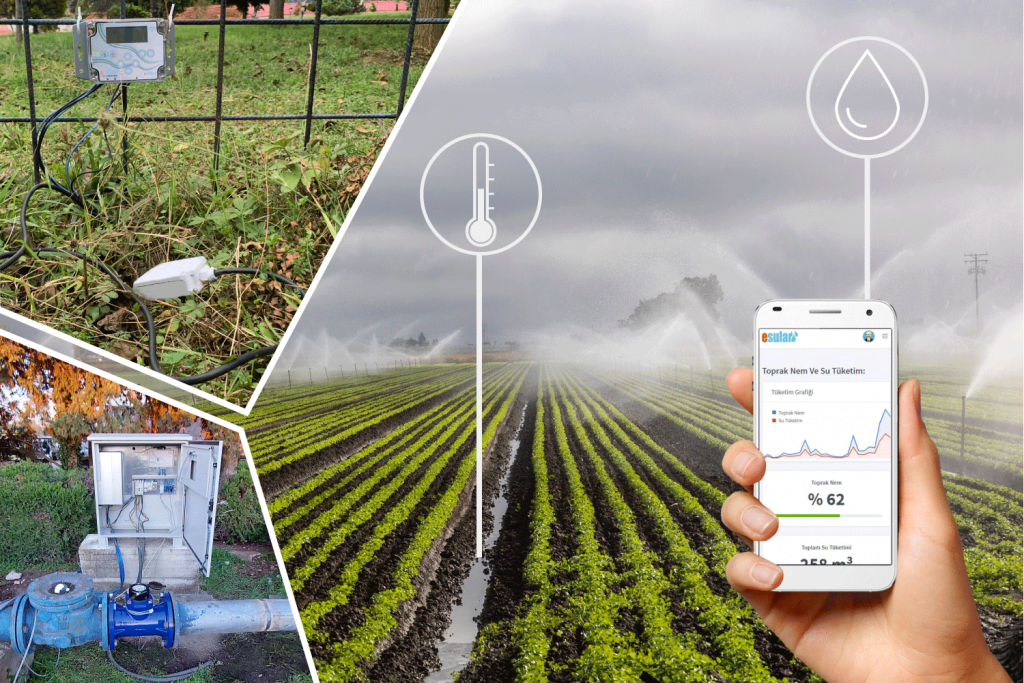
The smart irrigation system used in carrot greenhouses is one of the most up-to-date examples of modern agricultural technology and is an extremely effective solution for increasing efficiency in agricultural production. In carrot cultivation, irrigation is of critical importance for plant development and harvest yield. Smart irrigation systems respond correctly to the water needs of the plants by continuously monitoring the moisture levels of the pools with sensitive sensors and automatic control mechanisms. These systems ensure the efficient use of water resources by optimizing water consumption and also prevent water waste. This smart irrigation system used in carrot greenhouses, in addition to providing savings to farmers, allows for obtaining higher quality crops by increasing the health and productivity of the plants. This example highlights the importance and benefits of smart irrigation systems in agricultural production, serving as a valuable example in offering farmers a more sustainable and profitable agricultural management. You can contact us to get more detailed information about these systems. https://esular.com/akilli-sulama-sistemleri
When and How are Carrots Harvested?
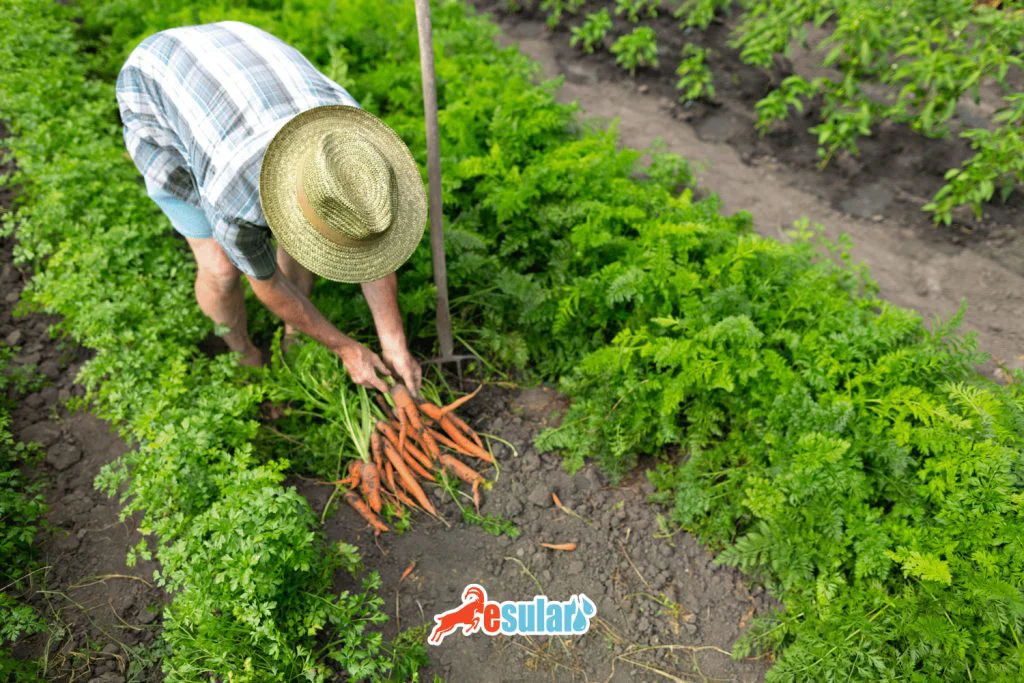
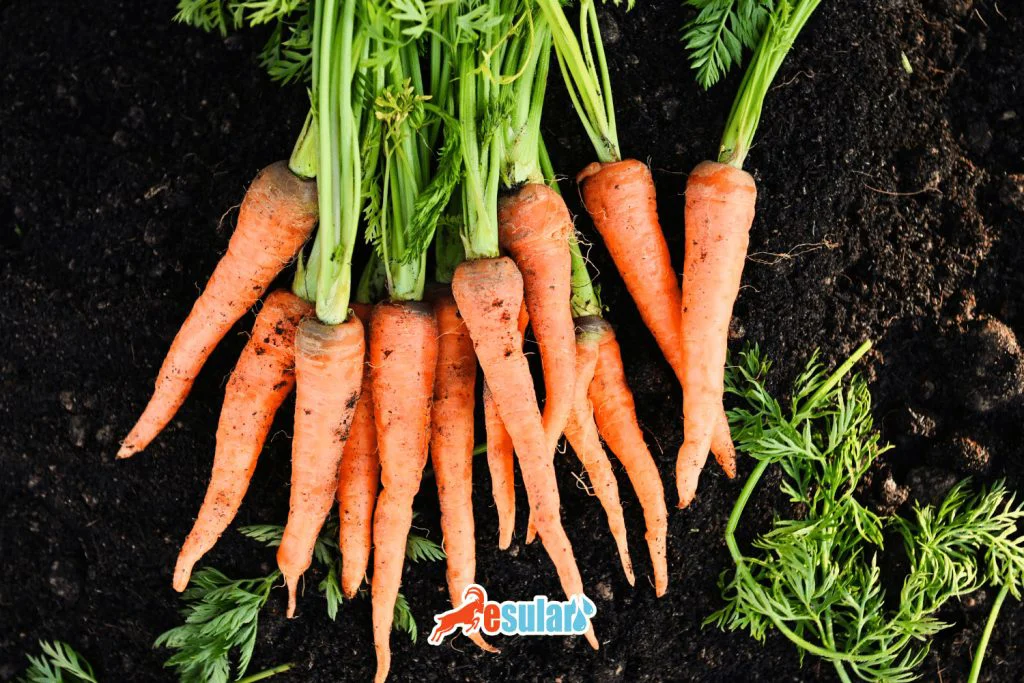
Carrot harvest may vary depending on the maturation process of the plants and the climate conditions of the region where they are grown. Generally, carrots are harvested when their underground roots reach a certain size. When carrots become visible above the ground, it usually means harvest time is approaching. To determine the harvest time, it is important to pay attention to the size, color, and texture of the carrots. To determine if carrots are harvestable, you can check by gently removing a few from under the soil. It is preferred that the roots of the carrots to be harvested are firm, hard, and their colors are vibrant. Carrots are usually harvested in spring or summer months when they reach a certain size underground. The leaves of the harvested carrots are cut and the roots are gently removed from the soil. Harvested carrots should be stored in a cool and dry place in a well-ventilated environment.
How Many Months Does it Take to Harvest Carrots?
Carrots usually mature between 3 to 4 months from planting to the harvest stage. However, this period may vary depending on growing conditions, carrot variety, and climate conditions. For example, in colder climates or in some varieties, the maturation period may be slightly longer. Harvest time is usually done when the carrots are fully matured and at an appropriate size.
What are the Diseases and Pests Seen in Carrot Cultivation?
Common diseases in carrot cultivation include Botrytis, Rhizoctonia, and carrot downy mildew (Plasmopora). These diseases can damage the leaves, stems, or roots of carrot plants and negatively affect plant development. Important pests encountered in carrot cultivation include Carrot fly, Nematodes, and moles. These pests can cause yield loss by damaging the roots of carrot plants. Therefore, appropriate measures should be taken for the control of diseases and pests in carrot cultivation and necessary interventions should be made on time.
Yorumlar