
Tüm Yazılar

Global Agricultural Trends
Global agricultural trends are undergoing a major transformation under the influence of factors such as rapidly changing technology, climate change, increasing world population, and sustainability concerns. Traditional farming methods are being replaced by smart technologies, innovative agricultural practices, and sustainability-oriented strategies. These changes create new opportunities and challenges for both producers and consumers. Many innovations such as digitalization in agriculture, smart farm technologies, sustainable agricultural practices, genetic engineering, and alternative protein sources are bringing revolutionary changes to the sector. These trends are reshaping not only how agricultural production is done, but also how agricultural products are consumed, processed, and distributed.
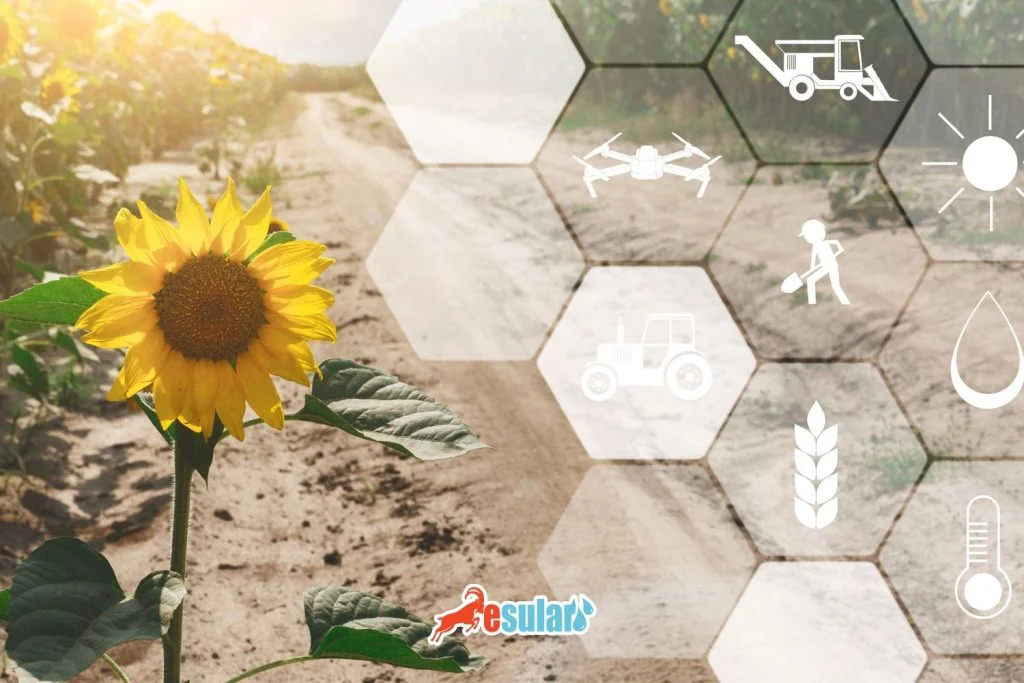
Digital agriculture and smart farms offer more efficient and precise farming methods supported by technologies such as sensors, drones, and artificial intelligence. Sustainable agricultural practices ensure more efficient use of water and soil resources while contributing to the reduction of environmental impacts. Genetic engineering offers new opportunities to increase plant and animal productivity, while alternative protein sources provide sustainable and environmentally friendly alternatives to traditional meat production. In this article, we will explore the most current and effective examples of global agricultural trends. These trends shaping the future of agriculture are leading to radical changes in agricultural activities worldwide, opening the doors to a more efficient, sustainable, and innovative agricultural sector.
Digital Agriculture and Smart Farms
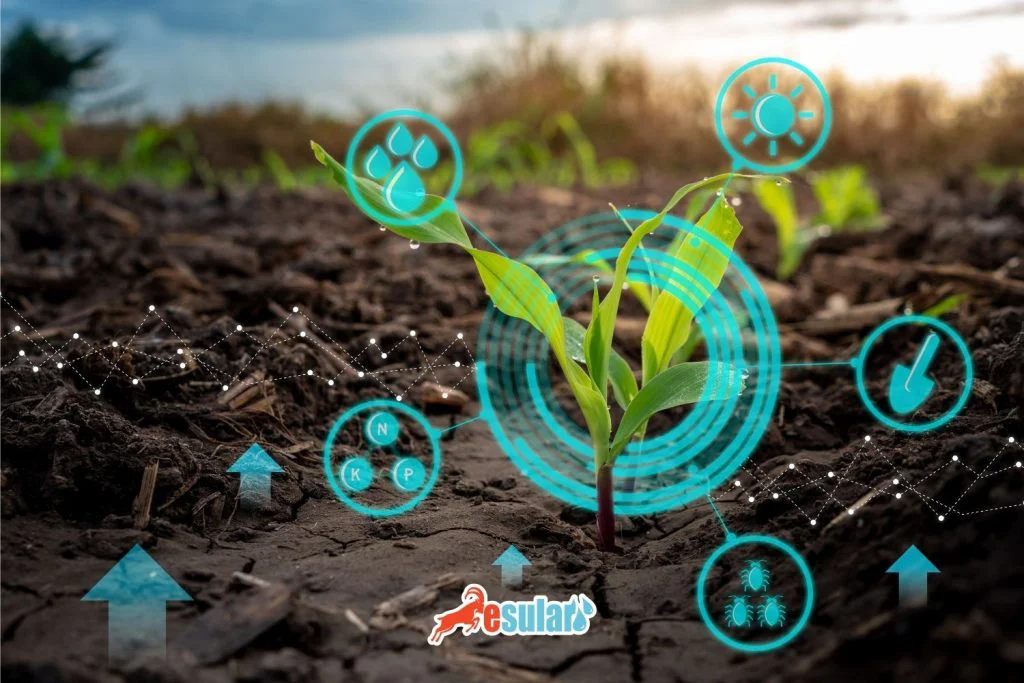
Digital agriculture and smart farms offer more efficient and precise farming methods supported by technologies such as sensors, drones, and artificial intelligence. Smart farming technologies help farmers make more informed decisions by monitoring data such as soil moisture, weather conditions, and plant health in real-time. In this way, while water and fertilizer use are optimized, product yield is increased and costs are reduced. For example, drones used in agriculture can quickly scan large areas, diagnose plant diseases early, and prevent the spread of harmful insects.
In this field, we, as Esular, provide digital agriculture and smart farm solutions. We optimize agricultural processes with advanced sensor systems and automation solutions. Our products include sensors that can monitor data such as soil moisture, weather conditions, and plant health in real-time, as well as AI-supported analysis tools. These technologies help farmers make more informed decisions and increase the efficiency of agricultural production processes. Additionally, these systems can be monitored and managed remotely via mobile applications, allowing farmers to control their agricultural activities anytime and from anywhere. With these innovative solutions, we contribute to the digital transformation of agriculture.
Digital agriculture and smart farm technologies are shaping the future of agriculture while increasing the competitiveness of farmers and encouraging sustainable agricultural practices. As Esular, we take pride in being a part of this transformation and aim to increase agricultural productivity and sustainability by offering farmers the most advanced technologies.
Sustainable Agricultural Practices
Sustainable agricultural practices ensure more efficient use of water and soil resources while contributing to the reduction of environmental impacts. Sustainable agricultural methods such as organic farming, permaculture, and agroecology aim to increase long-term productivity by protecting the natural structure of the soil. Additionally, innovations such as integrated pest management and fertilization techniques that optimize the nitrogen cycle minimize the environmental impacts of agriculture. These practices help both preserve ecosystems and increase the long-term profitability of farmers. You can examine our more detailed article on this subject via the link. https://esular.com/surdurulebilir-tarim-uygulamalari
Genetic Engineering and Biotechnology
Genetic engineering and biotechnology offer new opportunities to increase plant and animal productivity. Genetically modified organisms (GMOs) enable the cultivation of plants that are more resistant to diseases and pests. Additionally, biotechnological innovations are used to increase the nutritional value of agricultural products and develop plant species more resilient to climate change. For example, plants such as drought-resistant corn and rice ensure the continuity of agricultural production in regions where water resources are scarce.
Climate Change and Agriculture
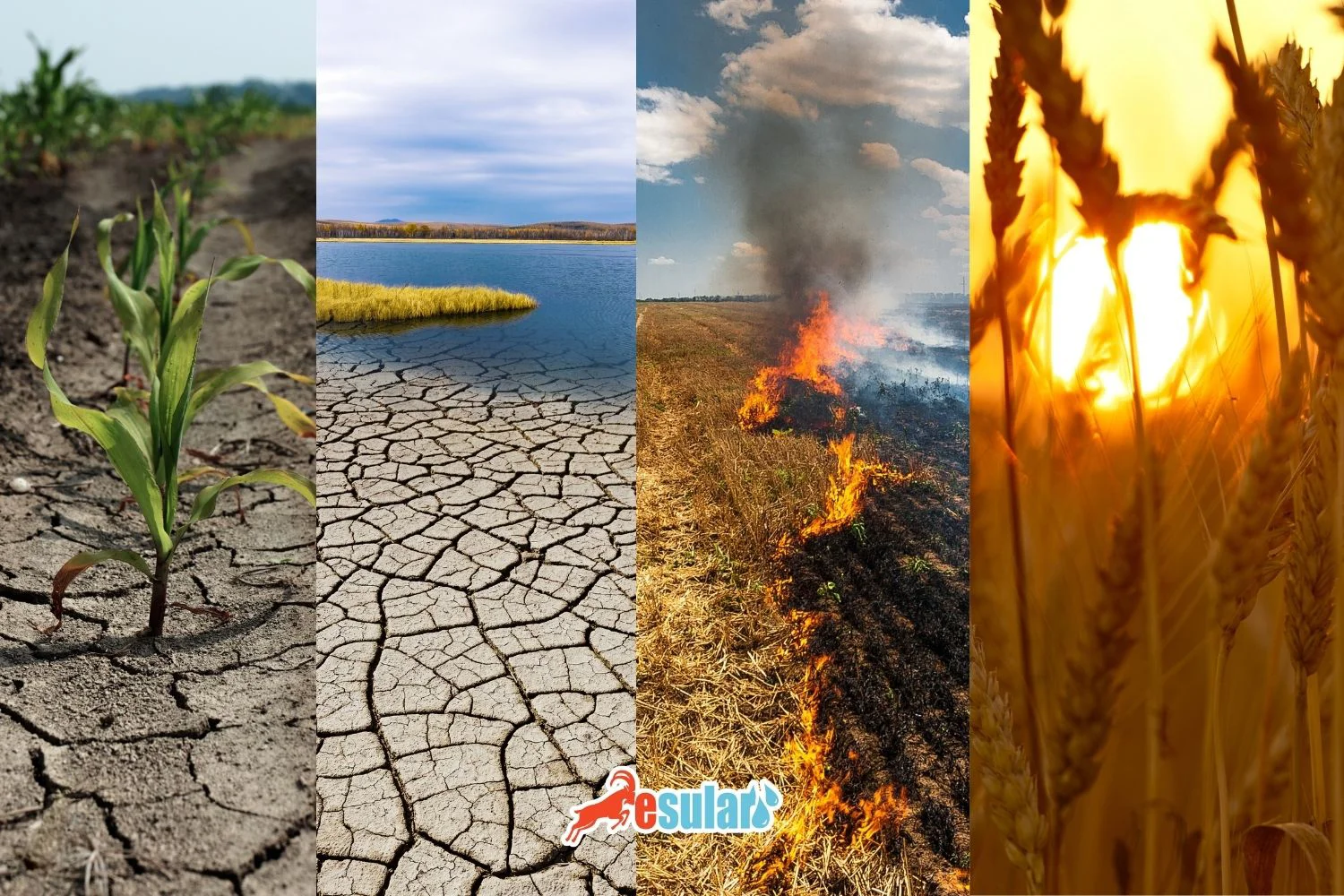
Climate change has a major impact on agricultural production. Rising temperatures, changing precipitation patterns, and extreme weather events increase risks in agriculture. Therefore, new agricultural strategies are being developed to adapt to climate change. Climate-resilient seeds, water management techniques, and agroecological practices help farmers reduce the negative effects of climate change. Additionally, agricultural practices that reduce the carbon footprint both increase environmental sustainability and support farmers in combating climate change.
Agriculture and Food Security
Agriculture and food security stand out as an important part of global agricultural trends. The rapid increase in the world population makes food demand and security critical. While food security means ensuring access to sufficient and nutritious food, agricultural innovations play a key role in achieving this goal. New agricultural technologies and practices ensure the sustainability of food supply by reducing product losses and increasing efficiency. Additionally, practices such as urban agriculture and vertical farming that support local food production have the potential to increase food security. You can access our vertical farming article via the link. https://esular.com/dikey-tarim-sistemleri
Use of Renewable Energy in Agriculture
The use of renewable energy is of great importance in terms of the sustainability of agricultural activities and the reduction of energy costs. Renewable energy sources such as solar panels, wind turbines, and biogas plants offer effective solutions for meeting the energy needs of farms. Especially solar energy is widely used for operating irrigation systems and meeting the energy needs of agricultural equipment. These energy sources also minimize negative impacts on the environment by reducing the carbon footprint. To get more detailed information on this subject; you can examine our article https://esular.com/tarimda-gunes-enerjisi-kullanimi.
Smart Water Management
Smart water management includes technologies that optimize agricultural irrigation processes and ensure the efficient use of water resources. These systems make it possible to apply water precisely according to plant needs, providing both water savings and increasing plant health and productivity. Smart water management continuously monitors soil moisture levels, weather conditions, and plant requirements using sensors, automatic control systems, and data analysis technologies, and regulates irrigation operations accordingly.
As Esular, our advanced smart irrigation and fertilization automation systems offered in this field aim to use water more efficiently in agricultural production and increase product quality. Our systems can be easily monitored and managed via a mobile application, providing real-time data to farmers and enabling them to optimize water and fertilizer use. Additionally, thanks to our integrated sensors, soil moisture status, weather conditions, and plant needs are continuously monitored, ensuring that irrigation and fertilization operations are carried out at the most appropriate times. This technology both supports environmental sustainability and provides cost savings to farmers while increasing production efficiency.

Yorumlar