Carob (Harnup) Cultivation

24 Ocak 2026 Çağla Altıntaş 0 görüntülenme
Tüm Yazılar

Carob (Harnup) Cultivation

Carob (Harnup) cultivation is a highly valuable production type preferred in regions where the Mediterranean climate prevails. Carob, whose Latin name is Ceratonia siliqua, is known as a very valuable product in both local and international markets thanks to its rich nutritional values and wide range of uses. This plant, also known as harnup and honey horn in Turkey, stands out especially with its drought resistance, low maintenance requirements, and commercial value. In this article, you will find comprehensive information from the climate and soil requirements of carob to its maintenance and the benefits it provides.

Suitable Climate and Soil Conditions for Carob

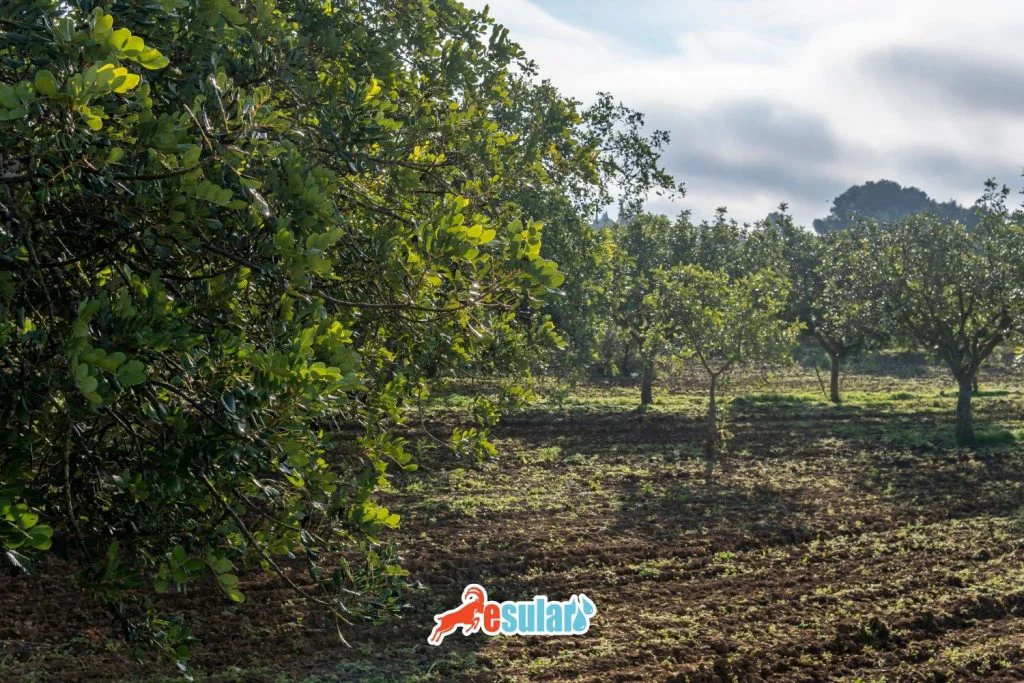
Carob, known among the public as Harnup, grows successfully in regions with a Mediterranean climate where summers are hot and dry and winters are mild. Especially regions where the average annual temperature rarely falls below 20°C and frost events are rare are very suitable for carob cultivation. In terms of soil structure, carob develops best in light-textured, well-drained, calcareous, and alkaline soils. Soils with a pH level between 7-8.5 are suitable for carob cultivation. Additionally, carob is quite tolerant of calcareous, sandy, chalky, and salty soils. However, heavy, clayey soils with high water-holding capacity are not suitable for carob cultivation. These types of soils can lead to root rot as a result of the roots becoming saturated with water. Therefore, deep, loose, and well-drained soils should be preferred in carob cultivation.

keciboynuzu-yetistiriciligi

Carob Sapling Planting

The type of sapling is important for determining the carob sapling planting time. If the saplings have an open-root structure, planting should be done in the spring and autumn months, which coincide with the dormant period of the trees. This period allows the sapling roots to adapt better to the soil. If container-grown saplings are to be used, planting can be done at any time of the year. Before starting to plant the saplings, the soil is plowed deeply to clear it of weeds. In the cleared area, the distance between saplings is adjusted; this distance is generally preferred as 6m between rows and 6m on the row. Then, the saplings are placed into the gaps opened appropriately for the roots and compacted. After all these processes, life water is given to the planted saplings. Regular irrigation of the saplings, especially in the first years, is very important for healthy growth.

Irrigation in Carob Cultivation

Although the irrigation needs of the saplings vary depending on the growing conditions and the climate of the region, in general, carob saplings are plants that do not need much water and are resistant to drought. Therefore, irrigation every 20-30 days will be sufficient. Since excessive irrigation can cause root rot, it is necessary to adjust the irrigation amount carefully.

harnup-yetistiriciligi

Carob Harvest

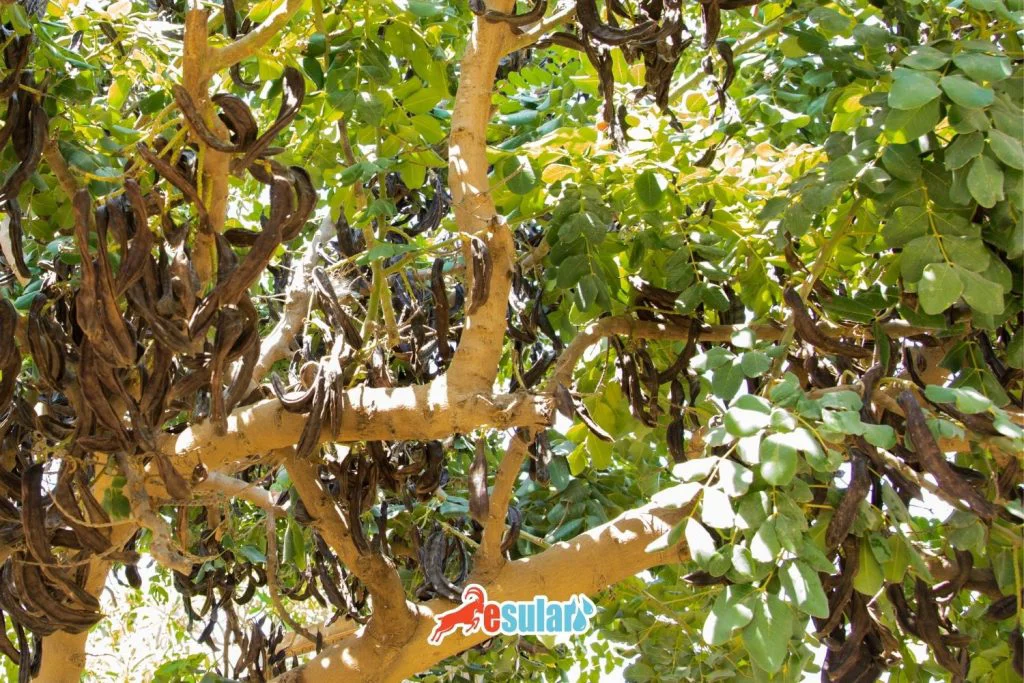
Carob trees generally give their first fruit between the ages of 5-10. Fruits usually ripen in August and September. Ripened fruits can be distinguished by their color turning from green to dark brown and by their easy detachment from the branch. After the ripened fruits are carefully collected, they can be consumed directly or various products such as flour, molasses, and syrup can be obtained through various processes. The yield per tree is between 200-800 kg on average, depending on environmental conditions. To obtain a high-quality product, it is very important to harvest the fruits at the time they are fully ripe and to store them under appropriate storage conditions.

Usage Areas of Carob

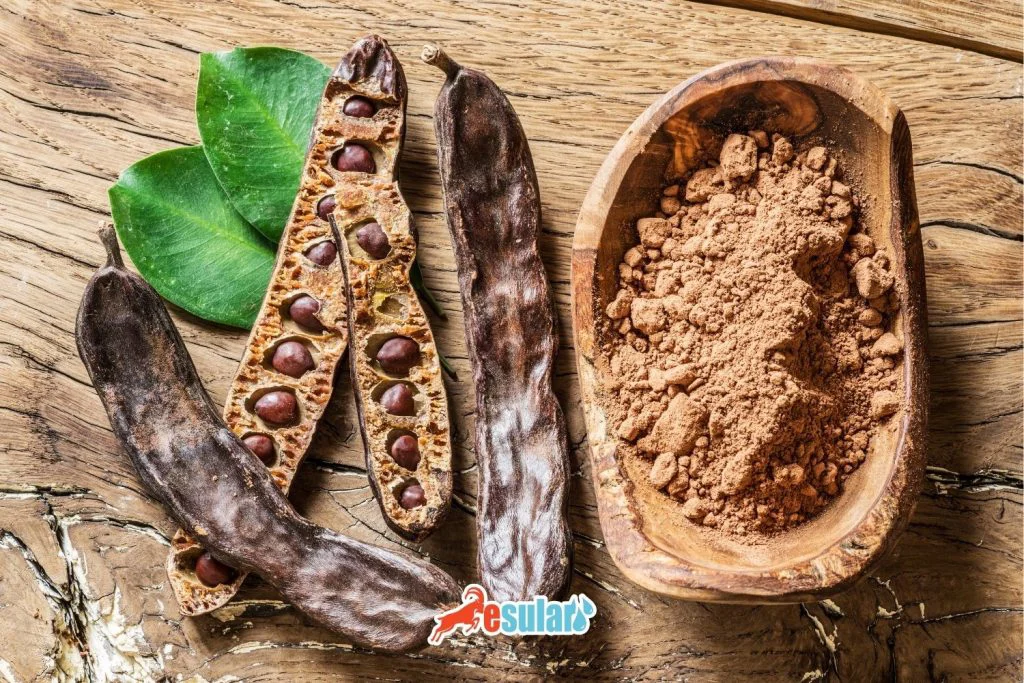
Carob has a wide range of uses thanks to its rich nutritional content and various health benefits. Some of these are as follows;

  • Used as a sweetener in foods such as ice cream, yogurt, and cheese.
  • Used in the production of molasses and marmalade.
  • Its seeds are ground and consumed as decaffeinated coffee.
  • Its tea is made by brewing.
  • The dried fruit is ground into flour and consumed as a supplement.
  • Used in the animal husbandry industry for feed production.
  • Used in pharmaceutical production and many other fields.
keciboynuzu-yetistirme

Benefits of Carob

Carob is a valuable fruit that offers many health benefits. Some of these benefits are as follows:

  • Helps lower bad cholesterol (LDL) levels thanks to the fibers and polyphenols it contains.

  • Prevents constipation with its high fiber content and plays a protective role against stomach ulcers.

  • Carob supports bone and dental health by being rich in minerals such as calcium and phosphorus. It is especially beneficial for children in the growth stage.

  • The low glycemic index of carob helps balance blood sugar.

  • Carob is known for its expectorant and cough-relieving properties. It offers natural support in respiratory diseases such as asthma and bronchitis.

  • High energy content increases general vitality.

  • Protects the body from the damage of free radicals thanks to the antioxidants it contains.

  • Its antioxidant property can contribute to the protection and better functioning of the kidneys.

  • Antimicrobial properties provide protection against microbial infections. It becomes supportive especially in the treatment of infection-sourced ailments such as diarrhea.


Yorumlar

Daha Fazla İçerik İster misiniz?

Akıllı tarım hakkında en güncel içerikleri takip edin.