
Digital Water Management Guide with Automatic Water Meter Reading Systems (OSOS)
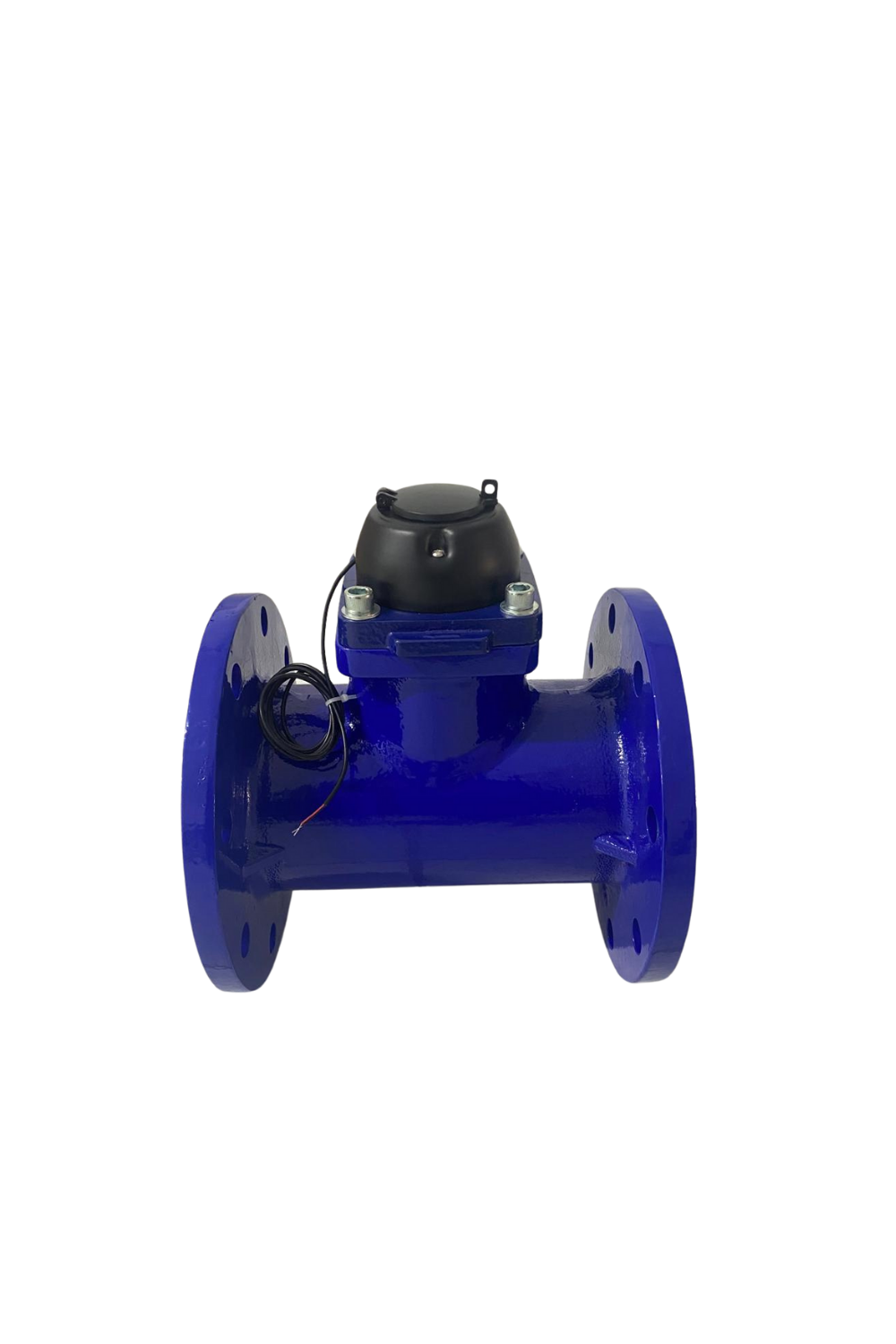
Efficient management of water resources is of critical importance today, both economically and environmentally. The transition from traditional manual reading methods to digital systems is creating revolutionary changes in water management. As Esular, we are at the forefront of this transformation with our domestic production automatic water meter reading systems.
What is OSOS (Automatic Meter Reading System)?
OSOS (Automatic Meter Reading System) is the technological infrastructure that enables the remote reading of water meters without the need for manual intervention. This system is based on the principle of automatically collecting meter data using wireless communication technologies, transferring it to a central system, and analyzing it.
Basic Components of OSOS:
- Smart Meters: Meters with electronic or ultrasonic technology and data transmission capacity
- Communication Modules: Wireless technologies such as LoRa, GSM, WiFi, NB-IoT
- Data Collection Units: Central stations that collect field data
- Central Software: Management platform where data is processed and reported
- User Interfaces: Web panel, mobile applications, API integrations
Working Principle of OSOS
Automatic meter reading systems basically operate in three stages:
- Data Collection: Meters record consumption data at specific intervals (hourly, daily)
- Data Transmission: Collected data is sent to the central system via wireless communication methods
- Data Processing: The central system analyzes the data to produce reports, alarms, and billing information
How are Mechanical Water Meters Read?
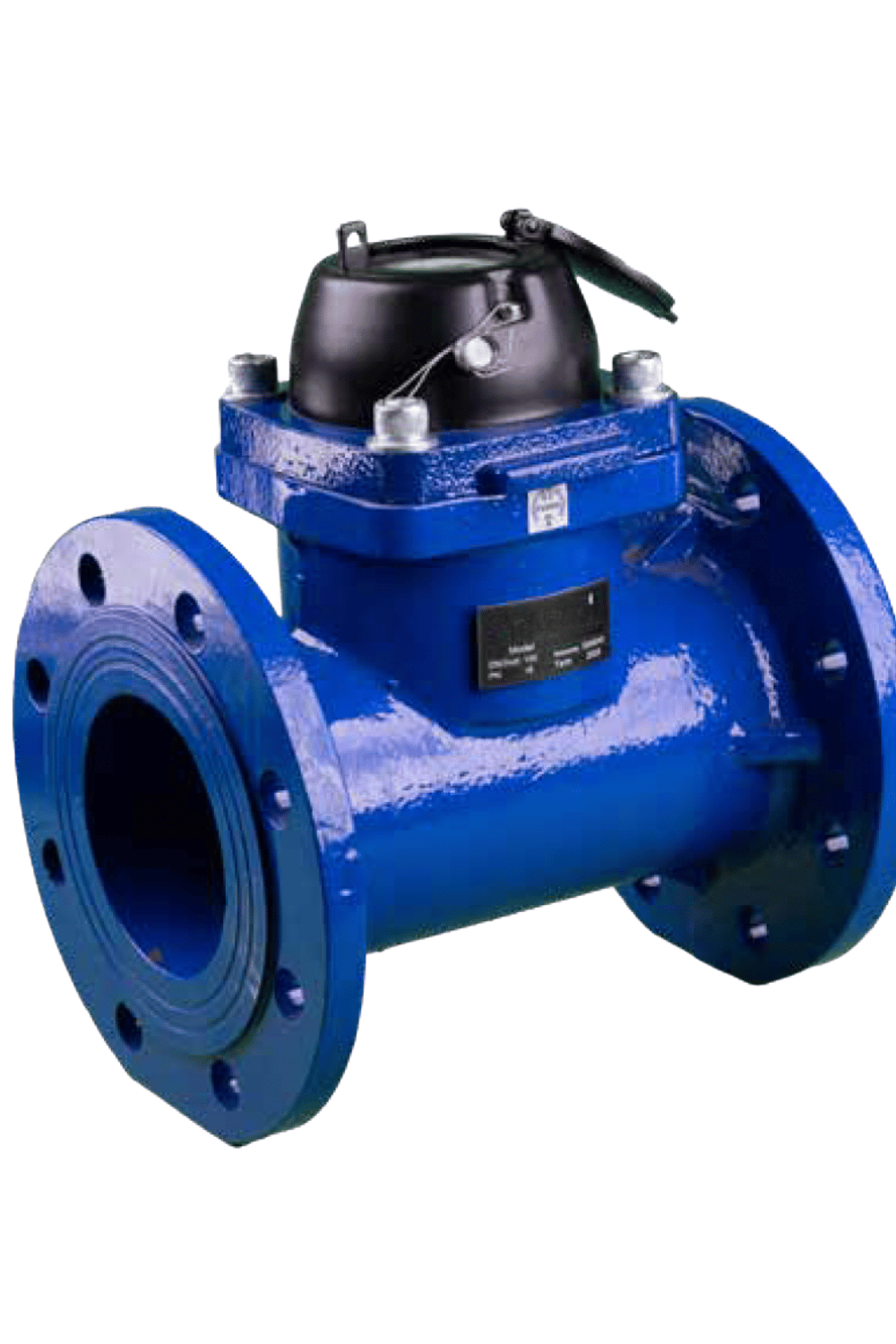
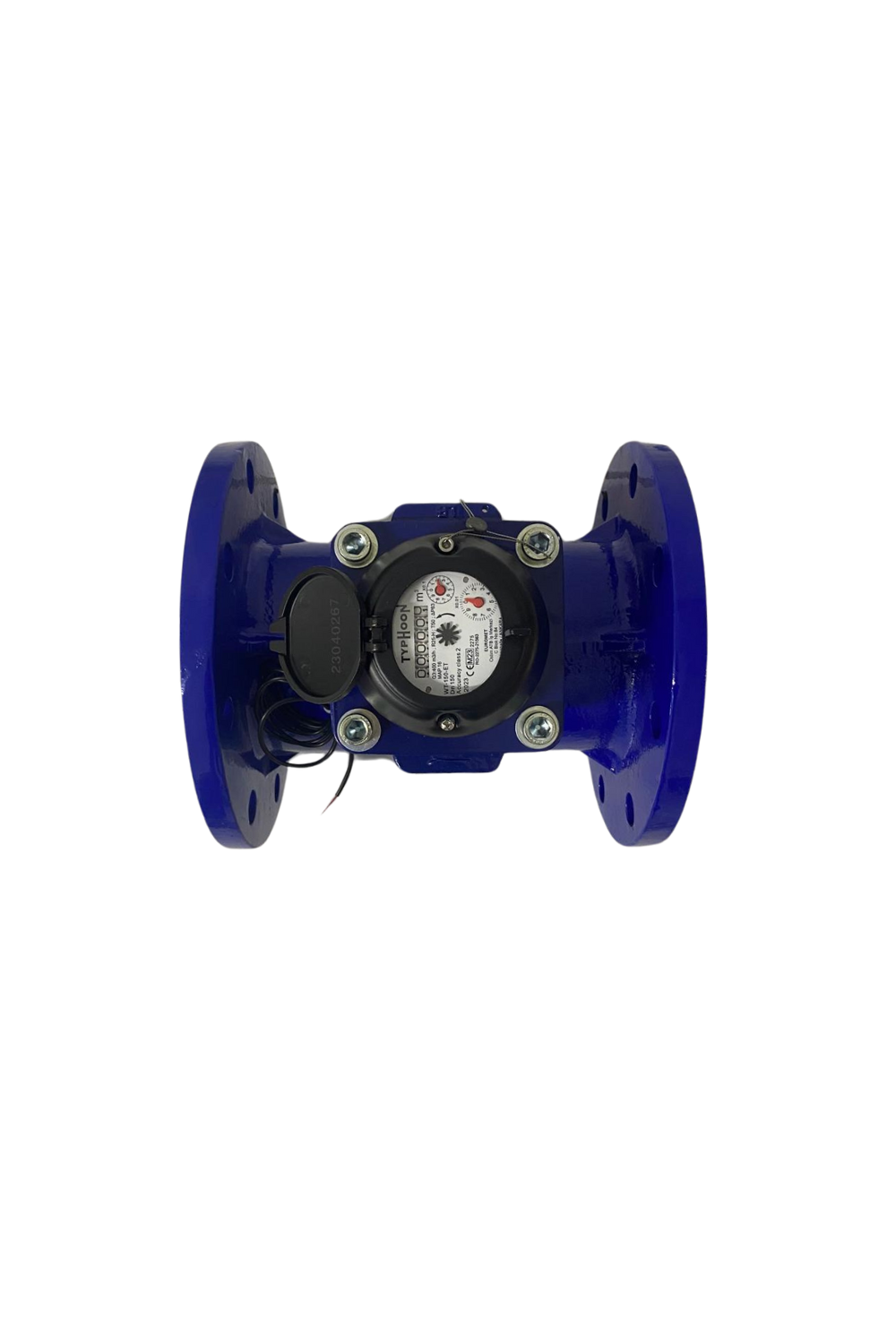
Mechanical water meters are traditional devices that measure water flow with a mechanical turbine or piston mechanism. There are different methods for reading these meters:
1. Manual Reading Method
In the traditional method, reading personnel visit each subscriber and note the numbers on the meter. On the meter dial, usually:
- Black numbers: Show the main consumption in cubic meters (m³)
- Red numbers: Show decimal consumption in liters
- Rotating dials: Provide precision measurement starting from 0.0001 m³
Manual Reading Problems:
- High labor cost (visiting thousands of subscribers every month)
- Reading errors (5-10% error rate)
- Access difficulty (closed meters, houses with dogs, locked doors)
- Time loss (one staff member can read max 100-150 meters per day)
- Billing delays
2. Automatic Reading of Pulse-Output Mechanical Meters
Modern mechanical meters are equipped with a pulse output. It produces an electrical signal for every specific amount of water passing through (usually 1, 10, or 100 liters). Our Esular Smart-Pulse system collects these signals and converts them into digital data.
3. Optical Reading Systems
Some mechanical meters can be read with optical sensors placed on the dial. Meter values are transferred to the digital environment using camera or OCR technology.
Esular Smart-Pulse Counter Reading System
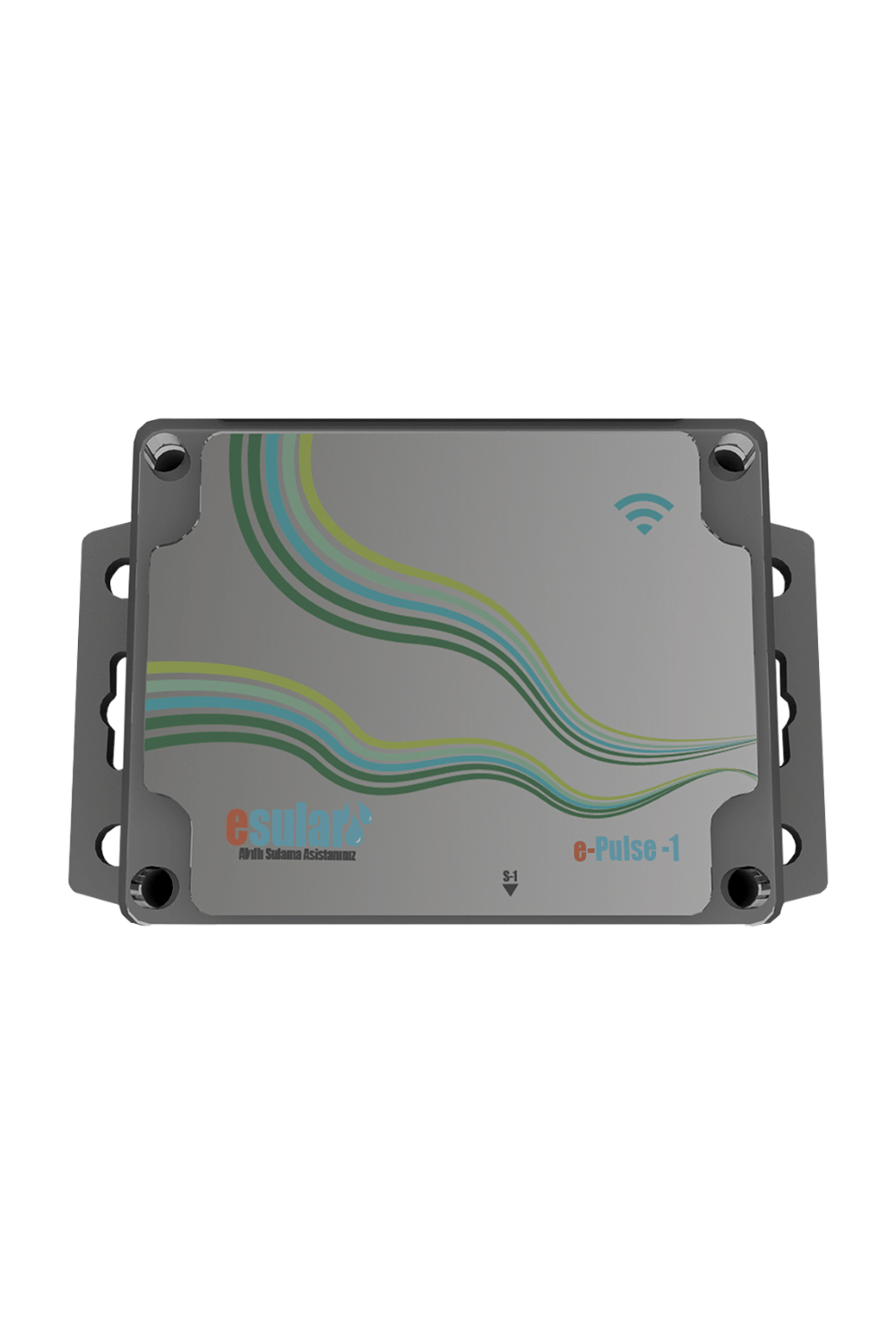
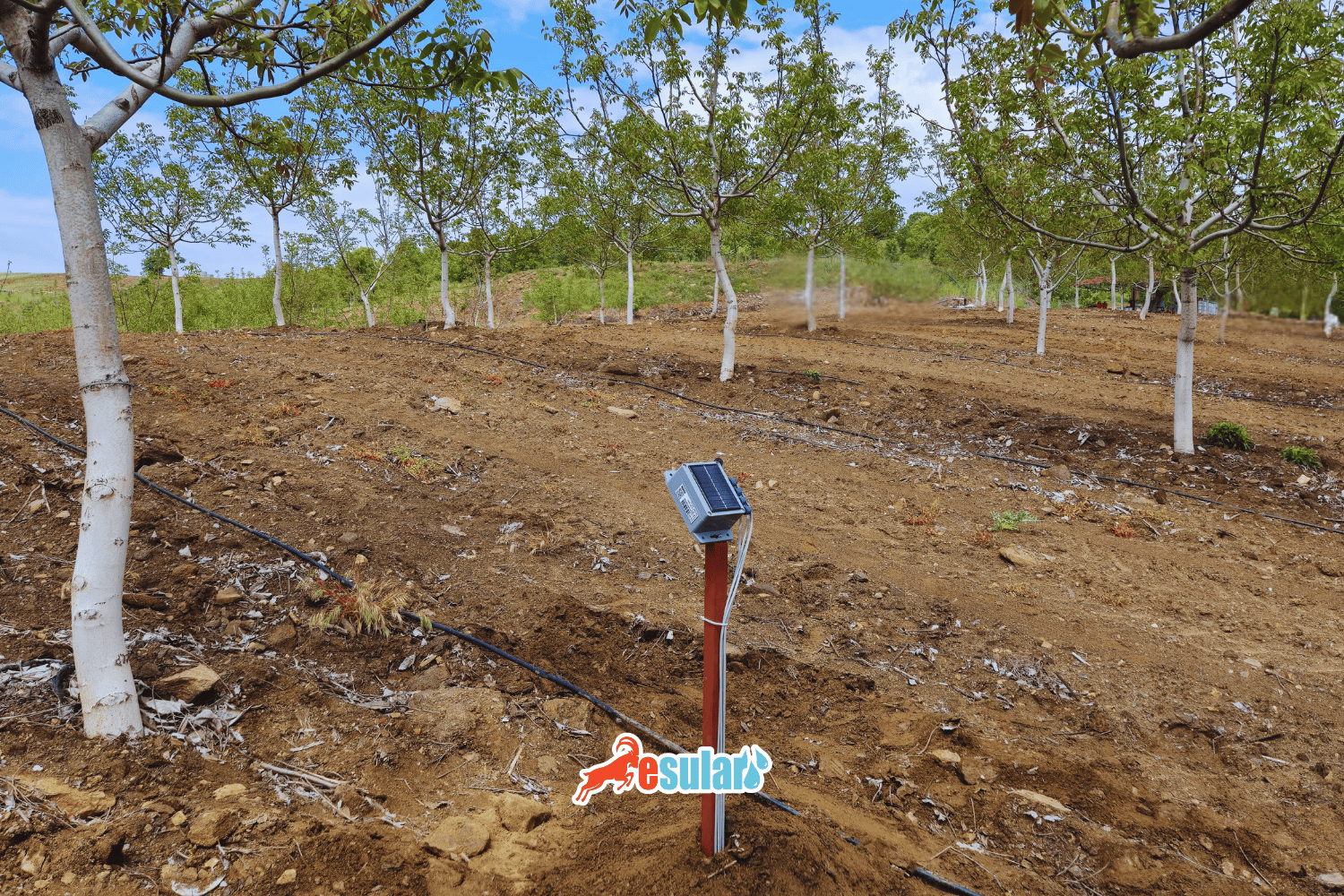
Our Smart-Pulse counter system includes your existing mechanical or electronic meters into the OSOS infrastructure. Our Wireless Battery-Powered Meter Flow and Consumption Sensor is compatible with all meters with pulse output.
Advantages of the Smart-Pulse System:
- Protecting Existing Infrastructure: No need to change your meters
- Energy Independence: 10 years of continuous operation with built-in solar panel
- Multiple Communication: LoRa, WiFi, GSM, Bluetooth options
- Instant Alarm: Automatic warning in case of leakage, reverse flow, or limit exceedance
- Precise Measurement: Sensitivity starting from 1 liter per pulse
- Data Security: 6-month local memory, encrypted communication
OSOS Communication Technologies and Protocols
LoRa and LoRaWAN Technology
LoRa (Long Range) is a radio frequency technology that provides long-distance communication with low power consumption. Reasons for common use in OSOS systems:
- Range: 2-5 km in the city, up to 15 km in open areas
- Low Power: 10 years of operation with one battery
- Penetration: Ability to pass through concrete walls and underground
- Cost: License-free frequency band (868 MHz)
- Capacity: Connection up to 10,000 devices with one gateway
GSM/GPRS and NB-IoT
These technologies, using mobile network infrastructure, offer wide coverage:
- GSM/GPRS: Data transmission over 2G/3G networks
- NB-IoT: Low-bandwidth communication optimized for IoT devices
- Advantages: Coverage everywhere, secure communication, cloud integration
- Disadvantages: Monthly line fee, high power consumption
Modbus Protocol
Modbus and Modbus RTU are communication protocols that have become standards in industrial automation systems. They are of critical importance for integration with SCADA systems:
- Modbus RTU: Data transfer over RS-485 serial communication
- Modbus TCP: IP-based communication over Ethernet
- Register Structure: Data such as consumption, flow rate, and pressure are stored in different registers
- Integration: Direct communication with PLC, SCADA, and BMS systems
E Series Wireless OSOS Collector Stations
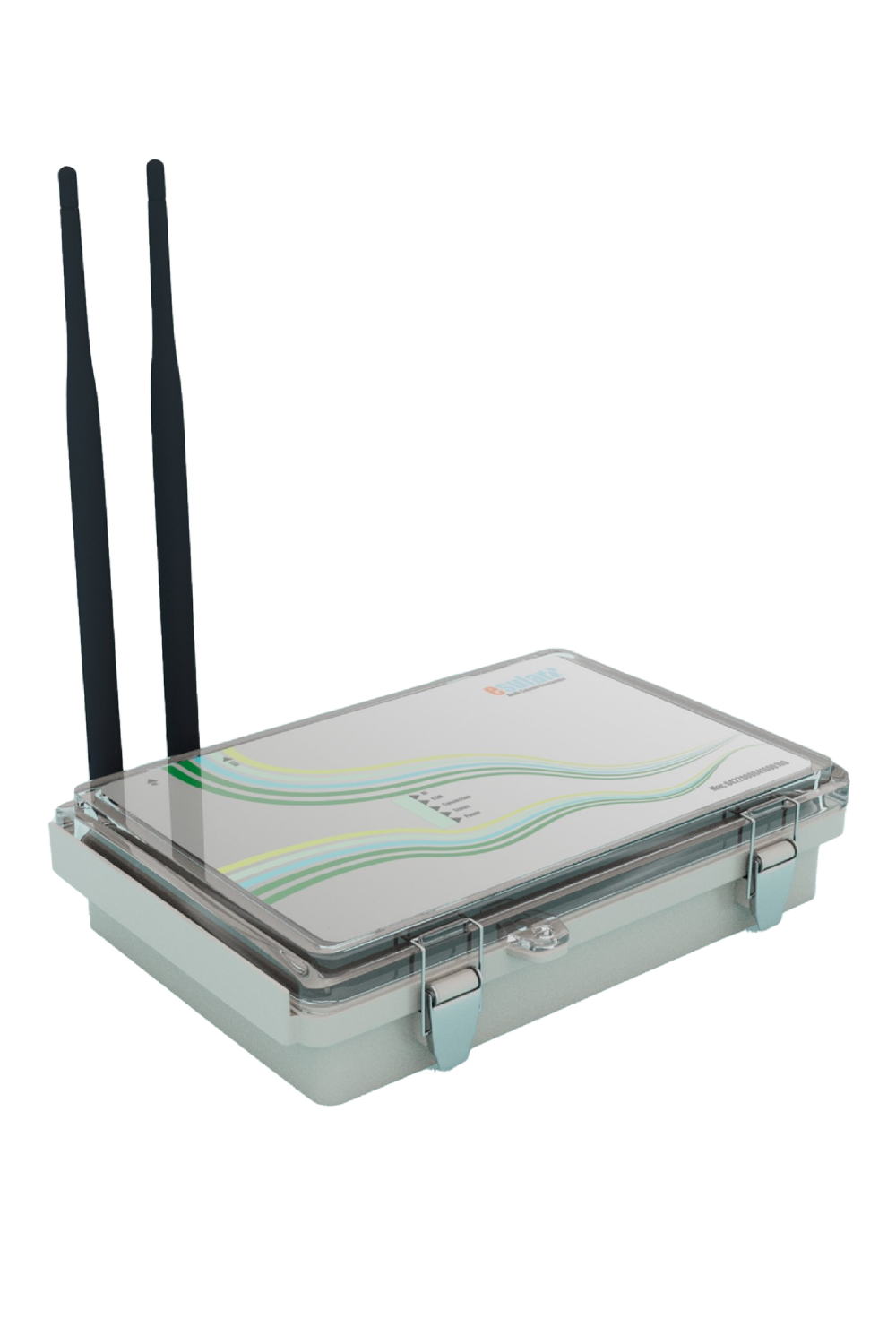
Our E Series Wireless Smart Central Stations are at the heart of the OSOS infrastructure. They collect, process, and transmit all meter and sensor data scattered across the field to the center.
E Series stations are easily expandable with the feature of adding new devices within 5 minutes. Thanks to Plug & Play technology, installation can be done without technical knowledge.
Ultrasonic Water Meters and OSOS Integration
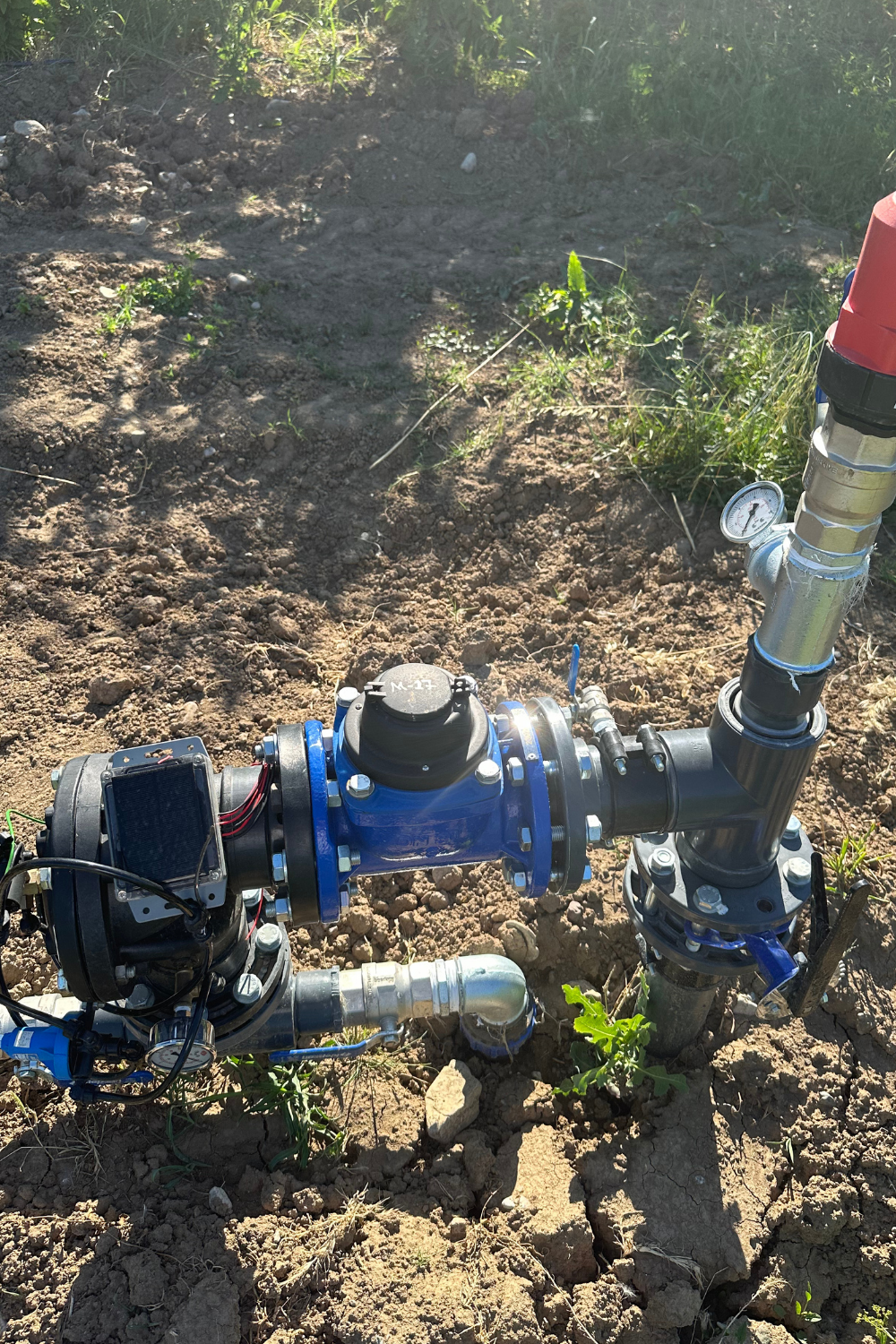
Ultrasonic water meters are high-tech devices that measure water flow using sound waves. Unlike mechanical meters, they contain no moving parts, which ensures long life and precise measurement.
Ultrasonic Measurement Principle
Ultrasonic meters measure the travel time of sound waves sent between two sensors inside the pipe:
- In flow direction: The sound wave moves with the water (fast)
- Against flow: The sound wave moves against the water (slow)
- Time difference: The difference between the two measurements gives the water velocity
- Flow calculation: Velocity x Pipe cross-sectional area = Flow rate
Esular Ultrasonic Meter OSOS Features:
- MID Certification: Compliant with the European measuring instruments directive
- Not measuring air: Detects only water passage, ignores air bubbles
- Low starting flow: Measurement from 2 lt/hour
- Bidirectional measurement: Records forward and reverse flow separately
- Integrated communication: LoRa, GSM, Modbus, Pulse, 4-20mA outputs
- Battery life: 10 years (integrated lithium battery)
- IP68 protection: Can operate under water
OSOS Software and Data Management Platform
The heart of OSOS is the software platform that transforms collected data into meaningful information. Our Esular OSOS software offers access from anywhere with its cloud-based architecture:
Software Modules and Features
📊 Real-Time Monitoring
- Instant consumption tracking
- Flow and pressure graphs
- Geographic map view
- Device status monitor
📈 Analysis and Reporting
- Consumption trends
- Loss-leakage analysis
- Regional comparisons
- Billing reports
🚨 Alarm Management
- Leakage detection
- Reverse flow warning
- Limit exceedance notification
- Device failure alarm
💾 Data Security
- 256-bit encryption
- Automatic backup
- Role-based authorization
- Audit logs
API Integration and Third-Party Software
Esular OSOS platform can work integrated with your existing systems with RESTful API support:
- ERP Integration: SAP, Oracle, Microsoft Dynamics
- Billing Systems: Automatic invoice generation
- SCADA Systems: Modbus, OPC UA protocols
- GIS Platforms: Geographic information systems integration
- Mobil Applications: iOS and Android native applications
F Series OSOS Stations with GSM Technology
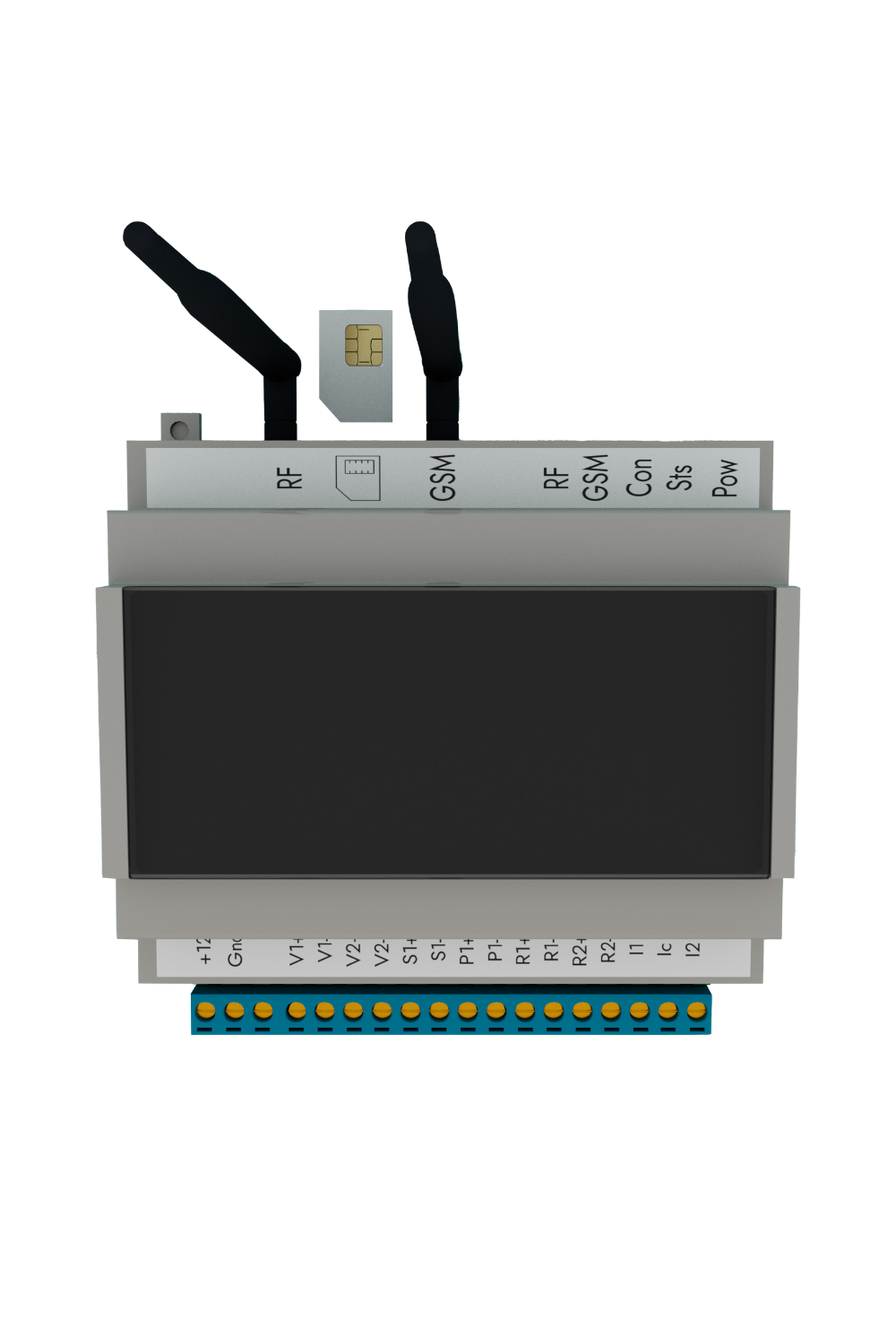
Our F Series GSM-enabled Stations provide OSOS installation over the mobile network in locations without internet infrastructure.
F Series GSM Station Models:
Common Features: 2G/3G/4G support, M2M SIM card, Cloud integration, SMS alarm, Remote update
OSOS Installation Process and Project Management
A successful OSOS project requires correct planning and professional installation. As Esular, we offer turnkey solutions:
1. Feasibility and Field Analysis
- Current situation assessment: Meter types, quantities, locations
- Communication infrastructure: GSM coverage, internet access, LoRa range test
- Geographic analysis: Land structure, distances, obstacles
- Cost analysis: Investment and operating costs, return period
2. System Design
- Network topology: Station locations, coverage areas
- Device selection: Meter types, communication modules
- Software configuration: User roles, reporting templates
- Backup plan: Data security, disaster recovery
3. Installation and Commissioning
Installation Stages and Durations:
- Central station installation: 1-2 days
- Mounting of meter modules: 50-100 units/day
- Communication tests: 2-3 days
- Software integration: 3-5 days
- System optimization: 1 week
- User training: 2-3 days
- Pilot operation: 1 month
Benefits of OSOS and Return on Investment
Transitioning to automatic meter reading systems provides significant benefits in the short and long term:
Economic Benefits
- Labor savings: Elimination of the need for manual reading personnel
- Fuel savings: Reduction in field visits
- Loss-leakage reduction: Decrease from 15-20% to 3-5%
- Collection increase: 10-15% increase with accurate billing
- Maintenance optimization: Reduction in failure costs with proactive maintenance
Operational Benefits
- Real-time data: Instant consumption and status information
- Fast response: Immediate reaction to leaks and failures
- Accurate planning: Capacity planning according to consumption trends
- Customer satisfaction: Transparent billing, self-service opportunities
Mechanical Water Meters and Modernization
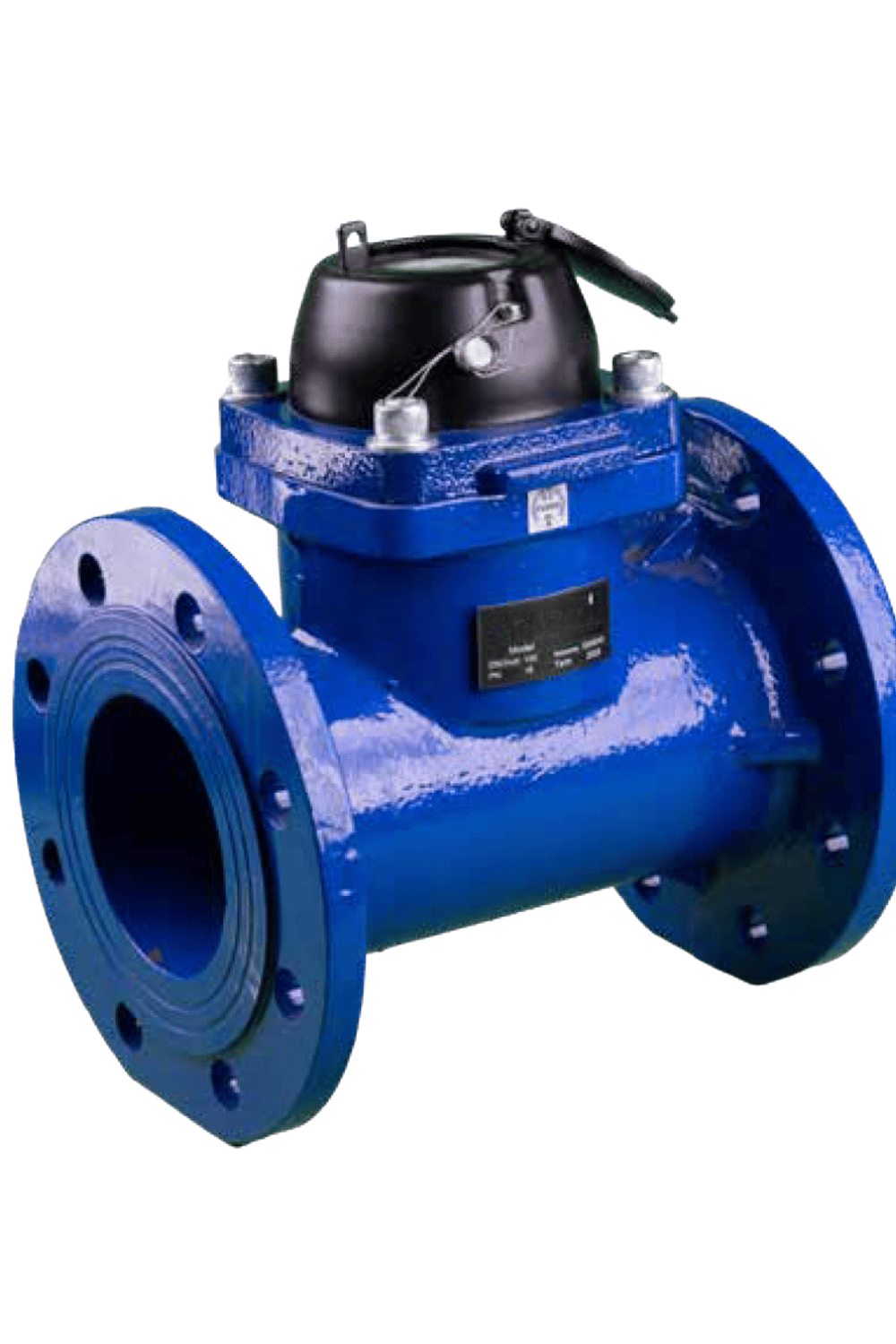
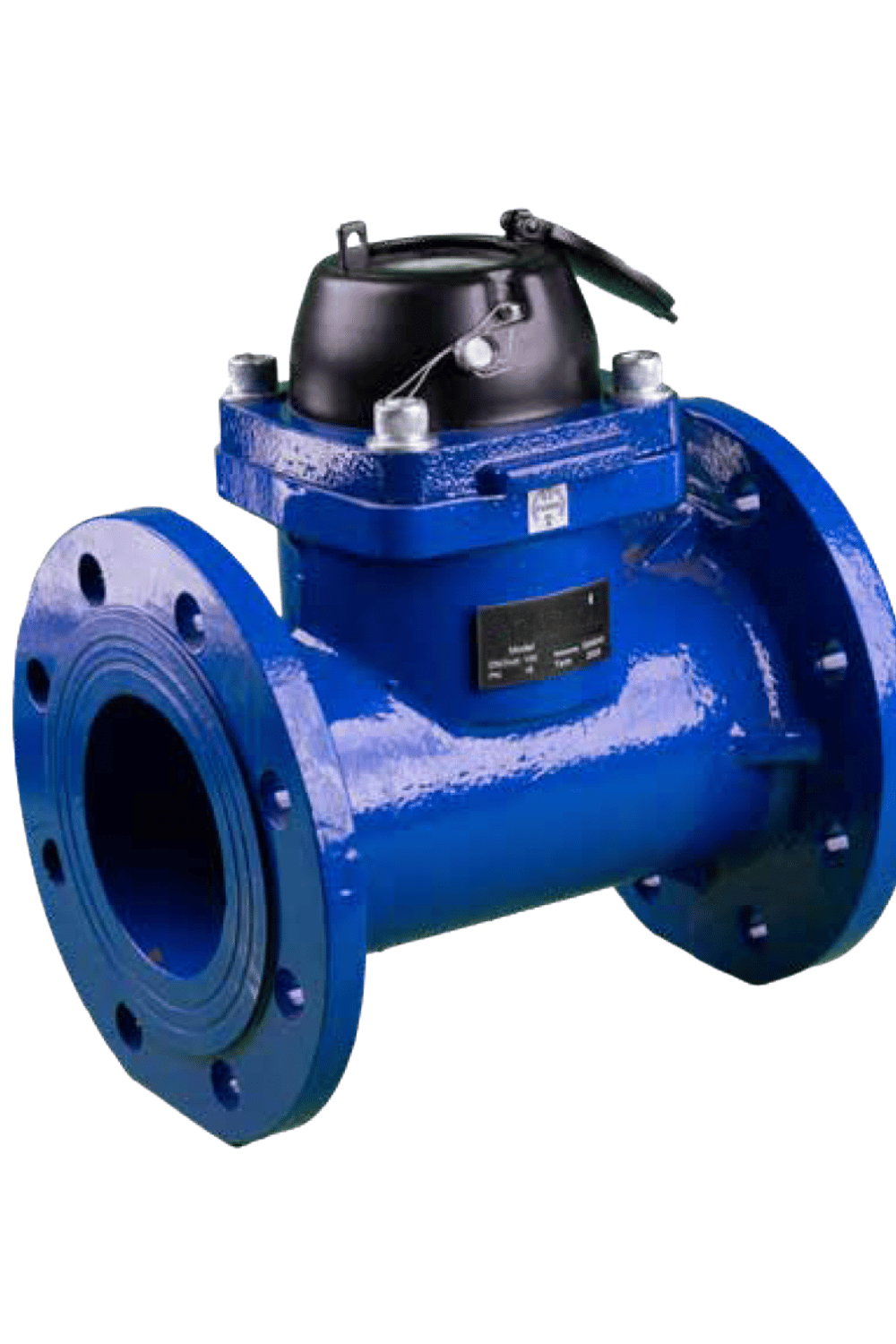
Our pulse-output mechanical water meters provide an OSOS-ready infrastructure while maintaining the traditional appearance. Diameter options from DN50 to DN300 are available.
Mechanical Meter Modernization Advantages:
- Low initial cost: 50% more economical than ultrasonic meters
- Easy maintenance: Structure that can be repaired on site
- Pulse output: Equipped with Reed relay or Hall effect sensor
- Reliability: 50 years of proven technology
- Smart-Pulse compatibility: Can be instantly included in OSOS
Future Technologies and OSOS
Water management technologies are developing rapidly. As Esular, we are integrating the technologies of the future today:
- Artificial Intelligence: Consumption forecasting, anomaly detection, leakage localization
- 5G and NB-IoT: Faster, more reliable communication
- Blockchain: Immutable data records, smart contracts
- Digital Twin: Simulation and optimization with virtual twin technology
- Edge Computing: Data processing in the field, low latency
Points to Consider in OSOS Selection
Choosing the right OSOS solution is critical for the success of your project. Our evaluation criteria:
OSOS Selection Criteria
📍 Coverage
All meters being within the coverage area
💰 Cost
Initial investment and operating costs
🔧 Flexibility
Supporting different meter types
📈 Scalability
Adapting to future growth
🔐 Security
Data security and privacy
🤝 Support
Technical support and training
💡 Free OSOS Consultancy
Our Esular experts analyze your needs and design a custom OSOS solution for you. By examining your existing infrastructure, we recommend the most suitable technology and product combination.
Our services:
- Free field discovery and feasibility
- Customized system design
- Return on investment analysis
- Demo product installation
- Training and documentation
Frequently Asked Questions
How long does OSOS installation take?
An average of 2-3 weeks for a system of 100 meters. 6-8 weeks for 1000 meters. Installation time varies according to field conditions and meter distribution.
Which meter types are compatible with OSOS?
All mechanical and electronic meters with pulse output, ultrasonic meters, and electromagnetic meters are compatible with our Smart-Pulse system. Old meters without pulse output must be replaced.
Should LoRa or GSM be preferred?
LoRa is recommended for dense residential areas and 1000+ meters, while GSM is recommended for scattered settlements and under 100 meters. Hybrid solutions are also possible.
How is OSOS maintenance performed?
Checking battery status and antenna connections 1-2 times a year is sufficient. Software updates are performed automatically and remotely.
How is data security ensured?
256-bit AES encryption, SSL certificate, secure cloud infrastructure, KVKK compliant data processing, and security protocols in accordance with ISO 27001 standards are applied.
Conclusion: Why Esular OSOS?
Digitalize Your Water Management
90%
Reading Cost Savings
95%
Billing Accuracy
7/24
Real-Time Monitoring
10 Years
Device Life
15 years of experience • 100+ successful projects • Domestic production • 2-year warranty
Esular – We work for a sustainable future with smart water management technologies. Manage your water resources efficiently, reduce your costs, and contribute to the environment with our OSOS systems.
Yorumlar