
Agricultural Meteorology Station
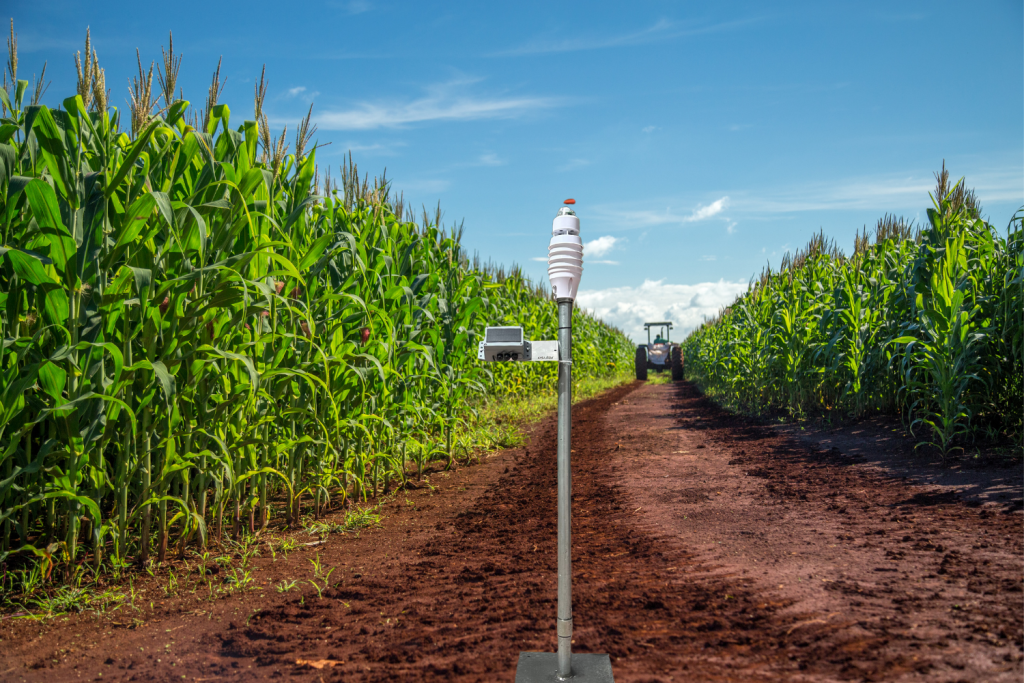
Agricultural climate stations are advanced technology systems at the center of today's smart farming approach, offering farmers data-based decision-making power. These stations precisely measure and record all meteorological parameters that directly affect plant development and yield by continuously monitoring the micro-climate conditions of agricultural lands. Instant tracking of factors such as temperature, humidity, precipitation amount, wind speed, and solar radiation ensures that strategic decisions are made at every stage of agricultural production, increasing efficiency and reducing risks.
Climate stations developed by the Esular agricultural technologies team offer farmers the opportunity to monitor the status of their agricultural lands without time and space constraints, thanks to remote access and cloud-based data analysis features. Thanks to the collected meteorological data, farmers can optimally plan planting and harvest times, precisely adjust water and fertilizer use, and take proactive measures against potential disease or pest risks. In this way, both a decrease in agricultural production costs and an increase in product quality and quantity are achieved.
What Data Do Agricultural Meteorology Stations Measure?
Agricultural meteorology stations provide producers with accurate and instant data by measuring basic environmental factors that directly affect agricultural production. The data collected thanks to the sensors in these stations are very important for both short-term decisions and long-term agricultural planning.
Here is the basic data measured through these stations:
Temperature
Humidity
Precipitation Amount
Wind Speed and Direction
Solar Radiation
Leaf Wetness (in some models)
How to Use Agricultural Meteorology Stations?
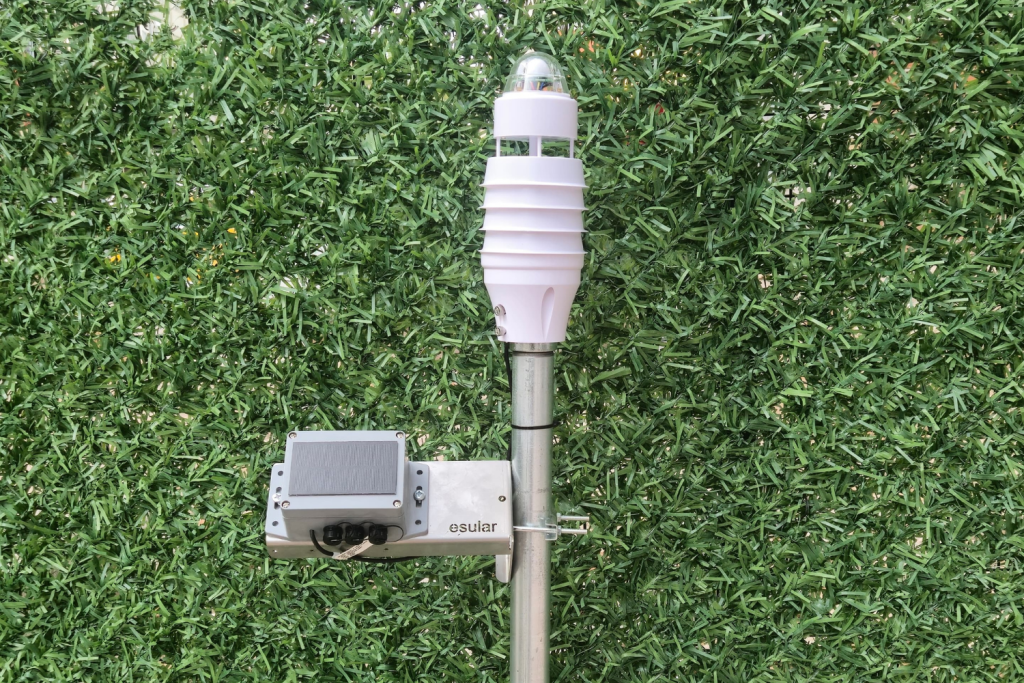
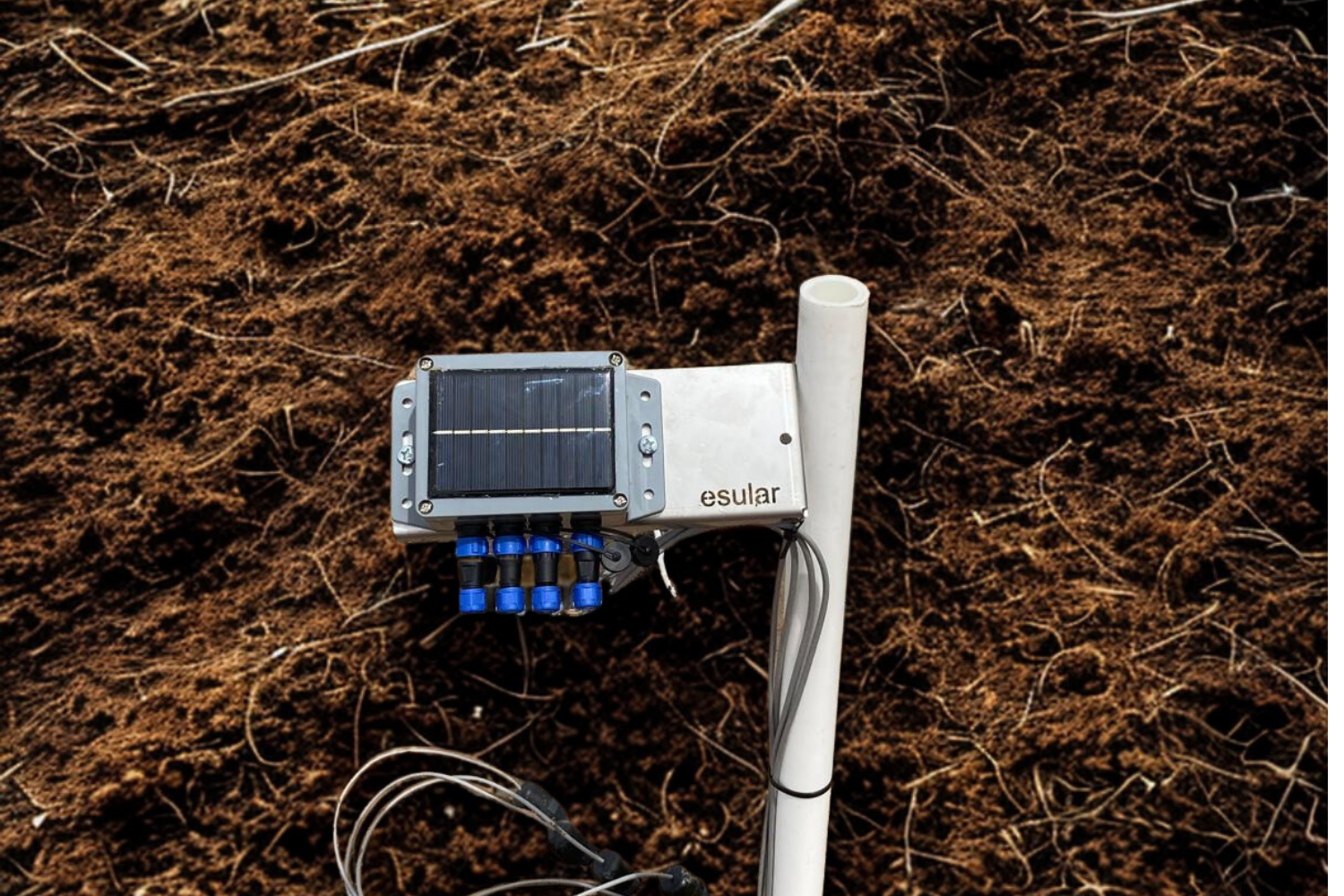
Esular Agricultural Meteorology Station is a system that works entirely on a plug-and-play principle and does not require installation. For the station to collect accurate and healthy data, it is important to position it in an open and flat area as much as possible, away from areas where air circulation is restricted such as hollows or narrow valleys, where it is not shaded, is well ventilated, and does not obstruct wind flow. After the installation is complete, the Esular support team contacts the user to register the user for the activation of the system and defines the sensors in the operation. Thus, the device starts collecting environmental data, and the user can easily access instant monitoring, data analysis, and automatic warning notifications via the mobile application. Thanks to the system that starts working quickly without dealing with complex settings, farmers can continuously monitor the climate conditions of their agricultural lands.
What Are the Advantages of Meteorology Stations?
- Precision Agriculture and Smart Irrigation Management:
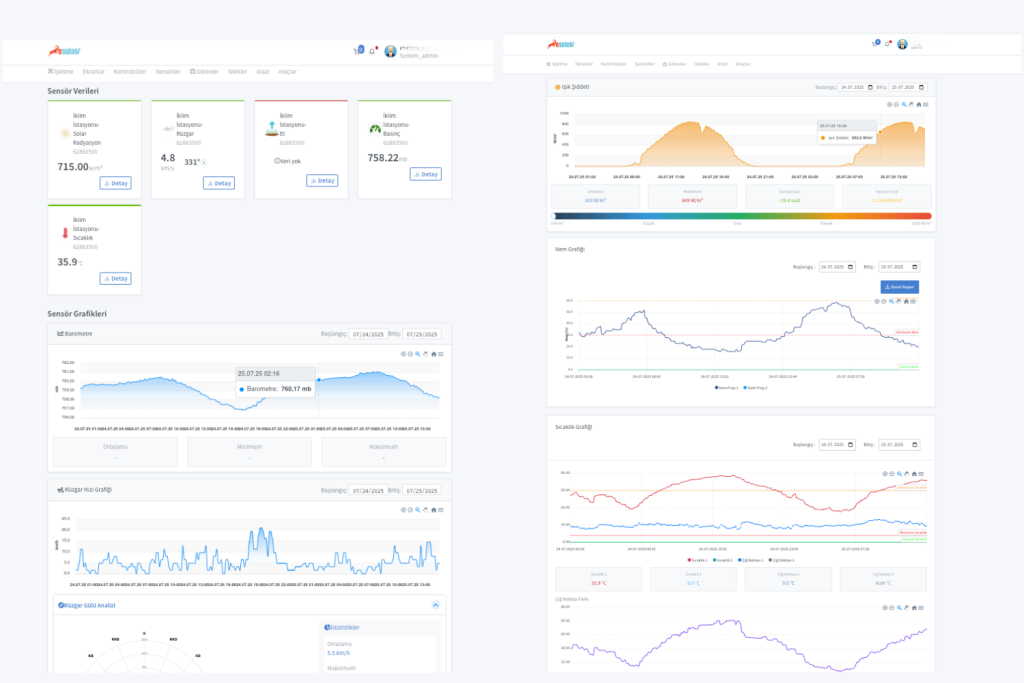
- Our climate stations measure factors such as temperature, humidity, precipitation amount, solar radiation, air pressure, wind speed, and direction 24/7, ensuring that water needs are precisely determined. By automatically calculating Daily Evapotranspiration (ETo) values, it determines the water needs for different plant species and optimizes your irrigation programs. In this way, while providing up to 30% water savings, you achieve yield increases by maintaining ideal humidity levels according to the development periods of the plant.
- Frost and Extreme Climate Conditions Early Warning System:
- Frost and extreme climate events, which are among the biggest risks in agricultural production, can lead to product losses and economic damage. Our climate stations continuously monitor temperature changes and create automatic warnings in case of frost risk or extreme temperature situations. In this way, farmers can secure their crops by taking protective measures in time. The system strengthens risk management by offering frost prediction models and temperature trend analysis specific to your local microclimate conditions.
- H疾病 and Pest Management Optimization:
- Factors such as humidity, temperature, and leaf wetness duration directly affect the development of plant diseases. Our climate station continuously monitors meteorological conditions critical for disease and pest development, feeds disease risk models, and optimizes spraying timing.
- Yield and Quality Optimization:
- Solar radiation (PAR), growing degree days (GDD), and humidity values directly affect plant development and product quality. Our climate station continuously measures these values, precisely tracks the development periods of plants, and provides data to farmers for planting, fertilization, irrigation, and harvest timing.
- Data-Based Agriculture and Digital Transformation:
- Reliable and instant data are of critical importance for decision-making in agricultural production. Climate stations collect meteorological data occurring in fields in real-time, transfer them to farm management systems, and support data-based decision-making processes. With the mobile application and web interface, you can access data from anywhere 24/7, perform analyses, and receive automatic notifications.
Thanks to Esular agricultural climate stations, you can make your modern agricultural practices data-driven and make your production processes more efficient, sustainable, and profitable!
Yorumlar