
Tüm Yazılar
Why is a Filter Important in Drip Irrigation?
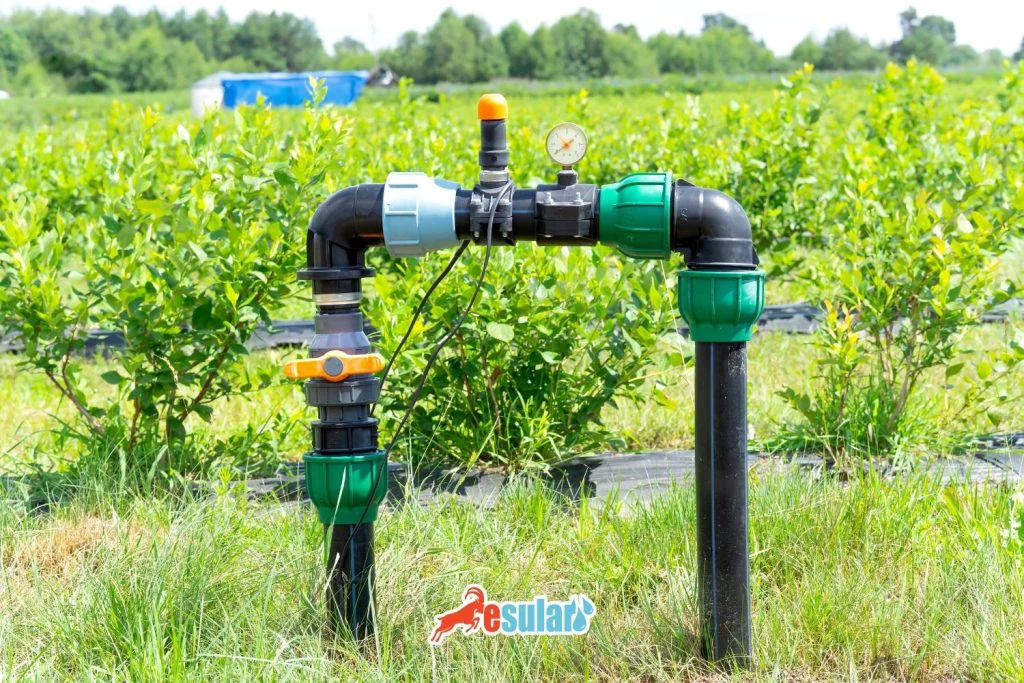
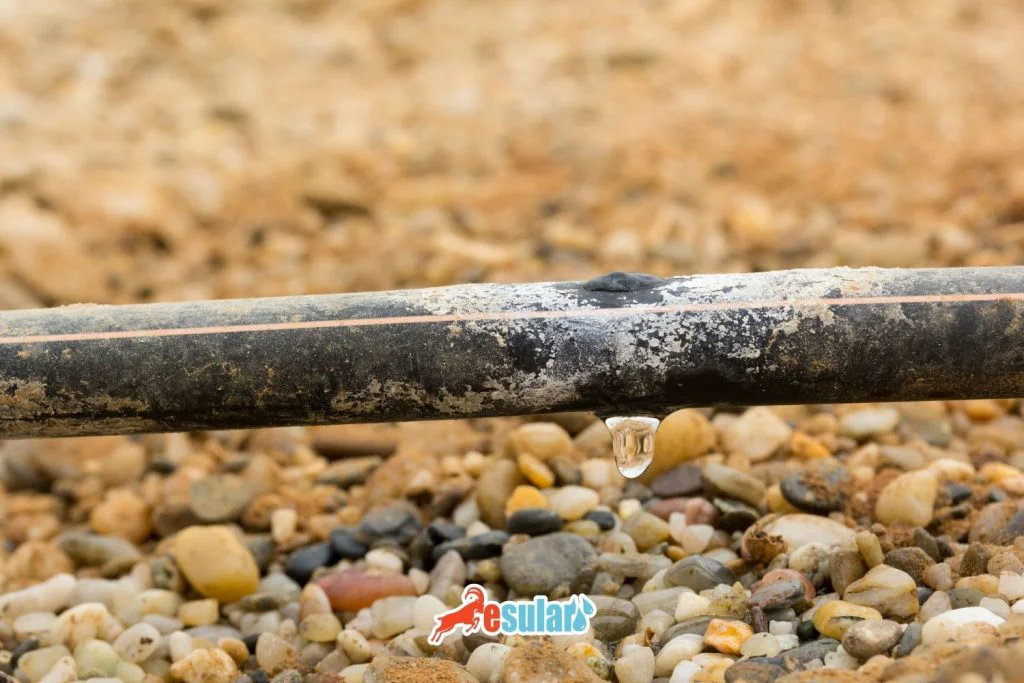
The filter is one of the most critical components that ensures the smooth operation and longevity of drip irrigation systems. Drip irrigation systems are one of the most effective methods of delivering water to plants efficiently and evenly. However, particles such as dirt, sand, silt, and organic matter in the water can lead to the clogging of pipes and emitters. Such cloggings reduce irrigation efficiency and prevent the even distribution of water and nutrients needed by the plants. Filters prevent the clogging of pipes and emitters by filtering out these unwanted substances in the water. Correct filter use both increases the efficiency of the system and reduces maintenance and repair costs. Thus, drip irrigation systems become longer-lasting and sustainable.
Additionally, you can contact us to manage your irrigation system remotely and make all these processes easier. We would be pleased to support you at every stage of your irrigation system with our expert team. https://esular.com/damla-sulama-otomasyonu
What Are the Types of Filters Used in Drip Irrigation?
The types of filters used in drip irrigation systems are of vital importance for cleaning the water and preventing system clogging. Here are the filter types commonly used in drip irrigation systems:
Disc Filters:
Disc filters are ideal for surface waters containing organic matter. These filters are formed by placing thin plastic discs on top of each other. The grooves on the surfaces of the discs ensure the cleaning of the water by catching the particles in the water. Disc filters provide high efficiency against all water types thanks to their 3D filtration body.Screen Filters:
Screen filters are filters that provide mechanical filtration of water. They generally consist of a perforated structure made of metal or plastic. Screen filters are frequently used in the filtration of groundwater and the protection of sprinkler systems. They are preferred as a primary filter for well water from multiple water sources or for single-year drip irrigation line applications.Gravel Filters:
Gravel filters are filters preferred for filtering living and non-living foreign objects (algae, clay, sediment, insects) by being used together with disc filters. These filters are especially effective when there is a high amount of organic matter in the water.Hydrocyclone Filters:
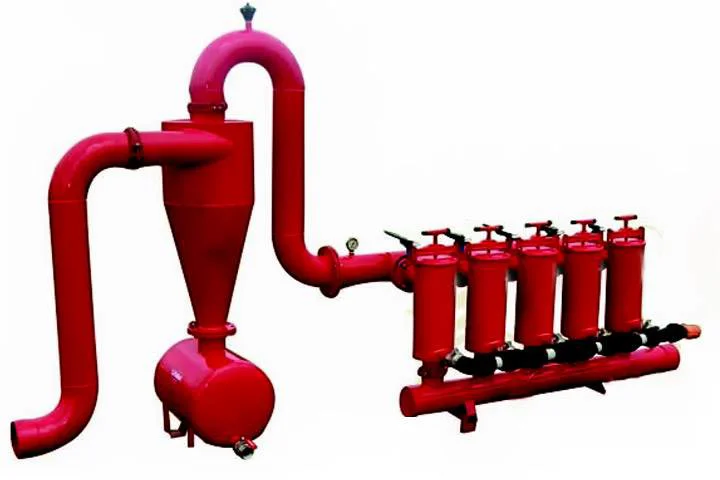
Hydrocyclone filters are filters that separate heavy particles such as sand in the water using centrifugal force. They are ideal for water with high sand content and ensure that the water undergoes pre-filtration before passing through a screen filter or gravel filter. These filters are commonly used, especially in water drawn from deep wells.
Correct filter selection in drip irrigation systems is critical to ensure efficient operation of the system and reduce maintenance costs. The pollution status of the water source plays an important role in determining the filter type and extends the life of the system. To take a look at our esular automatic filter cleaning system, you can check out this article.
What Should Be Considered When Choosing a Filter in Drip Irrigation Systems?
There are several important points to consider when choosing a filter in drip irrigation systems. Correct filter selection ensures efficient operation of the system while reducing maintenance and repair costs. Here are the main factors to consider when choosing a filter:
Pollution Status of the Water Source:
- The pollution level of the water source is the most important factor in the selection of the filter type. For very dirty water sources, stronger filtration systems are needed.
- For waters where particles such as sand, silt, and organic matter are dense, hydrocyclone filters and disc filters should be preferred.
Type of Water Source:
- It is important to use a hydrocyclone sand filter in water drawn from deep wells.
- For surface waters such as rivers, streams, lakes, and canals, gravel (algae) filters are more suitable.
Land and Water Capacity:
- The size of the land and the water capacity are also decisive in filter selection. In large lands and situations requiring high water capacity, larger and more powerful filters may be needed.
- Choosing a filter suitable for the water capacity is critical for the proper operation and longevity of the system.
Filter Type:
- When choosing between manual, semi-automatic, and automatic filters, the pollution level of the water source and the labor capacity in the field should be taken into account.
- If the water source is very dirty and labor costs are high, automatic filters should be preferred. Automatic filters have a self-cleaning feature and minimize labor.
- In lands with cleaner water sources and lower labor costs, manual or semi-automatic filters can be used.
Ease of Maintenance and Cleaning:
- Filters should be easy to clean and maintain. Disc and screen filters can be easily cleaned with a backwashing process.
- Regular cleaning of filters prevents system clogging and increases efficiency.
Pressure Adjustment:
- Inlet and outlet pressures of the filters should be checked regularly. When the difference between the inlet and outlet pressure is 0.5 bar or more, the filter should be cleaned.
- The outlet pressure value should be around 2.5 bar.
Durability and Material of the Filter:
- The material the filters are made of is also important. Filters made of durable materials such as polyethylene or polypropylene are long-lasting and easy to maintain.
Filter selection directly affects the efficiency and life of drip irrigation systems. Correct filter use both provides water savings and guarantees the even distribution of water and nutrients needed by the plants.
The Best Irrigation Solution for Your Field: Professional Drip Irrigation Systems from Us!
Yorumlar