
Tüm Yazılar
What is the Melon Fly?
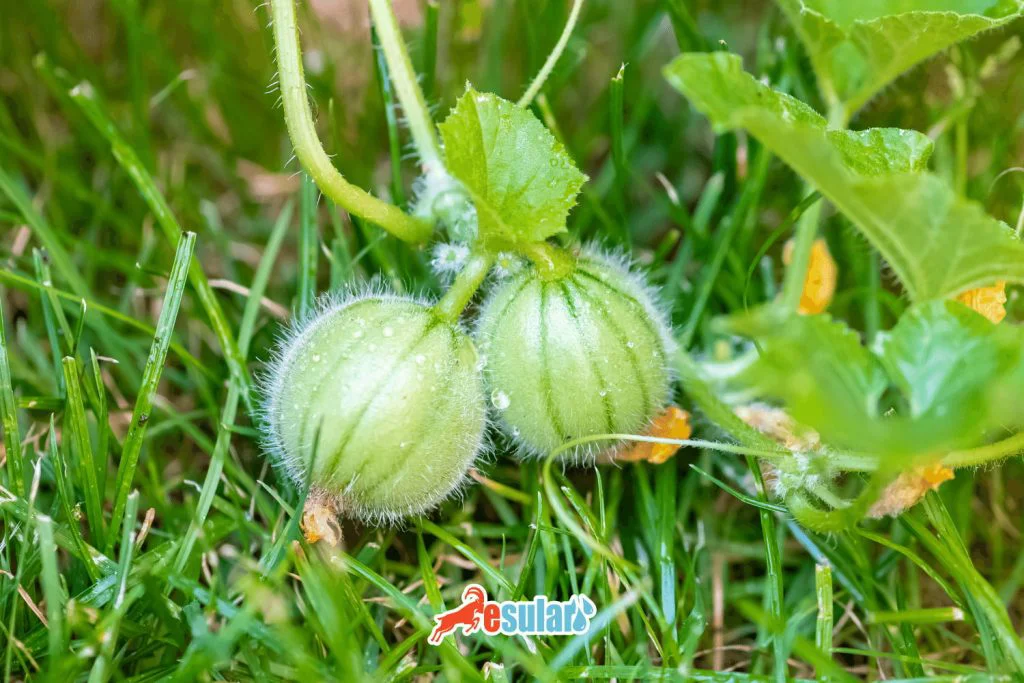
The melon fly (Myiopardalis pardalina) is a pest belonging to the order Diptera and the family Tephritidae. First described by Bigot in 1891, this insect species causes great damage especially to cucurbits such as melons. The larvae of the melon fly feed by entering the seed cavity of the fruit, and this feeding process causes serious damage to the fruit. During feeding inside the fruit, the melon fly pierces the tissues of the melon, which causes dark brown spots to form in the inner parts of the fruit and unpleasant odors to spread. This situation significantly reduces both the appearance and the consumption value of the melon. In addition to this damage to the fruit, the melon fly also causes the fruit to rot by leading to fungal infection through the exit holes it leaves while leaving the fruit. The melon fly is considered an important pest threatening the production of melons and other cucurbits in many countries worldwide and is being attempted to be controlled through various control methods.
Why Does the Melon Fly Occur?
The melon fly is a pest that emerges with the combination of various factors. These factors can affect the life cycle and population of the melon fly, leading to serious damage in fruit production. The main factors causing the emergence of the melon fly are:
The melon fly is more common in hot and humid climates.
The melon fly prefers ripe and softened fruits. Ripe fruits provide an ideal environment for the fly to lay its eggs.
Inadequate maintenance and cultural practices can encourage the spread of the melon fly. For example, melons left on the ground during fruit harvest or diseased fruits can cause flies to spread. Additionally, fruit residues left uncleaned and idle also create a basis for the development of flies.
The increase in the melon fly population may be in interaction with other pests and biological factors in the environment. Especially in regions where natural enemies of the melon fly are insufficient, it is more likely for the flies to multiply uncontrollably.
Water puddles, poor drainage, and excessive irrigation can create suitable environments for the flies to develop.
The melon fly can spread during the transportation and storage of diseased or egg-infested fruits. If care is not taken during fruit transportation or storage conditions, the risk of pests spreading increases.
These reasons mean that an effective strategy in fighting the melon fly requires careful evaluation of environmental conditions, cultural practices, and pest management methods.
How to Fight the Melon Fly?
The melon fly is a pest that can cause serious damage to melons and other fruit types. For an effective fight against this pest, you can apply the following methods:
1. Physical and Cultural Measures:
-
Early Harvest:
- Collecting Unripe Fruits: By collecting the fruits before they are fully ripe, eliminate the suitable environments where the flies will lay eggs and the larvae will develop.
-
- Cleaning Fruit Residues: After harvest, clean the area of fruit residues and rotten fruits. These wastes provide ideal conditions for the flies to breed.
- Ensuring Drainage: Eliminate suitable environments for the flies to breed by preventing the formation of water puddles in agricultural areas.
2. Chemical Control:
-
Pesticide Use:
- Apply pesticides during the periods when the flies are most active. This is important for providing effective control. Follow the manufacturer's instructions and recommended dosages when using pesticides. Otherwise, both the products and the environment may be damaged.
- Use specific products that have been tested to be effective against the melon fly. These products target the larvae or adults of the flies.
3. Biological Control:
-
Natural Enemies:
- Parasitoid Insects: Parasitoid insects such as Diachasmimorpha longicaudata target the eggs of the melon fly and destroy its larvae.
- Predatory Insects: Predatory insects that hunt the larvae of the flies are also effective in controlling the population.
- Attractive Traps: Use pheromone-based traps to attract female flies. These traps help control the population by reducing the number of male flies.
4. Comprehensive Management Strategies:
-
Integrated Pest Management (IPM):
- Combination of Various Methods: Develop an effective control strategy by using chemical, physical, and biological control methods together.
- Regular Monitoring and Early Intervention: Regularly monitor the fly population and identify intervention requirements early. This ensures a fast and effective response.

Yorumlar