
Tüm Yazılar
What is Mealybug?
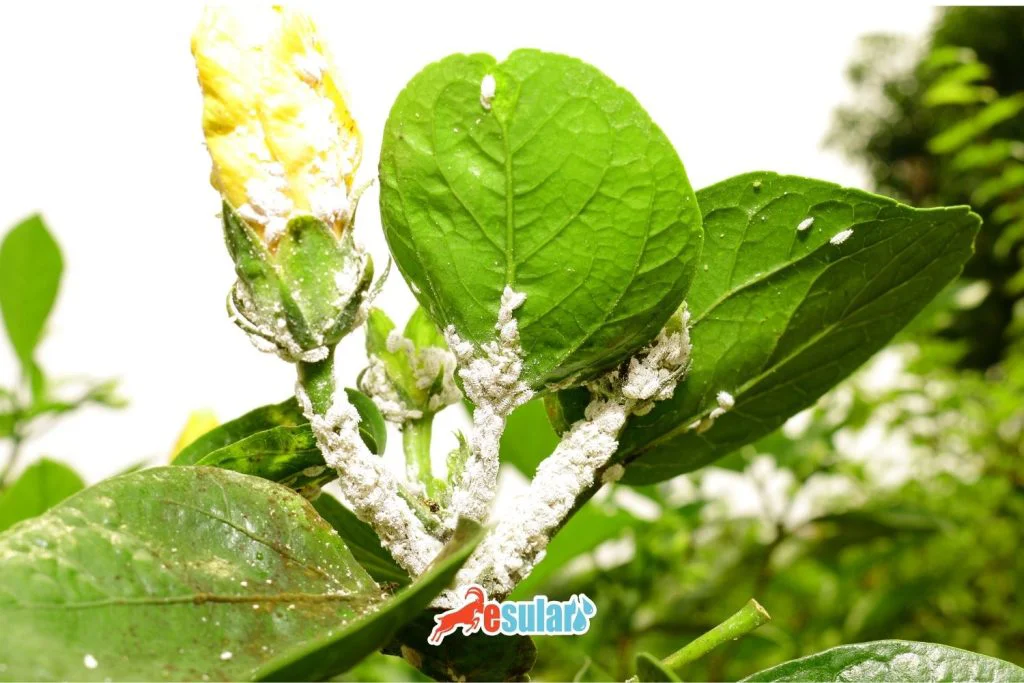
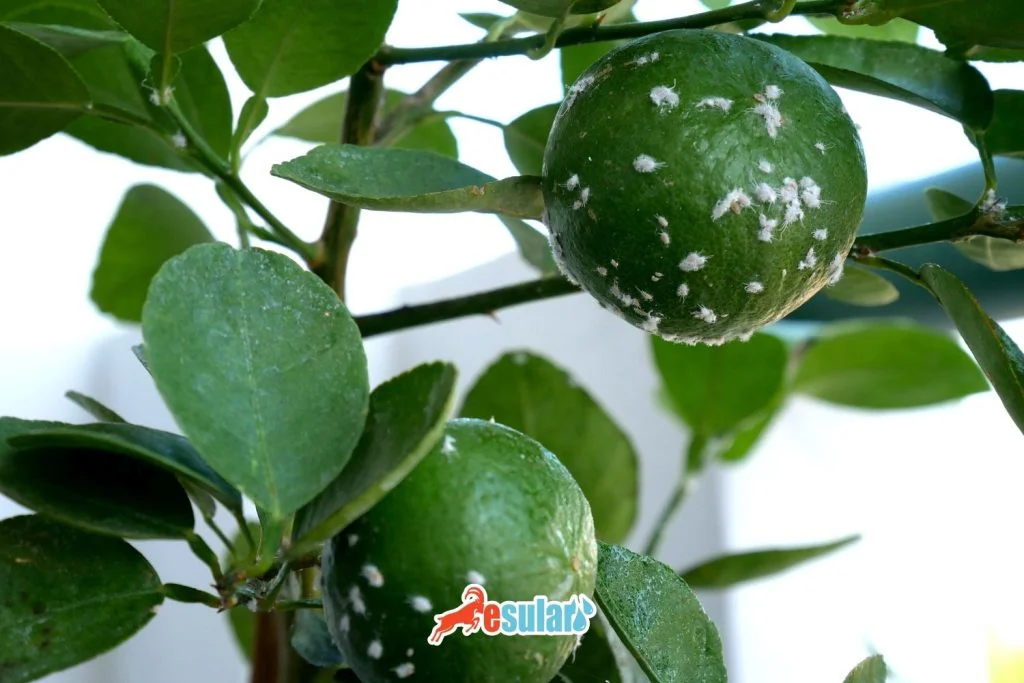
Mealybug is a pest that harms many plant species, especially citrus fruits. These insects feed by sucking the sap of plants, and in this process, they can cause plants to weaken, growth to stop, and even the death of plants. It is commonly seen in plants such as citrus, figs, vines, and pomegranates. Mealybugs can prevent photosynthesis and disrupt the general health of plants by forming a thick white wax layer on them. Additionally, the honeydew substances secreted by these insects can cause the formation of a black fungus called sooty mold. Sooty mold further reduces the photosynthesis capacity of plants, lowering product quality. These organisms go through different development periods depending on environmental conditions and generally live in colonies. Therefore, they can spread rapidly in gardens or agricultural areas. When not controlled, they can cause serious economic losses in plants. Cultural, biological, and chemical control methods can be used to effectively control mealybugs.
Why Does Mealybug Occur?
Mealybugs are common pests in plants and can appear due to various factors. The main factors causing the formation of mealybugs:
- Environmental Conditions: High humidity and low airflow support the development of these insects. Their spread to plant stems and branches in late summer and autumn is related to environmental conditions.
- Plant Health and Stress: Weak and stressed plants are more open to mealybug attacks. Insufficient water, nutrient deficiencies, or other harmful effects can weaken the immunity of plants. In this case, mealybugs cause damage by spreading faster by sucking the sap of the plants.
- Density and Colony Formation: A single mealybug on a plant can multiply rapidly and pass to other plants. These colonies can spread to large areas in a short time and cause great damage to plants.
- Inadequate Maintenance and Cleaning: The presence of weeds and dead plant parts provides a suitable living space for mealybugs.
- Incorrect Irrigation and Fertilization: Excessive irrigation or fertilization can cause excess moisture and nutrient accumulation in plants. This situation facilitates the development and spread of mealybugs. These risks can be reduced with correct irrigation and fertilization methods.
- Other Pests and Diseases: Mealybugs can also be associated with other pests and diseases. Especially the honeydew substances produced by these pests are used as feeding areas for mealybugs and can cause this situation to spread.
- Disruption of Biological Balance: The lack of natural enemies in gardens or agricultural areas can lead to uncontrolled multiplication of mealybugs. The lack of natural predatory insects and parasites can increase the mealybug population.
To prevent the formation and spread of mealybugs, it is important to improve environmental conditions, protect plant health, and perform regular maintenance.
In Which Plants is Mealybug Seen?
Mealybugs are pests that can cause damage to various plant species. Here are the plant species where mealybugs are frequently seen:
Citrus fruits
Fig
Vine (Grape)
Pomegranate
Greenhouse Plants
Ornamental Plants
Vegetables (Tomato, Pepper, Eggplant)
Bean
Cotton
Mealybugs can disrupt the health of these plants and lower product quality by performing intense sucking.
How to Combat Mealybug?
Cultural Measures:
- Clean weeds in the garden.
- Perform tillage operations at appropriate times.
- When pruning, be careful that the crowns of the trees do not touch each other.
- Provide sunlight and airflow.
Biological Control:
- Cryptolaemus montrouzieri and Leptomastix dactiilopii are natural enemies of mealybugs. Biological control can be done by releasing these beneficial insects into gardens infested with mealybugs.
- If there are natural enemies in the gardens, the mealybug population can be kept under control.
Control and Release:
- Check the garden every 15 days starting from mid-April.
- If 5-8% infestation is detected, release 2-3 predators and 10 parasitoids per tree.
- If there is 15% infestation in August, give 4-5 predators and 10 parasitoids per tree.
- In gardens with 20% infestation, release 10 predators and 20 parasitoids per tree from September to November.
Ant Control:
- Before releasing beneficial insects, treat the root collars of the trees with ant-killing powder pesticide.
- Prevent ant activity by pruning the branch tips of the trees that touch the ground.
Chemical Control:
- In gardens where biological control is not performed, carry out chemical control with licensed pesticides when the fruits are the size of hazelnuts.
- In gardens with high populations, chemical control can be applied to reduce the population before biological control.

Yorumlar