
Tüm Yazılar
What is Citrus Whitefly?
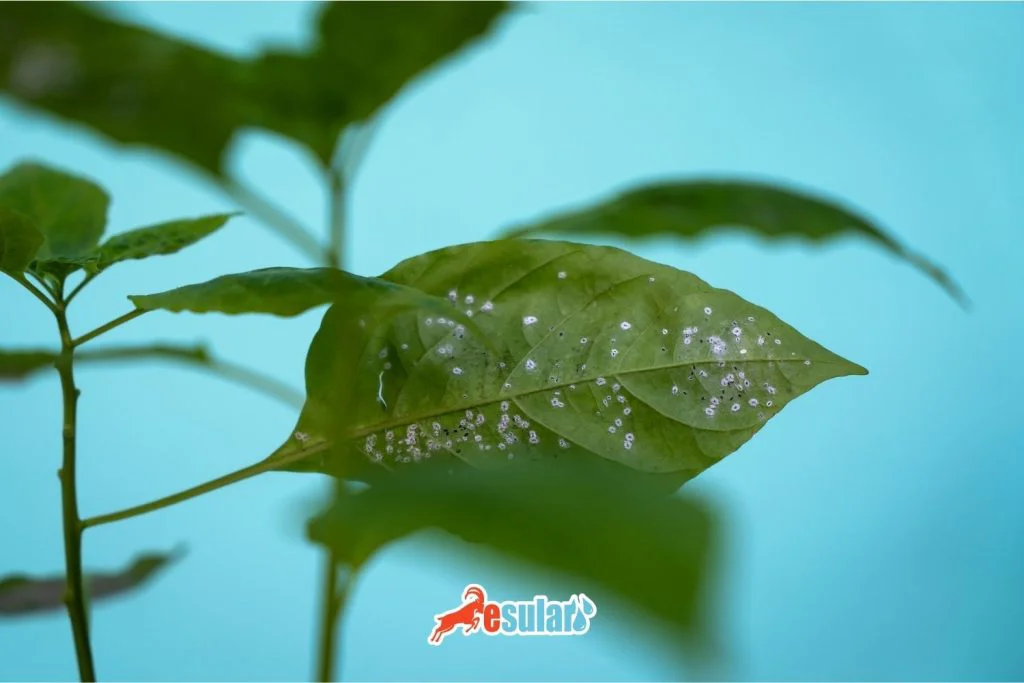
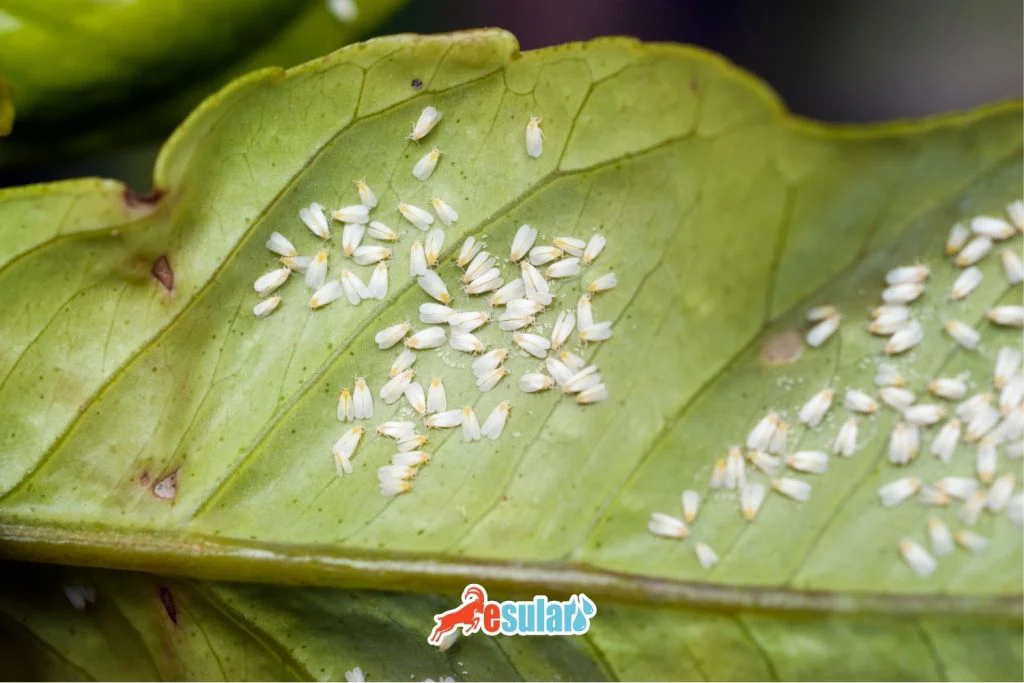
Citrus Whitefly (Dialeurodes citri Ashmead) is a pest species that settles on the leaves of citrus trees and feeds on the plant sap. In the plants it hosts, it causes yellowing of leaves, leaf drop, and a decrease in fruit quality over time. This pest, which is also commonly seen in our country, can cause serious damage if precautions are not taken early on. Citrus whitefly can cause serious economic losses both directly and indirectly. Therefore, early diagnosis and management of this organism are very important. In this article, we will discuss effective control methods for Citrus whitefly.
Life Cycle of Citrus Whitefly
The life cycle of the citrus whitefly consists of four basic stages: egg, larva, nymph, and adult.
Egg Stage: The female citrus whitefly lays its eggs on the underside of the leaves. The maturation period of the eggs varies between 8 to 24 days depending on temperature and environmental conditions. During this process, the eggs change color from a yellowish hue toward dark brown.
Larva Stage: Larvae emerging from the eggs move on the leaf surface for a few hours and, after finding a suitable spot, attach themselves to the underside of the leaf and remain in a fixed position. The larval stage is the stage where the citrus whitefly begins to suck sap from the plant and starts to cause direct damage to the plant. Larvae feed actively for approximately 6-12 days.
Nymph Stage: Following the development process of the larvae, the nymph stage is reached. At this stage, nymphs take on a flat and immobile structure resembling scale insects. Nymphs are found fixed on the underside of the leaf. The nymph stage is the period when the citrus whitefly spends the most time on the plant. Nymphs continue to damage the plant by sucking plant sap during this time, and this situation can last 10-25 days.
Adult Stage: Individuals completing the nymph stage emerge as adults. Adults are white in color and are approximately 1-1.5 mm in length. In this stage, the adults, which resemble small moths, lay new eggs. The lifespan of adults is a few weeks, and during this process, they continue to lay their eggs on the underside of the leaves for the formation of new generations.
Why Does Citrus Whitefly Occur?
Citrus Whitefly can be seen in citrus orchards for various reasons. The main reasons are as follows;
- With dense tree planting, air circulation between trees decreases. This situation prepares the environment for whitefly and other diseases and pests.
- Using excessive amounts of nitrogenous fertilizers can cause the whitefly population to increase.
- This organism likes hot and humid environments. Therefore, climatic conditions are another factor determining the whitefly population.
- Finally, the scarcity of predatory insects, which are its natural enemies, also causes the whitefly population to increase.
All these factors are very important for the whitefly population. Therefore, the factor should first be identified, and the pest should be tried to be brought under control with appropriate cultural, chemical, and biological control methods.
Damage Pattern of Citrus Whitefly
Citrus whitefly causes damage to plants in two ways: directly and indirectly.
Direct Damage:
- Citrus whitefly settles on the underside of plant leaves and sucks the sap. Chlorophyll loss occurs in leaves whose sap is sucked. Chlorophyll loss manifests itself as yellowing in the leaves. Additionally, due to the pest's sucking activities, the leaves harden and premature drops begin. This leads to a decrease in the plant's photosynthetic capacity. Leaf drop reduces the trees' resistance to winter cold and slows down the development of the trees.
Indirect Damage:
- Citrus whitefly larvae and pupae secrete a sweet substance during feeding. This substance covers the plant surface, leading to the blockage of stomata and the prevention of the plant's physiological activities. As a result of the development of saprophytic fungi on this substance, sooty mold (ballık), covers the leaves. The sooty mold layer significantly reduces the plant's capacity to photosynthesize. This situation stops the development of the plant, causes the weakening of shoots, and a decrease in fruit quality. Trees heavily infested by citrus whitefly experience delays in producing new shoots.
Control Methods for Citrus Whitefly
Control of citrus whitefly requires the combined use of various methods to reduce the pest population and protect tree health. Control methods include cultural, biological, and chemical applications.
Cultural Control
- The first step for control is the use of clean and healthy seedlings.
- Air circulation should be increased by regularly pruning the over-developed shoots of the trees.
- Excessive nitrogenous fertilizer use should be avoided, and plant development should be balanced through balanced fertilization.
- The distance between trees should be well-adjusted.
Biological Control
- Predatory insects such as Serangium parcesetosum can be used in the fight against citrus whitefly. Protecting these beneficial insects naturally found in orchards is important for the sustainability of biological control.
Chemical Control
- Spraying should be carried out when at least 3 live whiteflies (eggs, nymphs) per leaf are detected. The first spraying should be done in the first half of June, and the second spraying from the second half of August. Winter spraying with summer oils can be done between the post-harvest period and February. When spraying is done according to the technique, a single application is sufficient.



Yorumlar